Improving Comfort and Natural Airflow with Destratification Fans for Child Care Centers
Child care centers and preschools need comfortable indoor conditions throughout classrooms, play areas, nap rooms, and shared spaces that remain occupied for much of the day. These facilities can experience uneven temperatures, stagnant areas, and changing indoor conditions as doors and windows open, occupancy changes, and outdoor temperatures fluctuate. Airius fans can help improve air circulation and temperature consistency while supporting both mechanical HVAC systems and natural ventilation strategies.
The Challenge
Young children spend much of their day close to floor level, making effective air distribution especially important in child care environments. Even when a room is being heated, cooled, or naturally ventilated, conditioned or fresh air may not distribute evenly throughout the occupied space. Warm air can accumulate overhead, cooler air can remain concentrated near floors or exterior walls, and stagnant areas may develop in classrooms with limited circulation.
Child care facilities designed around natural ventilation face another challenge. Opening windows can introduce cooler outdoor air, but without effective circulation, that air may remain concentrated near the openings instead of reaching the entire classroom.
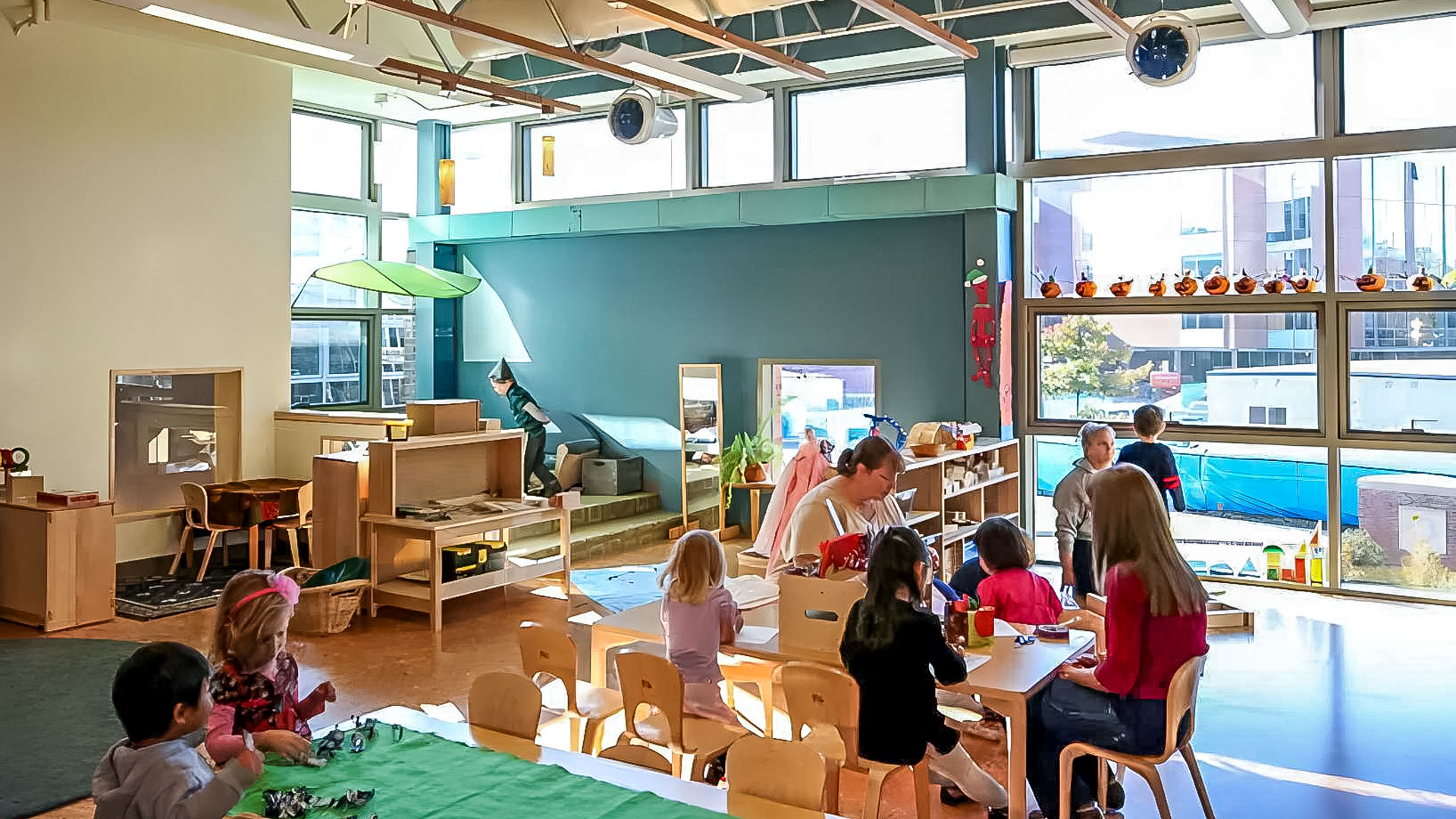
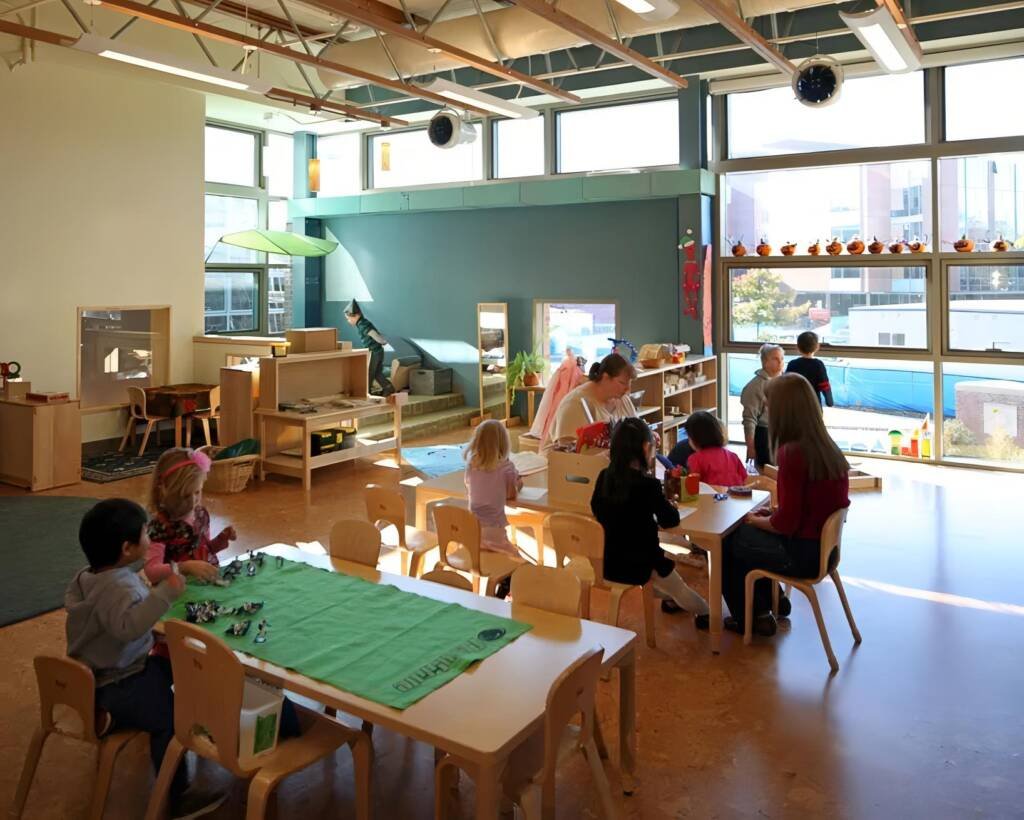
At Penn State University’s Child Care Center at Hart Woods, the building was intentionally designed to use its wooded surroundings and natural ventilation to help cool the classrooms. Airius fans became part of that strategy by helping draw cooler courtyard air into the building and move it through the occupied spaces.
The Airius Solution
Airius systems can provide gentle, continuous air circulation throughout child care and preschool environments, helping distribute conditioned or naturally introduced air more effectively.
For child care centers, two Airius systems are particularly well suited.

Air Pear EC Series
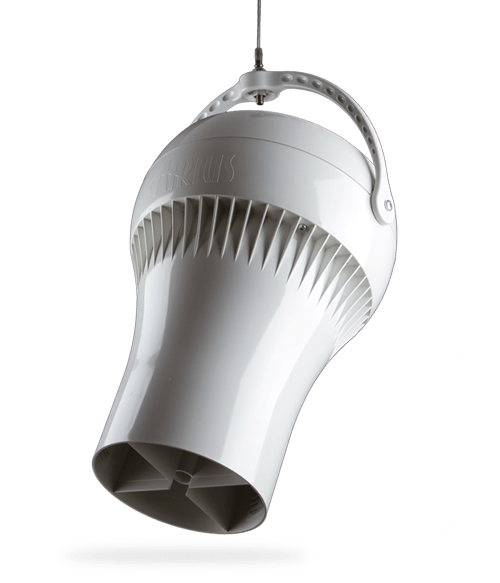
The Air Pear EC Series is a flexible option for classrooms, indoor play spaces, multipurpose rooms, and facilities using natural ventilation. Its focused airflow helps circulate air throughout the occupied space instead of allowing cooler or warmer air to remain concentrated in one area. Multiple sizes and variable-speed EC motors allow airflow to be matched to room dimensions and comfort requirements. Destratification Fans by Airius The Air Pear Series was used at Penn State's Child Care Center at Hart Woods as part of the building's natural ventilation strategy.
PureAir Suspended Series
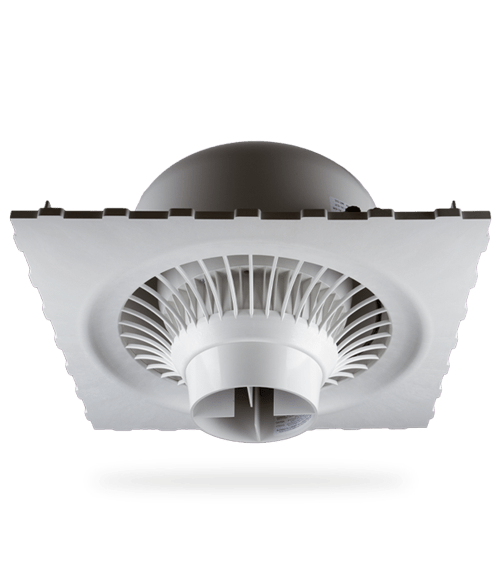
The PureAir Suspended Series is particularly suited to child care centers with standard drop ceilings where both air circulation and indoor air quality are priorities. The system fits into a standard 2-foot by 2-foot ceiling grid and combines destratification with NPBI™ air-purification technology. It is designed to help reduce hot and cold spots while mitigating odors, allergens, bacteria, dust, and other airborne particles. Airius Fans Store Its enclosed, low-profile design also makes it well suited to classrooms and other occupied spaces where equipment needs to remain unobtrusive and out of reach.
Potential Benefits
A properly designed Airius installation could help reduce hot and cold spots, improve circulation at child level, distribute fresh or conditioned air more evenly throughout classrooms, and reduce stagnant areas. In naturally ventilated facilities, improved circulation can help outdoor air reach more of the occupied space rather than remaining concentrated near windows and doors. In mechanically conditioned buildings, destratification can help HVAC systems make better use of the air they are already heating or cooling.
Proven Results
Penn State’s Child Care Center at Hart Woods became the university’s first LEED Platinum-certified building and incorporated Airius Air Pear fans into an innovative natural ventilation system.
The building was oriented toward a grove of trees to take advantage of the cooler wooded microclimate. When outdoor conditions were appropriate, staff and children opened sliding panels while Airius fans on the north side of the building helped draw cooler courtyard air indoors. Exhaust points on the opposite side allowed air to move through the facility.
According to the project case study, the system lowered indoor temperatures by approximately 5°F to 10°F while improving ventilation. The installation also became part of the children’s learning environment, with the natural ventilation system helping connect building design, environmental awareness, and everyday classroom activities.
AIrius cares about comfort and airflow
Every child care center has different classroom layouts, ceiling types, outdoor-air strategies, occupancy patterns, and HVAC systems. Airius systems can be selected and positioned around those conditions, using Air Pear fans where broader circulation or natural ventilation support is needed and PureAir Suspended units where drop ceilings and indoor air quality are priorities.
The objective isn’t simply to move more air. It’s to help create consistent, comfortable conditions throughout the spaces where children spend their day.