
Improving Workplace Comfort and Temperature Balance with Destratification Fans for Offices & Coworking Spaces
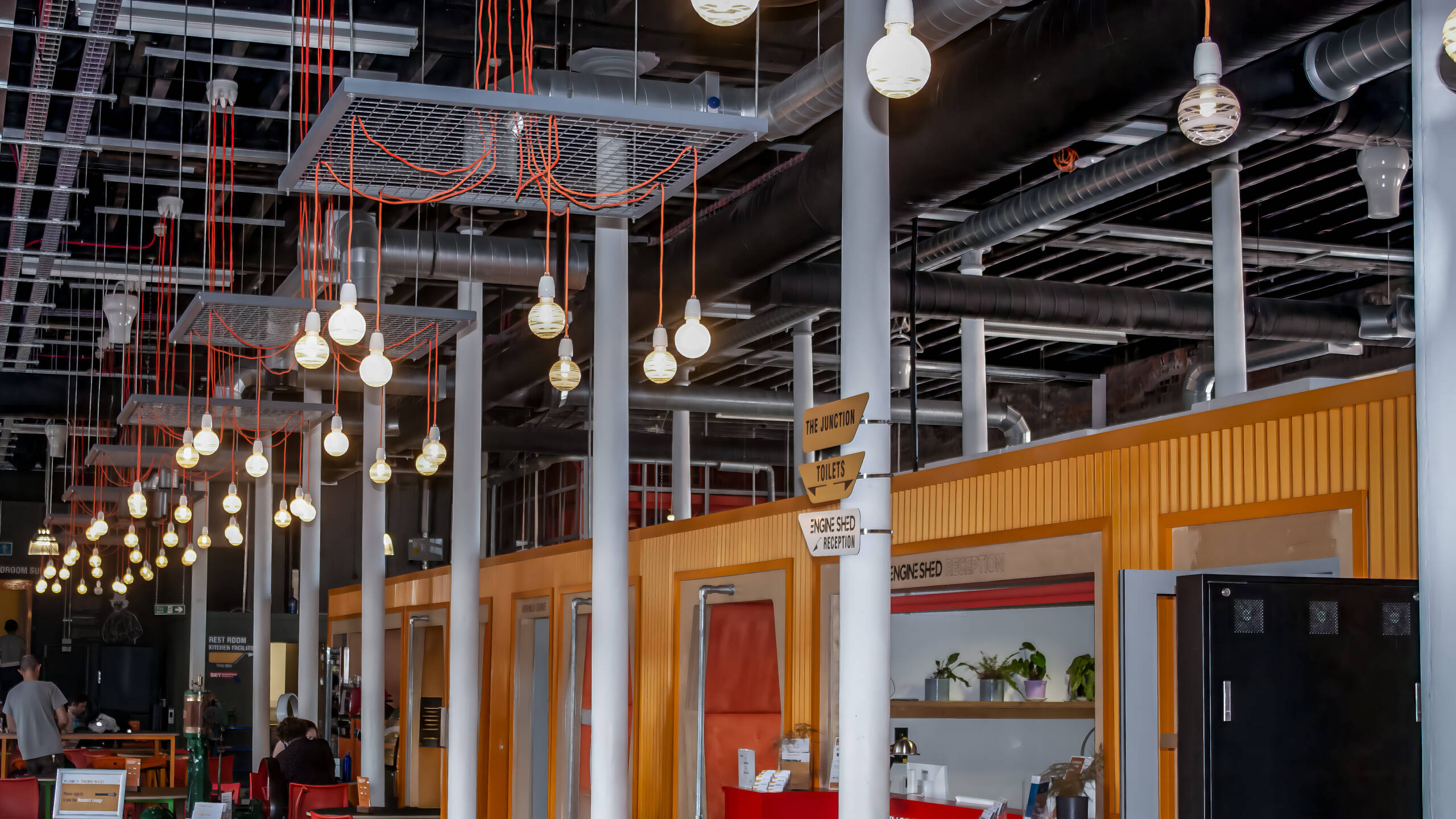
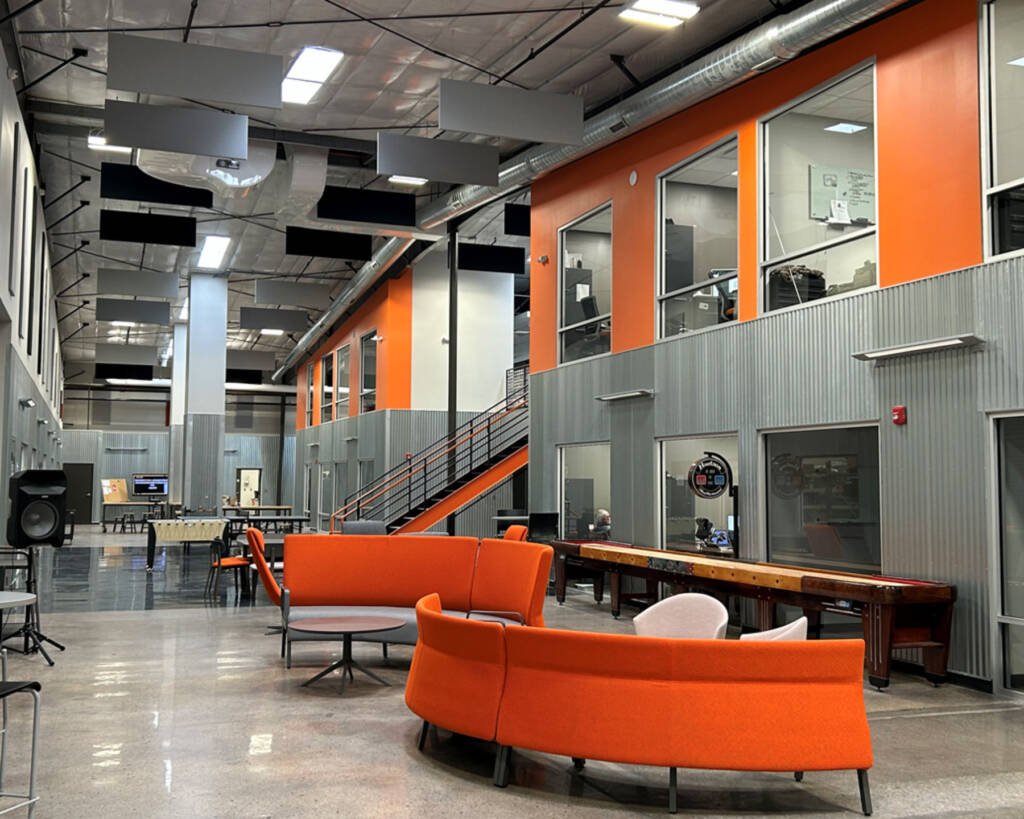
Modern offices and coworking spaces often combine open floor plans, mezzanines, high ceilings, conference rooms, private offices, and shared work areas within the same HVAC zones.
These layouts can make maintaining consistent temperatures difficult. Warm air may collect on upper floors and mezzanines while employees at lower levels remain cooler, creating the familiar problem where one part of the office is uncomfortable even though the thermostat indicates the correct temperature.
Airius destratification fans can help redistribute conditioned air throughout the workspace, reducing temperature differences and helping existing HVAC systems maintain more consistent comfort.
The Challenge
Temperature complaints are one of the persistent challenges in office environments because the conditions experienced by employees can vary significantly within the same building. Multi-story spaces, mezzanines, large windows, solar exposure, equipment loads, and open floor plans can all contribute to uneven temperatures. In coworking environments, constantly changing occupancy adds another variable as meeting rooms, collaborative areas, and individual workspaces fill and empty throughout the day.
Thermal comfort can also affect more than employee satisfaction. Lawrence Berkeley National Laboratory’s analysis of office studies found that measured work performance was highest around 70–72°F and generally declined as temperatures moved significantly above that range, although the magnitude of the effect varies between workplaces and tasks.
At Rasmussen Mechanical Services, the problem was particularly noticeable because its 30,000-square-foot facility included three levels and an interior mezzanine. Heat naturally accumulated on the upper level, making second-floor offices uncomfortable while employees on the main floor experienced much cooler conditions.
The Airius Solution
Airius fans can provide continuous, controlled circulation that helps redistribute conditioned air between different levels and work areas rather than allowing warm or cool air to remain concentrated in one portion of the building.
For offices and coworking spaces, two Airius systems are particularly well suited.

Air Pear EC Series
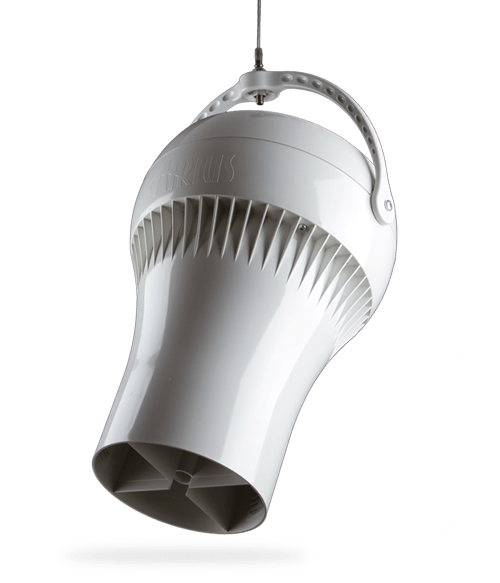
The Air Pear EC Series is ideal for open offices, multi-story workspaces, mezzanines, coworking facilities, and offices with exposed or higher ceilings. Its focused columnar airflow helps move accumulated warm air from upper levels back toward occupied workspaces, reducing thermal stratification and improving circulation throughout the building. Variable-speed EC motors allow airflow to be adjusted according to occupancy and seasonal conditions, while BACnet and 0–10V integration allow the fans to work alongside existing building-management systems. The Air Pear Series is also the solution proven at Rasmussen Mechanical Services.
Suspended EC Series
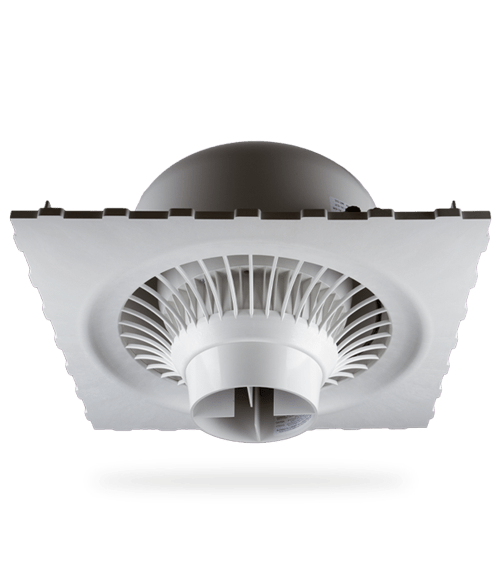
The Suspended EC Series is particularly well suited for offices and coworking environments with conventional drop ceilings. Each unit replaces a standard 24-inch by 24-inch ceiling tile and isolates the ceiling plenum so only air within the occupied space is circulated. This creates a discreet installation while helping reduce localized hot and cold spots throughout offices, meeting rooms, collaborative areas, and shared workspaces. EC motor options provide variable-speed operation and integration with centralized building controls, allowing circulation to be adjusted around different workplace zones and operating schedules.
Potential Benefits
A properly designed Airius installation could help reduce temperature differences between floors, mezzanines, and individual work areas, eliminate persistent hot and cold spots, improve employee comfort, and help existing HVAC systems distribute conditioned air more effectively. Improved air distribution can also help reduce situations where HVAC settings are repeatedly adjusted to satisfy one uncomfortable portion of the office while making another area too warm or too cold. For coworking spaces with changing occupancy throughout the day, variable-speed controls provide additional flexibility to adjust circulation as different areas become more heavily used.
Proven Results
Rasmussen Mechanical Services experienced significant temperature stratification throughout its 30,000-square-foot Council Bluffs, Iowa facility. Warm air naturally rose into the upper portions of the three-story interior, leaving the second-floor mezzanine significantly warmer than offices on the main floor. The HVAC system was forced to compensate for the imbalance, while employees experienced noticeably different working conditions depending on where their offices were located.
Airius Air Pear fans were strategically positioned throughout the building to continuously redistribute air between the upper and lower levels.
Following installation, Rasmussen reported significantly reduced temperature differences between floors and improved comfort on the previously overheated mezzanine. The company also reported more efficient HVAC operation, although long-term payback and energy-savings data were still being collected at the time of the case study.
Achieving better airflow doesn't have to be hard work
Every office has different floor plans, ceiling heights, glazing, occupancy patterns, HVAC zones, and work environments.
Airius systems can be selected and positioned around those conditions, using Air Pear fans in open or multi-level spaces and Suspended Series fans where discreet integration into traditional office ceilings is preferred.
The objective isn’t simply to change the thermostat. It’s to make the temperature employees actually experience more consistent throughout the workplace.

