
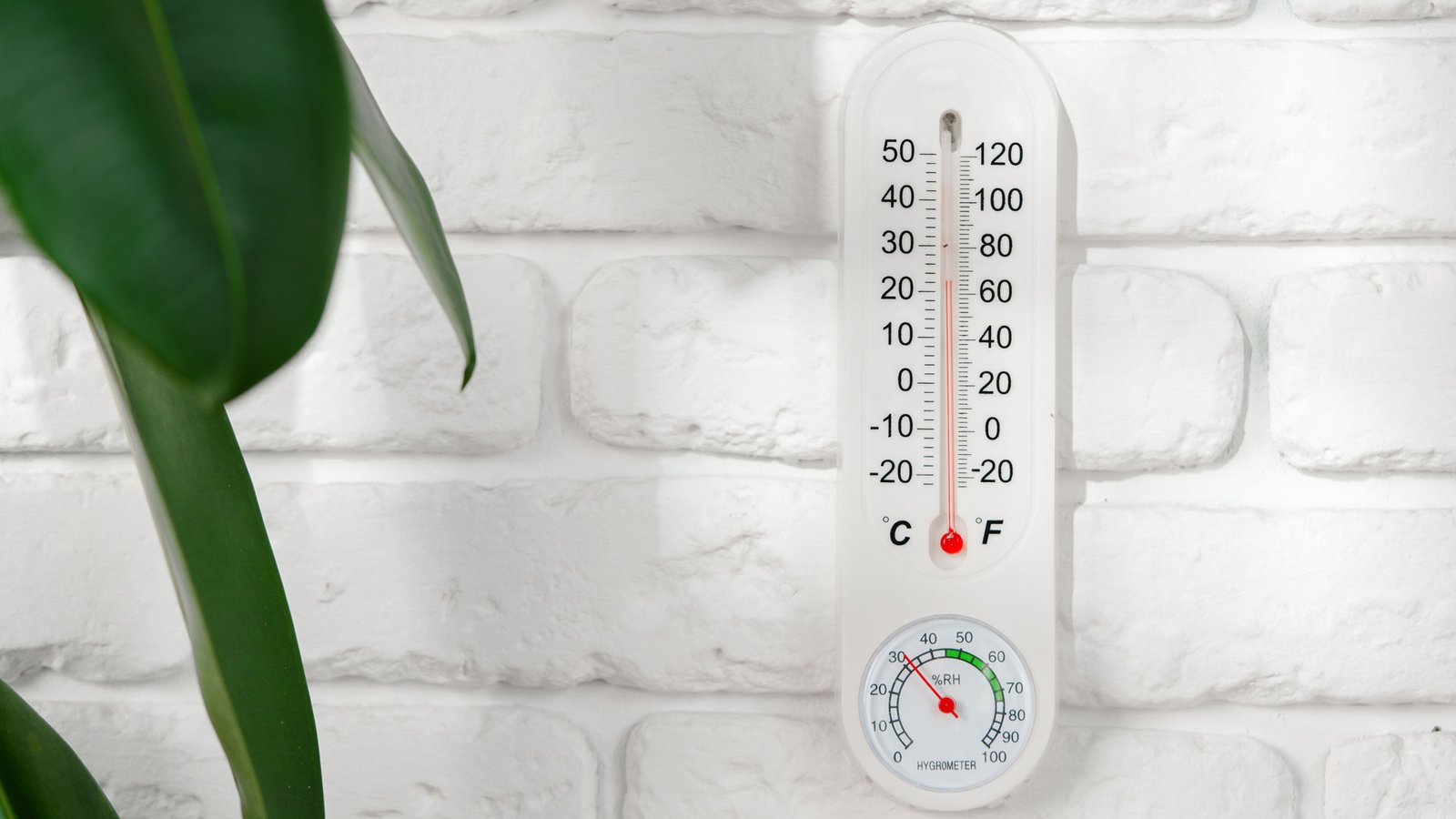
As we transition through the seasons, companies face a common challenge: managing daily temperature fluctuations. Cooler mornings often turn into warm afternoons, putting a significant strain on heating, ventilation, and air conditioning (HVAC systems). This temperature variability not only affects comfort but also leads to increased energy consumption, higher maintenance costs, and long-term wear and tear on HVAC equipment.
In this blog, we’ll explore how rapid temperature changes can impact energy efficiency and HVAC system performance, and what steps companies can take to mitigate these issues.
How Temperature Changes Impact HVAC Systems
Daily temperature swings affect more than just indoor comfort—they directly impact how hard your HVAC system must work to maintain a stable climate. In the cooler mornings, heating systems ramp up to provide warmth, only to shift gears by midday to cooling mode as outdoor temperatures rise. This constant switching between heating and cooling leads to inefficiencies, which can have costly consequences.
Here’s how fluctuating temperatures can harm energy efficiency:
- Increased Energy Usage: Each time the HVAC system adjusts to compensate for temperature swings, it consumes more energy. This frequent cycling increases energy bills and contributes to higher operational costs.
- System Wear and Tear: Constant shifts between heating and cooling place stress on HVAC components like compressors, blowers, and motors. Over time, this added strain can lead to premature breakdowns and costly repairs.
- Occupant Discomfort: Inconsistent temperature control often results in uneven heating or cooling within a facility, leading to uncomfortable conditions for employees or customers. This frequently prompts manual thermostat adjustments, further straining the HVAC system.
Financial Impact of Temperature Fluctuations on Energy Spending
The financial implications of poorly managed temperature changes are significant. Studies show that temperature variability can result in a 30% increase in energy costs during transitional seasons, especially for businesses with high ceilings or large, open spaces. The financial toll includes:
- Rising Utility Bills: HVAC systems working overtime to balance fluctuating temperatures consume more energy, leading to higher monthly utility bills.
- Increased Maintenance Costs: Overworked systems require more frequent maintenance, increasing operational expenses.
- Premature Equipment Replacement: The strain caused by constant temperature changes shortens the lifespan of HVAC equipment, leading to early and expensive replacements.
How to Combat Temperature Swings and Improve Energy Efficiency
To reduce the impact of fluctuating temperatures on energy spending and HVAC systems, companies can adopt several strategies. These methods not only optimize energy use but also protect HVAC equipment from undue stress:
- Destratification Fans: Installing destratification fans, like those offered by Airius, helps maintain consistent indoor temperatures through continuous air circulation. This reduces the need for frequent HVAC system adjustments, lowering both heating and cooling demands.
- HVAC Scheduling Optimization: Fine-tuning HVAC schedules to align with natural temperature patterns can help prevent overuse. For example, heating can be gradually scaled back in the morning to avoid overcooling the space later in the day.
- Improved Insulation: Ensuring your facility is well-insulated can help buffer against outdoor temperature fluctuations, reducing the HVAC system’s workload and leading to more consistent indoor temperatures.
- Smart Thermostat Implementation: Smart thermostats provide more precise temperature control, adjusting HVAC operation based on real-time needs. These devices reduce unnecessary heating or cooling, optimizing energy usage during periods of rapid temperature change.
Conclusion: Minimizing Energy Costs During Seasonal Transitions
Temperature swings during seasonal transitions can lead to increased energy costs and cause long-term damage to HVAC systems. By adopting proactive strategies—such as using destratification fans, optimizing HVAC schedules, and improving insulation—companies can better manage temperature fluctuations and reduce the financial burden of inefficiencies.
By addressing these challenges, businesses can improve energy efficiency, extend the life of their HVAC systems, and create a more comfortable environment for their employees and customers. Ultimately, managing temperature swings is not only about maintaining comfort—it’s about controlling costs and ensuring long-term sustainability.