
How to Improve HVAC Efficiency Before Heating Season
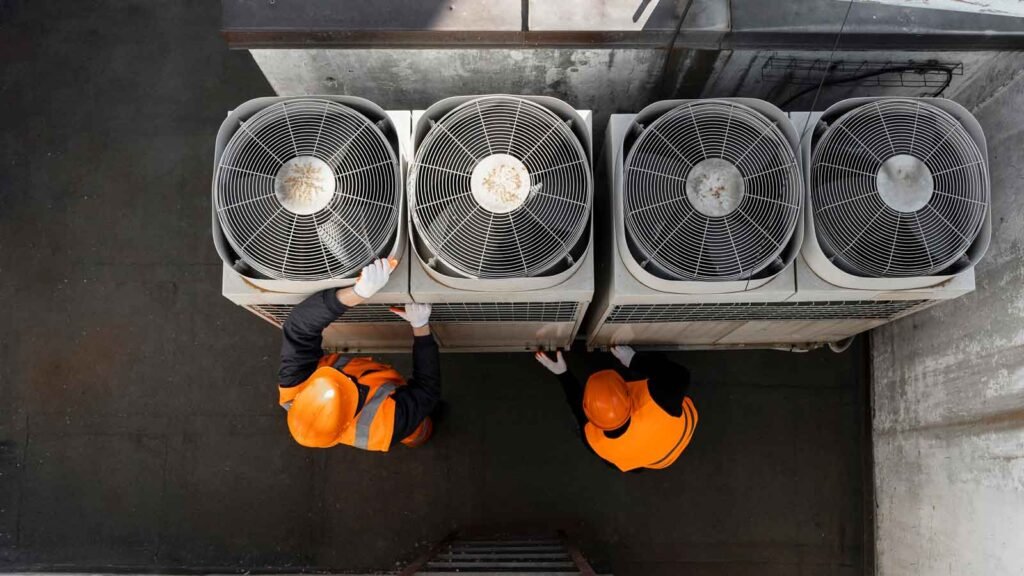
Commercial buildings are heading into heating season at a time when energy performance remains a major industry focus. U.S. electricity demand is forecast to reach record levels in 2026 and again in 2027, while commercial building standards continue to emphasize energy efficiency and system performance. For facility managers, that makes pre-season HVAC evaluation especially important. Before adding heating capacity […]
Indoor Heat Safety in Warehouses: What Facility Managers Need to Know

Summer heat isn’t only an outdoor workplace concern. Warehouses, distribution centers, loading docks, and other large indoor facilities can also expose employees to high temperatures, particularly when workers are performing physical tasks in spaces that are humid or not climate controlled. For facility managers, managing indoor heat is about more than comfort. It’s an important part of maintaining a safe working environment. Can […]
Does Your Building Actually Need More Air Conditioning?
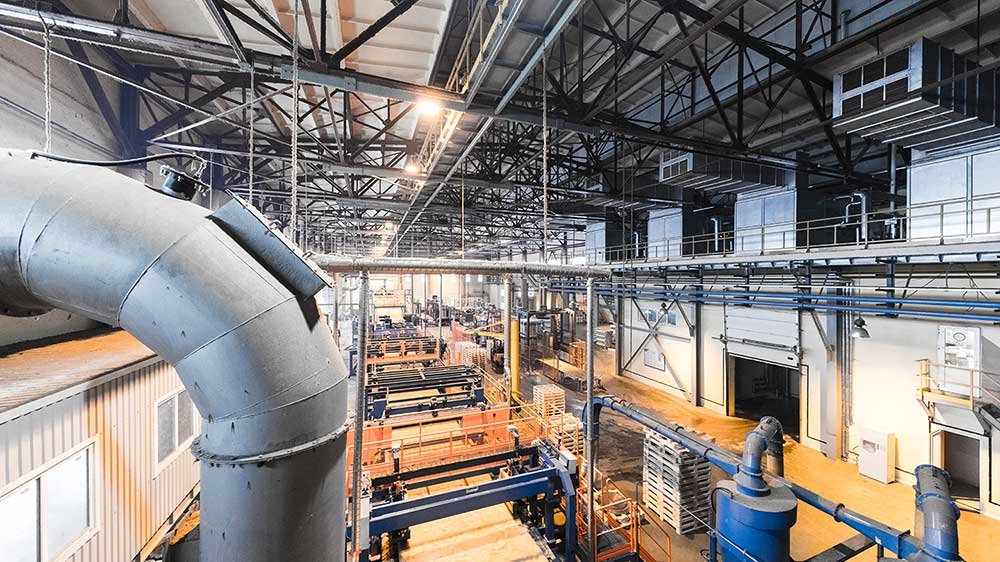
When a commercial building starts feeling too warm during the summer, the first assumption is often that the air conditioning system isn’t large enough. Facility managers may begin looking into HVAC upgrades, additional rooftop units, or lowering the thermostat in an effort to improve comfort. But before investing in more cooling capacity, it’s worth asking […]
The Hidden Costs of Uneven Building Temperatures

When facility managers think about temperature issues, the first concern is often comfort. Employees complain about hot and cold spots, customers notice certain areas feel warmer than others, or one part of the building never seems to reach the desired temperature. But uneven temperatures can impact much more than comfort. Across a wide range of industries, temperature inconsistencies can affect productivity, […]
Why Smart Airflow Management Is Becoming the Future of Commercial HVAC
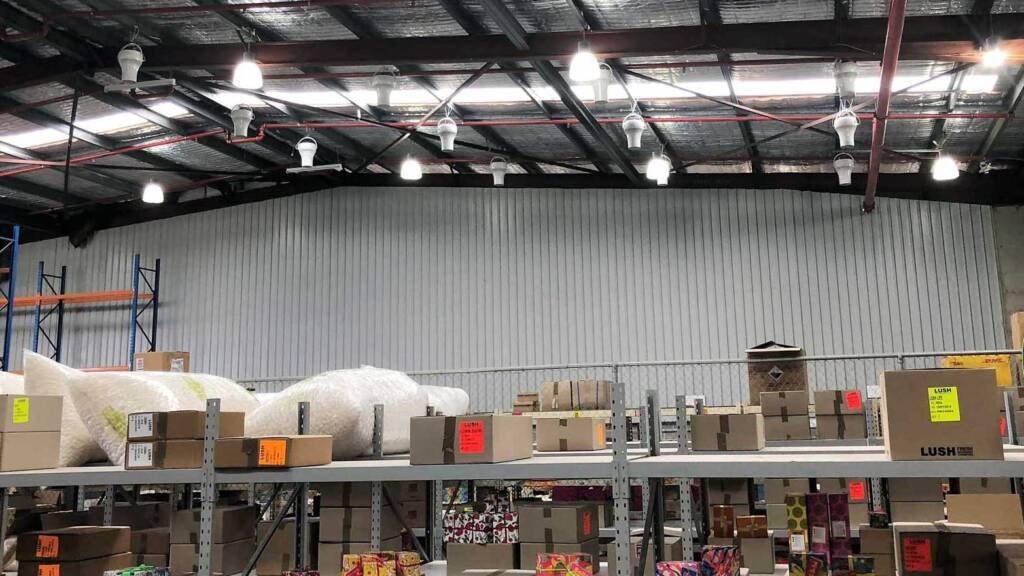
Commercial HVAC systems are evolving beyond simple heating and cooling. In 2026, facility managers are increasingly focused on how buildings manage airflow, energy usage, and operational efficiency in real time. As utility and operational costs continue to rise, many facilities are under increasing pressure to improve HVAC efficiency without taking on major infrastructure replacement projects. […]
How to Reduce Cooling Costs in Large Commercial Buildings
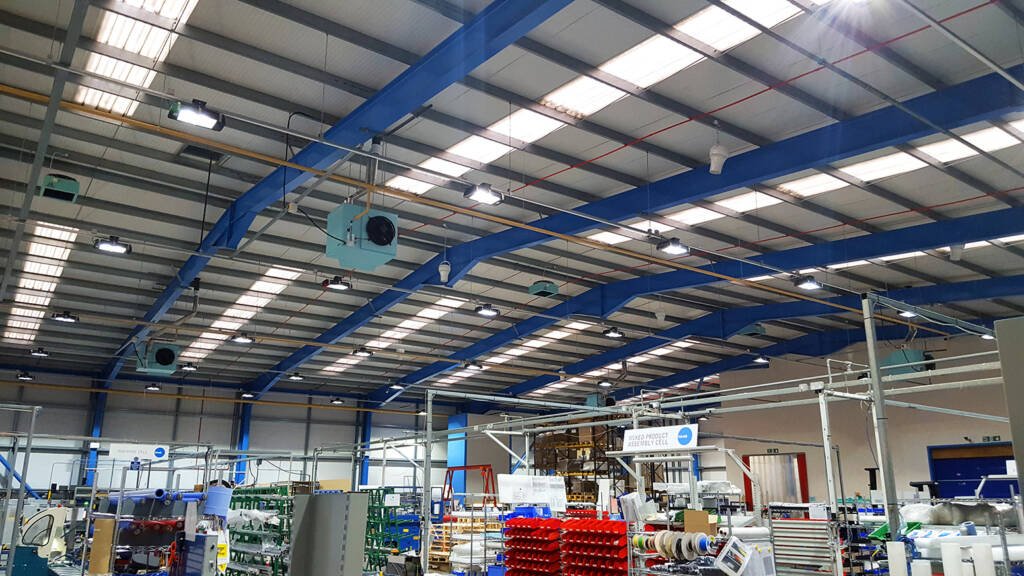
As temperatures rise, cooling costs quickly become one of the largest operating expenses for commercial buildings. This is especially true in facilities with high ceilings and large open layouts, where maintaining consistent temperatures can be difficult. In many cases, high cooling costs are not just caused by HVAC capacity — they are the result of uneven air distribution throughout […]
5 Signs Your Commercial Building Has an Air Distribution Problem
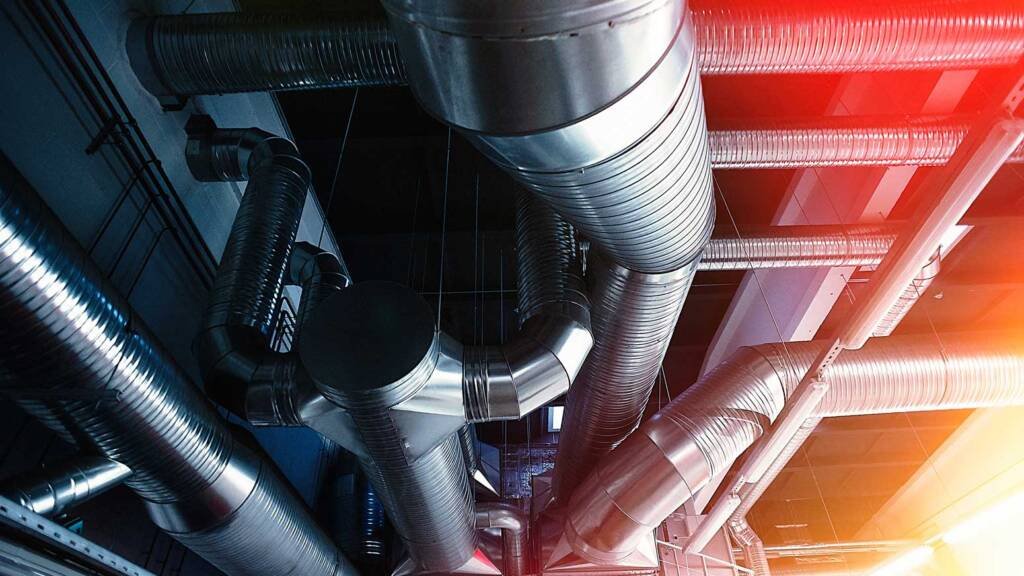
Many facility managers assume temperature problems are caused by HVAC systems that are too small or outdated. In reality, the issue is often not heating or cooling capacity — it’s how air moves through the building. Air distribution problems are common in large commercial spaces, especially those with high ceilings or large open layouts. When airflow is uneven, some areas feel […]
HVLS vs. Destratification Fans: What’s the Real Difference?
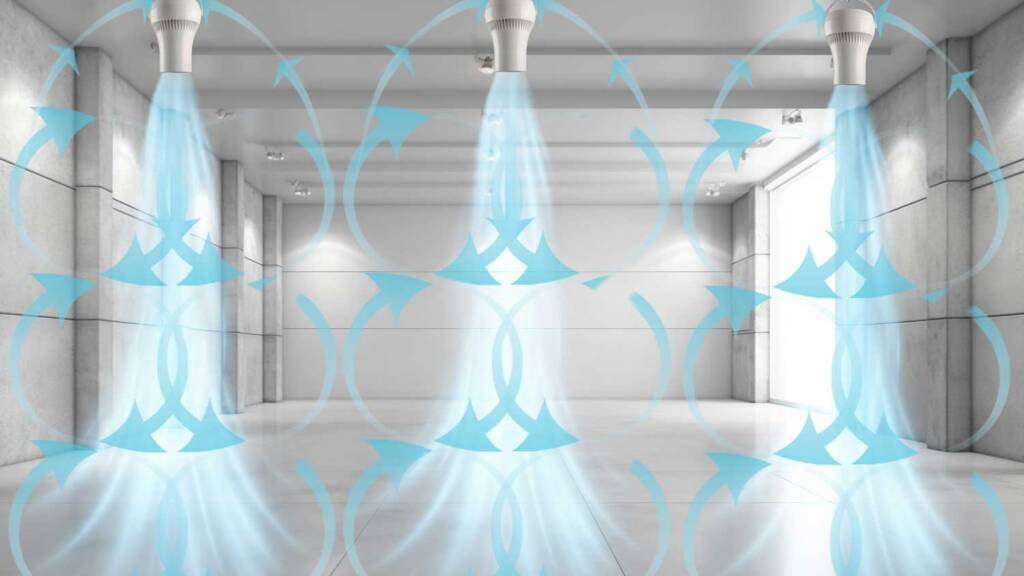
When evaluating air movement solutions for large commercial buildings, many facility managers compare HVLS fans and destratification fans. While both systems move air, they are engineered differently and deliver very different installation, operational, and integration outcomes. Understanding those differences is critical when selecting the right solution for tall spaces. How HVLS Fans Move Air HVLS […]
How to Reduce Heating Costs in Tall Buildings
January is when many facilities take a hard look at winter energy bills. For buildings with high ceilings, one issue shows up repeatedly: heating costs continue to rise, but comfort at floor level doesn’t improve. In most cases, the problem isn’t the heating system itself. It’s how air moves—or doesn’t move—inside the space. Why are […]
Destratification Fans for Winter: Common Questions, Clear Answers
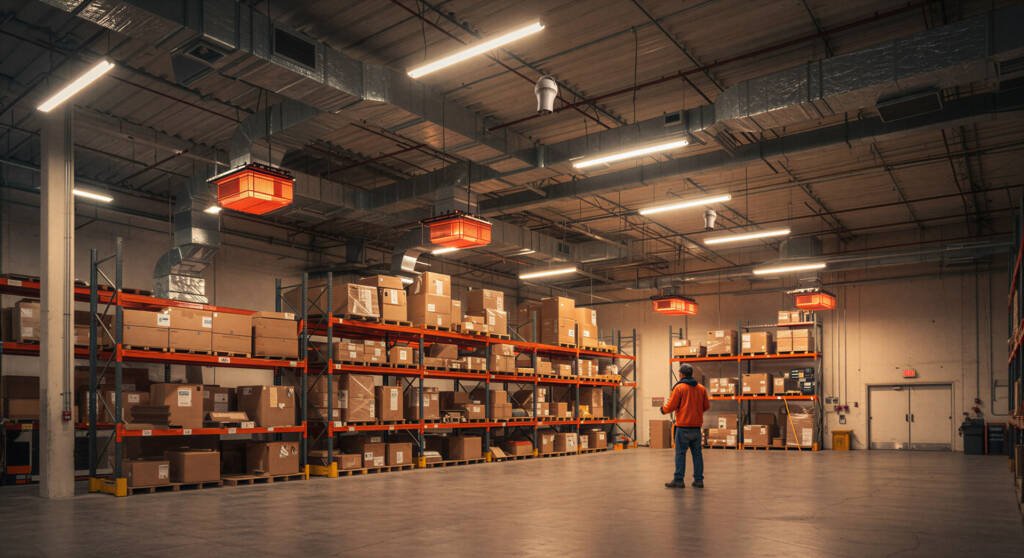
What is air stratification? Air stratification is when warmer, less dense, air rises and collects near the ceiling while cooler, more dense, air settles at floor level. In tall spaces with minimal air movement, this creates a noticeable temperature difference between the upper and lower levels. This can be roughly estimated at 0.5 degree F […]
Why Comfortable Indoor Temperatures Matter for Winter Productivity

As temperatures drop, many workplaces deal with cold spots, drafts, and uneven heating. These issues don’t just affect comfort—they directly impact how well people work. Research has shown that when indoor temperatures are too cold or too warm, employees lose focus, make more mistakes, and complete tasks more slowly. Creating a consistent, comfortable environment during […]
Prepare Your Facility for Heating Season: Improve Comfort and Cut Energy Costs with Airius Fans
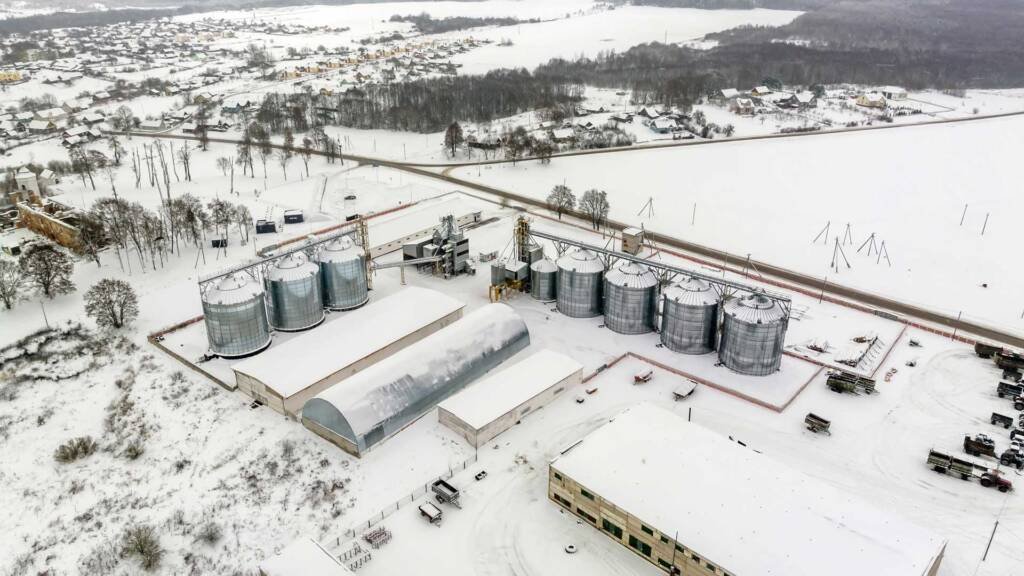
As temperatures drop and heating systems start up, many facilities face the same seasonal challenge: keeping indoor environments warm without driving up energy costs. In large or tall spaces, this becomes even more difficult—warm air naturally rises to the ceiling, leaving employees and customers below feeling cold while the HVAC system works overtime. Airius destratification […]