Many facility managers assume temperature problems are caused by HVAC systems that are too small or outdated. In reality, the issue is often not heating or cooling capacity — it’s how air moves through the building.
Air distribution problems are common in large commercial spaces, especially those with high ceilings or large open layouts. When airflow is uneven, some areas feel comfortable while others experience persistent hot or cold spots.
Recognizing the warning signs early can help facilities address comfort complaints, reduce energy waste, and improve overall HVAC efficiency.
Uneven temperatures throughout the building
One of the most common indicators of an air distribution issue is inconsistent temperatures from one area to another.
For example, offices near exterior walls may feel colder, while interior spaces feel warm. In large open environments like warehouses or gyms, some zones may feel comfortable while others remain noticeably cooler or warmer.
When temperatures vary widely within the same building, airflow circulation is often the underlying problem.
Warm air collecting near the ceiling
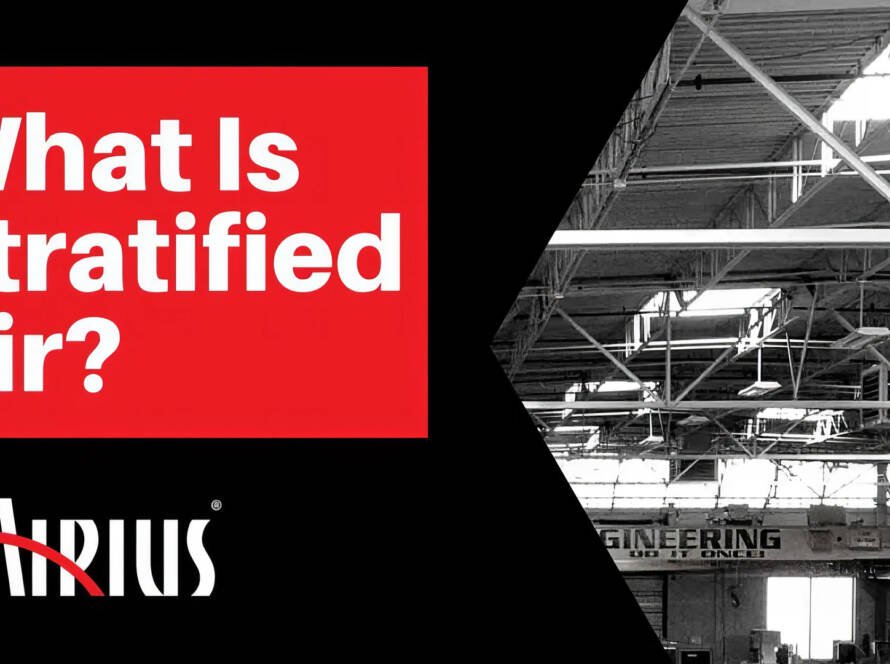
In buildings with high ceilings, warm air naturally rises and collects overhead. Without sufficient air movement to mix the space, heat remains trapped near the ceiling while cooler air stays closer to the floor.
This effect, known as air stratification, is especially common in:
- warehouses and distribution centers
- manufacturing facilities
- gyms and athletic courts
- retail stores
- schools and public buildings
When warm air accumulates above the occupied level, heating systems must work harder to maintain comfort.
HVAC systems running constantly
If HVAC systems seem to run continuously without improving comfort, airflow distribution may be limiting their effectiveness.
When conditioned air does not circulate evenly, the system compensates by running longer to reach the desired temperature. This increases energy consumption and can lead to unnecessary wear on equipment.
Addressing airflow issues often improves overall system efficiency without requiring major mechanical upgrades.
Frequent temperature complaints from occupants
Persistent comfort complaints are another common signal of airflow imbalance.
Employees, customers, or occupants may report that the space feels too warm, too cold, or inconsistent throughout the day. These complaints are particularly common in buildings with large open areas where air is not evenly distributed.
Comfort issues can affect productivity, employee satisfaction, and the overall indoor environment.
Energy costs that seem higher than expected
When airflow is uneven, HVAC systems work harder to compensate. This can increase operating costs without delivering better comfort.
Facilities that notice rising heating or cooling costs — especially in large spaces — may benefit from evaluating how air moves throughout the building.
Improving air circulation can help ensure conditioned air reaches the occupied space rather than remaining trapped near the ceiling.
Improving air distribution in large buildings
Addressing air distribution problems often begins with improving how air circulates vertically throughout the space. In tall buildings, this typically means reducing temperature layering between the ceiling and the floor.
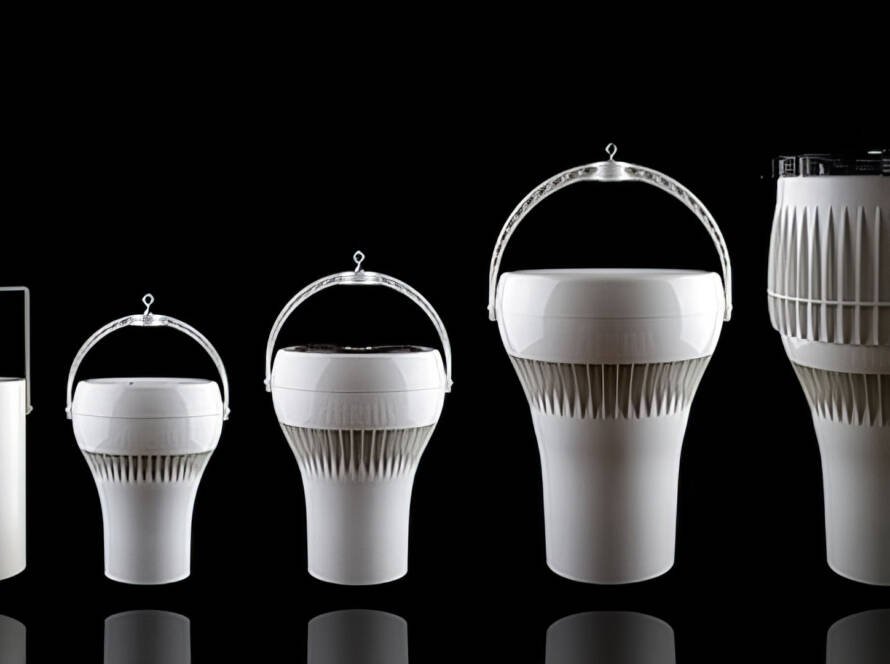
Destratification systems are designed to move air from ceiling to floor, helping maintain more consistent temperatures throughout the building and improving the effectiveness of existing HVAC systems.
By improving how air is distributed, facilities can stabilize indoor conditions and make better use of the energy already being used to heat or cool the space.
Learn more about improving airflow in commercial buildings
If your facility experiences uneven temperatures or ongoing comfort complaints, airflow distribution may be the underlying cause.
Learn more about airflow solutions for large commercial spaces:
https://airiusfans.com/products/
Or speak with our team about your facility:
https://airiusfans.com/contact/