Commercial HVAC systems are evolving beyond simple heating and cooling. In 2026, facility managers are increasingly focused on how buildings manage airflow, energy usage, and operational efficiency in real time.
As utility and operational costs continue to rise, many facilities are under increasing pressure to improve HVAC efficiency without taking on major infrastructure replacement projects. This has pushed airflow management and energy optimization higher on the priority list for building operators.
Why airflow matters more than ever
Many commercial buildings already have sufficient heating and cooling capacity. The problem is often how effectively conditioned air is distributed throughout the space.
In large buildings, uneven airflow can lead to:
- hot and cold spots
- HVAC systems running longer than necessary
- inconsistent indoor temperatures
- higher operating costs
Improving airflow distribution allows facilities to make better use of the heating and cooling they are already paying for.
How commercial HVAC is changing
Across the HVAC industry, there is growing emphasis on:
- energy optimization
- smart controls
- building automation integration
- operational efficiency
- indoor environmental consistency
Modern HVAC strategies are no longer focused only on generating conditioned air. They are increasingly focused on how that air moves throughout the building.
This shift is especially important in large facilities where airflow inefficiencies can significantly impact energy usage.
Why airflow distribution affects HVAC efficiency
When conditioned air does not circulate evenly, HVAC systems compensate by running longer to maintain target temperatures.
In cooling season, some areas remain warm while others become overcooled. In heating season, warm air often collects near the ceiling while cooler air remains at occupant level.
These imbalances increase runtime and energy consumption while reducing overall comfort.
Improving airflow distribution helps stabilize indoor temperatures and supports more efficient HVAC operation.
The growing role of smart building management
Building management systems are becoming more advanced, using sensors and automation to monitor temperature, occupancy, and equipment performance in real time.
As buildings become smarter, airflow management becomes more important because air distribution directly affects how efficiently HVAC systems respond to changing conditions.
The goal is not simply producing more heating or cooling — it is delivering consistent indoor conditions with less wasted energy.
Why airflow optimization is becoming a long-term strategy
Many facilities are looking for ways to improve HVAC performance without replacing entire systems.
Airflow optimization is increasingly viewed as a practical way to:
- improve temperature consistency
- reduce unnecessary HVAC runtime
- stabilize indoor conditions
- support long-term energy management goals
This is particularly important in:
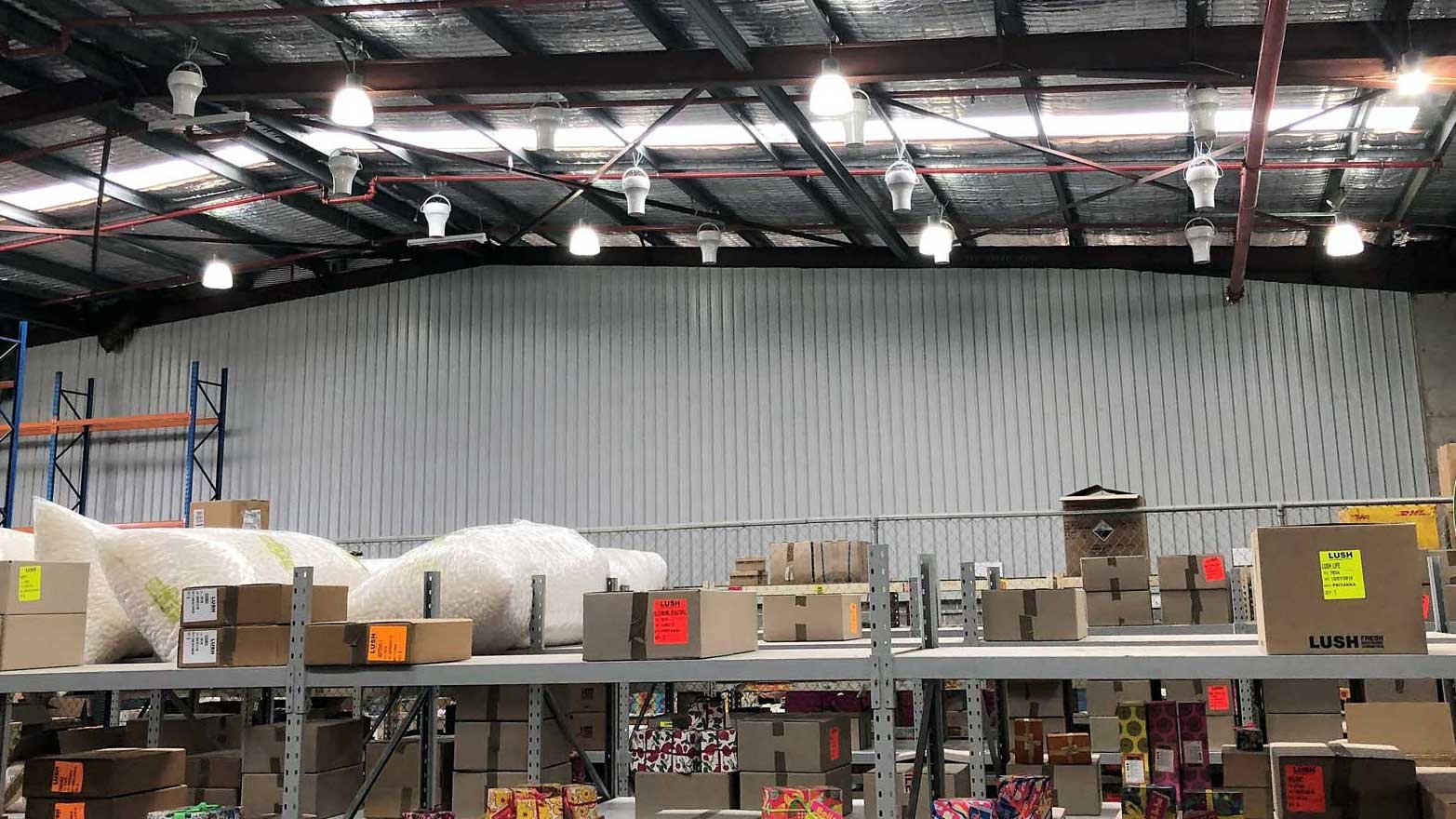
- warehouses
- manufacturing facilities
- gyms and athletic centers
- retail buildings
- schools and public spaces
These buildings often have large open layouts where airflow distribution plays a major role in comfort and efficiency.
The future of commercial HVAC is not just equipment — it’s airflow intelligence
As commercial buildings continue moving toward smarter energy management, airflow distribution will remain a critical part of HVAC performance.
Facilities that understand how air moves through their buildings are often better positioned to improve comfort, reduce waste, and support long-term operational efficiency.
Learn more about airflow solutions for commercial buildings
If your facility struggles with uneven temperatures, HVAC overuse, or inconsistent airflow, improving air distribution may be the next step toward better building performance.
Learn more about airflow solutions here:
Or speak with our team about your facility: