Agriculture

Botanical Gardens

Destratification Fans for Botanical Gardens

Improving Climate Control with Destratification Fans for Botanical Gardens

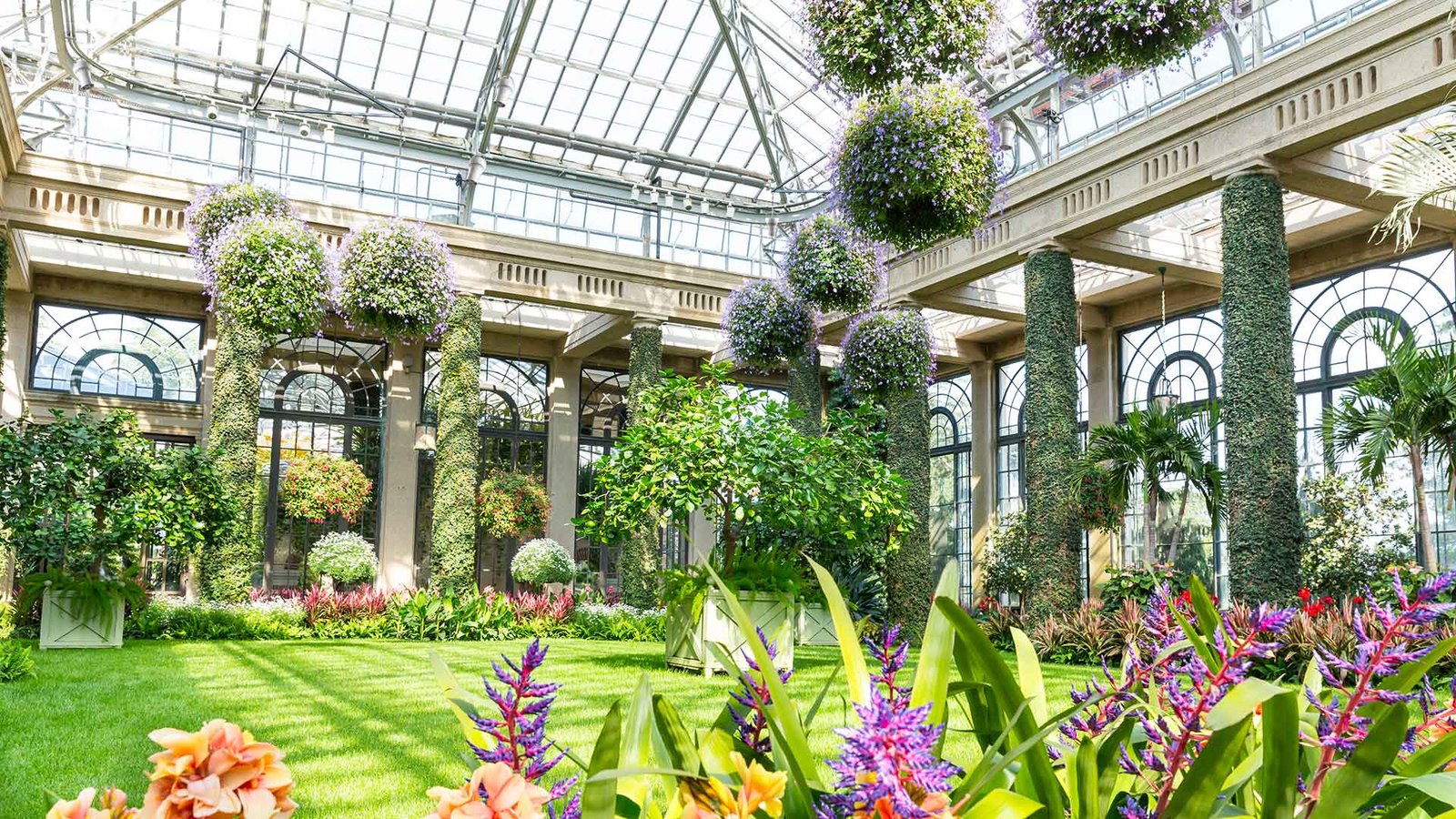
Indoor botanical gardens and conservatories create unique environmental challenges. Large glass structures, high ceilings, dense plant collections, irrigation, solar gain, and continuous plant transpiration can create significant temperature and humidity differences throughout the space. Consistent air movement is particularly important in these environments. Greenhouse research shows that proper circulation can improve temperature uniformity, reduce condensation on plant surfaces, and help prevent the humid microclimates that encourage diseases such as Botrytis and powdery mildew.

Airius fans can help botanical gardens circulate conditioned air throughout these large spaces while complementing existing heating, ventilation, and environmental-control systems.

Challenge

The Challenge

The challenge inside a botanical conservatory is not simply maintaining a thermostat setting. Conditions can vary dramatically from the floor and plant canopy to the upper portions of a tall glasshouse.

Warm air naturally rises and can accumulate near the roof, while cooler air settles around plants and visitor areas. At night, leaves and glazing can cool enough for moisture to condense. UMass greenhouse research notes that these temperature differences and cool spots can result in condensation, while continuous air movement helps keep leaf temperatures closer to surrounding air temperatures and reduces moisture accumulation on plant surfaces.

Dense foliage can create another challenge. Plant transpiration increases moisture immediately around leaves and within the canopy. Without sufficient circulation, these localized areas can remain humid even when overall greenhouse conditions appear acceptable. At the same time, botanical gardens cannot simply introduce aggressive airflow. Different plant collections may require different temperatures, humidity levels, and air velocities, making controlled circulation essential.

Solution

The Airius Solution

Airius fans can provide continuous, low-energy circulation throughout conservatories and indoor botanical gardens, helping mix large volumes of air and reduce temperature differences without relying solely on increased heating, cooling, or ventilation.

For botanical gardens, two Airius systems are particularly well suited.

Air Pear Series

Air Pear EC Series

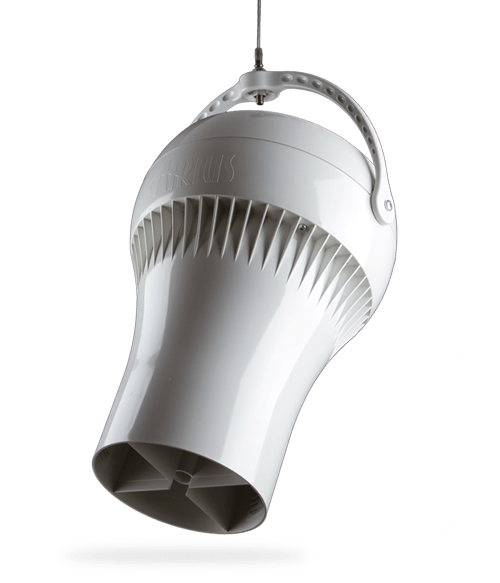
The Air Pear EC Series is the primary recommendation for botanical gardens and conservatories. Airius specifically identifies greenhouses as a recommended application for the Air Pear Series. Its focused columnar airflow can help return warm ceiling-level air toward plant and visitor areas while promoting circulation throughout the larger air volume. Multiple models accommodate ceiling heights ranging from approximately 15 to 100 feet, making the system adaptable to both smaller growing houses and large conservatory structures. Variable-speed EC motors and BACnet or 0–10V integration also allow airflow to be adjusted around different plant zones, seasonal conditions, and environmental requirements.
Designer Series

Designer EC Series

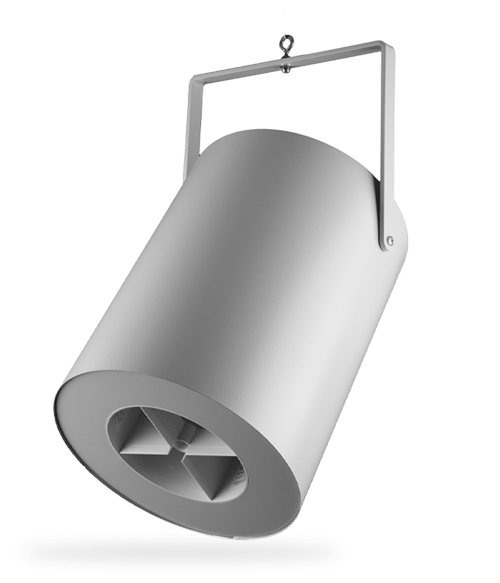
The Designer EC Series provides an alternative for public conservatories where architecture and visual integration are especially important. Designed for atriums and architecturally sensitive spaces, the Designer Series provides Airius airflow technology within a powder-coated aluminum housing that can be customized to complement the surrounding structure. Models are available for spaces with ceilings ranging from approximately 8 to 125 feet, making the series particularly suited to tall glasshouses, visitor atriums, and prominent display areas.
Results

Potential Results

A properly designed Airius installation could help reduce vertical temperature stratification, improve temperature uniformity throughout plant collections, reduce stagnant air within large conservatory spaces, and limit cold spots where condensation is more likely to develop.

Improved circulation around plant canopies may also help reduce prolonged leaf-surface moisture and humid microclimates associated with fungal disease while helping heating and cooling systems distribute conditioned air more effectively. Greenhouse research has found that continuous circulation can substantially reduce temperature differences and help eliminate stratification.

Temperature Control Can be A beautiful thing

Every botanical garden contains different plant collections, canopy densities, ceiling heights, glazing systems, humidity targets, and environmental zones. Airius fan selection, placement, and speed can be designed around those conditions to improve circulation without creating excessive airflow across sensitive plants or disrupting intentionally different growing climates.

The objective isn’t to make every part of the conservatory identical. It’s to give each plant environment more consistent control over the conditions it was designed to maintain.

Go with the flow

Sign up for our monthly newsletter and be the first to hear about new products, the latest news, and more!