Improving Comfort and Airflow with Destratification Fans for Breweries, Wineries & Distilleries
Breweries, wineries, and distilleries often combine production areas, storage spaces, tasting rooms, taprooms, and customer-facing hospitality spaces within the same facility. Each area can have very different heating, cooling, and airflow requirements.
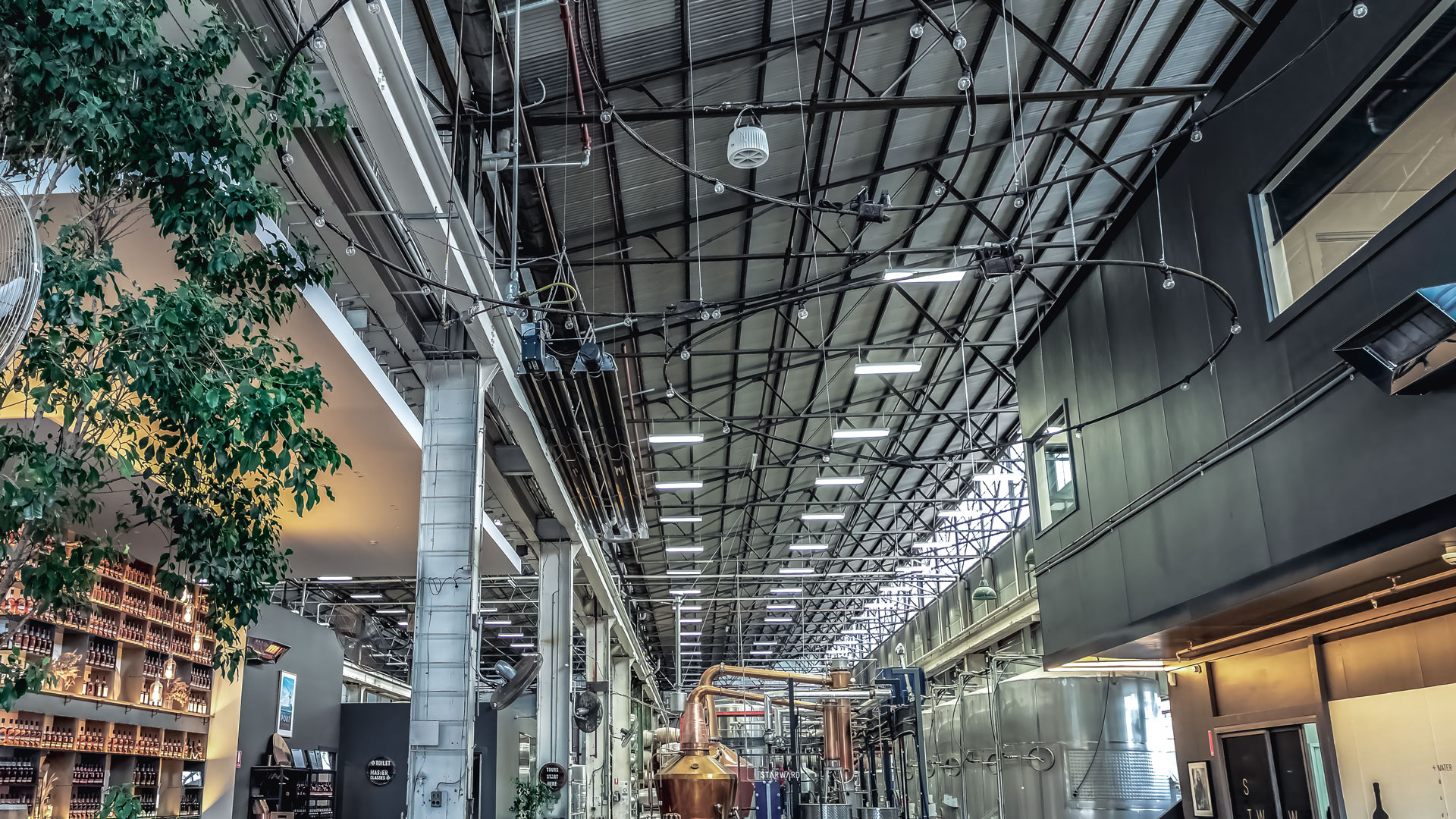
High ceilings, large production spaces, garage doors, expansive windows, and heat-generating equipment can create significant temperature differences throughout the building. Airius destratification fans can help redistribute conditioned air, improve comfort, and make better use of existing HVAC systems without disrupting day-to-day operations.
The Challenge
Craft beverage facilities are rarely simple environments to condition. Production and storage spaces may have tall ceilings where heated air collects overhead, while employees continue working in cooler conditions near the floor. Loading doors and large exterior openings can introduce substantial temperature swings, particularly during winter.
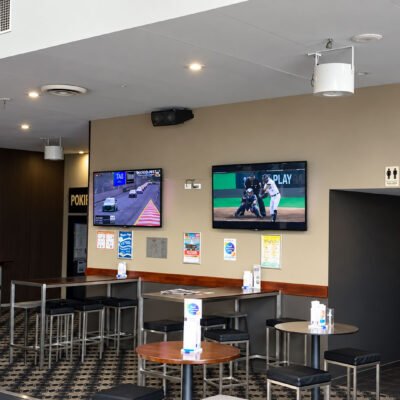
Taprooms and tasting areas present another challenge. Many breweries, wineries, and distilleries deliberately create open, industrial-style spaces with high ceilings, large windows, and garage doors connecting indoor and outdoor areas. These architectural features create an inviting atmosphere but can make temperature control difficult and increase heating and cooling demand.
The Brewers Association has also noted that breweries are mixed-use facilities with widely varying HVAC requirements, making individual zone control and efficient operation important components of brewery energy management.
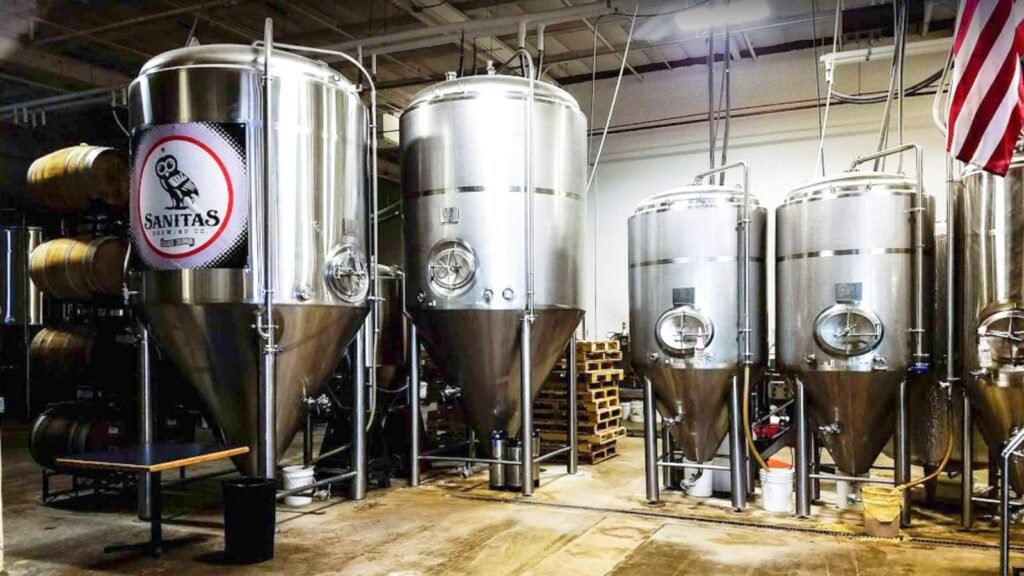
Sanitas Brewing Company in Boulder, Colorado experienced this problem in its 2,000-square-foot taproom. Expansive glass windows and garage doors contributed to uncomfortable winter conditions, while warm air generated by the heating system naturally accumulated above the occupied space.
The Airius Solution
Airius fans can provide controlled air circulation throughout production and hospitality areas, helping redistribute conditioned air instead of allowing it to remain concentrated near ceilings or in isolated portions of the building.
For breweries, wineries, and distilleries, two Airius systems are particularly well suited.

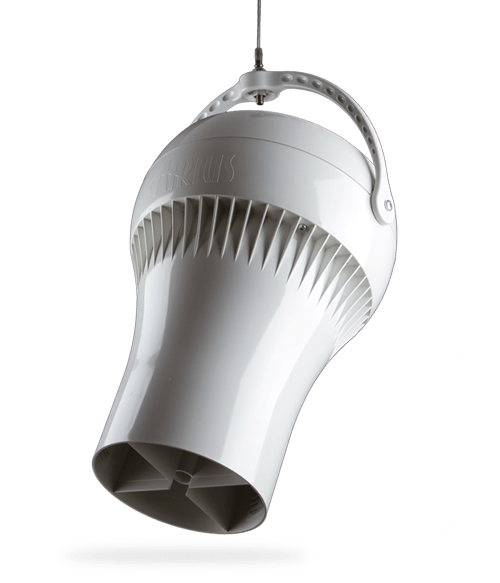
Air Pear EC Series
The Air Pear EC Series is ideal for production areas, barrel and case storage, packaging spaces, warehouses, and taprooms with high or exposed ceilings. Its focused columnar airflow helps return accumulated ceiling-level heat toward occupied areas while continuously circulating conditioned air throughout the space. Multiple models accommodate different ceiling heights and facility sizes, while variable-speed EC motors allow circulation to be adjusted according to seasonal conditions and room use. BACnet and 0–10V integration also allow Air Pear EC fans to operate alongside existing building controls. The Air Pear Series is the proven solution used at Sanitas Brewing Company.
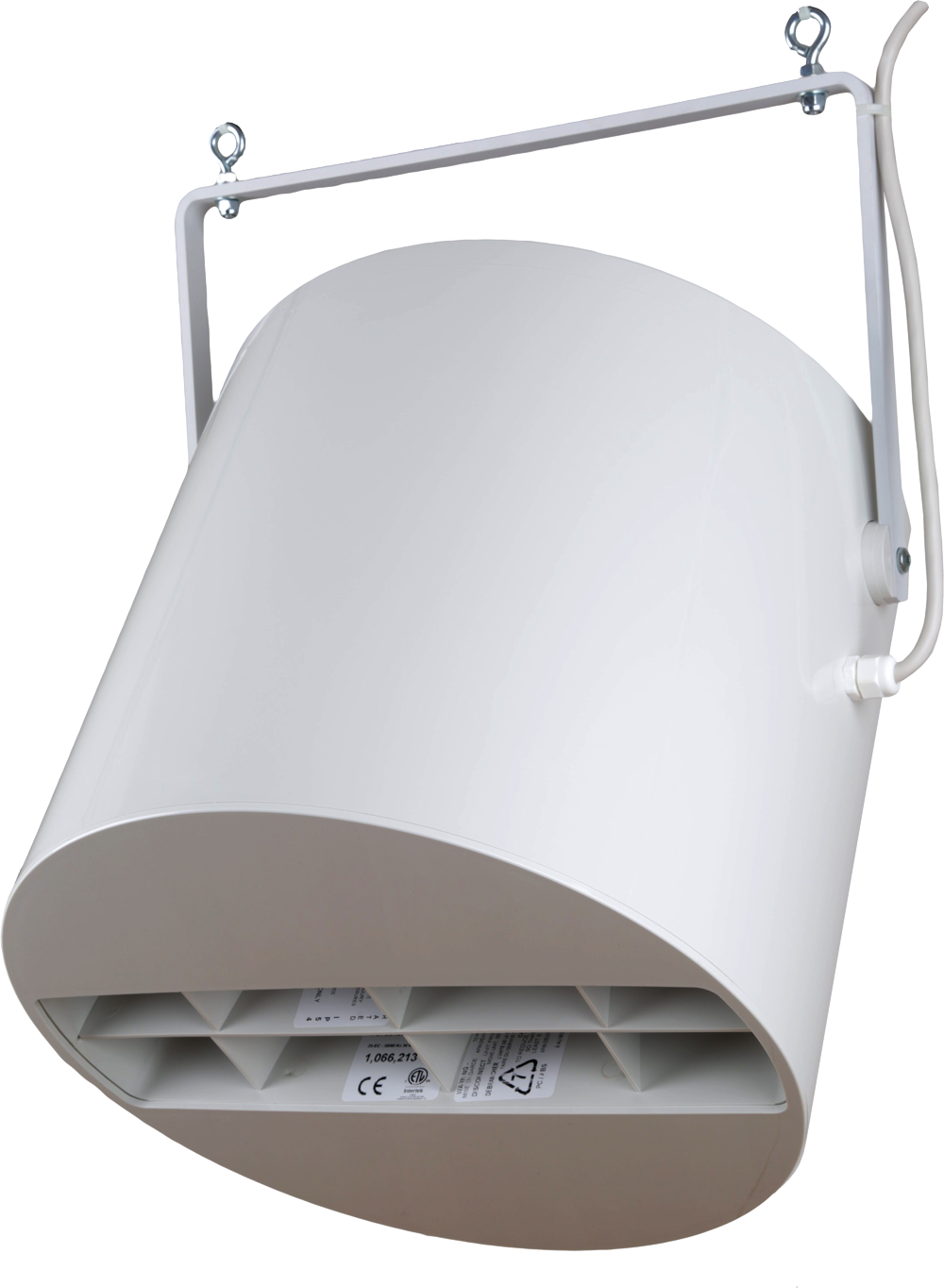
Retail EC Series
The Retail Series EC is particularly well suited for tasting rooms, taprooms, retail areas, restaurants, and other customer-facing spaces. Its compact design provides controlled circulation without dominating the interior, while standard and directional airflow configurations allow circulation to be matched to the room layout. Variable-speed EC operation can also help facilities adjust airflow as customer occupancy changes throughout the day. Airius identifies breweries, distilleries, restaurants, and hospitality environments among the applications suited to its Retail Series.
Potential Benefits
A properly designed Airius installation could help reduce floor-to-ceiling temperature differences, improve comfort for employees and guests, reduce stagnant areas, and help existing HVAC systems distribute conditioned air more effectively. In production and storage areas, improved circulation can help maintain more consistent ambient conditions throughout large spaces. In taprooms and tasting rooms, destratification can return heat trapped near high ceilings to the occupied zone during winter while improved circulation can help maintain comfort during warmer conditions.
Different fan models and control zones can also allow production, storage, and hospitality areas to operate according to their individual requirements rather than treating the entire facility as one environment.
Proven Results
Sanitas Brewing Company wanted to improve winter comfort inside its 2,000-square-foot Boulder taproom without sacrificing the open atmosphere created by expansive windows and garage doors.
Three Airius Model 25 Air Pear fans were installed at ceiling level to recirculate warm air that was accumulating above the occupied space. Installation took approximately 30 minutes per fan.
The effect was noticeable immediately. Sanitas CEO and Co-Founder Michael Memsic reported that the room became significantly more comfortable and that the heating system began operating considerably less from the day the fans were installed.
The project demonstrated that improving air distribution could increase guest comfort while reducing the amount of heating required to maintain conditions in the taproom.
Brew up some better airflow
Every brewery, winery, and distillery has different production processes, ceiling heights, storage requirements, hospitality areas, HVAC systems, and temperature zones. Airius systems can be selected and positioned around those conditions, using Air Pear fans in larger production and storage spaces and Retail Series fans where customer comfort and more targeted circulation are priorities.
Fan placement should also be coordinated with process ventilation and any areas subject to special electrical or hazardous-location requirements. The objective isn’t simply to heat or cool more air. It’s to make better use of conditioned air throughout the spaces where products are made, stored, and enjoyed.