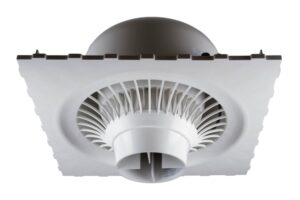
National Resource Management Inc. (NRM), a leader in energy solutions for industrial refrigeration, partnered with Airius to optimize energy usage in a cold storage warehouse with 36-foot ceilings. The facility had been relying on power-intensive 1–2 horsepower ventilation motors totaling 62 kW of load. These motors cycled every 7 minutes, consuming large amounts of electricity to maintain temperature control. By integrating Airius Air Pear fans as part of their controls strategy, NRM was able to extend motor cycle intervals and deliver significant reductions in energy usage—resulting in $42,000 in savings over just five months.
Challenge
The warehouse’s ventilation system relied on high-powered motors that ran frequently to keep temperatures stable throughout the space. Due to the natural thermal stratification in the 36-foot-tall facility, warm air would rise and collect at the ceiling while colder air settled at the floor. This uneven temperature distribution led to inefficient cycling of ventilation equipment, unnecessary energy waste, and higher operational costs. NRM needed a solution to balance air temperatures from floor to ceiling and reduce cycling frequency of the heavy-duty motors—all without compromising climate control in the cold storage environment.
Solution & Installation
NRM implemented a comprehensive energy-saving strategy that included installing 70 low-wattage Airius Air Pear destratification fans across the warehouse ceiling. These fans continuously recirculated the conditioned air, maintaining consistent temperatures throughout the facility. With destratification in place, NRM's controls were able to extend ventilation motor cycles from every 7 minutes to every 20 minutes, significantly cutting electricity usage. Each fan draws minimal power compared to the ventilation motors, which made the swap both efficient and cost-effective.
The installation required no modifications to existing infrastructure and seamlessly integrated with NRM’s advanced control systems. The result was a synchronized system that used precise temperature balance and automated cycling to optimize performance.
Results
The Airius + NRM solution achieved an average 33.28% reduction in energy usage and a total refrigeration savings of 60% over the first five months of operation. Energy use dropped by as much as 38.7% in January alone. The system generated a total of $42,000 in savings, proving the long-term value of destratification when paired with smart control technologies.
The data showed that daily energy consumption dropped significantly across all five months:
November: 22.88%
December: 35.52%
January: 38.72%
February: 38.38%
March: 30.90%
By replacing short-cycle, high-wattage ventilation with efficient, continuous destratification, the facility not only saved on utility costs but also reduced wear and tear on its equipment.
This case study proves how integrating Airius Air Pear Fans with NRM’s control systems can transform energy management in cold storage environments. By addressing thermal stratification at its core, the facility achieved better performance, reduced maintenance demands, and significant cost savings.
Learn More
Discover the benefits of the Airius Air Pear Series and how it can improve your cold storage space.
Commercial buildings are heading into heating season at a time when energy performance remains a major industry focus. U.S. electricity demand is forecast to reach record levels in 2026 and again in 2027, while commercial building standards continue to emphasize energy efficiency and system performance.
For facility managers, that makes pre-season HVAC evaluation especially important. Before adding heating capacity or making major equipment changes, determine whether the system you already have is being used effectively.
Start With the Building’s Temperature Profile
A thermostat only measures conditions at its location. In a high-ceiling facility, conditions can be very different 20, 30 or 40 feet above the occupied space.
During heating season, warmer air rises and can create a significant vertical temperature gradient. Before winter, measure temperatures at multiple heights and locations throughout the building. If temperatures near the ceiling are substantially higher than at floor level, the building may be producing enough heat but not distributing it effectively.
Long equipment runtime doesn’t automatically mean the heating system is undersized. Compare runtime with thermostat setpoints and temperature measurements throughout the space. If the occupied zone remains below setpoint while substantially warmer air collects overhead, simply increasing the thermostat can result in additional heating without addressing the temperature difference.
A real-world example can be seen at the Naval Surface Warfare Center, where Airius destratification fans were integrated with the facility’s existing electric heat pump system. The installation reduced heating-system runtime by 40%.
Supply location, return-air location, ceiling height and the physical layout of the building all affect how conditioned air moves. Racking, equipment, partitions and changes in building use can also alter circulation patterns. That means evaluating heating performance should include the space itself—not just the equipment producing the heat.
For manufacturing facilities in particular, high ceilings and large open areas can create additional air-distribution challenges.
Air circulation can also be integrated into a broader building-control strategy. Airius EC systems offer control options including 0–10V, BACnet MS/TP and Delta T temperature-based control.
The Airius Delta T Controller uses ceiling- and floor-level temperature sensors to vary fan speed based on the temperature difference between those locations. This allows destratification operation to respond to actual building conditions rather than relying on a fixed setting.
Before temperatures drop, establish a baseline. Check temperatures at multiple heights and zones, HVAC runtime, thermostat setpoints, operating schedules and areas with recurring temperature problems.
The objective is to determine whether the issue is heating capacity, controls, air distribution or another part of the system before investing in additional equipment.
Optimize What You Already Have
Improving building performance doesn’t always require adding HVAC capacity. In high-ceiling facilities experiencing temperature stratification, better air distribution can help make use of conditioned air that is already being produced.
Airius destratification systems are designed to integrate with existing HVAC systems and improve floor-to-ceiling air distribution.
Smarter Airflow with Destratification Fans for Indoor Pickleball
Indoor pickleball facilities combine high ceilings, large open court areas, and active occupancy, creating unique challenges for temperature control and player comfort. Many facilities are also built inside converted warehouses or other commercial spaces that were never designed for indoor recreation. Airius Fans can help improve air circulation, reduce heat buildup, and create more consistent conditions throughout the facility while supporting the existing HVAC system.
Challenge
The Challenge
Indoor pickleball facilities are increasingly being developed inside converted warehouses, distribution buildings, and other large commercial spaces. These buildings offer the ceiling height and open floor area needed for multiple courts, but they were rarely designed around the comfort requirements of an active indoor sports environment.
High ceilings can allow conditioned air to collect above the playing area while temperatures remain uneven at court level. During warmer months, large open spaces can also become difficult and expensive to cool. Adding more conventional HVAC capacity may increase operating costs without addressing how effectively air is moving through the building.
Solution
The Airius Solution
Airius fans can help improve air circulation throughout large indoor sports facilities by continuously moving air from ceiling level into the occupied court area.
Unlike large conventional ceiling fans, Airius technology creates a focused column of air designed to move efficiently from ceiling to floor. Strategically positioned units can help reduce temperature differences, improve air movement across playing areas, and allow existing HVAC systems to operate more effectively.
During cooler months, destratification can return accumulated warm air from the ceiling to court level. During warmer conditions, increased air movement can improve perceived comfort for players and spectators while reducing dependence on mechanical cooling.
For indoor pickleball facility, two Airius systems are particularly well suited.
Onyx EC Series
The Onyx EC Series would be particularly well suited to large pickleball facilities and converted warehouses where cooling and strong air circulation are priorities. Airius specifically recommends the Onyx Series for athletic facilities, and each standard Onyx EC can provide coverage up to approximately 2,000 square feet in spaces with ceilings up to 50 feet. Variable-speed EC motors also allow airflow to be adjusted according to occupancy and conditions.
The Q Series EC provides another strong option where acoustic performance is important. The Q Series was developed specifically for sound-sensitive environments while still providing effective air circulation in spaces with ceilings up to 50 feet. This could make it particularly useful around spectator areas, lounges, tournament spaces, or facilities where minimizing additional mechanical noise is a priority.
In either application, fan placement and speed would be determined according to rack layout, containment strategy, ceiling height, cooling configuration, and return-air locations. The objective is not to mix the entire data hall, but to improve airflow where it can enhance cooling-system performance.
Results
Potential Results
A properly designed Airius system could help maintain more consistent court-level temperatures, improve player and spectator comfort, reduce heat accumulation near high ceilings, support existing HVAC equipment, and improve overall air circulation throughout the facility.
Airius Can Be the Golden Pickle to Your Court
A properly designed Airius system could help maintain more consistent court-level temperatures, improve player comfort, reduce heat accumulation near high ceilings, support existing HVAC equipment, and provide more targeted airflow without installing large ductwork systems.
Every indoor sports facility has different ceiling heights, court configurations, HVAC systems, occupancy levels, and comfort requirements. Airius fan selection and placement can be designed around those conditions to provide airflow where it is most effective. For a building that was originally designed as a warehouse, smarter air circulation could help transform the space into an environment designed around the people now using it.
Smarter Airflow Management with Destratification Fans for Data Centers
Data centers generate enormous amounts of heat around the clock. As rack densities increase, maintaining predictable airflow and removing heat efficiently becomes increasingly important for equipment reliability, cooling performance, and operating costs.
Airius destratification fans offer data center operators another tool for managing air movement within large, air-cooled and hybrid facilities.
Challenge
The Challenge
Data center cooling depends on getting conditioned air where it is needed while efficiently returning heated exhaust air to the cooling system. Even with hot aisle/cold aisle configurations and containment systems, large facilities can experience airflow challenges including ceiling-level heat accumulation, localized hot spots, stagnant areas, uneven temperature conditions, and inefficient return-air movement.
When airflow is poorly controlled, cooling equipment may have to work harder to maintain acceptable rack inlet temperatures.
Solution
The Airius Solution
Airius fans can provide strategically controlled air movement to complement existing data center cooling infrastructure. Rather than simply increasing airflow throughout the room, Airius fans can be positioned and controlled to help address areas of heat accumulation and support the facility’s intended return-air strategy without compromising hot aisle/cold aisle separation.
For data center applications, two Airius systems are particularly well suited.
Onyx EC Series
Designed specifically for powerful air circulation and cooling applications, the Onyx EC Series is well suited to larger data halls and areas with significant heat loads. With coverage up to 2,000 sq. ft. per unit, variable-speed EC motors, and BACnet or 0–10V integration, airflow can be adjusted as operating conditions change.
For facilities requiring greater flexibility, the Air Pear EC Series offers multiple models for different ceiling heights and coverage requirements. Its focused columnar airflow, low-energy EC motors, and integration with building management systems allow airflow to be strategically introduced where it can support the existing cooling and return-air design.
In either application, fan placement and speed would be determined according to rack layout, containment strategy, ceiling height, cooling configuration, and return-air locations. The objective is not to mix the entire data hall, but to improve airflow where it can enhance cooling-system performance.
Results
Potential Results
A properly engineered Airius installation could help reduce ceiling-level heat accumulation, improve circulation within problem areas, support more effective return-air movement, reduce localized temperature variations, and complement existing CRAC or CRAH cooling systems.
By improving how air moves through appropriate areas of the facility, Airius fans may also create opportunities to optimize HVAC operation without immediately adding additional cooling capacity.
Let data flow without worry
No two data centers have the same rack density, ceiling height, cooling architecture, or airflow requirements. Airius can work with facility teams to evaluate airflow conditions and determine whether strategically placed destratification fans can complement the existing cooling infrastructure without interfering with established hot aisle/cold aisle containment.
The objective isn’t simply to move more air. It’s to move air where it needs to go.
Summer heat isn’t only an outdoor workplace concern. Warehouses, distribution centers, loading docks, and other large indoor facilities can also expose employees to high temperatures, particularly when workers are performing physical tasks in spaces that are humid or not climate controlled. For facility managers, managing indoor heat is about more than comfort. It’s an important part of maintaining a safe working environment.
Can warehouses become dangerously hot indoors?
Yes. Warehouses are among the indoor workplaces where heat exposure can become a concern. Large facilities may have limited climate control, significant heat entering through the building envelope, heat-generating equipment, or areas such as loading docks that are frequently exposed to outdoor conditions.
Physical work can further increase heat risk because employees generate additional body heat while lifting, moving, loading, and unloading materials.
What does OSHA say about heat in warehouses?
OSHA recognizes heat illness as a potential warehouse hazard and recommends that employers take steps to protect workers performing physical work in high ambient heat.
Those measures include:
Providing drinking water
Allowing rest breaks
Providing access to cool areas
Gradually acclimatizing new or returning workers to hot conditions
Training employees to recognize heat-related illness
Monitoring workers for signs of heat illness
Providing access to first aid and prompt medical attention
Ensuring warehouses are adequately ventilated
Heat is also included among the workplace hazards addressed through OSHA’s National Emphasis Program for Warehousing and Distribution Center Operations.
What increases the risk of heat illness in a warehouse?
Indoor temperature isn’t the only factor that determines heat risk.
Physical workload, humidity, access to cooler areas, air movement, and how accustomed an employee is to working in hot conditions can all play a role.
Certain parts of a warehouse can also experience very different conditions. Loading docks, trailers, mezzanines, production areas, and spaces without climate control may require additional attention during periods of extreme heat.
What role does ventilation and air circulation play?
Air movement can be one component of a broader heat-management strategy.
A 2026 study published in the Journal of Safety Research examined heat stress in warehouse loading docks and trailers during summer conditions. Researchers tested two different fan-based air circulation methods across 100 trailers and found that the improved circulation setup significantly reduced trailer heat index compared with the conventional single-fan approach.
The study reinforces an important point for facility managers: how air moves through a hot indoor environment can affect conditions within that space.
Does a warehouse need air conditioning to address indoor heat?
Not every warehouse is fully air conditioned, and installing or expanding air conditioning may not always be practical. Facility managers should instead evaluate the complete environment and determine which controls are appropriate for their specific workplace.
Ventilation and air circulation can be part of that strategy, alongside measures such as hydration, rest breaks, cool recovery areas, employee training, acclimatization, and monitoring. Fans should not be treated as a replacement for a comprehensive heat-safety program.
How can facility managers prepare for extreme heat?
Rather than waiting until employees begin experiencing heat-related symptoms, facilities can prepare before extreme temperatures arrive.
Start by identifying areas where employees are most likely to experience high heat, particularly locations involving strenuous physical work or limited ventilation.
Facility teams can then evaluate:
How effectively air moves through those areas
Whether workers have easy access to drinking water
Where employees can take breaks in cooler conditions
How new and returning employees are acclimatized
Whether supervisors and employees recognize signs of heat-related illness
How workers will receive prompt assistance if symptoms develop
Heat safety should be treated as an ongoing facility-management concern throughout periods of high temperatures.
Creating a Safer Warehouse During Extreme Heat
There isn’t one solution to indoor heat. Effective heat management requires understanding the conditions inside the facility and using appropriate controls to reduce worker exposure. For large warehouses and distribution centers, evaluating ventilation and air circulation can be an important part of that process.
Airius destratification and air circulation systems are designed to move air throughout large commercial and industrial spaces.
When a commercial building starts feeling too warm during the summer, the first assumption is often that the air conditioning system isn’t large enough.
Facility managers may begin looking into HVAC upgrades, additional rooftop units, or lowering the thermostat in an effort to improve comfort.
But before investing in more cooling capacity, it’s worth asking an important question:
Is the building actually lacking cooling—or is the conditioned air simply not reaching the areas that need it?
Why does a building feel hot when the air conditioning is running?
If your HVAC system is operating but employees or occupants still complain about the temperature, the issue may not be the air conditioner itself.
In many commercial buildings, conditioned air is not distributed evenly throughout the space. Some areas remain comfortable while others become noticeably warmer, creating the impression that the building needs more cooling.
This is especially common in facilities with:
High ceilings
Large open floor plans
Warehouses and distribution centers
Manufacturing facilities
Retail stores
Athletic facilities
Signs the problem may not be your HVAC system
Before assuming your air conditioning system needs to be replaced or expanded, look for these common signs:
Some areas of the building are comfortable while others are consistently warm.
The HVAC system runs for long periods but temperatures remain inconsistent.
Occupants in different parts of the building report completely different comfort levels.
The thermostat reaches its setpoint, but the building still feels uncomfortable.
Energy bills continue to increase without a noticeable improvement in comfort.
These symptoms often indicate that conditioned air is not being distributed effectively throughout the building.
Why lowering the thermostat isn’t always the answer
When a building feels warm, lowering the thermostat is a natural reaction.
However, if the underlying issue is uneven air distribution, lowering the thermostat often causes the HVAC system to run longer without solving the problem. Some areas become overcooled while others remain warm, increasing energy use without creating a more consistent environment.
Before increasing cooling output, it’s important to determine whether the cooled air is reaching the occupied space as intended.
How building design affects cooling performance
Large commercial buildings present unique airflow challenges.
High ceilings, open layouts, storage racks, production equipment, and interior partitions can all influence how conditioned air moves throughout a facility.
Even a properly sized HVAC system can struggle to maintain consistent temperatures if airflow is uneven.
Understanding how air moves through the building is an important part of improving cooling performance.
When should you consider an HVAC upgrade?
There are situations where additional cooling capacity is necessary. Aging equipment, undersized HVAC systems, or changing building usage can all justify an upgrade.
However, before making a significant capital investment, it’s worthwhile to evaluate whether airflow distribution is contributing to the problem.
Improving how conditioned air is circulated throughout the building may resolve comfort issues while allowing existing HVAC equipment to perform more effectively.
Start with the problem—not the equipment
Comfort issues do not always mean a building needs more air conditioning.
By identifying whether the challenge is cooling capacity or air distribution, facility managers can make more informed decisions, improve occupant comfort, and avoid unnecessary expenses.
Evaluating airflow before investing in new HVAC equipment can help ensure you’re solving the right problem.
Learn More About Airflow Solutions for Commercial Buildings
If your building struggles to maintain consistent temperatures during the cooling season, airflow distribution may be part of the solution.
When facility managers think about temperature issues, the first concern is often comfort. Employees complain about hot and cold spots, customers notice certain areas feel warmer than others, or one part of the building never seems to reach the desired temperature.
But uneven temperatures can impact much more than comfort. Across a wide range of industries, temperature inconsistencies can affect productivity, operations, inventory, customer experience, and overall business performance.
Understanding these hidden costs can help facilities identify problems before they become expensive consequences.
Employee Productivity and Workplace Comfort
Temperature is one of the most common workplace complaints. When employees are consistently too hot or too cold, it can affect concentration, increase distractions, and create dissatisfaction with the work environment.
Large facilities often experience significant temperature differences between work areas, particularly in buildings with high ceilings or large open floor plans. While the thermostat may indicate a comfortable setting, employees in certain areas may experience completely different conditions.
Maintaining more consistent temperatures throughout a building helps create a more comfortable environment for employees and supports day-to-day operations.
Customer Experience in Retail and Public Spaces
Temperature can influence how customers experience a space.
Retail stores, grocery stores, fitness centers, and other public facilities rely on creating comfortable environments that encourage customers to spend time in the building. If certain areas feel noticeably warmer or colder than others, it can negatively affect the overall experience.
While customers may not always identify temperature as the problem, they often notice when a space feels uncomfortable.
Inventory Protection in Temperature-Sensitive Facilities
For facilities that store temperature-sensitive products, consistency is critical.
Pharmaceutical warehouses, healthcare supply distributors, food storage facilities, and other specialized environments often have strict temperature requirements. Temperature fluctuations can create operational challenges, compliance concerns, and product quality risks.
Even minor temperature inconsistencies can become significant issues when inventory must be maintained within specific environmental conditions.
Product Quality and Manufacturing Operations
Many manufacturing processes depend on maintaining stable operating conditions.
Temperature fluctuations can affect production environments, equipment performance, and quality control efforts. While requirements vary by industry, maintaining consistent environmental conditions is often an important part of operational reliability.
Facilities that experience significant temperature variation may find it more difficult to maintain uniform conditions throughout the production process.
Higher Operating Costs
Uneven temperatures frequently cause HVAC systems to work harder than necessary.
When one area of a building remains uncomfortable, thermostats are often adjusted in an attempt to solve the problem. This can increase HVAC runtime without addressing the underlying issue.
As a result, facilities may consume more energy while still struggling with comfort complaints and temperature inconsistencies.
Why Do Uneven Temperatures Occur?
Many temperature issues are not caused by a lack of heating or cooling capacity. Instead, they result from how air moves throughout the building.
In facilities with high ceilings, large open spaces, or complex layouts, conditioned air does not always reach every area evenly. Warm air can accumulate overhead, while occupied spaces experience different conditions than intended.
Over time, these airflow imbalances create the hot and cold spots that facility managers encounter every day.
Looking Beyond the Thermostat
When temperature problems arise, adding more heating or cooling is not always the answer.
Before investing in larger HVAC systems or increasing energy usage, it is often worthwhile to evaluate how air is being distributed throughout the building. Improving air circulation and temperature consistency can help facilities create more comfortable environments while supporting operational goals.
Whether the concern is employee comfort, inventory protection, customer experience, or operating costs, maintaining consistent temperatures throughout a building is an important part of overall facility performance.
Learn More About Airflow Solutions for Commercial Buildings
If your facility experiences ongoing temperature inconsistencies, airflow distribution may be contributing to the problem.
Commercial HVAC systems are evolving beyond simple heating and cooling. In 2026, facility managers are increasingly focused on how buildings manage airflow, energy usage, and operational efficiency in real time.
As utility and operational costs continue to rise, many facilities are under increasing pressure to improve HVAC efficiency without taking on major infrastructure replacement projects. This has pushed airflow management and energy optimization higher on the priority list for building operators.
Why airflow matters more than ever
Many commercial buildings already have sufficient heating and cooling capacity. The problem is often how effectively conditioned air is distributed throughout the space.
In large buildings, uneven airflow can lead to:
hot and cold spots
HVAC systems running longer than necessary
inconsistent indoor temperatures
higher operating costs
Improving airflow distribution allows facilities to make better use of the heating and cooling they are already paying for.
How commercial HVAC is changing
Across the HVAC industry, there is growing emphasis on:
energy optimization
smart controls
building automation integration
operational efficiency
indoor environmental consistency
Modern HVAC strategies are no longer focused only on generating conditioned air. They are increasingly focused on how that air moves throughout the building.
This shift is especially important in large facilities where airflow inefficiencies can significantly impact energy usage.
Why airflow distribution affects HVAC efficiency
When conditioned air does not circulate evenly, HVAC systems compensate by running longer to maintain target temperatures.
In cooling season, some areas remain warm while others become overcooled. In heating season, warm air often collects near the ceiling while cooler air remains at occupant level.
These imbalances increase runtime and energy consumption while reducing overall comfort.
Improving airflow distribution helps stabilize indoor temperatures and supports more efficient HVAC operation.
The growing role of smart building management
Building management systems are becoming more advanced, using sensors and automation to monitor temperature, occupancy, and equipment performance in real time.
As buildings become smarter, airflow management becomes more important because air distribution directly affects how efficiently HVAC systems respond to changing conditions.
The goal is not simply producing more heating or cooling — it is delivering consistent indoor conditions with less wasted energy.
Why airflow optimization is becoming a long-term strategy
Many facilities are looking for ways to improve HVAC performance without replacing entire systems.
Airflow optimization is increasingly viewed as a practical way to:
improve temperature consistency
reduce unnecessary HVAC runtime
stabilize indoor conditions
support long-term energy management goals
This is particularly important in:
warehouses
manufacturing facilities
gyms and athletic centers
retail buildings
schools and public spaces
These buildings often have large open layouts where airflow distribution plays a major role in comfort and efficiency.
The future of commercial HVAC is not just equipment — it’s airflow intelligence
As commercial buildings continue moving toward smarter energy management, airflow distribution will remain a critical part of HVAC performance.
Facilities that understand how air moves through their buildings are often better positioned to improve comfort, reduce waste, and support long-term operational efficiency.
Learn more about airflow solutions for commercial buildings
If your facility struggles with uneven temperatures, HVAC overuse, or inconsistent airflow, improving air distribution may be the next step toward better building performance.
As temperatures rise, cooling costs quickly become one of the largest operating expenses for commercial buildings. This is especially true in facilities with high ceilings and large open layouts, where maintaining consistent temperatures can be difficult.
In many cases, high cooling costs are not just caused by HVAC capacity — they are the result of uneven air distribution throughout the space.
Why are large commercial buildings difficult to cool?
Large buildings present unique cooling challenges due to their size and air volume. High ceilings allow warm air to accumulate overhead, while conditioned air may not circulate evenly at the occupied level.
This can lead to areas that feel warm even when the air conditioning is running, forcing systems to operate longer to maintain setpoint temperatures.
Why does air conditioning struggle in warehouses and tall spaces?
In tall environments, airflow becomes a limiting factor. Conditioned air delivered through HVAC systems does not always reach all areas of the building evenly.
Without proper air movement:
Warm air can remain trapped near the ceiling
Conditioned air may stay localized instead of spreading
Temperature differences develop across the space
This makes it difficult for HVAC systems to cool efficiently.
How does air movement affect cooling efficiency?
Air movement plays a critical role in how effectively a building is cooled.
When air is evenly distributed:
Conditioned air reaches the entire occupied space
Temperature differences are reduced
HVAC systems can maintain comfort with less runtime
Without proper air circulation, cooling systems must work harder to compensate for uneven temperatures.
How can you reduce cooling costs without upgrading HVAC systems?
One of the most effective ways to improve cooling efficiency is to improve how air is distributed within the building.
Destratification systems help circulate air throughout the space, ensuring that conditioned air is not concentrated in one area while other areas remain warm. By improving air mixing, facilities can make better use of the cooling they are already paying for.
This approach focuses on optimizing performance rather than increasing capacity.
What are the signs of poor cooling distribution?
Buildings with airflow issues often show clear signs during warmer months, including:
Areas that feel warm even with air conditioning running
Uneven temperatures across different zones
HVAC systems running continuously
Higher-than-expected energy costs
Ongoing comfort complaints
These are typically indicators that air is not being distributed effectively.
Where improving airflow makes the biggest impact
Air distribution improvements are most effective in buildings with:
high ceilings
large open floor plans
significant cooling demand
limited natural air movement
Common examples include warehouses, manufacturing facilities, retail spaces, gyms, and schools.
A more efficient approach to cooling large spaces
Reducing cooling costs is not always about installing larger HVAC systems. In many cases, it is about improving how air moves throughout the building.
By focusing on air distribution, facilities can stabilize temperatures, reduce unnecessary system runtime, and improve overall efficiency during the cooling season.
Learn more about improving cooling efficiency in your building
If your facility struggles to maintain consistent temperatures during warmer months, airflow may be the underlying issue.
Many facility managers assume temperature problems are caused by HVAC systems that are too small or outdated. In reality, the issue is often not heating or cooling capacity — it’s how air moves through the building.
Air distribution problems are common in large commercial spaces, especially those with high ceilings or large open layouts. When airflow is uneven, some areas feel comfortable while others experience persistent hot or cold spots.
Recognizing the warning signs early can help facilities address comfort complaints, reduce energy waste, and improve overall HVAC efficiency.
Uneven temperatures throughout the building
One of the most common indicators of an air distribution issue is inconsistent temperatures from one area to another.
For example, offices near exterior walls may feel colder, while interior spaces feel warm. In large open environments like warehouses or gyms, some zones may feel comfortable while others remain noticeably cooler or warmer.
When temperatures vary widely within the same building, airflow circulation is often the underlying problem.
Warm air collecting near the ceiling
In buildings with high ceilings, warm air naturally rises and collects overhead. Without sufficient air movement to mix the space, heat remains trapped near the ceiling while cooler air stays closer to the floor.
This effect, known as air stratification, is especially common in:
warehouses and distribution centers
manufacturing facilities
gyms and athletic courts
retail stores
schools and public buildings
When warm air accumulates above the occupied level, heating systems must work harder to maintain comfort.
HVAC systems running constantly
If HVAC systems seem to run continuously without improving comfort, airflow distribution may be limiting their effectiveness.
When conditioned air does not circulate evenly, the system compensates by running longer to reach the desired temperature. This increases energy consumption and can lead to unnecessary wear on equipment.
Addressing airflow issues often improves overall system efficiency without requiring major mechanical upgrades.
Frequent temperature complaints from occupants
Persistent comfort complaints are another common signal of airflow imbalance.
Employees, customers, or occupants may report that the space feels too warm, too cold, or inconsistent throughout the day. These complaints are particularly common in buildings with large open areas where air is not evenly distributed.
Comfort issues can affect productivity, employee satisfaction, and the overall indoor environment.
Energy costs that seem higher than expected
When airflow is uneven, HVAC systems work harder to compensate. This can increase operating costs without delivering better comfort.
Facilities that notice rising heating or cooling costs — especially in large spaces — may benefit from evaluating how air moves throughout the building.
Improving air circulation can help ensure conditioned air reaches the occupied space rather than remaining trapped near the ceiling.
Improving air distribution in large buildings
Addressing air distribution problems often begins with improving how air circulates vertically throughout the space. In tall buildings, this typically means reducing temperature layering between the ceiling and the floor.
Destratification systems are designed to move air from ceiling to floor, helping maintain more consistent temperatures throughout the building and improving the effectiveness of existing HVAC systems.
By improving how air is distributed, facilities can stabilize indoor conditions and make better use of the energy already being used to heat or cool the space.
Learn more about improving airflow in commercial buildings
If your facility experiences uneven temperatures or ongoing comfort complaints, airflow distribution may be the underlying cause.
When evaluating air movement solutions for large commercial buildings, many facility managers compare HVLS fans and destratification fans. While both systems move air, they are engineered differently and deliver very different installation, operational, and integration outcomes.
Understanding those differences is critical when selecting the right solution for tall spaces.
How HVLS Fans Move Air
HVLS (High Volume, Low Speed) fans use large exposed blades to push air downward toward the floor. When that airflow hits the floor, it spreads outward in all directions. This outward movement creates what is commonly referred to as a floor jet.
When multiple HVLS fans are installed, their floor jets meet and create pressure zones that influence overall air movement. Proper spacing is essential to ensure performance.
How Destratification Fans Move Air
Destratification fans also move air downward and achieve floor-level airflow coverage. However, instead of using large exposed blades, they use engineered airflow patterns to create consistent vertical air mixing.
Air is moved from ceiling to floor, then gradually recirculates back upward, creating continuous mixing throughout the space. The result is controlled floor-to-ceiling temperature equalization without relying on oversized hardware.
Airflow is achieved across the floor area while maintaining full recirculation through the space.
Key Installation Differences
One of the most significant distinctions between HVLS and destratification systems is how they integrate into a building.
Destratification systems offer:
Hidden blades
Unobtrusive design
No lighting redesign requirements
No structural reinforcement
No guy wires
No protective nets or cages
No height installation restrictions
Compatibility with overhead cranes
Resistance to crosswinds
Single-phase power
Low noise operation
Multi-point system coverage
Full replacement warranty
HVLS systems, due to their size and exposed blade design, require greater structural consideration and ceiling clearance planning.
In facilities with cranes, sports courts, lighting grids, or architectural constraints, these differences become operationally significant.
Coverage Strategy: Large Blades vs. Multi-Point Distribution
HVLS fans typically rely on fewer, large-diameter units to cover wide open areas.
Destratification systems use a distributed, multi-point approach. Multiple smaller units work together to create balanced airflow throughout the entire building footprint.
This allows for better adaptability in complex layouts and more consistent vertical temperature control.
Maintenance and Practical Considerations
Destratification systems are designed to operate without yearly maintenance contracts, structural retrofits, or protective accessories. The absence of exposed blades reduces risk factors in active environments such as warehouses, athletic facilities, and manufacturing plants.
For facilities prioritizing operational simplicity and safety integration, these factors matter as much as airflow performance.
Which System Is the Better Choice?
YThe right solution depends on the building’s airflow problem.
If the goal is broad air movement for perceived cooling, HVLS fans may be considered.
If the goal is:
Correcting vertical temperature layering
Mitigating stratification
Improving HVAC distribution efficiency
Minimizing structural impact
Integrating cleanly into complex facilities
Destratification systems are engineered specifically for those objectives.
While both technologies move air, destratification systems are purpose-built to solve temperature stratification without introducing large mechanical structures into the space.
Choosing Based on Building Performance, Not Just Air Movement
Airflow performance is important — but so is how the system installs, operates, and integrates long-term.
In tall commercial buildings where stratification, safety, clearance, and structural simplicity are concerns, destratification provides a more adaptable and purpose-driven solution.
The new Sydney Fish Market is one of Australia’s most significant civic and architectural developments, combining world-class design with complex environmental performance requirements. Located on Sydney Harbour and designed as a high-traffic public destination, the building required an airflow solution that could support occupant comfort without compromising architectural intent.
Airius was engaged to deliver a discreet, effective air movement system capable of managing perimeter heat ingress, supporting air circulation through internal corridors, and integrating seamlessly within concealed ceiling spaces.
Challenge
Like many large civic buildings, the Sydney Fish Market presented several airflow and design challenges:
Heat ingress along the building perimeter
Air circulation through tight internal corridors and transition spaces
Architecturally sensitive areas where exposed mechanical systems were not acceptable
High public occupancy requiring consistent comfort
Limited ceiling space requiring concealed installation
Traditional exposed-blade fan systems were not suitable due to visual impact, safety considerations, and architectural constraints.
Solution & Installation
A total of 52 Airius Pearl EC fan units were supplied as part of a fully customized, concealed ceiling installation. The fans were carefully integrated into the ceiling design, creating an airflow solution that is virtually invisible to occupants.
Installed around the building perimeter, the system produces an airflow curtain effect that helps limit heat ingress while also supporting air circulation through internal corridors and transitional zones.This approach improves perceived comfort in high-traffic areas without relying solely on conventional air conditioning.
The compact design and concealed installation allow the fans to operate continuously in the background, supporting overall building performance while remaining visually unobtrusive.
Results
The completed system delivers several key benefits:
Reduced perimeter heat ingress through controlled airflow delivery
Improved air circulation in tight corridors and circulation spaces
Enhanced comfort in high-traffic public areas
Seamless architectural integration with no exposed fan elements
A discreet, low-impact solution suitable for landmark civic buildings
The fans are so effectively concealed within the ceiling design that they are difficult to locate on site, demonstrating how airflow performance can be achieved without visual compromise.
This project demonstrates how Airius fans can be customized and concealed to support airflow cooling, air circulation, and thermal control in architecturally sensitive environments. The Sydney Fish Market installation is a strong example of how air movement can enhance comfort and building performance without becoming a visible feature.
Learn More
Discover the benefits of the Airius Pearl EC Series and how it can improve your public space.
January is when many facilities take a hard look at winter energy bills. For buildings with high ceilings, one issue shows up repeatedly: heating costs continue to rise, but comfort at floor level doesn’t improve.
In most cases, the problem isn’t the heating system itself. It’s how air moves—or doesn’t move—inside the space.
Why are tall commercial buildings expensive to heat?
In tall buildings, warm air naturally rises and collects near the ceiling. This creates a temperature imbalance where heat stays overhead while occupied areas remain cold. HVAC systems respond by running longer to compensate, which increases energy use without fully solving the comfort issue.
This is common in warehouses, manufacturing facilities, gyms, retail spaces, and schools—anywhere with large volumes of air and high ceilings.
What is air stratification during heating season?
Air stratification is the layering of warm air at the ceiling and cooler air at floor level. During heating season, stratification becomes more pronounced because heated air is continuously pushed upward and stays there without proper mixing.
The result is wasted heat, uneven temperatures, and higher operating costs.
How do destratification fans reduce heating costs?
Destratification fans address the root cause of stratification by mixing warm air from the ceiling back down into the occupied space. When temperatures are more even from floor to ceiling, HVAC systems don’t need to run as long to maintain comfort.
In applicable buildings, destratification can reduce HVAC costs by up to 30% by improving heat distribution rather than generating more heat.
Are destratification fans worth it for warehouses and industrial buildings?
For tall, open buildings with significant heating loads, destratification is often one of the most cost-effective upgrades available. Unlike HVAC replacements or major system changes, destratification fans work alongside existing equipment and require minimal disruption to install.
Facilities often evaluate destratification when they need a practical way to lower heating costs without committing to a large capital project.
What are low-cost energy efficiency upgrades for commercial buildings?
When facilities search for ways to reduce operating costs, they often focus on equipment upgrades that deliver measurable results without complex integration. Destratification fits this category because it improves the performance of existing heating systems rather than replacing them.
By correcting how air is distributed, buildings can get more value from the energy they are already using.
Do destratification fans work with existing HVAC systems?
Yes. Destratification fans are designed to complement existing HVAC systems, not replace them. They help heating systems maintain target temperatures more efficiently by reducing temperature layering and minimizing overuse.
This makes them a practical option for facilities looking to improve performance without redesigning their HVAC infrastructure.
Where does destratification make the most sense financially?
Destratification delivers the strongest return in buildings with:
high ceilings
large open floor plans
consistent winter heating demand
Common examples include warehouses and distribution centers, manufacturing facilities, gyms and athletic centers, retail stores, schools, and other public buildings.
A smarter starting point for the new year
If January energy bills reveal uneven heating or higher-than-expected costs, the issue is often air distribution—not heating capacity. Destratification provides a way to address that imbalance directly, helping facilities reduce waste and improve efficiency moving forward.
The Notre Dame High School Theater in Lawrenceville, New Jersey, is a 1,200-seat auditorium designed to support high-level performances in a private, college preparatory school setting. When the school planned a new theater, they partnered with Encon Mechanical for a design-build solution that would deliver exceptional comfort, acoustics, and performance. Given the scale of the space and its architectural demands, Encon collaborated with Airius to develop an air movement strategy that would meet strict temperature and sound requirements. The result was an award-winning installation that earned an Excellence in Construction Award.
Challenge
The auditorium presented a significant HVAC challenge. With an average floor-to-ceiling height of 30 feet, the school required a minimal temperature gradient from the orchestra pit to the mezzanine. Traditional rooftop units posed two major problems. First, supplying air from that height risked severe stratification, leaving occupants uncomfortable. Second, throwing air 30 feet into the space created unwanted noise, which was unacceptable in a performance environment where acoustics are critical.
Encon needed a solution that could maintain uniform temperatures throughout the space while keeping sound levels extremely low.
Solution & Installation
To address these challenges, Encon worked with Airius to design a destratification strategy centered on twelve Airius Q Series EC fans. The selected layout utilized twelve Q-50-EC fans evenly spaced across the ceiling, where they blended seamlessly into the theater’s architecture without distracting from the visual design.
The overall system approach relied on three centrally located rooftop units supplying conditioned air at the lowest possible CFM, essentially bleeding air gently into the space. The Airius fans then quietly and efficiently moved that air down to occupant level, mixing it throughout the auditorium to eliminate stratification and drafts while preserving acoustic integrity.
Results
After installation, the performance of the system exceeded expectations. Air temperature and floor-level temperature were nearly identical, achieving the uniform environment the school required from front to back and from floor to mezzanine. Just as importantly, the system operated at a sound level comparable to a quiet library, ensuring no disruption to performances or events.
Both Notre Dame High School and Encon Mechanical were extremely satisfied with the outcome. The success of the project demonstrated how destratification fans can solve complex comfort and acoustic challenges in large, tall theaters, delivering consistent temperatures, quiet operation, and award-winning results.
Learn More
Discover the benefits of the Q Series and how it can improve your theater.
Air stratification is when warmer, less dense, air rises and collects near the ceiling while cooler, more dense, air settles at floor level. In tall spaces with minimal air movement, this creates a noticeable temperature difference between the upper and lower levels. This can be roughly estimated at 0.5 degree F per vertical foot. A stratified building is commonly overheated to keep comfortable temperatures at floor level. Reducing or eliminating overheating through destratification is a significant opportunity to reduce heating costs.
Why is stratification worse in winter?
Cold air infiltration, tall ceilings and overhead heating systems often lead to a large temperature differences between ceiling and floor. In addition, the large temperature delta between the underside of the roof deck and the outdoor air temperature promotes increased heat transfer. Without internal air mixing, the heat stays trapped overhead and heat losses can be accelerated. People feel cold below, even while the HVAC keeps running.
Do destratification fans work during heating season?
Yes, destratification fans mix ceiling air down into the occupied space. This reduces stratification and evenly balances the vertical temperature profile, reducing heating costs, and increasing comfort.
How do destratification fans reduce heating costs?
When temperatures are more even from floor to ceiling, HVAC systems don’t need to run as long to satisfy the thermostat at floor level. The reduction in ceiling level temperature slows the heat transfer through the upper portion of the walls and the ceiling. In applicable buildings, destratification can reduce HVAC costs by up to 30%.
Where should destratification fans be installed?
Destratification fans should be evenly distributed across the full space and sized appropriately to mix air from ceiling to floor. In large buildings, multiple fans work in concert to maintain consistent floor-to-ceiling temperatures as a distributed network
Common winter trouble areas include:
warehouse floors and aisles
manufacturing bays
gyms and athletic courts
retail sales floors
cafeterias, auditoriums, and other tall school spaces
Entrance lobbies, atriums or vestibules
Are destratification fans different from HVLS fans?
Yes. HVLS fans move large volumes of air slowly over broad areas. Great for providing an evaporative cooling effect. Destratification fans are designed specifically to correct floor-to-ceiling temperature layering in tall spaces while minimizing perceptible drafts.
Will destratification fans create drafts in winter?
No. Destratification is based on gentle, low-disruption air mixing. The goal is temperature balance and fans are often placed over circulation paths to minimize any air movement disruptions.
Can destratification reduce condensation in winter?
Yes. More consistent temperatures and better air mixing can reduce condensation issues that increase during shoulder seasons, especially around cold surfaces or temperature-sensitive areas. Destratification fans can often be used to help warm concrete slabs beyond the dew point to mitigate slip hazards. They can also be used in grocery applications to minimize condensation forming on glass display doors.
What buildings benefit most in winter?
Fifteen feet or taller, open buildings with heavy heating loads, overhead HVAC supply, and located in a cold climate including:
warehouses & distribution
Light industrial & manufacturing
gyms & athletic facilities
grocery & retail
schools & public spaces
These spaces are most prone to winter stratification.
What to do next
If you’re seeing cold floors, comfort complaints, and heat collecting at the ceiling, destratification is a direct fix.
As temperatures drop, many workplaces deal with cold spots, drafts, and uneven heating. These issues don’t just affect comfort—they directly impact how well people work.
Research has shown that when indoor temperatures are too cold or too warm, employees lose focus, make more mistakes, and complete tasks more slowly. Creating a consistent, comfortable environment during the winter is key to maintaining performance.
How Winter Temperatures Affect Productivity
Temperature plays a significant role in how employees perform. Cold environments have been shown to reduce worker concentration, slow task completion, and increase error rates. When people spend energy trying to stay warm, they have less energy available for focus and cognitive tasks.
Comfortable employees work more efficiently, stay engaged longer, and report fewer complaints—all of which matter during busy winter months.
Why Buildings Develop Cold Spots in Winter
Warm air rises, collecting near the ceiling while cooler air stays where people are working. Even when heating systems run constantly, the occupied level often stays cold. This leads to:
Cold spots around workstations
Higher energy bills from overworked HVAC systems
Reduced comfort and lower productivity
This is especially common in warehouses, manufacturing facilities, retail stores, gyms, and other buildings with tall ceilings.
How Airius Fans Help Maintain Comfortable Temperatures
Airius destratification fans gently bring warm air down from the ceiling and mix it with the cooler air below. This creates stable, even temperatures throughout the building—without relying on additional heating.
Key benefits include:
More consistent comfort
Less strain on HVAC equipment
Reduced hot and cold spots
Better working conditions for employees
Explore the Airius Fans product lineto find the best option for your space.
A stable indoor temperature isn’t just a comfort upgrade—it’s a productivity tool. When employees aren’t distracted by cold conditions, they stay focused, work more efficiently, and feel better throughout the day.
Keep Your Team Comfortable This Winter
As winter settles in, creating a comfortable work environment becomes essential. Airius destratification fans make it easy to maintain consistent temperatures, support productivity, and reduce unnecessary heating costs.
Request a quote today to learn how Airius can help your team stay warm and productive all winter long.
As temperatures drop and heating systems start up, many facilities face the same seasonal challenge: keeping indoor environments warm without driving up energy costs. In large or tall spaces, this becomes even more difficult—warm air naturally rises to the ceiling, leaving employees and customers below feeling cold while the HVAC system works overtime.
Airius destratification fans provide a simple, effective way to prepare for winter. By circulating warm air evenly from ceiling to floor, they reduce wasted energy, balance temperatures, and keep everyone comfortable.
Why Facilities Overspend on Heating Each Winter
In most buildings, heat produced by furnaces or HVAC systems collects near the ceiling. To compensate, systems run longer and harder to try to warm the occupied level. This overuse increases utility costs and shortens equipment lifespan—all while comfort remains inconsistent.
Without destratification, temperature differences of up to 10°F–20°F between the floor and ceiling are common in tall spaces like warehouses, gyms, and retail stores. That wasted heat translates directly into wasted money.
How Destratification Fans Improve Heating Efficiency
Airius destratification fans gently recirculate warm air trapped near the ceiling down to the occupied level, maintaining uniform temperatures throughout the space. This not only reduces the strain on HVAC systems but also creates a more comfortable environment for everyone inside.
Research has shown that employees working in temperature-stable environments are more focused, make fewer mistakes, and complete tasks faster compared to those in spaces that are too hot or too cold. By maintaining comfortable, consistent temperatures, facilities not only save on energy but also support higher productivity and morale.
In real-world installations, destratification fans have helped facilities lower HVAC run times, stabilize temperature differences, and reduce energy costs—all while improving overall comfort.
Maximize Savings with Delta T Fan Control
For facilities looking to take energy management one step further, the Delta T Fan Control automates destratification fan operation. The system continuously monitors temperature differences between the ceiling and floor, adjusting fan speed to maintain optimal conditions.
This smart control prevents excessive HVAC use, reduces wear on equipment, and ensures consistent comfort throughout the day. Together, Airius destratification fans and Delta T controls create an efficient, low-maintenance solution for managing heating costs.
Why Now Is the Best Time to Prepare
Installing destratification fans before the coldest months ensures immediate results when heating systems are running most often. With quick installation and measurable performance improvements, Airius fans begin delivering savings from day one.
From warehouses and retail stores to schools and manufacturing facilities, Airius destratification fans help reduce heating costs, balance temperatures, and maintain year-round comfort.
The Bottom Line: Comfort That Pays Off
Preparing for heating season doesn’t have to mean higher energy bills. Airius destratification fans make it easy to improve comfort and efficiency throughout your facility while supporting productivity and reducing operational costs.
Request a quote today to learn how Airius can help your building stay warm, efficient, and productive this winter.
Medically Correct, the producer behind the Incredibles line of cannabis-infused sweets and chocolates, needed a way to improve temperature consistency and airflow in their 6,300 sq. ft. grow room. Uneven air distribution was creating hot and cold zones, which stressed plants and affected both yield and quality. To achieve optimal growing conditions, the team turned to Airius Air Pear Fans for an energy-efficient destratification solution.
Challenge
The grow room featured 17-foot ceilings, which caused significant temperature stratification—up to 15–20°F difference from floor to ceiling. This uneven environment made it difficult to maintain stable growing conditions, leading to plant stress and reduced flower development. Maintaining uniform airflow and consistent temperatures was critical to maximizing both plant health and production efficiency.
Solution & Installation
Medically Correct installed fourteen (14) Airius Model A-45-P4 fans throughout the grow room. The fans were strategically positioned to mix the air evenly from ceiling to floor, ensuring consistent temperatures across the entire space. Their compact design and low energy consumption made them ideal for the controlled environment of a cannabis grow facility.
Results
After installation, temperature differences dropped from 15–20°F to within just 1°F throughout the space. According to head grower Christopher Keller, the fans made a dramatic impact: maintaining even temperatures eliminated plant stress, improved overall health, and led to greater yields and higher-quality crops.
The fans have allowed us to more easily maintain even temps which has resulted in much greater plant health and completely eliminated any stress that was caused by the fluctuation of temperatures. As a result, our yields and quality have increased.
- Christopher Keller, Head Grower
The Airius Air Pear Fan installation at Medically Correct demonstrates how effective destratification can transform indoor growing environments—boosting plant vitality, consistency, and profitability while reducing the strain on HVAC systems.
Learn More
Discover the benefits of the Airius Air Pear Series and how it can improve your grow room.
Running a grocery store comes with unique climate challenges. From keeping customers comfortable to protecting equipment, air circulation plays a direct role in both the shopping experience and profitability. Without proper airflow, stores face issues like fogging freezer doors, uneven temperatures, and increased energy costs.
That’s where Airius destratification fans come in. Purpose-built for retail environments, they solve comfort and efficiency challenges while helping stores protect their bottom line.
The Comfort Challenge in Grocery Retail
When customers step into a store, they expect a consistent, pleasant shopping environment. But air naturally stratifies—warm air rises and cooler air sinks—leading to hot and cold spots throughout aisles.
For grocery stores, this imbalance creates problems such as:
Uncomfortable aisles that discourage shoppers from lingering
Condensation on refrigerated cases, making products harder to see
Higher energy bills, as HVAC systems work overtime to balance the space
How Destratification Fans Help Grocery Stores
Airius destratification fans gently circulate air from ceiling to floor, creating even temperatures and reducing the strain on HVAC systems. For grocery stores, this means:
Clearer refrigeration cases → no fogging, better product visibility
Consistent comfort for customers and staff → warmer checkout areas and balanced aisles
Energy savings → less HVAC runtime without sacrificing comfort
Real-World Results
In real-world installations, Airius destratification fans have reduced condensation on refrigerated cases and stabilized aisle temperatures, leading to a more pleasant shopping experience and lower energy costs.
Airius Fans Designed for Retail
The Retail Series from Airius was engineered with supermarkets in mind. Featuring a sleek, narrow design, these fans fit easily into tight aisle layouts without disrupting the customer experience. Quiet operation ensures shoppers and staff notice the comfort—not the equipment.
For stores looking to improve air quality as well as comfort, the PureAir Series adds ionization technology that helps neutralize odors and keep the air cleaner.
The Bottom Line: Better Air, Better Business
For grocery retailers, air circulation isn’t just about comfort—it’s about profitability. From reducing condensation to lowering energy costs, destratification fans create measurable improvements that directly support sales.
Request a quote today to learn how Airius fans can help your grocery store deliver a better shopping experience while protecting your bottom line.
In August, some facilities are still battling intense heat during the day, while mornings and evenings begin to cool. These temperature swings can make it difficult to keep indoor environments comfortable without overspending on energy.
Large, tall spaces face an added challenge: air naturally stratifies, creating hot and cold spots that make HVAC systems work harder. Airius Air Pear Series destratification fans solve this problem year-round—helping you cool efficiently in summer and stay comfortable during the colder months.
The Seasonal Challenge: Temperature Swings in Large and Tall Spaces
Temperature fluctuations throughout the day cause uneven comfort. In heating season, warm air collects near the ceiling while cooler air remains at occupant level. In cooling season, cooler air can become trapped above, leaving workers or customers feeling warm despite the air conditioning running.
When your HVAC system has to overcompensate for these imbalances, energy use and costs rise. The result is wasted energy, uneven comfort, and reduced efficiency.
How Destratification Fans Improve Cooling and Heating Efficiency Year-Round
Cooling Season Benefits: Wind Chill Effect for Greater Comfort
In summer, Airius destratification fans circulate conditioned air evenly throughout the space, ensuring consistent temperatures from floor to ceiling. They also create a wind chill effect—gentle air movement across the skin that makes occupants feel cooler than the actual thermostat setting. This allows facilities to raise the thermostat a few degrees without sacrificing comfort, significantly reducing cooling costs.
Heating Season Benefits: Recirculating Warm Air for Comfort and Productivity
During colder months, destratification fans move warm air from the ceiling back down to occupant level, reducing temperature differences throughout the space. This improves comfort and can boost productivity—cold environments have been shown to reduce worker concentration, slow task completion, and increase error rates. Maintaining a stable, comfortable temperature helps keep staff focused and efficient.
Why the Air Pear Series is the Best Year-Round Destratification Fan
The Air Pear Series is Airius’ flagship destratification solution, engineered for performance in both cooling and heating seasons. Key advantages include:
Energy savings through reduced HVAC run time.
Quiet operation for minimal disruption in any environment.
Flexible mounting options to fit a wide range of ceiling heights and layouts.
Proven results in industries like warehousing, retail, and education.
From high-ceiling warehouses to complex commercial spaces, the Air Pear Series delivers measurable comfort and efficiency year after year.
Proven Results in Real Facilities
In real-world installations, Airius destratification fans have reduced temperature differences from ceiling to floor, lowered HVAC run times, and improved occupant comfort. For example, a large warehouse installation achieved consistent air mixing that not only reduced energy costs but also created a more comfortable working environment for employees.
Plan Ahead for Every Season
Installing destratification fans now ensures your facility is prepared for the tail end of summer heat and the cooler months ahead. One investment delivers:
The historic Temple Cinema in Houlton, Maine, has been a beloved part of the community since it was built in 1918. When lifelong movie enthusiast Charlie Forier purchased the two-screen theater, he was determined to preserve its charm while enhancing guest comfort—especially during Maine’s cold winters. After discovering that the building’s heating system left large parts of the space chilly, he turned to Airius Air Pear Fans for a solution that would balance temperatures without impacting the theater’s quiet ambiance.
Challenge
The cinema relied on baseboard hot water radiators, all located at the front of the auditoriums. During winter, most of the warm air rose and became trapped behind large architectural beams running across the ceiling, leaving moviegoers seated toward the back—or in the cozy balconies—feeling cold. Patrons were even known to bring blankets from home just to stay warm through a movie.
Charlie needed a way to circulate warm air throughout the theaters, especially to the back rows and upper levels, without disrupting the acoustics or visual experience for guests.
Solution & Installation
To address the problem, Charlie installed two Airius Model 15 Air Pear fans, positioning them on the bottom of the front beams and angling them back to move warm air up the aisles. The fans were selected for their ability to deliver effective destratification in ceiling heights of 15–18 feet, which matched the dimensions of the auditoriums.
The fans’ quiet operation was critical—they blended seamlessly into the space, delivering noticeable results without producing noise that could interfere with the movie experience.
Results
After installation, guests quickly noticed the difference. The previously cold seats in the back of the theaters and balcony areas became much more comfortable, and patrons no longer needed to bring extra layers or blankets to stay warm. The warm air was evenly circulated throughout the auditoriums, greatly improving the overall comfort level for moviegoers.
Although it was too early to measure definitive energy savings, Charlie believed the Airius system would help significantly reduce heating costs, which are substantial during winters in northern Maine.
The success of the Airius Air Pear Fan installation at Temple Cinema shows how destratification can make a meaningful impact in older buildings with uneven heating. Forier was able to preserve the historic charm of the theater while improving comfort and potentially lowering energy costs—all without disturbing the viewing experience.
Learn More
Discover the benefits of the Airius Air Pear Series and how it can improve your theater.
Managing indoor comfort during late summer can be a challenge — especially in large facilities, gyms, schools, and manufacturing spaces. But the solution isn’t always turning up the air conditioning. Strategic airflow can dramatically improve temperature balance, reduce energy usage, and make your existing HVAC system work more effectively.
Here’s why that matters now — and how it sets you up for savings well into the cooler months.
Why Air Circulation Becomes Critical in Late Summer
As heat continues to build through August, buildings often experience temperature layering, also known as thermal stratification. Warmer air collects near the ceiling while cooler air stagnates closer to the floor, leading to:
Uneven temperatures across zones
Overworked HVAC systems
Discomfort for employees, customers, or students
This is especially common in buildings with high ceilings or large open spaces — like gymnasiums, warehouses, or production floors.
The Role of Destratification Fans in Seasonal Energy Efficiency
Destratification fans are designed to continuously mix air from ceiling to floor, creating a more stable and balanced environment. This helps:
Maintain consistent temperatures
Improve occupant comfort
Reduce HVAC runtime and energy costs
Unlike traditional ceiling fans, destratification units are optimized for large-scale performance, and many models — like the Onyx Series — feature fully enclosed housings for added safety and flexibility.
Case in Point: Manufacturing Facility Reduces Temperature Swings by 10°F
A Midwest manufacturing plant recently addressed ongoing temperature complaints from its workforce. Hot and cold spots made it difficult to maintain comfort, particularly during seasonal transitions.
After installing airflow solutions throughout the facility, they reported:
Up to 10°F improvement in temperature consistency
Noticeable improvement in employee comfort
Decreased HVAC usage during peak demand periods
This kind of real-world impact shows how effective air circulation can be — not just for immediate relief, but for ongoing energy management.
Planning Ahead: Airflow Isn’t Just a Summer Fix
While airflow solutions are often implemented to combat summer heat, they’re just as important in fall and winter. As outside temperatures drop, destratification fans push rising warm air back down into the occupied zone — helping retain heat and reduce heating costs.
If you’re evaluating ways to improve comfort and efficiency now, it’s worth considering solutions that perform year-round.
What to Consider When Choosing an Air Circulation System
To get the most out of your airflow strategy, consider:
Space size and ceiling height
Zones with known hot or cold spots
Existing HVAC layout and ductwork
Safety features, such as enclosed designs
Available control options for automation or seasonality
Systems like the Onyx Series offer a range of sizes suitable for various commercial applications, from office spaces to large manufacturing environments.
Final Thoughts
Late summer discomfort doesn’t need to be the norm — and over-relying on HVAC systems isn’t always the answer. By focusing on air movement and destratification, facilities can improve comfort, reduce energy consumption, and extend the life of their heating and cooling systems.
Whether you’re responding to current heat or planning ahead for colder weather, strategic airflow is one of the most effective, low-impact ways to take control of your indoor climate.
At Airius, we’ve always been committed to producing air circulation products that stand up to the toughest environments and the highest expectations. That’s why, starting July 7, 2025, all Airius fan models will now feature ABS (Acrylonitrile Butadiene Styrene) plastic housings and stainless steel hardware.
These upgraded materials represent a deliberate engineering decision, made to improve long-term durability, reliability, and performance. Here’s what makes these changes a better solution—for both our products and your projects.
Upgraded Hardware: Why Stainless Steel?
Stainless steel isn’t just known for its shine. It brings critical performance advantages for long-term use, particularly in demanding environments:
Exceptional Corrosion Resistance: Stainless steel contains chromium, which forms a passive oxide layer that resists rust. This is ideal for installations in humid, wet, marine, or chemically aggressive environments.
Mechanical Strength: Stainless steel offers an excellent strength-to-weight ratio and maintains its mechanical properties at both low and high temperatures.
Low Maintenance & Long-Term Reliability: Unlike zinc-plated or untreated steel, stainless steel resists staining and corrosion without coatings or frequent upkeep.
Sustainability: It’s fully recyclable and contributes to long-lasting, environmentally responsible infrastructure.
Where it matters: We’ve upgraded all screws, eyebolts, washers, and nuts across every fan series. These are often the first components to degrade in harsh conditions—our stainless steel versions are built to last.
New Housing Material: Why ABS Plastic?
We’re replacing our previous PC/ABS blended plastic with pure ABS (Acrylonitrile Butadiene Styrene)—a tough, thermoplastic polymer used in automotive parts, protective housings, and industrial applications.
Here’s why:
Improved Chemical Resistance: ABS performs better in environments with exposure to oils, alkalis, and many common cleaning chemicals. This makes it ideal for light industrial, retail, and commercial settings.
Recyclability & Lifecycle Management: ABS is easier to recycle than blended plastics and can be separated more cleanly during material recovery processes.
Temperature Performance: ABS maintains its properties in a wide range of operating conditions and remains stable during thermal cycling.
What This Means for You
These upgrades are part of our long-term commitment to creating high-performance fans that:
Last longer in challenging environments
Require less maintenance over time
Offer a more refined and consistent appearance
Align with modern sustainability and quality standards
The switch to ABS and stainless steel may seem like a small change, but it’s rooted in material science and years of product experience. These changes give you a more durable, reliable product—one that’s built for the long haul.
Want to learn more about how these upgrades benefit your application?
When selecting the right electrical configuration for a building or facility, understanding the differences between single-phase and three-phase systems is essential—especially when working with voltages like 208V and 277V. While single-phase 208V is a common and practical choice for smaller applications, 277V systems also play an important role, especially in commercial and industrial environments.
This article breaks down the advantages of single-phase 208V systems and then compares 277V single-phase vs. 277V three-phase power, focusing on how each system functions and where it’s best applied.
Benefits of Single-Phase 208V Systems for Smaller Loads
Simpler Installation and Lower Setup Costs
Single-phase systems are easier to install for smaller loads. They require less equipment and fewer wiring connections than three-phase systems. This makes them a practical choice for residential, light commercial, and retrofit applications.
Lower Equipment Costs
The components needed for single-phase power—transformers, circuit breakers, and wiring—tend to be less expensive than those required for three-phase systems. This makes single-phase 208V ideal for applications such as:
Lighting systems
Small HVAC units
Residential and small commercial appliances
Smaller motors and pumps
Simplified Equipment and Maintenance
Single-phase setups use fewer components, which simplifies both installation and maintenance. Fewer points of failure also mean easier troubleshooting and shorter repair times.
Efficiency for Light-Duty Use
For low-energy consumption or light-duty applications, a single-phase system can be more energy-efficient, as it avoids the unnecessary infrastructure associated with three-phase systems.
Compact, Space-Efficient Equipment
Equipment designed for single-phase 208V is generally more compact, making it easier to install in tight or constrained spaces.
277V Single-Phase vs. 277V Three-Phase Power: What’s the Difference?
While 208V single-phase power is well-suited for small applications, 277V systems are also commonly used in commercial and industrial settings. Here’s a breakdown of the differences between 277V single-phase and 277V three-phase voltage systems:
1. 277V Single-Phase Voltage
Configuration: Supplied through a single hot wire and a neutral wire. The voltage between the hot and neutral is 277V.
Common Uses: Often used in lighting circuits for commercial and industrial buildings, especially for powering fluorescent and LED systems efficiently.
Voltage Measurement: In a split-phase system, the voltage between the two hot legs is 480V; line-to-neutral is 277V.
Characteristics: While effective for lighting and small equipment, single-phase 277V is less efficient for transmitting large power loads and is rarely used for large motors or machinery.
2. 277V Three-Phase Voltage
Configuration: Utilizes three hot legs (conductors), each with a 120° phase shift.
Voltage Measurement:
Line-to-line: 480V
Line-to-neutral: 277V
Common Uses: Powering large motors, HVAC systems, and heavy industrial equipment due to the balanced power delivery across three phases.
Characteristics: Provides smoother and more continuous power, minimizing voltage drops and improving the reliability of motor-driven systems.
Key Differences Between 277V Single-Phase and Three-Phase
Feature
277V Single-Phase
277V Three-Phase
Voltage Measurement
277V (line-to-neutral)
277V (line-to-neutral), 480V (line-to-line)
Configuration
One hot + neutral
Three hots + neutral
Efficiency
Less efficient for large loads
More efficient for heavy loads
Use Cases
Lighting, small appliances
Motors, HVAC, heavy equipment
Power Delivery
Intermittent
Continuous and balanced
Conclusion
For small to medium-sized loads, single-phase 208V systems offer a straightforward, cost-effective solution. They require less equipment, are easier to install, and are ideal for lighting, HVAC, and smaller electrical applications.
When working with 277V, it’s important to distinguish between single-phase and three-phase configurations. 277V single-phase is commonly used for lighting circuits, while 277V three-phase systems offer more efficient and reliable power for large motors and heavy equipment.
Understanding these distinctions ensures better system design and helps match power delivery to your facility’s specific needs.
When you look up in most commercial buildings, the ceiling is often filled with infrastructure—ductwork, lighting, fire suppression systems, and various other fixtures. This crowded environment can make it challenging to locate and install additional ceiling-mounted equipment, such as fans. The issue becomes even more complicated with large propeller-style fans, which can span up to 24 feet in diameter and require additional clearance beyond their physical size.
One of the key advantages of Airius fans is how easily they can be coordinated with other ceiling-mounted systems. This benefit comes from their compact size and the fact that the fan blades are fully enclosed within the housing. Together, these features result in a much smaller installation footprint compared to traditional open-blade fans.
This compact design offers a significant advantage for engineers during the design phase. When balancing architectural requirements with the placement of lighting, fire sprinklers, and other ceiling elements, Airius fans can be positioned around obstructions without compromising performance.
This flexibility also carries over into retrofit applications. When dealing with known limitations in existing structures, Airius fans make the installation process far simpler. Installers can plan ahead to ensure that each fan is positioned where its vertical air column has a clear path to the floor, maximizing its effectiveness.
At Airius, we take great pride in this aspect of our fan systems. It allows us to confidently tailor each fan layout to the unique characteristics of the building, rather than applying a one-size-fits-all approach. If you’re interested in learning more about how our fans can be integrated into your building, our sales team would be happy to help you explore the best placement and application for your space.
Casa Salgueiro is a historic and exclusive wedding and events venue located just outside of Porto, Portugal, with capacity for up to 250 guests. In the wake of the COVID-19 pandemic, the management team sought to elevate guest safety by investing in a reliable and proven air purification solution. Their goal was not only to provide peace of mind by minimizing airborne and surface-based pathogens, but also to improve air circulation and seasonal comfort in their indoor event spaces. After evaluating several options, they chose the Airius PureAir Series, a solution known for its ability to purify air and surfaces continuously using advanced ionization technology.
Challenge
As part of their reopening strategy post-COVID-19 lockdown, Casa Salgueiro’s management team set out to install an air purification system that would meet the highest standards for infection control while also offering practical HVAC support in Portugal’s varying climate. Their key objectives included neutralizing viruses, bacteria, and odors in occupied spaces while improving airflow and temperature balance—all without investing in a large-scale air conditioning system.
Solution & Installation
Airius conducted a free site survey to assess the venue’s layout and requirements. The team recommended PureAir Series fans for each function room, which were then installed by the client’s contractor in under a day. The fans were positioned for optimal air movement and purification coverage while avoiding drafts that could disrupt guest comfort. In addition to neutralizing up to 99.9% of viruses, including COVID-19, the PureAir system provides consistent air circulation for cooling in summer and warmth in winter, eliminating the need for costly HVAC upgrades.
Results
The venue experienced immediate improvements in both air quality and guest confidence. Clients were reassured by the venue’s visible commitment to providing a virus-free environment, enhancing the overall experience and value of the service. The system gained national recognition in Portugal when it was featured on the news program Jornal da Tarde for its contribution to safer public spaces during the pandemic.
Management also noted that the PureAir fans helped control temperatures year-round, acting as a passive cooling and destratification system, which avoided the need for traditional air conditioning systems and their associated capital costs.
Casa Salgueiro’s installation of Airius PureAir Series fans highlights the value of advanced air purification and destratification in high-occupancy spaces. The venue was able to meet the highest standards of infection control while improving guest comfort and cutting potential HVAC costs—all with a simple, fast, and discreet installation.
Learn More
Discover the benefits of the Airius Pure Air Series and how it can improve your event space.
The Naval Surface Warfare Center Carderock Division (NSWCCD) in West Bethesda, Maryland, needed a solution to improve heating efficiency and reduce energy consumption in its 7,000-square-foot Building 9 ‘Green Room’ machine shop. With a 27-foot ceiling height, the facility experienced significant thermal stratification, where warm air accumulated near the ceiling while personnel at floor level remained in cooler conditions. This imbalance forced the electric heat pump system to work harder, increasing energy costs and reducing overall heating efficiency. To address these challenges, the Navy Techval team implemented Airius Destratification Fans to improve air circulation, reduce heating demand, and enhance occupant comfort.
Challenge
LNSWCCD’s machine shop struggled with uneven temperatures due to rising heat, leading to increased HVAC runtime and energy waste. The electric heat pump system expended excessive energy to maintain comfortable conditions at floor level, particularly in the early morning hours when heating demand was highest. Without a solution to redistribute warm air downward, the facility faced high heating costs and inefficient energy use, prompting the Techval team to seek an alternative that would improve thermal balance and reduce operating expenses.
Solution & Installation
To resolve these issues, the Techval team installed Airius Model 40 destratification fans to effectively redistribute warm air from the ceiling to the occupied workspace. The system consisted of six destratification fans mounted to the roof purlins above the 21-foot-high overhead crane system, ensuring optimal airflow without obstructing existing operations. The installation process was seamless, integrating with the existing heating system without requiring modifications to the heat pump or ductwork. Each fan operates at only 54 watts, offering low energy consumption while significantly reducing temperature differentials from floor to ceiling.
Results
The installation of Airius Destratification Fans at NSWCCD provided immediate improvements in energy efficiency and occupant comfort. The system successfully reduced heating system runtime by 40%, leading to $1,568 in annual energy savings and a simple payback period of 5.2 years based on an $8,105 installation cost. Personnel reported a warmer, more comfortable workspace, especially during early morning shifts when heating demand was highest. After an initial fan blade manufacturing issue was addressed, the system continued to perform reliably with no additional maintenance concerns.
The successful implementation of Airius Destratification Fans at NSWCCD demonstrates the effectiveness of destratification technology in reducing heating costs and improving air circulation in high-bay facilities. By evaluating facility parameters before installation, the Navy Techval team optimized their HVAC efficiency, reinforcing Airius’ role in enhancing energy efficiency for government and industrial buildings.
Learn More
Discover the benefits of the Airius Air Pear Series and how it can improve your naval base.
Rasmussen Mechanical Services, a 30,000 sq. ft. facility in Council Bluffs, IA, faced significant temperature imbalances due to the layout of its three-story indoor space. Heat naturally rose to the upper levels, making the second-floor mezzanine uncomfortably warm, while the main-floor offices remained much cooler. Rasmussen Mechanical Services installed Airius Air Pear Fans to evenly redistribute warm air throughout the building improving workplace comfort and reducing energy costs.
Challenge
Before installing Airius Air Pear Fans, Rasmussen Mechanical Services struggled with severe temperature stratification, which led to an inefficient and uncomfortable work environment. The mezzanines were significantly hotter than the ground floor, creating unbalanced conditions throughout the facility. The HVAC system had to overwork to compensate, leading to higher energy costs and inconsistent airflow. Employees on the upper levels were frequently overheated, while those on the main floor remained cool, creating a workplace comfort disparity that affected productivity.
Solution & Installation
To resolve these challenges, Rasmussen Mechanical Services installed Airius Air Pear Fans, designed to eliminate temperature imbalances by continuously mixing and redistributing air throughout the facility. These fans move warm air from the ceiling down to the occupied workspace, reducing reliance on the HVAC system and improving overall air circulation. The installation process was straightforward and minimally disruptive to daily operations. Fans were strategically placed in key areas to optimize air movement and ensure even temperature distribution. Once in place, they immediately began working to maintain consistent airflow throughout the facility.
Results
Since the installation, temperature differences between floors have been significantly reduced, creating a more balanced and comfortable work environment. The HVAC system now runs more efficiently, reducing energy consumption and lowering operational costs. Employees on the mezzanines report greater thermal comfort, improving focus and productivity while eliminating overheating concerns.
I haven’t had the fans long enough to track a full payback period, but as someone who has an office on the second-level mezzanine, I can say it is much more comfortable now.
The installation of Airius Air Pear Fans at Rasmussen Mechanical Services has successfully addressed temperature stratification, improved energy efficiency, and enhanced overall workplace comfort. While long-term energy savings data is still being collected, the immediate impact on employee comfort has been undeniable.
Learn More
Discover the benefits of the Airius Air Pear Series and how it can improve your office space.
Craft Industries, a grow facility in Aurora, CO, sought to optimize its indoor environment for plant health, productivity, and efficiency. Managing temperature, humidity, and gas distribution was essential for ensuring uniform plant growth and consistent drying conditions post-harvest. Traditional HVAC systems struggled to provide the necessary air circulation, leading the facility to explore an advanced destratification solution.
Challenge
Like many indoor grow facilities, Craft Industries faced challenges related to temperature fluctuations and humidity spikes, particularly when grow lights cycled off. While conventional HVAC systems could regulate temperature to some extent, they lacked the ability to balance humidity and evenly distribute essential gases required for plant growth. The result was uneven crop development and potential risks to plant health.
Solution & Installation
To address these issues, Craft Industries installed five Airius Model 25 PHI destratification fans. These fans improved air circulation throughout the facility, ensuring that temperature, humidity, and gas levels remained consistent across all plants. Additionally, one unit was equipped with a PHI cell to actively mitigate mold, bacteria, and other harmful organic compounds, further enhancing plant health and environmental control.
Results
Following the installation of Airius fans, the facility experienced noticeable improvements in plant growth uniformity and drying consistency post-harvest. The destratification technology optimized the cooling and humidity control systems, allowing them to work together more efficiently. This led to better overall environmental stability, reducing the risk of plant stress and increasing yield quality.
I wouldn’t set up another grow without Airius fans. For the cost of these HVAC systems, spending a few thousand dollars on these fans is a no-brainer. They optimize all of the cooling and humidification systems and allow them to work together seamlessly.
- Conor Adams, Proprietor
Airius destratification fans provided Craft Industries with an efficient, cost-effective solution for improving air circulation in their grow facility. By homogenizing gas distribution, stabilizing temperature and humidity, and preventing mold and bacteria growth, the fans played a crucial role in enhancing plant health and overall production quality.
Learn More
Discover the benefits of the Airius PureAir Series and how it can improve your grow facility.
Finding a reliable sports hall cooling solution was essential for SCEGGS Darlinghurst, where excessive heat buildup in the multipurpose basketball hall created an uncomfortable environment for students and event attendees. With a concrete ceiling and tennis courts directly above, heat transfer caused persistent overheating, making traditional blade fans an impractical choice due to concerns over durability and aesthetics. Seeking an efficient and impact-resistant alternative, the school implemented Airius Model 60 destratification fans, which provided superior air circulation, cost savings, and enhanced thermal comfort, transforming the space into a more enjoyable and functional facility year-round.
Challenge
The SCEGGS Darlinghurst multipurpose basketball hall faced significant overheating issues. The facility, featuring a concrete ceiling and tennis courts located directly above, experienced heat transfer that elevated temperatures within the basketball courts. Traditional blade fans were considered; however, concerns about their vulnerability to impact and aesthetic integration led the school to seek a more durable and visually appealing solution.
Solution & Installation
To address these challenges, SCEGGS installed 8 Airius Model 60 destratification fans, complemented by two 5 Amp (SC-05) Speed Controllers. This solution was not only 20% more cost-effective than traditional blade fans but also offered greater floor coverage. The adjustable design of the Airius units allowed for precise airflow direction, ensuring activities like badminton remained unaffected by air movement.
Results
Post-installation, the sports hall experienced immediate improvements in comfort levels. Even during the warmest summer days, the enhanced air circulation provided by the Airius fans significantly cooled the space, making it more comfortable and usable for both school activities and external events.
The Airius system has been in operation for six months now. We are more than happy with the results. The space is a lot more usable in the summer months. We have received great feedback from both the school PE department and also external hires. We are extremely happy with the performance and comfort we receive since installing these Airius fans and would happily recommend them to other organizations needing to circulate air and increase thermal comfort
- Keith Stevenson, Facilities Manager
The implementation of Airius destratification fans at SCEGGS Darlinghurst effectively resolved the overheating issues in their multipurpose basketball hall. The solution provided a cost-effective, durable, and aesthetically pleasing alternative to traditional blade fans, enhancing comfort for all users of the facility.
Learn More
Discover the benefits of the Airius Air Pear Series and how it can improve your gym.
Since Airius introduced its destratification fans to the market in 2004, customers have continually found innovative ways to use the technology beyond its original intent. Designed to equalize temperatures within a space, Airius fans have also been leveraged in unconventional applications to solve unique environmental challenges.
Two compelling examples illustrate how Airius fans have been repurposed to address specific issues—one in a high-humidity fitness center and another in an iconic entertainment studio setting.
Mitigating Ceiling Condensation at Cross Gates Family Fitness
In November 2021, Scott Russell, the owner of Cross Gates Family Fitness in Slidell, Louisiana, sought a solution to an ongoing issue: excessive humidity in the area was causing persistent condensation to form on the gym’s ceiling. Despite multiple mitigation attempts, the problem persisted.
Through independent research, Russell discovered Airius Air Pear fans and devised a creative solution. Instead of installing the fans in their traditional destratification configuration, he proposed mounting them upside down at a lower position on the walls, directing airflow upward to disrupt condensation formation on the ceiling.
After consulting with Airius representatives, Russell implemented the strategy using four Model A-25 fans and two Model A-45 fans. Within just two days of installation, he confirmed the success of the approach—eliminating condensation and maintaining a drier, more comfortable environment. Today, this unconventional method remains in use, demonstrating the versatility of Airius fans beyond their primary function.
Enhancing Airflow in Walt Disney Studios
In December 2018, the Imagineering team at Walt Disney World in Orlando, Florida, explored another unique use case for Airius fans. While destratification fans were already being utilized in various attractions, including the Star Wars and Toy Story features, the team saw an opportunity to enhance airflow in backlot studios that lacked sufficient air conditioning.
To address the challenge of cooling large, unconditioned spaces in Florida’s humid climate, the Imagineering team integrated Model A-100 Air Pear fans with custom ductwork attached to the nozzle. This approach successfully channeled air throughout the studios, improving circulation and creating a more comfortable working environment for production teams. During a site visit, Airius representatives observed firsthand the effectiveness of this adaptation.
Expanding the Possibilities of Airflow Technology
These case studies highlight the adaptability of Airius fans beyond traditional destratification. Whether addressing humidity control, optimizing airflow in unconventional spaces, or enhancing temperature management, Airius technology continues to provide innovative solutions across diverse industries. As customers discover new ways to apply destratification principles, Airius fans remain a valuable asset in advancing modern airflow and climate control strategies.
Improving salon air quality was paramount for Darby James Salon & Spa, where lingering chemical odors from hair treatments and spa services had long compromised the environment. Faced with toxic smells, eye irritation, and respiratory discomfort from the chemicals used, the salon needed a solution. By selecting Airius PureAir Series Fans, the salon was able to neutralize airborne contaminants and eliminate unpleasant odors, transforming the space into a cleaner, fresher, and more comfortable environment for both clients and staff.
Challenge
Darby James Salon & Spa needed a solution to improve air quality and minimize chemical odors from salon services. The use of various chemicals in hair treatments and spa services often resulted in lingering toxic smells, eye irritation, and respiratory discomfort for both staff and clients.
Additionally, high airflow levels from traditional ventilation systems could be overwhelming when directly under the airflow. The salon needed an air purification solution that could balance airflow while effectively reducing airborne irritants and odors.
Solution & Installation
To address these concerns, Airius PureAir Series Fans were selected for their advanced ionization and air-cleaning capabilities. These fans utilize Needlepoint Bipolar Ionization (NPBI™) technology, continuously purifying the air by neutralizing airborne contaminants, breaking down chemical odors, and reducing harmful particulates.
The installation process was straightforward, with the primary challenge being finding the optimal location for the fans within the salon’s layout. Once installed, the Airius PureAir system immediately began improving air circulation, reducing stagnant air, and eliminating odors.
Results
The installation of Airius PureAir Series Fans has transformed the air quality within Darby James Salon & Spa. Toxic chemical odors, which previously caused eye and lung irritation, have been significantly reduced, allowing staff to work more comfortably without the need for masks. The salon has also observed a decrease in staff illness, indicating improved overall air quality.
For the first time in 27 years, the salon owner has not received any complaints from clients or staff about air quality or chemical odors. Customers now enjoy a cleaner, fresher environment, and the salon can offer both spa and salon services in the same space without concerns about lingering chemical smells. The Airius PureAir Fans have seamlessly integrated into the salon’s daily operations, creating a more inviting and comfortable atmosphere for both employees and clients.
I have worked in a salon for almost 27 years, and this is the first time I don’t have clients or staff complaining about smells or air irritations. We now have a smell-free salon. With the chemicals we use, it’s hard to provide spa services in the same space as a full salon, yet we have not had a single complaint since opening. The entire space feels cleaner and smells fresher.
The Airius PureAir Series Fans provided a game-changing solution for Darby James Salon & Spa, eliminating the need for expensive EPA-standard filtration systems while improving air quality, employee health, and customer experience.
The salon owner now plans to install Airius PureAir Fans in additional locations and sees an opportunity for smaller-scale units that could benefit compact salons with lower ceiling heights. Given the challenges faced in the beauty industry regarding chemical exposure, solutions like Airius PureAir Fans provide a safer and healthier work environment for salon professionals.
Learn More
Discover the benefits of the Airius PureAir Series and how it can improve your salon.
Enhancing studio airflow, the Imagineering team at Walt Disney World embarked on a mission to transform their backlot studios into a comfortable, energy-efficient workspace without relying on traditional rooftop HVAC systems. Faced with the challenge of mitigating high humidity levels in Florida’s sweltering climate, and building on their previous success with Airius Air Pear fans in Star Wars and Toy Story attractions, the team turned to innovative solutions. By strategically installing A-100-EC fans with custom ducting and supplementing with A-45 units for targeted air movement, they not only achieved superior air distribution but also created a balanced and pleasant working environment.
The Airius A-100-EC Fans provided an innovative and effective solution for air circulation in large, unconditioned studio spaces. By using a unique ducted setup, Disney’s Imagineering team successfully maintained comfortable working conditions without traditional HVAC units.
As we approach 2025, businesses and individuals are focusing on making indoor environments more energy-efficient, sustainable, and comfortable. With rising energy costs and the need to meet health and environmental goals, understanding these trends is essential for planning and decision-making.
In this blog, we explore the key trends in energy efficiency and indoor comfort, with actionable insights for anyone managing or designing indoor spaces.
1. How Can Buildings Improve Energy Efficiency and indoor comfort?
Energy efficiency is a cornerstone of modern building management. Advances in technology and data-driven systems are helping facilities reduce energy consumption while maintaining consistent indoor comfort.
EMERGING TRENDS:
Addressing Stratification: Many buildings, especially those with high ceilings, face challenges with warm air collecting at the ceiling while cooler air remains at floor level. Solutions like destratification fans can help redistribute air, reducing heating demands.
Air Movement: Mechanically air conditioning for occupant comfort can be expensive and energy intensive. By using a system of air circulation fans, these costs can be offset or eliminated.
Data Monitoring for Efficiency: Facilities are increasingly using energy management systems to track consumption patterns and identify areas for improvement.
Optimized HVAC Systems: Smart controls now allow HVAC systems to adapt dynamically to changing conditions, minimizing waste.
WHY IT MATTERS:
Efficient energy management reduces operational costs and contributes to sustainability goals, making it a priority for businesses of all sizes.
2. What Role Does Smart Technology Play?
Smart technology has transformed the way buildings are managed, making it easier to optimize energy use and improve indoor environments.
KEY INNOVATIONS:
Wireless IoT Control Systems: Tools that allow remote adjustments to fan or HVAC settings through mobile apps are becoming more common.
Building Automation Integration: Connected systems that work together seamlessly—such as HVAC units and destratification fans—help maintain consistent temperatures while reducing energy waste.
Predictive Maintenance: AI-driven tools monitor equipment performance to predict and prevent failures, reducing downtime and repair costs.
WHY IT MATTERS:
These technologies save time, reduce energy consumption, and make building management more efficient and user-friendly.
3. Why Is Sustainability Gaining More Attention?
Sustainability is no longer optional—it’s a necessity. Businesses and building owners are adopting environmentally friendly practices to reduce their carbon footprints and meet regulatory requirements.
SUSTAINABILITY TRENDS:
Low-Impact Materials and Systems: Building managers are prioritizing equipment that uses eco-friendly refrigerants and energy-efficient technologies.
Heat Recovery Systems: Reusing heat that would otherwise be wasted helps reduce energy use in larger facilities.
Green Certifications: Programs like LEED encourage sustainable practices in design, construction, and operations.
WHY IT MATTERS:
Adopting sustainable solutions not only benefits the environment but also enhances brand reputation and long-term cost savings.
4. Why Is Indoor Air Quality (IAQ) So Important in 2025?
Indoor air quality has a direct impact on health and well-being. Poor IAQ can lead to health issues, decreased productivity, and dissatisfaction among building occupants.
NOTABLE TRENDS:
Air Filtration Advances: Technologies like ionization reduce airborne particles and odors, improving overall air quality.
Better Ventilation Practices: Improved airflow reduces areas of stagnant air where contaminants can accumulate.
Focus on Health: Businesses are recognizing the importance of clean air for employee and customer satisfaction.
WHY IT MATTERS:
Investing in better air quality creates cleaner spaces, which improves productivity and reduces absenteeism.
5. How Can You Solve Common Indoor Comfort Challenges?
Maintaining a comfortable indoor environment is essential, but challenges like cold spots, drafts, and fluctuating temperatures are common.
SOLUTIONS TO KEY CHALLENGES:
Balancing Airflow: Destratification systems can address temperature inconsistencies, making spaces more comfortable for occupants.
Reducing HVAC Strain: Optimized airflow reduces the workload on heating and cooling systems, extending their lifespan.
Enhancing Occupant Comfort: Consistent temperatures and improved air circulation lead to higher satisfaction and productivity.
WHY IT MATTERS:
Comfortable spaces are better for both productivity and energy efficiency, making them a critical focus for businesses.
Key Takeaways for 2025
The trends shaping 2025 emphasize energy efficiency, smarter building management, sustainability, and occupant health. Whether you’re planning upgrades to existing systems or designing new spaces, understanding these developments can help you make informed decisions.
By prioritizing energy savings, smarter controls, and better air quality, you can create spaces that meet modern standards for efficiency and comfort. Airius Fans help you succeed in all of these initiatives. To learn more, reach out to one of our specialists.
Improve Environmental Control with Destratification Fans for Research & Diagnostic Labs
Research and diagnostic laboratories depend on controlled indoor conditions to protect sensitive equipment, support reliable processes, and provide comfortable working environments for laboratory personnel.
Equipment, refrigeration systems, lighting, computers, and analytical instruments can generate substantial heat throughout the day. In appropriate laboratory and support spaces, strategically managed air circulation can help address temperature inconsistencies and support the performance of existing HVAC systems.
Challenge
The Challenge
Laboratories often combine high internal heat loads with demanding ventilation requirements. Heat-producing equipment can create localized warm areas, while conditioned air may not distribute evenly throughout larger rooms, equipment areas, storage spaces, and laboratories with higher ceilings.
At the same time, laboratory airflow must be carefully controlled. Fume hoods, biological safety cabinets, pressure relationships, containment systems, and other specialized ventilation equipment depend on predictable airflow patterns. When temperature problems occur, simply increasing HVAC output can increase energy consumption without necessarily addressing the underlying air-distribution problem.
Solution
The Airius Solution
Airius fans can provide strategically controlled air movement to complement existing data center cooling infrastructure. Rather than simply increasing airflow throughout the room, Airius fans can be positioned and controlled to help address areas of heat accumulation and support the facility’s intended return-air strategy without compromising hot aisle/cold aisle separation.
For data center applications, two Airius systems are particularly well suited.
The PureAir Suspended Series combines air circulation with NPBI™ Needlepoint Bipolar Ionization technology in a ceiling-mounted system designed for drop-ceiling environments. In addition to helping eliminate hot and cold spots, the system is designed to mitigate odors, allergens, bacteria, and airborne particles, making it particularly relevant for laboratory and diagnostic spaces where indoor air quality is an important consideration.
For larger laboratories, equipment rooms, research areas, storage spaces, and facilities without suspended ceilings, the Air Pear EC Series provides greater flexibility in ceiling height and coverage.
Its focused columnar airflow, variable-speed EC motors, and building-management integration allow airflow to be introduced strategically where temperature differences or heat accumulation are occurring. Different models can be selected according to ceiling height and room size
A properly engineered Airius installation could help reduce localized temperature variations, improve circulation around heat-generating equipment, reduce ceiling-level heat accumulation, support more consistent working conditions, and complement existing laboratory HVAC systems.
Improved air distribution may also allow facilities to address certain temperature problems without relying solely on increased mechanical heating or cooling.
Research better airflow no further
No two laboratories have the same equipment loads, ventilation requirements, room configurations, or containment needs.
Airius can work with facility teams to determine where supplemental air circulation is appropriate and position fans so they complement existing HVAC systems without interfering with fume hoods, biological safety cabinets, clean environments, pressure relationships, or other critical airflow controls.
Maintaining Temperature Uniformity with Destratification Fans for Pharmaceutical Storage
Pharmaceutical warehouses must maintain products within defined environmental conditions throughout the entire storage area, not simply where thermostats and sensors are located. In high-bay facilities, thermal stratification can create significant temperature differences between floor level and upper pallet racks.
For pharmaceutical distributors and manufacturers, these temperature variations can become a product-quality and compliance issue. FDA guidance calls for pharmaceutical materials to be stored under appropriate temperature and humidity conditions when required and for critical storage conditions to be monitored and documented.
Airius destratification fans can help maintain more uniform temperatures throughout pharmaceutical storage facilities by continuously circulating conditioned air from ceiling to floor.
Challenge
The Challenge
Maintaining an acceptable thermostat reading does not necessarily mean every pallet position within a pharmaceutical warehouse is experiencing the same temperature. High ceilings and densely packed racking can allow warm air to accumulate at upper levels while cooler air remains closer to the floor. Areas near exterior walls, loading doors, ceilings, and HVAC supply points can experience additional variation.
Those differences matter when temperature-sensitive pharmaceutical products are stored throughout the vertical height of the warehouse. An excursion at the upper rack level can potentially jeopardize inventory even while conditions near floor-level sensors remain acceptable.
This exact problem occurred at a newly constructed 49,200-square-foot pharmaceutical warehouse. During temperature validation testing, temperatures at the upper levels of the pallet racking reached as high as 73°F even though the facility had a new HVAC system. The temperature variation threatened the facility’s ability to open as scheduled.
Solution
The Airius Solution
Airius fans can supplement pharmaceutical warehouse HVAC systems by continuously circulating conditioned air throughout the vertical storage volume, reducing stratification and helping minimize temperature differences between lower and upper rack levels.
For pharmaceutical storage facilities, two Airius systems are particularly well suited.
The Onyx EC Series provides another option for larger storage areas where stronger circulation or additional cooling-focused airflow is required.
Designed for powerful air circulation in large, high-ceiling spaces, the standard Onyx EC can cover approximately 2,000 square feet and operate in spaces with ceilings up to 50 feet. Variable-speed control allows airflow to be adjusted according to warehouse conditions while integration with building-management systems provides additional operational control.
The Air Pear EC Series is the primary recommendation for pharmaceutical storage and was the solution selected for the pharmaceutical warehouse case study.
Its focused columnar airflow is designed to move ceiling-level air toward the floor, where it spreads throughout the space and becomes recirculated. Multiple Air Pear models accommodate different ceiling heights and coverage requirements, making the system adaptable to high-bay pharmaceutical warehouses and complex racking configurations.
EC motors also provide variable-speed operation and integration with BACnet or 0–10V building controls, allowing circulation to become part of the facility's overall environmental-control strategy.
A properly engineered Airius installation could help reduce vertical temperature stratification, maintain more consistent temperatures across multiple rack levels, eliminate localized hot and cold zones, improve distribution of conditioned air, and support pharmaceutical storage validation requirements. More uniform air distribution can also help the existing HVAC system maintain required storage conditions without relying solely on additional heating or cooling capacity.
Results
Proven Results
At the 49,200-square-foot pharmaceutical warehouse, Airius worked with the facility engineer and an independent CFD company to analyze the airflow problem and determine appropriate fan placement.
Air Pear Series fans were installed throughout the warehouse with particular attention to areas experiencing significant temperature discrepancies.
Following installation, temperatures throughout the racking were brought within the required range and the facility successfully opened on schedule. According to the project’s mechanical engineer, the HVAC system had operated for approximately 18 months without any temperature-alarm excursions following installation of the Airius system.
Every pharmaceutical warehouse has different product requirements, rack heights, ceiling heights, HVAC configurations, loading patterns, and temperature specifications. Airius systems can be selected and positioned around those conditions to help conditioned air reach the entire storage volume, including the uppermost pallet positions where thermal stratification can otherwise create hidden temperature risks.
The objective isn’t simply to maintain the temperature at the thermostat. It’s to maintain it where the products are actually stored.
Cleaner, More Comfortable Air with Destratification Fans for Senior & Assisted Living Facilities
Senior and assisted living facilities need to maintain comfortable temperatures and good indoor air quality throughout spaces that are occupied around the clock.
Resident rooms, dining areas, activity spaces, corridors, lounges, and common areas can experience uneven temperatures, stagnant air, odors, and airborne particles. Airius systems can help improve air circulation while supporting existing HVAC and filtration systems.
Challenge
The Challenge
Senior living facilities contain many different spaces with different occupancy levels, heat loads, and ventilation needs.
Temperature differences between rooms and common areas can affect resident comfort, while limited air movement may contribute to stagnant conditions and persistent odors. Airborne dust, allergens, and other particles can also place additional demands on building filtration systems.
Because residents may spend much of their day indoors, maintaining consistent comfort and indoor air quality is especially important.
Solution
The Airius Solution
Airius fans can provide continuous, controlled air circulation throughout appropriate areas of senior and assisted living facilities while complementing existing HVAC and filtration systems.
For these facilities, two Airius systems are particularly well suited.
The PureAir Suspended Series combines air circulation with NPBI™ Needlepoint Bipolar Ionization technology in a ceiling-mounted system designed for drop-ceiling environments.
The system helps eliminate hot and cold spots while mitigating odors, allergens, bacteria, and airborne particles. Its integrated ceiling design makes it particularly well suited for corridors, dining areas, activity rooms, lounges, reception areas, and other shared spaces.
The standard PureAir Series provides greater placement flexibility in spaces without suspended ceilings. It combines Airius air-circulation technology with NPBI™ to continuously distribute treated air throughout occupied spaces.
PureAir can help reduce airborne particles, neutralize odors, and support existing filtration systems while also improving air movement and temperature consistency. The brochure specifically identifies senior living facilities as a recommended PureAir application.
A properly designed Airius PureAir installation could help improve overall air circulation, reduce hot and cold spots, mitigate persistent odors, reduce airborne particles, and create more consistent indoor conditions for residents, staff, and visitors.
By continuously circulating and treating indoor air, PureAir can also complement existing HVAC and filtration systems without requiring extensive ductwork modifications.
Make your Senior Living community cleaner
Every senior living community has different room layouts, occupancy patterns, HVAC systems, and indoor air-quality requirements.
Airius systems can be selected and positioned around those conditions to improve circulation and supplemental air treatment in appropriate areas while working alongside the facility’s existing ventilation and filtration strategy.
Cleaner, More Comfortable Air with Destratification Fans for Clinics & Urgent Care
Clinics and urgent care facilities experience constantly changing occupancy throughout the day, with patients, visitors, and staff moving between waiting rooms, exam areas, corridors, and administrative spaces.
Maintaining comfortable temperatures and good indoor air quality across these environments can be challenging. Airius PureAir systems can provide supplemental air circulation and air treatment while working alongside the facility’s existing HVAC and filtration systems.
Challenge
The Challenge
Waiting rooms and other shared clinical spaces can experience high occupancy, stagnant air, odors, airborne particles, and uneven temperatures. Different room sizes, equipment loads, exterior exposure, and changing occupancy can also create hot and cold spots throughout the facility. Existing HVAC systems may provide adequate heating and cooling capacity while still struggling to distribute conditioned air evenly.
Healthcare environments also require careful airflow management, particularly around treatment rooms, isolation areas, and other spaces with specific ventilation or pressure requirements.
Solution
The Airius Solution
Airius PureAir systems combine continuous air circulation with NPBI™ Needlepoint Bipolar Ionization technology to help improve indoor air quality in appropriate areas of clinics and urgent care facilities.
For these facilities, two Airius systems are particularly well suited.
The PureAir Suspended Series is designed for drop-ceiling environments commonly found throughout clinics and medical offices. The ceiling-mounted system combines air circulation with NPBI™ technology to help mitigate odors, allergens, bacteria, and airborne particles while also reducing hot and cold spots.
Its integrated installation can make it particularly useful in waiting rooms, reception areas, corridors, staff areas, and other shared spaces.
The standard PureAir Series provides greater flexibility for spaces without suspended ceilings. It continuously circulates treated air directly within the occupied space while helping existing filtration systems capture airborne particles and reduce odors.
Airius specifically identifies waiting rooms as a recommended application for the PureAir Series. EC models can also integrate with building controls for variable-speed operation.
A properly designed Airius PureAir installation could help improve air circulation, reduce hot and cold spots, mitigate odors, reduce airborne particles, and create more consistent indoor conditions for patients, visitors, and healthcare staff.
By delivering supplemental air treatment directly within occupied areas, PureAir can complement existing HVAC and filtration systems without requiring extensive ductwork modifications.
Why Cleaner Air Should Be An urgent care
Every clinic and urgent care facility has different room configurations, HVAC systems, occupancy patterns, and ventilation requirements. Airius systems can be positioned in appropriate areas to support circulation and indoor air quality while working alongside existing ventilation, filtration, and infection-control strategies.
The objective is not to replace required healthcare ventilation systems. It is to help create a cleaner, more comfortable indoor environment in the spaces where patients and staff spend their time.
Improving Air Quality and Comfort with Destratification Fans for Hospitals
Hospitals operate around the clock and contain a wide range of environments with very different airflow, temperature, and indoor air-quality demands. Clinics, waiting areas, workshops, corridors, offices, and other occupied spaces can experience odors, stagnant air, uneven temperatures, and high HVAC loads.
Airius systems can help hospitals improve air circulation and indoor environmental conditions while working alongside existing HVAC, filtration, and infection-control strategies.
Challenge
The Challenge
Hospitals must maintain comfortable, controlled environments for patients, staff, and visitors while managing constant occupancy and substantial mechanical loads. Different areas of a hospital can face very different problems. Waiting and clinic spaces may experience high occupancy and airborne particles. Workshops and support areas can develop odors, dampness, condensation, or uneven temperatures. Large or high-ceiling spaces may also experience thermal stratification, leaving conditioned air concentrated away from the occupied zone.
Beacon Hospital in South Dublin faced several of these issues. The hospital sought a continuous air and surface purification solution that could improve ventilation while addressing odors, mould, dampness, and condensation within its clinics and workshop facilities.
Solution
The Airius Solution
Airius systems can provide supplemental air circulation and air treatment in appropriate hospital spaces, helping improve air distribution while complementing existing HVAC and filtration systems.
For hospitals, two Airius systems are particularly well suited.
The PureAir Suspended Series combines air circulation with NPBI™ Needlepoint Bipolar Ionization technology in a ceiling-mounted system designed for drop-ceiling environments.
It can help mitigate odors, allergens, bacteria, and airborne particles while simultaneously circulating conditioned air to reduce hot and cold spots. Its integrated design makes it particularly well suited for waiting areas, clinics, corridors, administrative spaces, staff areas, and other hospital environments with suspended ceilings.
The standard PureAir Series provides greater installation flexibility for clinics, workshops, larger rooms, and spaces without suspended ceilings.
The current PureAir system combines Airius' patented circulation technology with NPBI™ to continuously treat and distribute air within the occupied space, helping reduce airborne particles and odors while supporting existing filtration systems.
A properly designed Airius PureAir installation could help improve air circulation, reduce airborne particles and persistent odors, minimize hot and cold spots, and create more consistent indoor conditions for patients and staff. Better circulation can also help hospitals make more effective use of conditioned air, potentially reducing unnecessary HVAC demand in appropriate areas while supporting overall comfort.
Results
Proven Results
Beacon Hospital installed Airius PureAir PHI systems in its clinics and workshop facilities after evaluating available purification technologies.
Following installation, the hospital’s Director of Facilities reported that the air felt fresher and more comfortable, problem odors had been eliminated, and heating settings had been reduced, producing additional energy-cost savings. The hospital subsequently planned to expand the installation into additional areas.
The Beacon installation used the earlier PureAir PHI technology, while today’s PureAir Series uses NPBI™ technology, but the project demonstrates how Airius air-circulation and purification systems have already been incorporated into an operating hospital environment.
Every hospital has different ventilation requirements, room functions, occupancy patterns, filtration systems, and infection-control protocols. Airius systems can be selected and positioned for appropriate spaces while working alongside the hospital’s existing mechanical and environmental-control infrastructure.
The objective is not to replace required healthcare ventilation or infection-control systems. It is to help create cleaner, more comfortable, and more effectively conditioned spaces throughout the facility.
Improving Temperature Control and Energy Efficiency with Destratification Fans for Cold Storage & Freezer Solutions
Cold storage warehouses and freezer facilities operate around the clock to maintain tightly controlled temperatures across large volumes of space. High ceilings, dense pallet racking, frequent door openings, and powerful refrigeration equipment can make maintaining uniform conditions both difficult and expensive.
Airius destratification fans can help distribute refrigerated air more effectively throughout the facility, reducing temperature stratification and helping existing refrigeration systems maintain stable conditions with less unnecessary energy use.
Challenge
The Challenge
Cold storage facilities do not simply need to generate enough cooling. That cooling must reach the entire storage volume efficiently. In high-bay warehouses, differences in air density and temperature can create uneven conditions from floor to ceiling and across densely packed storage areas. ASHRAE notes that thermal stratification can be significant in large warehouses and is particularly concerning where temperature-sensitive products are stored.
Door openings create another major challenge. Warm, moisture-laden outside air entering refrigerated spaces adds directly to the refrigeration load. ASHRAE reports that infiltration and associated equipment loads can account for more than half of the total refrigeration load in some distribution warehouses.
When conditioned air is not distributed effectively, refrigeration and ventilation equipment may cycle more frequently to maintain set temperatures, increasing electrical consumption, equipment wear, and operating costs.
Solution
The Airius Solution
Airius fans can continuously recirculate conditioned air throughout cold storage facilities, helping maintain more uniform temperatures from floor to ceiling and reducing areas where refrigerated air is not being used effectively.
For cold storage and freezer facilities, two Airius systems are particularly well suited.
The Onyx EC Series provides a strong alternative for cold environments requiring more powerful circulation.
Designed for cooling and large industrial spaces, the Onyx EC combines high air-moving capability with an extended operating-temperature range. Standard models can cover approximately 2,000 square feet and serve ceilings up to 50 feet, while variable-speed control allows airflow to be matched to changing refrigeration loads and operating conditions.
The Air Pear Series is the primary solution for cold storage facilities and is the system proven in Airius' NRM cold storage installation.
Its focused columnar airflow helps circulate conditioned air throughout large warehouse volumes and reduce temperature stratification. Multiple models provide coverage for different ceiling heights and facility configurations, while EC motor options provide variable-speed control and integration with BACnet or 0–10V building-management systems.
A properly engineered Airius installation could help reduce temperature stratification, maintain more consistent conditions throughout storage areas, improve circulation around pallet racking, reduce unnecessary refrigeration and ventilation equipment cycling, and lower overall energy consumption. More consistent air distribution may also reduce equipment runtime and wear while helping refrigeration systems make better use of the conditioned air they are already producing.
Results
Proven Results
National Resource Management Inc. partnered with Airius to improve energy efficiency inside a cold storage warehouse with 36-foot ceilings. The facility relied on 1-to-2-horsepower ventilation motors totaling 62 kW of electrical load. Because the motors cycled approximately every seven minutes to maintain temperature conditions, the system consumed substantial amounts of electricity.
NRM installed 70 low-wattage Airius Air Pear fans throughout the warehouse to continuously recirculate conditioned air and maintain more uniform temperatures. With improved destratification, the facility was able to extend ventilation motor cycles from approximately every seven minutes to every 20 minutes.
During the first five months of operation, the combined Airius and NRM solution produced an average 33.28% reduction in energy usage, 60% refrigeration savings, and approximately $42,000 in cost savings. Monthly energy reductions ranged from 22.88% to 38.72%
Every refrigerated warehouse has different operating temperatures, ceiling heights, rack configurations, refrigeration systems, door activity, and product requirements. Airius systems can be selected and positioned around those conditions to help conditioned air circulate effectively throughout the complete storage volume while working alongside existing refrigeration and control systems.
The objective isn’t simply to produce more cooling. It’s to make better use of the cooling the facility is already paying for.
Improving Comfort and Temperature Balance with Destratification Fans for Supermarkets
Supermarkets present a unique climate-control challenge. Open refrigerated cases, freezer aisles, frequently opening entrance doors, high ceilings, lighting, equipment, and changing customer traffic can create dramatically different temperature conditions within the same store.
Airius fans help supermarkets redistribute conditioned air, reduce hot and cold spots, and create a more comfortable shopping environment without compromising refrigeration performance.
Challenge
The Challenge
A supermarket rarely has a single temperature problem. Refrigerated and frozen-food aisles can feel significantly colder than surrounding departments, while warm air collects near high ceilings. Entrances and checkout areas experience temperature swings from exterior doors, and departments such as produce, bakery, meat, and prepared foods can have completely different heating and cooling loads.
These differences affect more than comfort. Airius grocery installations have documented excessively cold chiller aisles that discouraged customers from browsing, fogging on refrigerated cases, uneven temperatures between departments, and employees working in uncomfortable conditions.
At Morrisons, for example, temperature stratification in refrigerated aisles measured approximately 6–8°C before the installation of Airius fans.
Solution
The Airius Solution
Airius fans can be positioned throughout the supermarket to address different airflow conditions by department rather than treating the entire building as a single space.
For supermarkets, two Airius systems are particularly well suited.
The Retail Series EC is specifically designed for retail environments and is particularly useful in supermarket aisles.
Standard and Narrow Aisle nozzle configurations allow airflow to be matched to the store layout. The Narrow Aisle option directs airflow along the aisle rather than distributing it equally in every direction, helping target circulation where shoppers actually experience the temperature difference.
This makes the Retail Series particularly well suited for refrigerated and freezer aisles, checkout areas, entrances, and other locations where targeted airflow is needed.
The Air Pear EC Series provides greater flexibility for open grocery departments, high ceilings, produce areas, sales floors, and stores with varying ceiling heights.
Its focused columnar airflow helps return accumulated ceiling-level air toward the occupied space, improving temperature balance throughout the store. Variable-speed EC motors and building-control integration also allow different departments to operate at different fan speeds based on their individual conditions.
A properly designed Airius installation could help reduce hot and cold spots, improve comfort in refrigerated aisles, distribute conditioned air more evenly between departments, reduce ceiling-level heat accumulation, and help existing HVAC systems maintain store conditions more efficiently. Improved airflow can also help address condensation and fogging on refrigerated display doors. At Morrisons, continuous airflow eliminated cabinet fogging while reducing temperature stratification in the chiller aisles from 6–8°C to approximately 1–2°C without affecting refrigeration performance.
Results
Proven Results
Stauffers of Kissel Hill Fresh Foods operates a 52,000-square-foot supermarket in Lancaster, Pennsylvania, with ceilings reaching 24 feet.
The store struggled with significant temperature inconsistencies throughout the year. During winter, conditions became cold enough that cashiers were wearing coats, while summer brought varying hot and cold pockets across different departments.
Airius recommended 42 Air Pear Model 25 fans divided into different control zones. This allowed airflow to be adjusted independently according to the needs of grocery, produce, meat, and other areas of the store.
Following installation, Stauffers reported more consistent comfort throughout both heating and cooling seasons. Winter conditions improved without negatively affecting open refrigerated cases, while previously problematic hot and cold areas during summer were reduced.
Every supermarket has a different combination of refrigeration equipment, ceiling heights, aisle configurations, entrances, HVAC systems, and departmental temperature requirements. Airius systems can be selected, positioned, and controlled around those individual conditions rather than applying the same airflow strategy throughout the entire store.
The objective isn’t to make every department the same temperature. It’s to keep each area operating as intended while making the entire store more comfortable and efficient.
Improving Comfort and Energy Efficiency with Destratification Fans for Fire Stations
Fire stations combine large apparatus bays, high ceilings, frequently opened overhead doors, and occupied work and living areas within the same facility. Maintaining consistent temperatures across these spaces can place significant demands on heating and cooling systems.
Airius destratification fans can help fire departments better manage conditioned air within apparatus bays and other large station areas while improving comfort and reducing unnecessary HVAC demand.
Challenge
The Challenge
Apparatus bays present a particularly difficult heating and cooling environment. High ceilings allow warm air to accumulate overhead during colder months, while large garage doors can release substantial amounts of conditioned air every time emergency vehicles enter or leave the station. After the doors close, heating systems must work to restore comfortable conditions at floor level.
During warmer months, large bays can also experience stagnant air, heat buildup, and uncomfortable working conditions for personnel maintaining vehicles and equipment. Vehicle exhaust requires dedicated exhaust and ventilation systems, so supplemental circulation must be designed to complement rather than interfere with those systems.
Solution
The Airius Solution
Airius fans can provide strategically controlled air movement throughout apparatus bays and other high-ceiling areas, helping return accumulated heat to occupied levels during winter and improving air circulation during warmer conditions.
For fire stations, two Airius systems are particularly well suited.
The Onyx EC Series is an especially strong fit for apparatus bays because it is designed for powerful air circulation, destratification, and cooling in large spaces. Airius specifically recommends the Onyx Series for garages and workshops. Standard Onyx EC models provide coverage up to approximately 2,000 sq. ft. and can operate in spaces with ceilings up to 50 feet.
Variable-speed EC motors and BACnet or 0–10V integration also allow airflow to be adjusted as station conditions change.
The Air Pear EC Series provides greater flexibility for stations with different ceiling heights, bay configurations, and coverage requirements. The series is specifically recommended for workshops and garages and offers multiple models capable of serving a wide range of ceiling heights and facility sizes.
Its focused columnar airflow can help move accumulated ceiling heat back toward occupied areas without requiring extensive ductwork modifications.
A properly designed Airius installation could help reduce ceiling-level heat accumulation, improve temperature consistency throughout apparatus bays, increase comfort for firefighters working around vehicles and equipment, and help existing heating and cooling systems operate more efficiently.
By recovering conditioned air that would otherwise remain trapped near the ceiling, Airius fans may also help facilities recover more efficiently after apparatus doors are opened and reduce unnecessary HVAC runtime.
Turn down the heat with airus fans
Every fire station has different bay dimensions, ceiling heights, door configurations, HVAC systems, vehicle layouts, and exhaust-management requirements. Airius can work with facility teams to determine appropriate fan models, placement, and operating speeds that complement existing heating, cooling, and vehicle-exhaust systems.
The objective isn’t simply to heat or cool the apparatus bay. It’s to make better use of the conditioned air the station is already producing.
Improving Air Circulation and Temperature Control with Destratification Fans for Armories
Armories often combine large drill halls, equipment and vehicle storage areas, workshops, offices, and secure storage spaces within a single facility. High ceilings and large open areas can make maintaining consistent temperatures difficult, particularly in buildings that operate intermittently or were constructed decades ago.
Airius destratification fans can help redistribute conditioned air, reduce temperature stratification, and support existing heating and cooling systems throughout appropriate areas of the facility.
Challenge
The Challenge
Large armory spaces can develop significant temperature differences between floor and ceiling level. During colder months, heated air naturally rises and collects overhead while personnel and equipment remain at floor level.
Drill halls, vehicle bays, workshops, and storage areas can also experience stagnant air and heat buildup during warmer conditions. HVAC systems may run longer in an attempt to maintain comfortable temperatures without addressing how conditioned air is distributed throughout the space.
Secure equipment and weapons-storage areas may have additional environmental requirements, making controlled and predictable airflow especially important.
Solution
The Airius Solution
Airius fans can provide targeted air circulation throughout large armory spaces, helping return conditioned air to occupied levels and improve overall temperature consistency without requiring extensive ductwork modifications.
For armories, two Airius systems are particularly well suited.
The Air Pear EC Series is well suited for drill halls, storage areas, equipment rooms, and other large spaces with high ceilings. Multiple models accommodate ceiling heights ranging from approximately 15 to 100 feet, allowing the system to be selected around the specific dimensions of the facility.
Its focused columnar airflow helps move accumulated ceiling air back toward occupied levels, while EC motors provide variable-speed operation and integration with BACnet or 0–10V building controls.
The Onyx EC Series is a strong option for vehicle bays, maintenance areas, workshops, and large equipment-storage spaces where more powerful circulation or cooling is required.
Designed specifically for large spaces and cooling applications, standard Onyx EC models can provide coverage up to approximately 2,000 square feet and serve ceilings up to 50 feet. Variable-speed controls allow airflow to be adjusted according to seasonal conditions and facility use
A properly designed Airius installation could help reduce ceiling-level heat accumulation, improve temperature consistency throughout drill halls and storage areas, increase comfort for personnel, improve circulation in large open spaces, and help existing HVAC systems distribute conditioned air more effectively.
Better air distribution may also reduce unnecessary heating and cooling demand in facilities where large volumes of conditioned air would otherwise remain trapped above the occupied zone.
Arm Your Armory with better airflow
Every armory has different ceiling heights, equipment layouts, storage requirements, security considerations, and HVAC systems. Airius systems can be selected and positioned around those conditions, with airflow designed to support the facility without interfering with secure storage, fire-protection systems, vehicle exhaust systems, or other operational requirements.
The objective is to make better use of conditioned air throughout the facility while maintaining the security and operational requirements of the armory.
Improving Comfort and Air Circulation with Destratification Fans for Correctional Facilities
Correctional facilities contain a wide range of environments, including housing units, dayrooms, dining areas, recreation spaces, workshops, visitation areas, and administrative buildings. Many of these spaces combine high ceilings, continuous occupancy, and significant heating and cooling demands.
Airius fans can help improve temperature consistency and air circulation throughout appropriate areas of correctional facilities while supporting existing HVAC and ventilation systems.
Challenge
The Challenge
Correctional facilities operate continuously and often contain large spaces where maintaining consistent temperatures can be difficult. Housing units, dayrooms, gymnasiums, and common areas may experience significant temperature differences between occupied levels and high ceilings. Conditioned air can accumulate overhead while lower areas remain uncomfortable, causing heating and cooling systems to operate longer to maintain desired temperatures.
Facility design also presents additional considerations. Equipment must be positioned securely, remain inaccessible to occupants where required, and operate without interfering with existing ventilation, smoke-control, or security systems.
Solution
The Airius Solution
Airius fans can provide controlled air circulation throughout courtrooms and other public areas, helping reduce temperature stratification and improve distribution of conditioned air without major changes to the existing HVAC system.
For correctional facilities, two Airius systems are particularly well suited.
The Air Pear EC Series provides a versatile solution for housing units, dayrooms, recreation areas, workshops, and other large spaces with varying ceiling heights.
Its focused columnar airflow helps move conditioned air from ceiling level toward occupied areas, reducing temperature stratification and improving overall circulation. Multiple models accommodate different ceiling heights and coverage requirements, while EC motors allow variable-speed operation and integration with BACnet or 0–10V building controls.
The Q Series EC is well suited for correctional spaces where quieter operation is important, including visitation areas, hearing rooms, medical or counseling areas, libraries, and administrative spaces.
Its specialized motor mounting system helps reduce operational noise while Airius’ patented airflow technology provides gentle, consistent circulation. Models can serve ceilings up to 50 feet and integrate with building-management controls for adjustable operation.
A properly designed Airius installation could help reduce temperature stratification, improve comfort within occupied areas, reduce heat accumulation near high ceilings, improve circulation throughout large common spaces, and help existing HVAC systems distribute conditioned air more effectively.
Improved air distribution may also reduce unnecessary heating and cooling demand in facilities that operate continuously throughout the year.
Correct airflow and discomfort WITH AIRIUS FANS
Every correctional facility has different housing configurations, ceiling heights, security requirements, ventilation systems, and occupancy patterns. Airius systems can be selected and positioned around those conditions, with installation locations and controls coordinated with facility security and mechanical requirements.
The objective is to make better use of the conditioned air already being produced while maintaining the operational and security requirements of the facility.
Improving Comfort and Energy Efficiency with Destratification Fans for Courthouses
Courthouses contain a wide range of spaces with very different occupancy and comfort requirements, including courtrooms, hearing rooms, public waiting areas, offices, corridors, lobbies, and multi-story atriums.
High ceilings, fluctuating occupancy, and large public spaces can make consistent temperature control difficult. Airius fans can help improve air distribution while supporting existing HVAC systems throughout appropriate areas of the building.
Challenge
The Challenge
Courthouses can shift quickly between lightly occupied periods and crowded calendars involving jurors, attorneys, court staff, litigants, and members of the public. Courtrooms and atriums may have high ceilings where conditioned air accumulates overhead, while occupied areas remain warmer or cooler than intended. At the same time, courtroom environments require extremely quiet operation so HVAC and air circulation do not interfere with proceedings, recordings, or communication.
Historic and architecturally significant courthouses can create an additional challenge because extensive HVAC modifications or new ductwork may be difficult or undesirable.
Solution
The Airius Solution
Airius fans can provide controlled air circulation throughout courtrooms and other public areas, helping reduce temperature stratification and improve distribution of conditioned air without major changes to the existing HVAC system.
For courthouses, two Airius systems are particularly well suited.
The Q Series EC is designed for sound-sensitive environments where quiet operation and effective air circulation are equally important. Its specialized motor mounting system helps minimize operational noise, while Airius’ patented airflow technology provides gentle, consistent circulation throughout the space.
With models suitable for ceilings up to 50 feet and integration options for building controls, the Q Series EC is well suited for courtrooms, hearing rooms, atriums, and other courthouse spaces where airflow must remain unobtrusive.
The Designer EC Series is ideal for courthouses where appearance and architectural integration are important. Its powder-coated aluminum housing can be customized to complement historic, prominent, or architecturally sensitive interiors while delivering the same effective air circulation benefits.
With models available for a wide range of ceiling heights, the Designer EC Series is well suited for atriums, lobbies, offices, and other courthouse spaces where both performance and aesthetics matter.
A properly designed Airius installation could help reduce hot and cold spots, improve temperature consistency at occupied levels, reduce heat accumulation in high ceilings and atriums, improve comfort for court personnel and visitors, and help existing HVAC systems distribute conditioned air more effectively.
Improved destratification may also reduce unnecessary heating and cooling demand while providing circulation without requiring extensive modifications to existing ductwork.
FIGHT FOR JUSTICE, NOT DISCOMFORT WITH AIRIUS FANS
Every courthouse has different courtroom dimensions, ceiling heights, architectural requirements, occupancy patterns, and HVAC infrastructure. Airius systems can be selected and positioned around those conditions, using quieter Q Series units where acoustics are critical and Designer Series units where architectural integration is a priority.
The objective isn’t simply to move air through the building. It’s to maintain comfortable conditions without disrupting the proceedings or the architecture.
Improving Heating Efficiency & Air Circulation with Destratification Fans for Military Bases
Military installations contain some of the most demanding building environments, including aircraft hangars, vehicle maintenance bays, machine shops, warehouses, training facilities, and other large high-bay structures. These spaces often combine high ceilings, large exterior doors, substantial equipment loads, and long operating hours. When conditioned air collects above the occupied zone instead of reaching personnel and work areas, heating and cooling systems can consume significantly more energy than necessary. Airius destratification fans can help military facilities redistribute conditioned air, improve working conditions, and make more efficient use of existing HVAC systems.
Challenge
The Challenge
Large military maintenance and industrial buildings are particularly susceptible to thermal stratification. During heating season, warm air naturally rises into high roof spaces while personnel remain at floor level. Hangar and bay doors can also introduce substantial temperature changes when opened, requiring HVAC systems to recover quickly after operations resume.
Aircraft hangars present additional challenges because circulation systems must work around overhead cranes, radiant heating systems, fire suppression equipment, lighting, aircraft clearances, and required exhaust ventilation. Department of Defense hangar design guidance specifically recognizes focused destratification fans as an option for improving air mixing, returning heat to occupied levels, and improving comfort and efficiency.
Without effective circulation, military facilities may consume additional energy simply trying to compensate for conditioned air that is already inside the building but trapped where it provides little benefit.
Solution
The Airius Solution
Airius fans can provide controlled air circulation throughout high-bay military facilities, helping move conditioned air between ceiling and occupied levels while complementing existing heating, cooling, and ventilation systems.
For military bases, two Airius systems are particularly well suited.
The Onyx EC Series is particularly well suited for vehicle maintenance bays, workshops, equipment facilities, and other large spaces where stronger circulation or supplemental cooling is required.
Designed for powerful air circulation and cooling, standard Onyx EC models can cover approximately 2,000 square feet and operate in spaces with ceilings up to 50 feet. Variable-speed controls allow airflow to be adjusted around vehicle activity, seasonal conditions, and different operational zones.
The Air Pear EC Series is ideal for aircraft hangars, machine shops, warehouses, training buildings, and other large military spaces with significant ceiling heights.
Its focused columnar airflow helps return accumulated ceiling-level heat toward occupied work areas while improving circulation throughout the building. Multiple models accommodate ceiling heights from approximately 15 to 100 feet, allowing the system to be matched to facilities ranging from maintenance shops to very large hangars.
EC motor options also provide variable-speed operation and integration with BACnet or 0–10V building controls, allowing airflow to respond to changing occupancy and operating conditions.
A properly engineered Airius installation could help reduce temperature stratification, improve comfort at occupied levels, shorten heating recovery periods, reduce unnecessary HVAC runtime, and improve circulation throughout large maintenance and operational spaces. By redistributing conditioned air that would otherwise remain trapped near high ceilings, military facilities may be able to improve heating and cooling efficiency without immediately increasing HVAC capacity.
Results
Proven Results
The Naval Surface Warfare Center Carderock Division needed to improve heating efficiency inside its 7,000-square-foot Building 9 Green Room machine shop in West Bethesda, Maryland.
With a 27-foot ceiling, warm air accumulated overhead while personnel at floor level remained in cooler conditions. The facility’s electric heat pump system consequently operated longer to maintain comfortable working temperatures.
The Navy Techval team installed six Airius Model 40 destratification fans above the facility’s 21-foot overhead crane system. Each fan consumed only 54 watts and was integrated without modifying the existing heat pump or ductwork.
Following installation, heating-system runtime was reduced by 40%, generating $1,568 in estimated annual energy savings. Personnel also reported improved comfort, particularly during early morning periods when heating demand had previously been highest.
Every military installation has different mission requirements, ceiling heights, door configurations, equipment layouts, HVAC systems, and ventilation requirements. Airius systems can be selected and positioned around those conditions, with installations coordinated around cranes, aircraft or vehicle clearances, fire suppression systems, lighting, heating equipment, and required exhaust ventilation.
The objective isn’t simply to add more heating or cooling. It’s to make better use of the conditioned air the facility is already producing.
Improving Comfort and Air Distribution with Destratification Fans for Athletic Training Facilities
Indoor training facilities often combine massive open floor areas, high ceilings, intensive physical activity, and HVAC systems that must respond to changing occupancy throughout the day. In facilities built around full-size fields, courts, tracks, or specialized training equipment, simply supplying conditioned air is not enough. That air must reach the athletes and staff at floor level while maintaining consistent conditions throughout the entire space.
Airius destratification fans can help training facilities improve air distribution, reduce temperature stratification, and make more effective use of existing heating and cooling systems.
Challenge
The Challenge
Large indoor training facilities can be particularly difficult to condition because of their height and volume. Conditioned air supplied from elevated ductwork or sidewall diffusers may not adequately mix with the air throughout the building. Warm air can accumulate near the ceiling during heating season, while athletes, coaches, and staff experience different temperatures at floor level.
High occupancy and intense physical activity can create additional cooling demand, while large training areas may need substantial airflow without introducing excessive noise or disruptive air movement. These issues were present at the University of Colorado Boulder’s 108,000-square-foot indoor practice facility. The building includes a full football field and six-lane track with a ceiling approximately 90 feet high. Because HVAC supply diffusers were positioned midway up the sidewalls, the facility needed a way to mix upper-level air with the occupied space below.
Solution
The Airius Solution
Airius fans can provide controlled vertical air circulation throughout large training environments, helping conditioned air reach the occupied zone while reducing temperature differences across the facility.
For training facilties, two Airius systems are particularly well suited.
The Designer Series is particularly well suited for large, high-ceiling training facilities where performance, quiet operation, and appearance are all important.
Models are designed for spaces with ceilings up to 125 feet, making the series suitable for indoor fields, tracks, training centers, and other expansive athletic facilities. Its patented airflow technology provides long-distance circulation while the powder-coated housing can be customized to integrate with the building’s interior.
The Designer Series was selected for the University of Colorado Boulder indoor practice facility, where fans were installed approximately 90 feet above the training floor.
The Onyx EC Series is a strong option for lower-ceiling training areas, conditioning spaces, performance centers, and facilities where powerful air circulation and cooling are priorities.
Designed specifically for athletic facilities and other large spaces, standard Onyx EC models can provide coverage up to approximately 2,000 square feet in spaces with ceilings up to 50 feet. Variable-speed EC motors and BACnet or 0–10V integration allow airflow to respond to occupancy, training schedules, and changing seasonal conditions.
A properly engineered Airius installation could help reduce floor-to-ceiling temperature differences, improve distribution of conditioned air, increase athlete and staff comfort, reduce stagnant areas, and help existing HVAC systems serve large training spaces more effectively. Variable-speed control can also allow facilities to adjust circulation as occupancy and activity levels change rather than operating the same airflow continuously throughout the day.
Results
Proven Results
The University of Colorado Boulder installed 24 Airius Designer Model 125 fans in its 108,000-square-foot indoor practice facility.
The fans were positioned at the peak of the approximately 90-foot-tall building to mix ceiling-level air with the training space below. Quiet operation was important because the facility is used daily by football players, runners, sprinters, and athletes from multiple sports.
The system was integrated wirelessly with the building automation system. Following installation, temperature variation throughout the facility was maintained within approximately 3°F from ceiling to floor and wall to wall. The fan color and quiet operation also helped the system remain unobtrusive to athletes using the facility.
Every training facility has different ceiling heights, activity levels, HVAC layouts, equipment configurations, and performance requirements. Airius systems can be selected and positioned around those conditions to provide effective circulation without creating excessive noise or disruptive airflow across active training areas.
The objective isn’t simply to condition a massive volume of air. It’s to keep the conditions consistent where athletes actually train.
Improving Comfort and Air Circulation with Destratification Fans for Sports Complexes
Sports complexes must maintain comfortable conditions across large, active spaces that can shift rapidly between light use and crowded events. Indoor soccer fields, courts, arenas, spectator areas, and multi-use athletic spaces often combine high ceilings, large air volumes, intense physical activity, and fluctuating occupancy. Airius destratification fans can help improve air movement, reduce hot and cold spots, and support existing heating and cooling systems while creating more consistent conditions for athletes, spectators, and staff.
Challenge
The Challenge
Large sports facilities are difficult to condition because simply heating or cooling the building does not guarantee that conditioned air reaches the people using it. High ceilings can allow warm air to accumulate overhead during colder months, leaving playing surfaces and spectator areas cooler than intended. During warmer conditions, large crowds, lighting, and physical activity add heat to the space while insufficient air movement can leave the environment feeling stagnant.
SportsPleX, an indoor soccer facility in Fairborn, Ohio, experienced both problems. The facility became too warm during summer and too cold during winter, while inadequate air movement created stagnant conditions that affected players, visitors, and staff.
Large arenas face an additional challenge. Thousands of spectators can create substantial heat loads during events, requiring enough circulation to maintain comfort throughout both seating and competition areas without excessive energy consumption. Ken Rosewall Arena in Sydney encountered exactly this problem during peak summer conditions.
Solution
The Airius Solution
Airius fans can provide continuous, controlled circulation throughout large athletic spaces, helping distribute conditioned air more effectively and reduce temperature differences between ceiling and occupied levels.
For sports complexes, two Airius systems are particularly well suited.
The Q Series EC is an excellent fit for indoor soccer facilities, courts, field houses, and other sports environments where durability and quiet operation are important.
The enclosed turbine-style design provides protection in environments where balls or other sports equipment could potentially contact the fan, while its specialized motor mounting helps minimize operational noise. Variable-speed EC motors and building-control integration allow airflow to be adjusted according to occupancy, activity level, and seasonal conditions.
SportsPleX selected 12 Airius Q Series fans specifically for their durability, low noise levels, and ease of installation.
The Designer EC Series is particularly well suited for arenas, stadiums, spectator areas, and architecturally prominent sports venues.
Its customizable powder-coated housing allows the system to blend into visible public spaces while providing effective air circulation across large areas. The Designer Series is also available for high-ceiling environments, making it appropriate for arenas and other large-volume athletic facilities.
Ken Rosewall Arena incorporated Designer Series fans as part of a 47-fan Airius installation designed to improve cooling and circulation throughout the venue.
A properly engineered Airius installation could help reduce hot and cold spots, improve circulation across playing and spectator areas, reduce temperature stratification, improve perceived comfort during warm conditions, and help existing HVAC systems distribute conditioned air more effectively. Variable-speed operation also allows sports facilities to adjust airflow based on seasonal conditions, training schedules, tournaments, and event attendance rather than operating at one fixed level throughout the day.
Results
Proven Results
SportsPleX installed 12 Airius Q Series fans after first testing a unit within the facility and working with Airius to determine appropriate fan selection and placement.
Following installation, the facility reported significantly improved air movement and more consistent comfort throughout the year. The fans addressed both summer overheating and winter cold spots, creating a more comfortable environment for players, spectators, and staff.
Every sports complex has different ceiling heights, playing surfaces, spectator areas, occupancy levels, HVAC systems, and architectural requirements. Airius systems can be selected and positioned around those conditions, using Q Series fans where durability and quiet operation are priorities and Designer Series fans where large public spaces require both performance and architectural integration.
The objective isn’t simply to move more air. It’s to keep athletes and spectators comfortable wherever they are in the facility.
Improving Comfort and Temperature Balance with Destratification Fans for Indoor Rock Climbing Gyms
Indoor rock climbing centers present an unusual HVAC challenge because occupants use the entire vertical space of the building. While most facilities only need to maintain comfortable conditions near floor level, climbers may move 30, 40, or even 50 feet above the ground.
When temperature stratification develops, climbers can experience dramatically different conditions during a single climb. Airius destratification fans can help maintain more consistent temperatures from the climbing floor to the top of the wall while improving overall air circulation and HVAC efficiency.
Challenge
The Challenge
High ceilings are essential for climbing gyms, but they also create ideal conditions for thermal stratification. During heating season, warm air naturally rises toward the ceiling while cooler air remains near the floor. In a conventional building this primarily represents wasted heating energy. In a climbing facility, however, customers physically move through those different temperature layers.
Adventure Rock experienced this problem across its Wisconsin climbing facilities, which range from 10,000 to 17,000 square feet with ceilings reaching 48 feet. During cold weather, climbers could be cold near the floor and become uncomfortably hot after climbing only about 10 feet. Existing fans were unable to effectively return the accumulated warm air to lower levels.
Indoor climbing facilities can also face air-quality challenges from climbing chalk. Research has found that chalk use can significantly increase airborne particulate concentrations, particularly during periods of heavy activity. Effective mechanical ventilation and filtration therefore remain important components of climbing-gym air quality.
Solution
The Airius Solution
Airius fans can provide controlled vertical air circulation throughout tall climbing spaces, helping break down temperature layers and maintain more consistent conditions from the floor to the highest climbing areas.
Compact fan dimensions are particularly valuable in climbing centers because equipment must be positioned away from climbing routes, ropes, walls, and areas that climbers could potentially reach.
For indoor rock climbing gyms, two Airius systems are particularly well suited.
The Air Pear EC Series is the primary recommendation for climbing centers and is the solution proven at Adventure Rock.
Its focused columnar airflow is designed to move accumulated ceiling-level air toward the floor and continuously recirculate air throughout tall spaces. Multiple models accommodate different ceiling heights, making the series particularly useful for facilities with climbing walls extending 30 feet or more.
The compact design also allows units to be positioned high above climbing areas while occupying substantially less overhead space than large conventional ceiling fans. Adventure Rock specifically selected Air Pear fans because their size and installation flexibility allowed them to remain safely out of reach of climbers.
The Onyx EC Series provides another option for climbing centers where stronger circulation and cooling are priorities.
Designed for powerful air circulation in athletic facilities and other large spaces, the Onyx EC can help increase air movement during warmer conditions when physical activity and occupancy create additional heat loads.
Variable-speed EC motors allow airflow to be adjusted according to season, occupancy, and facility conditions rather than operating at the same level continuously. Airius currently recommends both the Air Pear and Onyx Series for rock climbing centers.
A properly engineered Airius installation could help reduce hot and cold spots, improve circulation across playing and spectator areas, reduce temperature stratification, improve perceived comfort during warm conditions, and help existing HVAC systems distribute conditioned air more effectively. Variable-speed operation also allows sports facilities to adjust airflow based on seasonal conditions, training schedules, tournaments, and event attendance rather than operating at one fixed level throughout the day.
Results
Proven Results
Adventure Rock installed Airius Air Pear fans across three Wisconsin climbing facilities after struggling with significant temperature stratification.
Before installation, temperature differences between the floor and upper portions of the climbing area could reach approximately 9°F on colder days. Climbers experienced noticeably warmer conditions as they moved higher on the walls.
After installing multiple Air Pear models throughout the facilities, Adventure Rock reported that the floor-to-ceiling temperature difference was reduced to approximately 1°F. Management also reported a significant improvement in comfort for members, guests, and staff.
Every climbing facility has different wall heights, climbing routes, ceiling structures, HVAC systems, occupancy patterns, and equipment clearances. Airius systems can be selected and positioned around those conditions to improve vertical air circulation while maintaining appropriate clearance from climbing walls, ropes, and occupied areas and working alongside required ventilation and filtration systems.
The objective isn’t simply to keep the gym comfortable at floor level. It’s to maintain comfortable conditions all the way to the top of the climb.
Improving Air Quality and Comfort with Destratification Fans for Indoor Pools
Indoor pools and natatoriums present a unique air-management challenge. Warm water continuously releases moisture into the space, while chlorine byproducts can accumulate near the pool surface where swimmers, coaches, lifeguards, and spectators breathe.
High ceilings can make the problem worse by allowing temperature stratification and uneven air circulation to develop throughout the facility. Airius destratification fans can help improve air distribution, reduce stagnant zones, and support the existing HVAC and dehumidification system in maintaining a more consistent indoor environment.
Challenge
The Challenge
Indoor pool air quality depends on getting conditioned air to the right places, particularly the pool deck and water surface.
Chloramines form when chlorine reacts with substances introduced by swimmers and can off-gas into the surrounding air. Because chloramine-contaminated air can concentrate near the water surface, inadequate circulation can lead to eye and respiratory irritation for swimmers and staff. The CDC recommends moving fresh air across the water surface toward exhaust locations to prevent this buildup.
ASHRAE specifically identifies high ceilings, temperature stratification, and areas without adequate air turnover as potential indoor-air-quality problems in natatoriums. Poor air distribution can also contribute to condensation and expose building components to moisture and corrosive chloramine compounds.
Simply increasing ventilation or dehumidification capacity does not necessarily solve the problem if conditioned air is not reaching the areas where it is needed.
Solution
The Airius Solution
Airius fans can provide strategically controlled circulation throughout indoor pool environments, helping move air through stagnant areas and support the facility’s intended supply and exhaust pathways.
Fan placement and speed are designed around the existing HVAC system so circulation improves air distribution without creating excessive velocity across the water surface, which can increase evaporation.
For indoor pools, two Airius systems are particularly well suited.
The Air Pear EC Series is the primary recommendation for larger natatoriums and is the system proven at the University of Tennessee's W. Allen Jones Intercollegiate Aquatic Center.
Its focused, long-throw airflow can help move upper-level air into circulation and improve air movement at deck and pool level. Multiple models accommodate high ceilings, while EC motors provide variable-speed operation and integration with BACnet or 0–10V building controls.
Air Pear housings are also available with chemical-resistant options for demanding environments such as indoor pools.
The Q Series EC is particularly well suited for natatoriums where quiet operation and resistance to the pool environment are important.
The Q Series combines gentle destratification with a specialized motor mounting system designed to reduce noise. Its ABS housing provides chemical resistance, and Airius specifically identifies natatoriums among the harsh or corrosive environments where the housing can be used.
With EC motor controls and coverage for spaces with ceilings up to 50 feet, the Q Series can provide controlled circulation without overwhelming the acoustic environment around competition, instructional, or recreational pools.
A properly engineered Airius installation could help reduce stagnant air near the water surface and deck, improve distribution of conditioned air, reduce temperature stratification, support movement of chloramine-laden air toward exhaust pathways, and help existing HVAC and dehumidification systems operate more effectively. Improved circulation may also help reduce conditions that contribute to condensation and corrosion by helping conditioned air reach vulnerable building surfaces and preventing moisture-laden air from remaining stagnant.
Results
Proven Results
The University of Tennessee’s W. Allen Jones Intercollegiate Aquatic Center experienced increased chloramine levels near the pool surface during heavily attended swim events. The existing HVAC system was unable to adequately circulate the air, and corrosive chloramines were visibly affecting stainless-steel fixtures around the pool.
Airius designed a system using 12 Air Pear 60-EC fans positioned above the lap and dive pools and divided into multiple control zones. The EC fans were integrated with the facility’s existing building controls to provide targeted circulation according to operating conditions.
Following installation, the university reported noticeably improved air quality at deck level during high-traffic events and effective mitigation of the chloramine problem. Facility staff also reported significant improvement in the overall atmosphere of the aquatic center.
Don't let bad air quality pool around your swimmers
Every indoor pool has different ceiling heights, water temperatures, bather loads, glazing, exhaust locations, dehumidification systems, and air-quality requirements. Airius fan placement and operating speeds can be designed around those conditions to improve circulation while complementing the facility’s existing ventilation, exhaust, humidity-control, and pool-water management systems.
The objective isn’t simply to move more air. It’s to get clean, conditioned air where swimmers and staff actually need it.
Airius Fans deliver efficient air circulation in gyms and fitness studios, ensuring consistent temperatures and improved air quality. Create a motivating environment for members while reducing energy costs and enhancing HVAC efficiency.
Gyms and fitness studios require a comfortable and motivating environment to keep members coming back. Airius Fans deliver consistent air circulation, eliminating hot and cold spots while improving overall air quality. This balance helps create the perfect atmosphere for both high-intensity workouts and relaxed recovery sessions.
By enhancing HVAC efficiency and reducing energy costs, these fans support facility owners in maintaining operational savings while prioritizing member comfort and satisfaction.
Recommended fans & controls
Pearl Series
Onyx Series
Manual Wall Control
Airius DeltaT Control
Learn More
Discover the benefits of the Airius Fans and how it can improve your fitness studio or gym.
From lecture halls to dormitories, Airius Fans provide energy-efficient air circulation for universities. Maintain optimal comfort across diverse campus spaces while reducing your institution’s carbon footprint and operational costs.
Universities encompass diverse spaces, from lecture halls to dormitories, all requiring precise climate control. Airius Fans offer consistent airflow and temperature regulation, enhancing comfort for students, faculty, and staff while supporting sustainable operations.
By reducing HVAC system strain and lowering energy consumption, Airius Fans provide a cost-effective solution that aligns with institutional goals of efficiency and environmental stewardship.
Recommended fans & controls
Air Pear Series
Onyx Series
AiriusBAC24
Airius DeltaT Control
Learn More
Discover the benefits of the Airius Fans and how it can improve your university.
Promote student concentration and staff comfort with Airius Fans in K-12 schools. Our destratification systems balance classroom temperatures, reduce HVAC strain, and create cost-effective energy savings, all while supporting a productive learning environment.
Temperature fluctuations and inconsistent air circulation can hinder concentration in classrooms. Airius Fans provide destratification technology that ensures balanced temperatures and improved air quality throughout K-12 schools, promoting a productive learning environment for students and staff.
These energy-saving fans reduce HVAC costs and enhance comfort across classrooms, cafeterias, and gymnasiums, making them a smart, sustainable choice for educational facilities.
Recommended fans & controls
Air Pear Series w/ Grill Guard
Onyx Series
AiriusBAC24
Airius DeltaT Control
Learn More
Discover the benefits of the Airius Fans and how it can improve your school.
Airius Fans help create a healthy and comfortable environment in childcare centers by ensuring balanced temperatures and improved air circulation. Keep young children safe and happy while reducing energy costs with our efficient solutions tailored for smaller spaces.
Providing a safe and nurturing environment is essential for childcare centers. Airius Fans help create healthy indoor conditions by evenly distributing temperatures, improving air circulation, and maintaining a comfortable atmosphere for children and staff.
With energy-efficient operation, these fans reduce HVAC strain and operational costs while ensuring a consistent climate tailored for smaller spaces. Airius Fans are a reliable solution for delivering comfort and peace of mind in childcare facilities.
Recommended fans & controls
Air Pear Series
Suspended Series
Manual Wall Control
Airius DeltaT Control
Learn More
Discover the benefits of the Airius Fans and how it can improve your childcare center.
Cleaner, Fresher Air for Doggy Daycare and Boarding Facilities
Doggy daycare and boarding facilities can face persistent air-quality challenges from pet dander, hair, odors, moisture, and high animal occupancy. The Airius PureAir Series combines effective air circulation with Needlepoint Bipolar Ionization technology to help treat airborne particles and neutralize odors while continuously distributing cleaner air throughout playrooms, boarding areas, grooming spaces, and other occupied areas.
Challenge
The Challenge
Doggy daycare and boarding facilities can face persistent indoor air-quality challenges. High animal occupancy, shedding, dander, odors, moisture, and continuous activity can place added demands on ventilation and filtration systems.
In enclosed playrooms, kennels, grooming areas, and overnight boarding spaces, airborne particles and odors can build up quickly, especially in facilities that cannot rely heavily on outside-air ventilation throughout the year.
Solution
The Airius Solution
PureAir Series
The Airius PureAir Series combines Airius air-circulation technology with Needlepoint Bipolar Ionization, or NPBI™, to continuously circulate and treat indoor air.
The PureAir system generates positive and negative ions that attach to airborne particles, helping make them easier for existing filtration systems to capture. According to Airius, the technology can also help neutralize odors and address certain airborne contaminants while distributing treated air directly throughout the occupied space without requiring additional ductwork. EC models can also be integrated with BACnet, the Airius DeltaT system, PearLink Wi-Fi controls, or another 0–10V control source, allowing airflow to be adjusted for different areas or operating conditions.
For daycare and boarding facilities, this combination of air circulation and air treatment could help address several common indoor-environment concerns at the same time.
PureAir could help reduce airborne particles such as pet dander and dust, help neutralize persistent animal-related odors, improve overall air circulation, and complement existing HVAC filtration.
Because the ionization technology is incorporated directly into the fan, treated air is delivered into the room rather than relying solely on ions traveling through an HVAC duct system.
Indoor Air Quality Doesn’t Have to Be ‘Ruff’
PureAir could be particularly useful in indoor play areas, boarding rooms, kennel spaces, reception areas, grooming areas, staff spaces, and other enclosed areas where animals and people spend extended periods of time.
Every boarding and daycare facility has different occupancy levels, layouts, ventilation systems, ceiling heights, and air-quality concerns. Airius PureAir systems can be selected and positioned around those conditions to provide continuous circulation and supplemental air treatment where it is needed most.
Improving Air Distribution and Moisture Management with Destratification Fans for Indoor Water Parks
Indoor water parks create one of the most demanding indoor environments for a building. Large volumes of warm water continuously add heat and moisture to the air, while slides, splash features, wave pools, and high occupancy can further increase evaporation.
When that warm, humid air is not distributed effectively, it can collect near ceilings, roof structures, windows, and other building surfaces. Over time, condensation can contribute to corrosion, mold, deterioration of building materials, and costly maintenance problems. Airius fans can provide strategically controlled air movement to help existing HVAC and dehumidification systems distribute conditioned air more effectively throughout these large, challenging spaces.
Challenge
The Challenge
Controlling humidity in an indoor water park requires more than simply installing dehumidification equipment. ASHRAE identifies air distribution as a critical part of natatorium design because conditioned air must reach the areas where it is needed. Poorly distributed air can create stagnant zones, temperature stratification, condensation on exterior surfaces, and reduced HVAC performance.
The building itself can also be at risk. Sustained high humidity and condensation can contribute to mold, deterioration of ceilings and walls, and corrosion of structural components. In severe cases, ASHRAE notes that condensation-related corrosion can compromise roof structures.
At the same time, airflow must be carefully controlled. Excessive air velocity directly across the water surface can increase evaporation, adding even more moisture to the space and increasing the load on dehumidification equipment.
Solution
The Airius Solution
Airius fans can be strategically positioned to address stagnant upper-level air, temperature stratification, and areas where conditioned air is not effectively reaching building surfaces or intended return-air pathways.
The goal is not to create strong airflow across the pools. Instead, Airius fans can complement the existing HVAC and dehumidification strategy by improving circulation in appropriate areas of the building while avoiding unnecessary airflow across the water surface.
For indoor water parks, two Airius systems are particularly well suited.
The Air Pear EC Series provides greater flexibility for expansive water parks with high ceilings and large interior volumes. Multiple models accommodate ceiling heights from approximately 15 to 100 feet, allowing airflow to be targeted according to the architecture of the facility.
Its focused columnar airflow and variable-speed EC controls can help address upper-level heat and moisture accumulation and support movement toward HVAC return pathways when properly positioned away from direct pool-surface airflow.
The Q Series EC provides gentle, controlled circulation while being specifically designed for sound-sensitive environments. This makes it well suited for pool halls, leisure areas, spectator spaces, dining areas, and other guest environments where effective air movement is needed without introducing excessive mechanical noise.
With variable-speed EC motors and building-control integration, airflow can be adjusted to support the facility's HVAC strategy while minimizing excessive air movement over the water.
A properly engineered Airius installation could help reduce stagnant air near ceilings and roof structures, improve distribution of conditioned air, reduce temperature stratification, support airflow across condensation-prone building surfaces, and help existing HVAC and dehumidification systems manage the large volume of air within an indoor water park more effectively.
Improved circulation may also help reduce conditions that contribute to condensation and moisture-related deterioration while avoiding the energy penalty associated with simply increasing heating, cooling, or dehumidification capacity.
Don't let air quality slide
Every indoor water park has different pools, attractions, ceiling heights, glazing, structural materials, HVAC systems, and dehumidification requirements. Airius fan placement and operating speeds should therefore be engineered around the facility’s existing supply and return-air strategy, with particular attention to condensation-prone surfaces and avoiding excessive airflow directly across pool water.
The objective isn’t simply to circulate humid air. It’s to help the building’s moisture-control system get conditioned air where it needs to go.
From community centers to places of worship, Airius Fans create welcoming environments with balanced temperatures and improved air circulation. Save energy while fostering comfort and connection for every gathering.
destratification fans for Community & Worship spaces
Places of worship and community centers require climate control solutions that foster comfort and connection. Airius Fans provide balanced temperatures and improved air circulation, creating a welcoming atmosphere for gatherings of all sizes.
By reducing HVAC strain, these fans lower energy costs and help maintain a serene environment for visitors. Quiet, efficient, and unobtrusive, Airius Fans enhance the functionality of community and worship spaces.
Recommended fans & controls
Q Series
Designer Series
Manual Wall Control
Airius DeltaT Control
Learn More
Discover the benefits of the Airius Fans and how it can improve your community or worship center.
Keep employees focused and comfortable with Airius Fans. Designed for offices and co-working spaces, our energy-efficient fans ensure consistent temperatures, enhance air quality, and reduce HVAC costs, creating an ideal work environment.
destratification fans for offices & coworking spaces
A comfortable work environment is key to employee focus and productivity. Airius Fans provide destratification technology that balances temperatures in offices and co-working spaces, enhancing comfort and air quality while reducing HVAC costs.
By maintaining consistent airflow, these fans support a healthier and more productive workspace. Sleek and energy-efficient, Airius Fans are ideal for creating modern, sustainable offices that prioritize employee well-being.
Recommended fans & controls
Air Pear Series
Suspended Series
Manual Wall Control
Airius DeltaT Control
Learn More
Discover the benefits of the Airius Fans and how it can improve your office or coworking space.
Airius Fans offer reliable air circulation solutions for museums and art galleries, preserving priceless collections while ensuring visitor comfort. Our systems reduce energy costs and maintain optimal conditions for both artifacts and people.
Preserving priceless collections and providing visitor comfort are priorities for museums and art galleries. Airius Fans deliver reliable air circulation, maintaining consistent temperatures and humidity levels to protect delicate artifacts.
These energy-efficient systems reduce HVAC costs while ensuring optimal conditions for both exhibits and guests. With their quiet operation and discreet design, Airius Fans are an essential tool for maintaining the integrity and ambiance of cultural spaces.
Recommended fans & controls
Q Series
Designer Series
AiriusBAC24
Airius DeltaT Control
Learn More
Discover the benefits of the Airius Fans and how it can improve your museum or art gallery.
Ensure a pleasant shopping experience with Airius Fans. Our destratification technology balances temperatures across retail spaces, reduces HVAC strain, and creates a welcoming atmosphere that encourages customers to browse longer and shop more.
Retail spaces thrive on creating a welcoming atmosphere that encourages customers to stay and shop longer. Airius Fans enhance the shopping experience by balancing temperatures across retail floors, eliminating uncomfortable hot and cold spots, and ensuring consistent airflow.
These destratification fans improve HVAC efficiency, reducing energy costs while maintaining an optimal shopping environment. From small boutiques to sprawling malls, Airius Fans are the energy-efficient choice for retail spaces looking to maximize comfort and profitability.
Recommended fans & controls
Retail Series
Onyx Series
AiriusBAC24
Airius DeltaT Control
Learn More
Discover the benefits of the Airius Fans and how it can improve your retail store.
Airius Fans enhance guest experiences in hotels and hospitality spaces by maintaining consistent, comfortable temperatures. From lobbies to guest rooms, our energy-efficient solutions help you deliver luxury while reducing operational costs.
Hotels and hospitality spaces require exceptional climate control to provide a premium guest experience. Airius Fans deliver consistent airflow and temperature regulation, ensuring comfort in lobbies, guest rooms, and common areas.
These energy-efficient fans help operators reduce HVAC costs while maintaining a luxurious ambiance. Whether in boutique hotels or large resorts, Airius Fans are a reliable and stylish solution for enhancing guest satisfaction.
Recommended fans & controls
Q Series
Designer Series
AiriusBAC24
Airius DeltaT Control
Learn More
Discover the benefits of the Airius Fans and how it can improve your hotel.
Tackle the unique challenges of climate control in stadiums and arenas with Airius Fans. From keeping spectators comfortable to optimizing energy use in massive spaces, our systems are designed for efficiency and performance, no matter the size of the crowd.
Stadiums and arenas face unique climate challenges due to their size and high occupancy. Airius Fans tackle these issues with destratification technology that maintains consistent temperatures from floor to ceiling, improving comfort for athletes, spectators, and staff.
By optimizing HVAC efficiency and reducing energy costs, Airius Fans provide a sustainable solution for these massive venues. Their robust performance ensures reliable airflow, no matter the size of the crowd or the event.
Recommended fans & controls
Air Pear Series
Onyx Series
AiriusBAC24
Airius DeltaT Control
Learn More
Discover the benefits of the Airius Fans and how it can improve your stadium.
Airius Fans deliver seamless climate control for event venues and banquet halls, ensuring guests are comfortable and events go off without a hitch. Keep large spaces evenly tempered, energy-efficient, and ready for any celebration.
destratification fans for Event Venues & Banquet Halls
Event venues and banquet halls require seamless climate control to accommodate large gatherings and diverse functions. Airius Fans provide even air circulation, eliminating temperature discrepancies and ensuring guest comfort across expansive spaces.
By reducing energy consumption and HVAC strain, these fans offer an eco-friendly, cost-effective solution for venue operators. With their quiet operation and sleek design, Airius Fans are the perfect addition to ensure every event is a success.
Recommended fans & controls
Q Series
Designer Series
AiriusBAC24
Airius DeltaT Control
Learn More
Discover the benefits of the Airius Fans and how it can improve your event venue.
Maintain ideal conditions for production and customer enjoyment with Airius Fans. From fermentation rooms to tasting areas, our fans provide consistent temperatures, improve air quality, and help preserve the quality of your craft beverages while reducing energy expenses.
destratification fans for Breweries, Distillers, and wineries
With their energy-efficient operation, Airius Fans reduce HVAC costs while improving air circulation and humidity control. These solutions are ideal for enhancing both the production process and the customer experience.
Breweries, distilleries, and wineries require precise temperature regulation to maintain product quality and enhance customer enjoyment. Airius Fans excel in balancing temperatures across fermentation rooms, production spaces, and tasting areas, ensuring the optimal environment for crafting and preserving beverages.
Recommended fans & controls
Air Pear Series
Onyx Series
AiriusBAC24
Airius DeltaT Control
Learn More
Discover the benefits of the Airius Fans and how it can improve your brewery or winery.
Airius Fans ensure optimal airflow and temperature control in restaurants and bars, creating inviting spaces for diners and staff. Enhance comfort, minimize HVAC costs, and keep your patrons coming back for more with our energy-efficient solutions.
Creating a welcoming ambiance is essential for restaurants and bars. Airius Fans enhance the dining experience by ensuring consistent airflow and temperature control, keeping both patrons and staff comfortable. This balanced climate minimizes HVAC strain and reduces energy costs, allowing operators to focus on delivering exceptional service.
Whether in dining areas, kitchens, or outdoor patios, Airius Fans provide energy-efficient solutions that improve air quality, control odors, and ensure a delightful environment for every guest.
Recommended fans & controls
Retail Series
Onyx Series
AiriusBAC24
Airius DeltaT Control
Learn More
Discover the benefits of the Airius Fans and how it can improve your restaurant or bar.
Airius Fans deliver consistent climate control in aviation maintenance facilities, ensuring optimal working conditions for technicians and protecting valuable equipment. Our energy-efficient systems reduce utility costs and enhance productivity in these vital spaces.
destratification fans for Aviation Maintenance Facilities
Aviation maintenance facilities demand precise climate control to maintain working conditions for technicians and protect valuable equipment. Airius Fans deliver consistent airflow, ensuring even temperatures across large spaces while reducing humidity and preventing condensation.
By decreasing HVAC system strain, these fans lower energy costs and enhance operational efficiency. Airius Fans are built for durability and performance, making them a smart investment for high-stakes maintenance operations.
Recommended fans & controls
Air Pear Series
Designer Series
AiriusBAC24
Airius DeltaT Control
Learn More
Discover the benefits of the Airius Fans and how it can improve your aviation maintenance center.
Enhance passenger comfort and operational efficiency in airports with Airius Fans. Our innovative solutions eliminate hot and cold spots, improve air circulation, and reduce energy costs. Keep terminals welcoming and efficient for travelers and staff alike.
Airports face the dual challenge of managing high foot traffic and vast open spaces. Airius Fans provide the perfect solution by eliminating hot and cold spots, enhancing passenger comfort, and improving air circulation across terminals.
These energy-efficient fans significantly reduce HVAC costs, creating a more sustainable and cost-effective operation. Whether in lobbies, waiting areas, or corridors, Airius Fans ensure a welcoming and consistent environment for travelers and staff alike.
Recommended fans & controls
Air Pear Series
Designer Series
AiriusBAC24
Airius DeltaT Control
Learn More
Discover the benefits of the Airius Fans and how it can improve your airport.
Airius Fans are engineered to tackle the unique challenges of aircraft hangars. Our destratification systems ensure consistent temperatures from floor to ceiling, protect sensitive equipment, and reduce heating and cooling expenses. Maintain optimal conditions in even the largest spaces.
Aircraft hangars require specialized climate control to handle their vast spaces and protect sensitive equipment. Airius Fans are engineered to eliminate temperature stratification, ensuring consistent temperatures from floor to ceiling. This protects aircraft and tools while keeping staff comfortable in all seasons.
By optimizing airflow, Airius Fans reduce the strain on HVAC systems, delivering substantial energy savings and lowering operational costs. Designed to perform in even the largest spaces, these fans are the go-to solution for efficient and reliable hangar climate management.
Recommended fans & controls
Air Pear Series
AiriusBAC24
Airius DeltaT Control
Learn More
Discover the benefits of the Airius Fans and how it can improve your aircraft hangar.
Improving Air Distribution with Destratification Fans for Parking Garages
Underground and enclosed parking garages depend on mechanical ventilation to remove vehicle-generated contaminants and maintain safe indoor conditions. Unlike open parking structures, these spaces have limited natural airflow, making effective air distribution throughout the entire garage especially important.
Airius fans can provide supplemental air movement within enclosed garages, helping address stagnant areas and move air toward the facility’s existing exhaust system.
Challenge
The Challenge
The challenge in an enclosed parking garage is not simply exhausting enough air. That air also has to move effectively throughout the structure. Vehicles can introduce carbon monoxide, nitrogen dioxide, fuel vapors, and other contaminants. Current mechanical codes require enclosed garages to use mechanical ventilation continuously or control it automatically using CO and NO₂ detection.
Large floor plates, structural columns, ramps, walls, and irregular layouts can create areas where airflow is weak. ASHRAE specifically identifies avoiding long airflow paths, preventing short-circuiting between supply and exhaust, and providing adequate airflow throughout the structure as important garage ventilation considerations.
ASHRAE also recognizes supplemental circulation fans in ductless garage systems as a way to mix air, eliminate dead spots, and guide air toward exhaust locations. These circulation fans supplement the primary supply and exhaust system rather than providing the required air changes themselves.
Solution
The Airius Solution
Airius fans could provide strategically placed supplemental circulation within underground and enclosed parking structures, helping move stagnant air from difficult areas toward the garage’s existing ventilation and exhaust pathways.
Rather than replacing required exhaust equipment, Airius fans would work alongside the mechanical ventilation system to improve how air moves between supply and exhaust locations.
For parking garages, two Airius systems are particularly well suited.
The Air Pear EC Series provides greater flexibility for garages with lower ceilings, irregular layouts, ramps, or areas requiring more localized circulation.
Multiple models allow airflow and coverage to be matched to different ceiling heights and zones throughout the structure. Its focused columnar airflow and variable-speed controls can be used to address specific areas where air tends to stagnate while supporting movement toward existing exhaust locations.
The Onyx EC Series is designed for powerful air circulation in large spaces and is specifically recommended by Airius for garages and workshops.
Its high-volume airflow makes it a strong option for larger garage areas where structural elements or long distances between supply and exhaust locations contribute to poor circulation. Variable-speed EC motors and BACnet or 0–10V integration also allow fan operation to be coordinated with the facility's ventilation controls.
A properly engineered Airius installation could help reduce stagnant air zones, improve distribution between ventilation supply and exhaust points, provide more consistent circulation around structural obstructions, and help the existing mechanical ventilation system reach areas that otherwise receive limited airflow.
Improved air distribution could also complement demand-controlled ventilation systems by helping contaminants reach monitored and exhausted areas more effectively rather than remaining concentrated within poorly circulated portions of the garage.
Don't let poor air quality park in your space
Every enclosed garage has different floor dimensions, ceiling clearances, ramps, columns, exhaust locations, traffic patterns, and ventilation requirements.Airius fan placement and ope rating speeds should therefore be designed around the existing mechanical ventilation system and verified so supplemental airflow supports rather than short-circuits the intended ventilation pattern.
Airius fans would not replace code-required supply, exhaust, contaminant detection, or smoke-control systems. The objective is to help the ventilation system move air through the entire garage instead of allowing problem areas to remain stagnant.
Create an inviting showroom atmosphere with Airius Fans. Our destratification technology ensures consistent temperatures to keep customers comfortable and vehicles pristine. Increase energy efficiency while delivering a top-tier shopping experience.
Creating an inviting atmosphere is key to enhancing the customer experience in auto dealerships. Airius Fans ensure consistent, comfortable temperatures throughout showrooms, keeping customers at ease and vehicles in pristine condition.
By reducing HVAC energy demands, these fans help dealerships save on utility costs while maintaining an upscale environment. With their sleek design and unmatched efficiency, Airius Fans enhance comfort, improve air quality, and boost overall sales potential.
Recommended fans & controls
Air Pear Series
Onyx Series
AiriusBAC24
Airius DeltaT Control
Learn More
Discover the benefits of the Airius Fans and how it can improve your auto dealership.
Airius Fans provide the perfect solution for maintaining consistent temperatures in auto service and repair shops. Reduce energy costs while keeping technicians comfortable and equipment in top condition. Our durable, efficient systems work as hard as your team.
Auto service and repair shops need consistent air circulation to ensure a comfortable and safe working environment. Airius Fans provide destratification technology that eliminates temperature disparities, keeping technicians cool during summer and warm during winter. This balance minimizes discomfort and enhances productivity in high-demand settings.
By reducing the workload on HVAC systems, Airius Fans lower energy costs while maintaining optimal temperatures for employees and equipment. Durable, efficient, and cost-effective, Airius Fans are the perfect solution for busy auto service and repair shops.
Recommended fans & controls
Air Pear Series
Onyx Series
AiriusBAC24
Airius DeltaT Control
Learn More
Discover the benefits of the Airius Fans and how it can improve your auto repair shop.
Improving Climate Control with Destratification Fans for Botanical Gardens
Indoor botanical gardens and conservatories create unique environmental challenges. Large glass structures, high ceilings, dense plant collections, irrigation, solar gain, and continuous plant transpiration can create significant temperature and humidity differences throughout the space. Consistent air movement is particularly important in these environments. Greenhouse research shows that proper circulation can improve temperature uniformity, reduce condensation on plant surfaces, and help prevent the humid microclimates that encourage diseases such as Botrytis and powdery mildew.
Airius fans can help botanical gardens circulate conditioned air throughout these large spaces while complementing existing heating, ventilation, and environmental-control systems.
Challenge
The Challenge
The challenge inside a botanical conservatory is not simply maintaining a thermostat setting. Conditions can vary dramatically from the floor and plant canopy to the upper portions of a tall glasshouse.
Warm air naturally rises and can accumulate near the roof, while cooler air settles around plants and visitor areas. At night, leaves and glazing can cool enough for moisture to condense. UMass greenhouse research notes that these temperature differences and cool spots can result in condensation, while continuous air movement helps keep leaf temperatures closer to surrounding air temperatures and reduces moisture accumulation on plant surfaces.
Dense foliage can create another challenge. Plant transpiration increases moisture immediately around leaves and within the canopy. Without sufficient circulation, these localized areas can remain humid even when overall greenhouse conditions appear acceptable. At the same time, botanical gardens cannot simply introduce aggressive airflow. Different plant collections may require different temperatures, humidity levels, and air velocities, making controlled circulation essential.
Solution
The Airius Solution
Airius fans can provide continuous, low-energy circulation throughout conservatories and indoor botanical gardens, helping mix large volumes of air and reduce temperature differences without relying solely on increased heating, cooling, or ventilation.
For botanical gardens, two Airius systems are particularly well suited.
The Air Pear EC Series is the primary recommendation for botanical gardens and conservatories. Airius specifically identifies greenhouses as a recommended application for the Air Pear Series.
Its focused columnar airflow can help return warm ceiling-level air toward plant and visitor areas while promoting circulation throughout the larger air volume. Multiple models accommodate ceiling heights ranging from approximately 15 to 100 feet, making the system adaptable to both smaller growing houses and large conservatory structures.
Variable-speed EC motors and BACnet or 0–10V integration also allow airflow to be adjusted around different plant zones, seasonal conditions, and environmental requirements.
The Designer EC Series provides an alternative for public conservatories where architecture and visual integration are especially important.
Designed for atriums and architecturally sensitive spaces, the Designer Series provides Airius airflow technology within a powder-coated aluminum housing that can be customized to complement the surrounding structure. Models are available for spaces with ceilings ranging from approximately 8 to 125 feet, making the series particularly suited to tall glasshouses, visitor atriums, and prominent display areas.
A properly designed Airius installation could help reduce vertical temperature stratification, improve temperature uniformity throughout plant collections, reduce stagnant air within large conservatory spaces, and limit cold spots where condensation is more likely to develop.
Improved circulation around plant canopies may also help reduce prolonged leaf-surface moisture and humid microclimates associated with fungal disease while helping heating and cooling systems distribute conditioned air more effectively. Greenhouse research has found that continuous circulation can substantially reduce temperature differences and help eliminate stratification.
Temperature Control Can be A beautiful thing
Every botanical garden contains different plant collections, canopy densities, ceiling heights, glazing systems, humidity targets, and environmental zones. Airius fan selection, placement, and speed can be designed around those conditions to improve circulation without creating excessive airflow across sensitive plants or disrupting intentionally different growing climates.
The objective isn’t to make every part of the conservatory identical. It’s to give each plant environment more consistent control over the conditions it was designed to maintain.
Optimize your cannabis cultivation environment with Airius Fans. Our advanced air circulation systems provide precise climate control, reduce humidity risks, and enhance plant health. Maximize yields while lowering energy consumption for sustainable success.
Cannabis cultivation demands precise environmental control for maximum yields and plant health. Airius Fans provide unparalleled destratification and air circulation, maintaining even temperatures and reducing humidity risks that can harm crops. By optimizing airflow, these fans create the ideal conditions for robust growth while also cutting energy expenses.
With a focus on sustainability and efficiency, Airius Fans help cannabis growers achieve consistent, high-quality results while lowering operational costs. Their advanced technology supports a thriving cultivation environment, making them the perfect choice for cannabis facilities.
Recommended fans & controls
Pearl Series
Onyx Series
AiriusBAC24
Airius DeltaT Control
Learn More
Discover the benefits of the Airius Fans and how it can improve your grow space.
Enhance animal comfort and productivity with Airius Fans. Our destratification technology stabilizes barn temperatures, improves air quality, and reduces heating and cooling costs. Keep your livestock healthy and your operations efficient with our proven solutions.
Maintaining stable temperatures and air quality is essential for livestock health and productivity. Airius Fans stabilize barn temperatures by evenly distributing air, reducing humidity, and improving ventilation. These benefits help prevent heat stress, enhance animal well-being, and support optimal growth and production.
By reducing the load on HVAC systems, Airius Fans also cut heating and cooling costs, ensuring energy efficiency and operational savings. Durable and low-maintenance, they are a smart investment for any livestock or dairy operation.
Recommended fans & controls
Onyx Series
AiriusBAC24
Airius DeltaT Control
Learn More
Discover the benefits of the Airius Fans and how it can improve your agriculture facility.
Achieve optimal growth conditions in your greenhouse with Airius Fans. Our destratification solutions ensure even temperature distribution, reduce humidity issues, and promote plant health. Save energy while cultivating vibrant, healthy crops year-round.
Greenhouses require precise climate management to ensure optimal plant growth and reduce energy expenses. Airius Fans deliver uniform temperature distribution, eliminating hot and cold spots while reducing humidity-related challenges. By enhancing air circulation, these fans promote healthy plant development, prevent moisture buildup, and reduce energy consumption by up to 50%.
With our advanced destratification technology, greenhouse operators can maintain consistent growing conditions year-round, saving on operational costs and creating an eco-friendly, sustainable environment for cultivating vibrant crops.
Recommended fans & controls
Pearl Series
Onyx Series
AiriusBAC24
Airius DeltaT Control
Learn More
Discover the benefits of the Airius Fans and how it can improve your greenhouse.
Ensure peak performance at your distribution center with Airius Fans. Our destratification systems maintain optimal temperatures across large spaces, improving comfort, preserving goods, and slashing heating and cooling costs. Perfect for fast-paced logistics operations.
Distribution centers demand consistent climate control to maintain peak operational efficiency and ensure the preservation of goods. Airius Fans address these challenges with cutting-edge destratification technology, providing even temperature distribution throughout large spaces. This prevents hot and cold zones, improving the comfort of employees and safeguarding temperature-sensitive inventory.
By optimizing air circulation, Airius Fans reduce the strain on HVAC systems, leading to significant energy savings—up to 50% in many cases. These savings not only lower utility costs but also help distribution centers meet sustainability targets. With their robust performance, easy integration, and rapid ROI, Airius Fans are the ideal solution for the fast-paced logistics environment, keeping operations running smoothly and cost-effectively.
Recommended fans & controls
Air Pear Series
Onyx Series
AiriusBAC24
Airius DeltaT Control
Learn More
Discover the benefits of the Airius Fans and how it can improve your distribution center.
Airius Fans deliver superior air circulation for packing centers, ensuring consistent temperatures to boost worker comfort and productivity. Our energy-saving solutions reduce operational costs while creating a healthier, more productive environment for your team.
Packing centers are fast-paced environments where maintaining consistent temperatures is critical for worker productivity and comfort. Airius Fans excel in delivering superior air circulation to these facilities, ensuring that every corner benefits from even temperature distribution. By eliminating hot and cold zones, Airius Fans create a more comfortable workspace, helping employees stay focused and efficient throughout the day.
In addition to enhancing comfort, Airius Fans significantly reduce energy consumption by improving the efficiency of HVAC systems. Their destratification technology ensures that heated or cooled air is evenly dispersed, minimizing energy waste and lowering operational costs. With quick ROI and energy savings of up to 50%, Airius Fans are the smart, sustainable choice for any packing center.
Recommended fans & controls
Air Pear Series
Onyx Series
AiriusBAC24
Airius DeltaT Control
Learn More
Discover the benefits of the Airius Fans and how it can improve your packing center.
Transform your warehouse environment with Airius Fans. Our innovative air circulation systems balance temperatures from floor to ceiling, protecting inventory, increasing worker comfort, and reducing energy expenses by up to 50%. Ideal for high-ceiling spaces needing consistent air movement.
Warehouses often face challenges like uneven temperatures and energy inefficiencies due to high ceilings and expansive layouts. Airius Fans offer the perfect solution by utilizing destratification technology to balance temperatures from floor to ceiling. This even air distribution eliminates hot and cold spots, ensuring a comfortable environment for workers and safeguarding inventory from temperature-related damage.
By optimizing the movement of air, Airius Fans reduce the workload on HVAC systems, cutting energy consumption and lowering operational costs by up to 50%. This improvement not only helps maintain ideal conditions for warehouse operations but also contributes to a more sustainable and eco-friendly business model. Whether you manage a small warehouse or a sprawling distribution hub, Airius Fans deliver unmatched efficiency and comfort.
Recommended fans & controls
Air Pear Series
Onyx Series
AiriusBAC24
Airius DeltaT Control
Learn More
Discover the benefits of the Airius Fans and how it can improve your warehouse.
Enhance productivity and reduce energy costs in manufacturing facilities with Airius Fans. Our destratification technology ensures even temperature distribution, eliminates hot and cold zones, and reduces HVAC strain. Keep your team comfortable and maximize productivity while lowering your carbon footprint.
Destratification fans for manufacturing facilities
Airius Fans are engineered to transform manufacturing facilities by ensuring uniform temperature distribution and eliminating the hot and cold zones caused by thermal stratification. In these environments, where high ceilings and expansive spaces present unique climate control challenges, our destratification fans efficiently recycle heated or cooled air from ceiling to floor. By maintaining consistent temperatures throughout the facility, Airius Fans help to reduce the strain on HVAC systems, extend their lifespan, and significantly cut energy expenses—often by as much as 50%.
In addition to energy savings, Airius Fans contribute to a comfortable workplace, which is vital for maintaining employee productivity and morale. Whether it’s reducing the need for heating in winter or lowering perceived temperatures in summer, our solutions create a healthier, more productive environment. With proven technology and quick ROI, Airius Fans not only save money but also help manufacturing facilities achieve their sustainability goals by lowering their carbon footprint.
Recommended fans & controls
Air Pear Series
Onyx Series
AiriusBAC24
Airius DeltaT Control
Learn More
Discover the benefits of the Airius Fans and how it can improve your manufacturing facility.
Sound plays a critical role in many environments, from workplaces to recreational spaces. In industries where efficient airflow and temperature control are essential, such as with Airius fans, understanding concepts like sound power level, sound pressure, and frequency is vital for creating comfortable and functional spaces. This blog breaks down these concepts and explains how they relate to the performance of our fans.
What is Sound Power Level?
Sound power level is the total energy emitted by a sound source per unit of time, measured in watts (W). It is an inherent property of the source (cause) and remains constant regardless of the environment or distance from the source.
Key Characteristics of Sound Power:
Independent of Distance: Sound power remains the same no matter how far the listener is from the source.
Source-Specific: It represents the total acoustic energy produced by a source, such as a fan or a machine.
In the case of Airius fans, sound power level measurements are important for understanding how much noise energy is emitted overall. This helps in determining the suitability of our fans for noise-sensitive environments like libraries, classrooms, or offices and helps when comparing sound levels between competitors.
What is Sound Pressure?
Sound pressure refers to the force of a sound wave on a surface area, commonly measured in decibles (dB). It depends on the distance from the source and the acoustics of the surrounding environment.
A good analogy for thinking about sound power level is a lightbulb. A 60-watt light bulb is emitting constantly the same power (sound power level) no matter if at 1 ft, 10 ft, or even in 100 ft distance. The measured light level at these various distances is relatable to sound pressure where the dB level is dependent on the distance from the source.
Key Characteristics of Sound Pressure:
Environmentally Dependent: Sound pressure changes based on the room’s acoustics and the distance from the source.
Perceived Loudness: It directly affects how loud a fan might sound to someone standing nearby.
For instance, while Airius fans are engineered to operate quietly, the sound pressure you perceive will vary based on factors like ceiling height, room size, and installation location.
The Key Differences Between Sound Power vs Sound Pressure
Feature
Sound Power
Sound Pressure
Definition
Total energy emitted by a sound source
Force of a sound wave on a surface area
Measurement Units
Watts (W)
Pascals (Pa)
Dependence
Independent of environment and distance
Depends on environment and distance
Relevance
Quantities total noise emitted
Describes perceived loudness
When selecting Airius fans, sound power provides a standardized measure of noise output, while sound pressure helps predict how quiet or loud the fan will feel in a specific space.
How Does Frequency Affect Sound?
Sound frequency, measured in hertz (Hz), describes the number of sound wave cycles per second. Frequency impacts how we perceive sound and how it travels in a space.
The Relationship Between Frequency and Sound:
Perceived Pitch: Higher frequencies produce higher-pitched sounds, while lower frequencies produce deeper, bass-like tones.
Frequency Range of Human Hearing: Humans typically hear sounds between 20 Hz and 20,000 Hz.
Impact on Propagation: Lower frequencies travel further and penetrate materials more easily, while higher frequencies dissipate more quickly.
For example, in environments like gyms or classrooms where Airius fans are used, higher-frequency sounds from HVAC systems can reflect off surfaces, potentially amplifying noise. The low-frequency operating noise of our fans minimizes this issue, ensuring quiet operation.
Why Understanding These Concepts Matters
In environments where comfort and efficiency are priorities, noise levels can significantly affect productivity and well-being. Using fans with optimized sound power and sound pressure characteristics ensures quieter operation without compromising airflow performance. Also consider upsizing a fan and running it at a lower speed to help meet the sound requirement for a particular application.
Applications in Real-World Settings:
Educational Spaces: Quiet fans promote focus and learning without disruptive background noise.
Offices and Retail Spaces: Low sound pressure levels enhance customer and employee comfort.
Healthcare Facilities: Maintaining low-frequency noise helps create a calm and stress-free environment.
Conclusion
Understanding sound power, sound pressure, and frequency is essential when choosing airflow solutions. Sound power measures the total noise output of a source, while sound pressure indicates how loud it will feel in a specific environment. Frequency further influences how sound behaves and is perceived. Airius fans, with their quiet operation and optimized design, are engineered to meet the needs of diverse spaces without adding unnecessary noise.
For more insights on how our fans perform in various environments, visit our blog or contact us to learn more.
Perry Local School District faced significant challenges with gymnasium climate control in their newly constructed facilities. The large, multi-use gymnasiums required a reliable solution to maintain stable temperatures and proper air circulation, especially given the variable occupancy levels ranging from empty spaces to fully attended events. Effective climate control was essential not only for comfort but also for maintaining air quality and energy efficiency throughout diverse activities and gatherings.
Challenge
Perry Local School District faced temperature control and air circulation challenges in their new gymnasiums, designed for a range of activities from empty spaces to fully occupied events. The need for a reliable destratification solution became evident, as temperature fluctuations and humidity were impacting comfort and air quality. With variable occupancy levels—from empty gymnasiums to fully attended sports events—maintaining a stable environment was crucial for both comfort and energy efficiency.
Solution & Installation
After consulting with project engineers, the school district selected Airius Air Pear 25s to address the destratification and airflow challenges. The fans were strategically positioned just below ceiling level to provide targeted airflow across the floor and bleacher areas. The Bacnet-compatible Air Pear 25s were also integrated into the school’s Building Management System (BMS), allowing for seamless control and monitoring of the gym environment. The installation process was smooth and efficient, with no delays or issues reported, ensuring the fans were ready for immediate use.
Results
The installation of Airius fans has resulted in significantly improved comfort and air quality for gymnasium occupants across various events and occupancy levels. While quantitative data on energy savings is not yet available, initial feedback from Perry Local School District has been overwhelmingly positive. Staff report that the improved air distribution has created a more comfortable environment for students and attendees alike, enhancing the experience in all gym activities.
The addition of Airius Air Pear 25s has created a more stable, comfortable climate within Perry Local School District’s gymnasiums, demonstrating the efficacy of Airius products in large educational facilities. Looking ahead, Perry Local School District plans to prioritize Airius fans in future facility renovations or new construction projects. For other educational institutions seeking efficient climate solutions in high-occupancy spaces, Airius fans provide an ideal solution that integrates seamlessly into existing building management systems.
Learn More
Discover the benefits of the Airius Air Pear Series and how it can improve your school.
As winter sets in, maintaining a comfortable indoor environment can be challenging, especially in buildings where temperatures vary significantly throughout the day. Cold mornings often require extra warmth, while afternoons benefit from balanced airflow as spaces fill with people. Airius Fans, equipped with Delta T Fan Control, help address these seasonal challenges by automatically adjusting fan speed to optimize comfort and reduce energy usage.
This article explores how Delta T Fan Control works, its benefits, and how it supports energy efficiency and indoor comfort throughout the colder months.
Understanding Delta T Fan Control
The Delta T Fan Control is an automated system designed to monitor and adjust fan speeds based on real-time indoor temperature conditions. Using strategically placed sensors at ceiling and occupant levels, the system detects temperature differences, or “temperature stratification,” which naturally occurs when warm air rises and cold air settles near the floor.
When there’s a significant difference between the ceiling and floor temperatures, Delta T Fan Control increases fan speed to distribute warm air evenly across the space. As temperature differences decrease, fan speed adjusts accordingly, keeping airflow consistent and tailored to the space’s needs.
Benefits of Delta T Fan Control for Winter Comfort
Integrating Airius Fans with Delta T Fan Control provides several benefits for winter comfort and efficiency:
Automated Climate Control
Delta T Fan Control takes the guesswork out of climate management by adjusting fan speeds based on actual indoor conditions. This allows HVAC systems to work more efficiently without the need for constant manual adjustments.
Consistent Airflow
By eliminating temperature stratification, Airius Fans help circulate warm air evenly, maintaining comfortable temperatures for both employees and customers. This even distribution minimizes cold drafts and prevents hot and cold spots in spaces like lobbies, offices, retail areas, and warehouses.
Reduced Energy Consumption
By distributing warm air from the ceiling down to occupied spaces, Airius Fans reduce the workload on HVAC systems, leading to potential energy savings. This can help lower heating costs during the winter months. Using the fans in combination with the Delta T control allows for even greater energy savings as the fan speeds, and associated electrical use, are dynamically changing based on the space needs.
Encouraging Customers to Stay Longer in Retail Spaces
Consistent and comfortable indoor temperatures are essential for creating a pleasant shopping experience. Research shows that when temperatures are well-regulated, customers are more likely to stay longer, explore products, and engage with the space. Airius Fans with Delta T Fan Control maximize comfort and ensure a balanced temperature throughout the day, making it comfortable for customers as they move through the store.
How Delta T Fan Control Adapts to Changing Conditions
Winter conditions often require heating systems to operate heavily in the morning to counter the cold, with less intensity as the day warms up. Delta T Fan Control is well-suited for such dynamic needs, adjusting fan speeds automatically to increase warmth when needed and balance airflow as the day progresses. This flexibility is especially beneficial in environments with fluctuating temperatures and varying occupancy, such as:
Retail Stores: Consistent temperatures make shopping more comfortable, which can encourage customers to stay longer.
Office Spaces: Stable temperatures help create a comfortable workspace, supporting employee productivity by maximizing comfort.
Warehouses and Industrial Spaces: Delta T Fan Control improves air distribution in large areas with high ceilings, allowing heating systems to operate more effectively.
Case Study: Bright Ideas Furniture
Bright Ideas Furniture, a large showroom in Royal Oak, Michigan, faced heating issues during a renovation. With only three of eight rooftop heating units operational, the showroom experienced a temperature differential of over 30°F, causing discomfort and energy waste as warm air collected at the ceiling. After installing Airius Fans with Delta T Fan Control, temperatures rose by over 15°F within an hour, allowing the rooftop units to shut off for the first time in months. This improvement helped the showroom maintain consistent temperatures even during a polar vortex, when outdoor temperatures dropped to -30°F.
Airius Fans with Delta T Fan Control can help maintain a comfortable, efficient indoor environment in winter. The automated adjustments to fan speed ensure consistent airflow, reduce the load on HVAC systems, and support energy efficiency, making Delta T Fan Control a valuable addition to indoor climate management.
To learn more about Delta T Fan Control and how it can improve indoor comfort and efficiency, contact us.
As winter approaches, ensuring your facility stays warm without skyrocketing energy costs is a priority. One of the most effective ways to achieve this is by integrating Airius Fans with your existing HVAC system. Here’s how this powerful combination can transform your space:
1. How Airius Fans Work with HVAC Systems
Airius Fans are designed to complement your HVAC system by eliminating temperature stratification. In large buildings, warm air tends to rise to the ceiling, leaving the lower areas cold. Airius Fans use destratification technology to redistribute that trapped warm air from the ceiling back down to floor level. This simple process helps your HVAC system work more efficiently by maintaining consistent temperatures across the entire space.
2. Comfortable Environments and Employee Productivity
A comfortable indoor environment directly impacts employee productivity. When temperatures are too hot or cold, cognitive function declines, focus is reduced, and work quality suffers. Conversely, consistent and comfortable temperatures improve concentration, reduce fatigue, and boost morale.
A study by the Center for the Built Environment at UC Berkeley found that thermal comfort significantly influences employee performance, with uncomfortable temperatures causing up to a 10% reduction in productivity. By optimizing airflow and maintaining consistent temperatures, Airius Fans help create the ideal environment for peak productivity year-round.
3. Reduced Energy Consumption
By integrating Airius Fans with your HVAC system, you can significantly reduce your energy consumption. Because the fans redistribute existing warm air, your HVAC system won’t need to work as hard to maintain desired temperatures. This results in lower energy bills, with potential savings of up to 30% in heating costs during the winter. Reducing your energy consumption doesn’t just save money—it also contributes to sustainability. By using Airius Fans to create a more efficient heating system, you can reduce your facility’s carbon footprint and promote greener practices. Try our savings calculator to see how much you could save.
4. Extended HVAC Lifespan
When HVAC systems are forced to run longer and at higher intensities to compensate for uneven heat distribution, it puts additional stress on the equipment. By allowing Airius Fans to help maintain a consistent climate, your HVAC system experiences less wear and tear, potentially extending its lifespan and reducing maintenance costs.
5. Versatility for All Seasons
One of the major benefits of Airius Fans is their year-round functionality. In winter, they help to maintain warmth by circulating heated air, and in summer, they work just as efficiently to distribute cool air. This dual functionality makes them a smart investment for any facility looking to optimize its HVAC system for every season.
Conclusion
Integrating Airius Fans with your HVAC system is a simple yet highly effective way to improve energy efficiency, enhance indoor comfort, and lower operational costs during the winter months. If you’re looking for a solution that supports your heating needs while cutting costs, Airius Fans offer the perfect balance of performance and efficiency.
Ready to optimize your facility’s climate control?Contact us today to learn how Airius Fans can work with your HVAC system for year-round comfort and savings.
As we transition through the seasons, companies face a common challenge: managing daily temperature fluctuations. Cooler mornings often turn into warm afternoons, putting a significant strain on heating, ventilation, and air conditioning (HVAC systems). This temperature variability not only affects comfort but also leads to increased energy consumption, higher maintenance costs, and long-term wear and tear on HVAC equipment.
In this blog, we’ll explore how rapid temperature changes can impact energy efficiency and HVAC system performance, and what steps companies can take to mitigate these issues.
How Temperature Changes Impact HVAC Systems
Daily temperature swings affect more than just indoor comfort—they directly impact how hard your HVAC system must work to maintain a stable climate. In the cooler mornings, heating systems ramp up to provide warmth, only to shift gears by midday to cooling mode as outdoor temperatures rise. This constant switching between heating and cooling leads to inefficiencies, which can have costly consequences.
Here’s how fluctuating temperatures can harm energy efficiency:
Increased Energy Usage: Each time the HVAC system adjusts to compensate for temperature swings, it consumes more energy. This frequent cycling increases energy bills and contributes to higher operational costs.
System Wear and Tear: Constant shifts between heating and cooling place stress on HVAC components like compressors, blowers, and motors. Over time, this added strain can lead to premature breakdowns and costly repairs.
Occupant Discomfort: Inconsistent temperature control often results in uneven heating or cooling within a facility, leading to uncomfortable conditions for employees or customers. This frequently prompts manual thermostat adjustments, further straining the HVAC system.
Financial Impact of Temperature Fluctuations on Energy Spending
The financial implications of poorly managed temperature changes are significant. Studies show that temperature variability can result in a 30% increase in energy costs during transitional seasons, especially for businesses with high ceilings or large, open spaces. The financial toll includes:
Rising Utility Bills: HVAC systems working overtime to balance fluctuating temperatures consume more energy, leading to higher monthly utility bills.
Increased Maintenance Costs: Overworked systems require more frequent maintenance, increasing operational expenses.
Premature Equipment Replacement: The strain caused by constant temperature changes shortens the lifespan of HVAC equipment, leading to early and expensive replacements.
How to Combat Temperature Swings and Improve Energy Efficiency
To reduce the impact of fluctuating temperatures on energy spending and HVAC systems, companies can adopt several strategies. These methods not only optimize energy use but also protect HVAC equipment from undue stress:
Destratification Fans: Installing destratification fans, like those offered by Airius, helps maintain consistent indoor temperatures through continuous air circulation. This reduces the need for frequent HVAC system adjustments, lowering both heating and cooling demands.
HVAC Scheduling Optimization: Fine-tuning HVAC schedules to align with natural temperature patterns can help prevent overuse. For example, heating can be gradually scaled back in the morning to avoid overcooling the space later in the day.
Improved Insulation: Ensuring your facility is well-insulated can help buffer against outdoor temperature fluctuations, reducing the HVAC system’s workload and leading to more consistent indoor temperatures.
Smart Thermostat Implementation: Smart thermostats provide more precise temperature control, adjusting HVAC operation based on real-time needs. These devices reduce unnecessary heating or cooling, optimizing energy usage during periods of rapid temperature change.
Conclusion: Minimizing Energy Costs During Seasonal Transitions
Temperature swings during seasonal transitions can lead to increased energy costs and cause long-term damage to HVAC systems. By adopting proactive strategies—such as using destratification fans, optimizing HVAC schedules, and improving insulation—companies can better manage temperature fluctuations and reduce the financial burden of inefficiencies.
By addressing these challenges, businesses can improve energy efficiency, extend the life of their HVAC systems, and create a more comfortable environment for their employees and customers. Ultimately, managing temperature swings is not only about maintaining comfort—it’s about controlling costs and ensuring long-term sustainability.
Morrisons, one of the largest supermarket chains in the UK, is continually seeking ways to reduce energy costs and its carbon footprint while enhancing customer comfort. In 2007, Mitton Mechanical approached Airius to conduct a trial of the Airius fan system at the Morrisons Knottingley store in Wakefield. The trial proved highly successful, leading to the installation of Airius units in hundreds of stores across the country.
Challenge
The primary challenge faced by Morrisons was maintaining customer comfort, especially in the cold chiller and freezer aisles, where temperatures often felt excessively cold compared to the warmer areas of the store. This discrepancy not only affected the customer experience but also decreased the amount of time shoppers spent in these aisles, reducing overall spend. Furthermore, existing solutions like ducting systems and under-cabinet heaters had failed to address these issues efficiently.
Solution & Installation
Mitton Mechanical installed Airius units at 4-meter intervals in three chiller aisles of the Knottingley store. These Airius fans reduced temperature stratification from 6-8ºC to just 1-2ºC, creating a more comfortable shopping environment without impacting the performance of the chiller units. The system also provided continuous airflow that quickly evaporated spills and eliminated the fogging on chiller and freezer cabinets, keeping products clearly visible.
Results
The trial exceeded expectations, with immediate improvements in customer comfort, leading to increased browse time and higher aisle spend. The success of the initial installation prompted Morrisons to retrofit over 400 stores with the Airius fan system. The system is now part of the standard specification for all new Morrisons stores and is integrated into their refurbishment programs. Additionally, Morrisons became the first supermarket in the UK to be awarded the prestigious Carbon Trust Standard, recognizing their efforts to reduce carbon emissions and energy consumption.
The trial was hugely successful, and over 400 Morrisons stores have now been retrofitted with Airius units. We are proud to work with a company so dedicated to reducing energy consumption and improving customer comfort.
Morrisons’ commitment to reducing energy usage and enhancing customer experience through Airius Suspended Series Fans has set them apart as a leader in sustainability within the retail industry. Their long-standing partnership with Mitton Mechanical and Airius continues to deliver positive results for both the company and its customers.
Learn More
Discover the benefits of the Airius Suspended Series and how it can improve your grocery store.
REMA 1000, a multinational retail chain, sought to reduce food waste while improving indoor climate control and customer safety in their Skovvej, Korsør store in Denmark. Grocer Jørgen Nordtorp was determined to find an innovative solution to extend the shelf life of fresh produce and enhance the store’s air quality amidst the challenges posed by the SARS-CoV-2 pandemic.
Challenge
The primary challenge at REMA 1000 was reducing the amount of discarded fresh produce due to short shelf life and ensuring the safety and comfort of customers and staff. High food waste negatively impacted earnings, and poor air circulation required frequent handling of produce, leading to increased labor costs. Furthermore, the store faced air quality concerns related to viruses, bacteria, and mold.
Solution & Installation
In October 2020, REMA 1000 installed two Airius PureAir fans in their fresh produce, bakery, and florist departments. These fans utilize cutting-edge ionization technology, which neutralizes up to 99% of bacteria, viruses, and mold in the air and on surfaces. This system provided continuous purification, improving both the quality of the store’s air and extending the freshness of perishable items.
Results
The installation yielded immediate, tangible results. Fruits and vegetables now stay fresh 1-2 days longer, significantly reducing food waste. With the PureAir system, REMA 1000 no longer needs to refrigerate produce overnight, saving up to 30 minutes of labor each day. The improved air circulation has also enhanced customer comfort and reduced HVAC costs. Encouraged by these results, REMA 1000 is exploring the possibility of installing the PureAir system in additional stores across the region.
The air has simply become fresher, so now we do not have to drive most of the fruit and vegetables in and out of cold storage every day, saving us a lot of time. Especially for sensitive vegetables like cauliflower and broccoli, we are experiencing a doubling in shelf life
- Jørgen Nordtorp, Store Manager, REMA 1000 Skovvej
Thanks to the Airius PureAir system, REMA 1000 has significantly reduced food waste and labor time while protecting customers and staff with improved air quality. The system’s success at the Skovvej location has inspired plans for further installations across other stores in the chain.
Learn More
Discover the benefits of the Airius PureAir Series and how it can improve your grocery store.
As wildfires rage across Colorado, California, Oregon, and other states, the impact on air quality is becoming a critical concern. Wildfire smoke contains a mixture of harmful pollutants, notably fine particulate matter (PM 2.5), which can penetrate deep into the lungs and bloodstream, causing serious health issues. Understanding how to protect indoor air quality during wildfire season is essential. The Airius PureAir Series offers a robust solution to mitigate these challenges.
Health Impacts of Wildfire Smoke
Wildfire smoke is a complex mixture of gases and fine particles from burning vegetation and building materials. Key health impacts include:
Respiratory Problems: Exposure to PM 2.5 can exacerbate asthma, bronchitis, and other respiratory conditions. Symptoms can include coughing, throat irritation, and difficulty breathing (AirNow) .
Cardiovascular Issues: Fine particles can enter the bloodstream, increasing the risk of heart attacks, strokes, and other cardiovascular problems (AirNow) .
Vulnerable Populations: Children, the elderly, and those with pre-existing health conditions are particularly susceptible to the adverse effects of wildfire smoke (Missoula Current) (OSFM Incident Information) .
Combatting Wildfire Smoke with PureAir Series
Airius’ PureAir Series fans are specifically designed to improve indoor air quality, making them an invaluable tool during wildfire season. Here’s how they work:
Advanced Air Purification Technology
Needlepoint Bipolar Ionization (NPBI™): This technology generates charged ions that increase particulate agglomeration so traditional filter media can more easily capture particulates. NPBI can be a part of your air purification technology stack to effectively reduce the concentration of PM 2.5 and other pollutants, contributing to cleaner air.
Zero Ozone Emissions: The PureAir Series is UL 2998 validated for zero ozone emissions, ensuring it purifies the air without producing harmful ozone, which can be detrimental to health.
Health Benefits
Reduction in Respiratory Symptoms: By filtering out harmful particles, PureAir fans help mitigate symptoms associated with poor air quality, such as coughing and shortness of breath.
Odor Elimination: NPBI technology also helps remove unpleasant odors, making indoor spaces more comfortable.
Energy Efficiency and Quiet Operation
Efficient Integration with HVAC Systems: PureAir fans enhance the performance of HVAC systems, leading to energy savings.
Silent Performance: Designed for quiet operation, these fans are ideal for settings like classrooms and libraries, where a peaceful environment is essential.
Conclusion
As wildfires continue to impact air quality across the Western United States, it’s essential to take proactive steps to protect indoor environments. The Airius PureAir Series offers an advanced air purification solution, reducing harmful particles and improving overall air quality. Explore the PureAir Series on our website to learn more about how our technology can help maintain a cleaner and safer indoor environment. For personalized assistance, contact our sales team to discuss how the PureAir Series can meet your specific needs.
By integrating the PureAir Series into your air management strategy, you can ensure a cleaner and more productive environment, even amidst the challenges posed by wildfire smoke.
Adventure Rock, an indoor climbing facility with three locations in Wisconsin, sought to improve comfort for climbers and staff. The facilities, ranging in size from 10,000 to 17,000 square feet, feature ceiling heights up to 48 feet. Given the extreme temperatures in the upper Midwest, the gyms experienced significant temperature stratification, making it difficult to maintain a comfortable environment.
Challenge
Adventure Rock faced notable temperature stratification issues, particularly during the cold winter months. Climbers found the temperature nearly unbearable after reaching 10 feet, with those on the ground remaining cold and those higher up feeling uncomfortably hot. Existing fans failed to push the warm air down effectively. Additionally, the placement of any new fans had to ensure safety, as climbers could potentially reach them.
Solution & Installation
The management team decided to install Airius Air Pear fans, which met their specific requirements. These fans are designed to be safe for climbers, as they can be placed higher up and out of reach for climbers and do not allow easy access to the fan blades. Furthermore, the compact size of the Air Pear fans was ideal for the limited ceiling space available in the gyms.
The installation process for the Airius Air Pear fans was straightforward. The most challenging part was reaching the high ceilings, but once in place, the fans were easy to plug in and operate. Multiple cord configurations facilitated the installation, and the smaller size of the Air Pear fans made them easier to handle compared to standard commercial ceiling fans. Adventure Rock installed various models, including the Air Pear 25, 35, and 55, over multiple installation dates, with the latest installation in 2022.
Results
The results were immediate and impressive. The comfort of members and guests improved significantly. Previously, temperature differences between the ceiling and floor could reach up to 9 degrees on particularly cool days. With the Airius Air Pear fans, this difference was reduced to about 1 degree, providing a much more tolerable environment.
I love Airius fans. I have seen how they can improve the comfort in our climbing facilities. I have been in other facilities that have used other style destratification fans and they just don’t seem to work as well. If I am ever talking with someone who is building a new climbing facility, I always make the suggestion to look into Airius fans.
- Adventure Rock Management
The installation of Airius Air Pear fans at Adventure Rock demonstrates the powerful impact of advanced destratification technology in indoor climbing gyms. By providing efficient air circulation and significantly reducing temperature stratification, the Air Pear fans have enhanced the comfort for climbers and staff, ensuring a more enjoyable experience in all three facilities.
Learn More
Discover the benefits of the Airius Air Pear Series and how it can improve your gym.
Fluid Power Solutions, an industrial hydraulic manufacturing and distribution company in Hilliard, Ohio, faced significant challenges with heat management and air circulation in their facility. To combat the excessive temperatures generated by their hydraulic test stands, they implemented cooling fans for industrial warehouses. The installation of Airius Onyx fans not only improved operator comfort but also enhanced safety and productivity, making the workspace more efficient and conducive to high-performance operations.
Challenge
Adventure Rock faced notable temperature stratification issues, particularly during the cold winter months. Climbers found the temperature nearly unbearable after reaching 10 feet, with those on the ground remaining cold and those higher up feeling uncomfortably hot. Existing fans failed to push the warm air down effectively. Additionally, the placement of any new fans had to ensure safety, as climbers could potentially reach them.
Solution & Installation
The management team decided to install Airius Air Pear fans, which met their specific requirements. These fans are designed to be safe for climbers, as they can be placed higher up and out of reach for climbers and do not allow easy access to the fan blades. Furthermore, the compact size of the Air Pear fans was ideal for the limited ceiling space available in the gyms.
The installation process for the Airius Air Pear fans was straightforward. The most challenging part was reaching the high ceilings, but once in place, the fans were easy to plug in and operate. Multiple cord configurations facilitated the installation, and the smaller size of the Air Pear fans made them easier to handle compared to standard commercial ceiling fans. Adventure Rock installed various models, including the Air Pear 25, 35, and 55, over multiple installation dates, with the latest installation in 2022.
Results
The results were immediate and impressive. The comfort of members and guests improved significantly. Previously, temperature differences between the ceiling and floor could reach up to 9 degrees on particularly cool days. With the Airius Air Pear fans, this difference was reduced to about 1 degree, providing a much more tolerable environment.
The fans keep the operator cooler and allow them to conduct the test procedure in a more stable and comfortable environment, increasing safety and productivity.
The installation process was straightforward and completed quickly. The fans were mounted and wired into the control system in less than a day. One notable step was the integration of both fans into the TRIAC-120-15 control, which ensured that the airflow could be easily adjusted for optimal operator comfort.
The installation of Airius Onyx fans at Fluid Power Solutions successfully addressed the challenges of heat management and operator comfort. The easy setup and effective performance of the fans have led to plans for future installations to enhance air circulation and temperature control in other areas of the facility. Fluid Power Solutions recommends these fans for similar industrial applications to improve workplace comfort and efficiency.
Learn More
Discover the benefits of the Airius Onyx Series and how it can improve your warehouse.
Fabrisonic LLC, a metal 3D printing company in Lewis Center, Ohio, faced temperature stratification challenges in their new 25,000 sq ft facility. To maintain productivity, ensure safety, and optimize conditions for sensitive equipment, they installed destratification fans for manufacturing facilities. The Airius ONYX Fans, equipped with Pearlink wifi controls, provided effective air circulation and enhanced employee comfort, resulting in a more efficient and adaptable workspace.
Challenge
Fabrisonic LLC, a metal 3D printing company, recently moved into a new 25,000 sq ft facility in Lewis Center, Ohio. The facility, equipped with high warehouse ceilings, was air-conditioned but faced issues with temperature stratification. The company wanted to destratify the air and ensure a comfortable breeze at employee workstations. Effective temperature control and air circulation were critical to maintaining productivity and safety, particularly given the presence of sensitive equipment.
Solution & Installation
To address these challenges, Fabrisonic LLC chose to install Airius ONYX Fans with Pearlink wifi controls. The fans were mounted to the ceiling rafters and simply plugged into outlets, making the installation process straightforward and efficient. The Pearlink controls allowed any employee to adjust fan settings as needed and provided the capability to track temperature and humidity trends—essential for maintaining optimal conditions for sensitive equipment.
Results
Quantitative Results: The destratification provided by the ONYX Fans is expected to result in HVAC energy savings by maintaining consistent temperatures throughout the facility.
Qualitative Results: Employees appreciated the ability to adjust fan speeds to their comfort levels, while management valued the tracking of building temperature and humidity levels. This adaptability and control have led to a noticeable improvement in workplace comfort and productivity.
Employees like the ability to throttle fans up and down based on needs. Management likes tracking building temp and humidity levels. The destratification should save us HVAC costs.
The installation of Airius ONYX Fans at Fabrisonic LLC has significantly enhanced air circulation and temperature control in their new facility. The easy setup and user-friendly controls have contributed to improved comfort and productivity. Fabrisonic LLC is pleased with the results and recommends similar installations for other businesses in the manufacturing industry.
Learn More
Discover the benefits of the Airius Onyx Series and how it can improve your warehouse.
The Celtic Manor Resort in Newport, South Wales, is a luxury resort renowned for hosting high-profile events, including the Ryder Cup. Ensuring a comfortable environment for guests and staff across its extensive facilities is paramount to maintaining its high standards.
Challenge
Fabrisonic LLC, a metal 3D printing company, recently moved into a new 25,000 sq ft facility in Lewis Center, Ohio. The facility, equipped with high warehouse ceilings, was air-conditioned but faced issues with temperature stratification. The company wanted to destratify the air and ensure a comfortable breeze at employee workstations. Effective temperature control and air circulation were critical to maintaining productivity and safety, particularly given the presence of sensitive equipment.
Solution & Installation
To address these challenges, Fabrisonic LLC chose to install Airius ONYX Fans with Pearlink wifi controls. The fans were mounted to the ceiling rafters and simply plugged into outlets, making the installation process straightforward and efficient. The Pearlink controls allowed any employee to adjust fan settings as needed and provided the capability to track temperature and humidity trends—essential for maintaining optimal conditions for sensitive equipment.
Results
Quantitative Results: The destratification provided by the ONYX Fans is expected to result in HVAC energy savings by maintaining consistent temperatures throughout the facility.
Qualitative Results: Employees appreciated the ability to adjust fan speeds to their comfort levels, while management valued the tracking of building temperature and humidity levels. This adaptability and control have led to a noticeable improvement in workplace comfort and productivity.
The management team at Celtic Manor Resort reported substantial improvements in the indoor climate. The Airius Air Pear Series fans provided a consistent and comfortable environment, enhancing the overall guest experience. The energy efficiency gains also validated the investment in the fans.
The deployment of Airius Air Pear Series fans at Celtic Manor Resort demonstrates the effectiveness of advanced destratification technology in luxury hospitality settings. By ensuring efficient air circulation and temperature control, the Air Pear Series fans have significantly enhanced both comfort and energy efficiency throughout the resort.
Learn More
Discover the benefits of the Airius Air Pear Series and how it can improve your resort.
Volkswagen’s state-of-the-art showroom in the UK aims to provide an exceptional customer experience. A key aspect of achieving this goal is maintaining a comfortable indoor climate, which is crucial for both customers and staff.
Challenge
The showroom faced challenges with temperature stratification, where warm air accumulated near the ceiling while the floor level remained cooler. This created an uneven temperature distribution, leading to discomfort for visitors and staff, and inefficiencies in the HVAC system's performance.
Solution & Installation
To address these issues, the management at the Volkswagen showroom decided to install Airius Suspended Series fans. These fans are designed to provide effective destratification, ensuring a balanced and consistent temperature throughout the space.
A total of 8 Airius Suspended Series fans were strategically placed across the showroom. The installation was carried out efficiently, with the fans suspended from the ceiling to optimize air circulation without obstructing the showroom’s aesthetics or operations.
Results
The introduction of the Airius Suspended Series fans led to immediate improvements. The fans effectively redistributed the warm air from the ceiling down to the floor, creating a more uniform temperature throughout the showroom. This enhanced comfort for customers and staff and significantly reduced the workload on the HVAC system, leading to energy savings.
The management team at the Volkswagen showroom reported substantial enhancements in the indoor climate. The Airius Suspended Series fans provided a consistent and comfortable environment, improving the overall customer experience. The energy efficiency gains also underscored the value of the investment.
The implementation of Airius Suspended Series fans at the Volkswagen showroom highlights the effectiveness of advanced destratification technology in retail environments. By ensuring efficient air circulation and temperature control, the Suspended Series fans have significantly improved both comfort and energy efficiency in the showroom.
Learn More
Discover the benefits of the Airius Suspended Series and how it can improve your dealership.
The Ramada hotel chain, known for providing quality accommodations, sought to improve the comfort of their guests at one of their key locations. Ensuring a consistent and comfortable climate throughout the hotel’s various spaces was a top priority.
Challenge
The hotel faced issues with uneven temperature distribution, particularly in the lobby, dining areas, and corridors. The high ceilings and open spaces led to significant temperature stratification, where warm air accumulated near the ceiling, leaving lower areas cooler. This resulted in discomfort for guests and increased energy costs as the heating system worked harder to maintain a comfortable environment.
Solution & Installation
To address these challenges, Ramada installed Airius Retail Series fans. These fans are specifically designed for retail and hospitality environments, providing efficient destratification to balance temperatures evenly across all levels.
A total of 15 Airius Retail Series fans were strategically placed throughout the hotel's key areas. The installation process was seamless, with minimal disruption to hotel operations. The fans were positioned to maximize airflow and ensure optimal performance, effectively redistributing warm air from the ceiling down to the occupied spaces.
Results
The implementation of the Airius Retail Series fans led to immediate improvements. The fans successfully eliminated temperature stratification, creating a more uniform and comfortable climate throughout the hotel. This not only enhanced guest comfort but also contributed to significant energy savings by reducing the load on the heating system.
The management at Ramada reported substantial improvements in the overall guest experience. The Airius Retail Series fans provided consistent temperatures, making common areas more welcoming and comfortable. The energy savings achieved further validated the effectiveness of the solution.
The deployment of Airius Retail Series fans at Ramada highlights the benefits of advanced destratification technology in hospitality settings. By providing efficient air circulation and temperature control, the Retail Series fans have significantly enhanced guest comfort and operational efficiency within the hotel.
Learn More
Discover the benefits of the Airius Retail Series and how it can improve your hotel.
Parquesur Shopping Centre, located in Madrid, Spain, is one of the largest shopping centers in Europe, offering a wide range of retail stores, restaurants, and entertainment options. Ensuring a comfortable environment for shoppers and staff is essential to maintaining high foot traffic and a pleasant shopping experience.
Challenge
The shopping center faced significant challenges in maintaining a comfortable temperature, especially during peak shopping periods. The large open spaces and high ceilings made it difficult to achieve consistent climate control, leading to hot spots in summer and cold areas in winter. Additionally, Parquesur required an energy-efficient solution to manage operational costs effectively and maintain high air quality.
Solution & Installation
To address these issues, the management team decided to install Airius PureAir PHI fans. These fans are known for their powerful performance, air purification capabilities, and energy efficiency. The PureAir PHI fans were selected for their ability to distribute air evenly throughout the shopping center, ensuring a comfortable environment year-round while also improving air quality by reducing pathogens, allergens, and odors.
A total of 42 Airius PureAir PHI fans were strategically placed throughout the shopping center. These fans were chosen for their high airflow rates, air purification technology, and minimal energy consumption. The installation was completed efficiently, ensuring minimal disruption to the shopping center’s operations and maintaining the aesthetic appeal of the retail space.
Results
The impact of the Airius PureAir PHI fans was immediate and impressive. The fans provided consistent, even climate control throughout the shopping center, significantly enhancing the comfort levels for shoppers and staff. Additionally, the air purification capabilities led to improved air quality, and the energy-efficient design of the PureAir PHI fans resulted in a noticeable reduction in the shopping center’s overall energy consumption, contributing to cost savings.
The management team at Parquesur Shopping Centre expressed their satisfaction with the results, noting the improved air quality and temperature control. The Airius PureAir PHI fans not only met but exceeded their expectations, delivering a solution that was both effective and economical.
The installation of Airius PureAir PHI fans at Parquesur Shopping Centre demonstrates the powerful impact of advanced destratification and air purification technology in large commercial spaces. By providing efficient climate control and improving air circulation and quality, the PureAir PHI fans have significantly enhanced the environment for shoppers and staff, while also contributing to operational cost savings and energy efficiency.
Learn More
Discover the benefits of the Airius PureAir Series and how it can improve your retail space.
British Airways, one of the world’s leading airlines, operates a large aircraft hangar at London Heathrow Airport. Maintaining an optimal working environment within this expansive hangar is crucial for the comfort of engineers and staff, as well as the efficiency of maintenance operations.
Challenge
The hangar faced significant challenges with temperature stratification, where warm air would rise to the ceiling, leaving the floor level much cooler. This disparity made it difficult to maintain a consistent temperature throughout the hangar, leading to discomfort for staff and inefficient energy use.
Solution & Installation
To address these issues, British Airways installed Airius Air Pear Series fans. These fans are specifically designed for destratification, effectively mixing the air to ensure even temperature distribution from floor to ceiling.
A total of 12 Airius Air Pear Series fans were strategically placed throughout the hangar. The installation process was efficient, with minimal disruption to the hangar's operations. The fans were positioned to maximize airflow and minimize energy consumption, ensuring optimal performance.
Results
The implementation of the Airius Air Pear Series fans resulted in immediate improvements. The fans effectively eliminated temperature stratification, creating a more uniform climate within the hangar. This not only enhanced the comfort of the staff working on the ground but also contributed to significant energy savings by reducing the load on the heating system.
The team at British Airways reported substantial improvements in the working conditions within the hangar. The Airius Air Pear Series fans provided consistent and comfortable temperatures, making the environment more conducive to efficient maintenance operations. The energy savings achieved further validated the effectiveness of the solution.
The deployment of Airius Air Pear Series fans at British Airways highlights the benefits of advanced destratification technology in large industrial spaces. By providing efficient air circulation and temperature control, the Air Pear Series fans have significantly enhanced the working environment and operational efficiency within the hangar.
Learn More
Discover the benefits of the Airius Air Pear Series and how it can improve your airplane hangar.
Timberline Gardens Inc., a renowned greenhouse and nursery located in Arvada, Colorado, faced challenges in maintaining optimal temperature and airflow within their expansive greenhouse space. Ensuring a consistent and comfortable climate is crucial for the health and growth of plants, as well as the comfort of employees.
Challenge
The hangar faced significant challenges with temperature stratification, where warm air would rise to the ceiling, leaving the floor level much cooler. This disparity made it difficult to maintain a consistent temperature throughout the hangar, leading to discomfort for staff and inefficient energy use.
Solution & Installation
To address these issues, British Airways installed Airius Air Pear Series fans. These fans are specifically designed for destratification, effectively mixing the air to ensure even temperature distribution from floor to ceiling.
A total of 12 Airius Air Pear Series fans were strategically placed throughout the hangar. The installation process was efficient, with minimal disruption to the hangar's operations. The fans were positioned to maximize airflow and minimize energy consumption, ensuring optimal performance.
Results
The implementation of the Airius Air Pear Series fans resulted in immediate improvements. The fans effectively eliminated temperature stratification, creating a more uniform climate within the hangar. This not only enhanced the comfort of the staff working on the ground but also contributed to significant energy savings by reducing the load on the heating system.
The Airius system reduced our energy costs by over 26% and paid for itself in one winter. It increased our winter plant growth, helped us grow healthier plants and improved ambiance in our facility.
- Kelly Grummons, Chief Horticulturist/ Co-Founder
The team at Timberline Gardens Inc. expressed their satisfaction with the Airius Air Pear Series fans. They noted a significant improvement in both plant health and employee comfort. The efficient operation of the fans also led to noticeable energy savings, making the solution both effective and economical.
The deployment of Airius Air Pear Series fans at Timberline Gardens Inc. highlights the effectiveness of advanced destratification technology in greenhouse environments. By providing efficient air circulation and temperature control, the Air Pear Series fans have enhanced the overall climate, promoting healthier plants and more efficient energy use.
Learn More
Discover the benefits of the Airius Onyx Series and how it can improve your greenhouse.
The Beacon Hospital, located in South Dublin, Ireland, is one of the most technologically advanced private hospitals in Europe, with 180 inpatient beds, 1,400 healthcare professionals, and 300 consultants. As a leading healthcare provider, the hospital prioritizes the highest level of protection for its patients and staff, seeking innovative solutions to enhance its environment.
Challenge
As a top-tier hospital in Europe, the Beacon Hospital aimed to source an air and surface purification solution that would provide continuous protection for its patients and staff. The goal was to incorporate the latest in cutting-edge technology to reinforce its reputation as a leading advanced healthcare provider. The hospital needed a solution that offered comprehensive purification, improved ventilation, and addressed existing issues such as odours, mould, dampness, and condensation.
Solution & Installation
After extensive research on available purification systems, the Beacon Hospital selected the Airius PureAir PHI Series to be installed within its clinics and workshop facilities. The PureAir system was chosen for its advanced technology and efficacy in providing both air and surface purification. Installation was carried out by their contractor, Ermen Systems, with minimal disruption to hospital operations.
Results
The implementation of the Airius PureAir PHI system led to immediate and noticeable improvements. Both patients and staff at Beacon Hospital felt more reassured and protected against communicable diseases, including COVID-19. The PureAir system has become a core component of the hospital’s Infection Prevention Control strategy, with plans to install additional units throughout the facility.
We have installed a number of Airius fans over the last couple of months and intend to continue to do so. We have installed these in workshops and clinics and have found the air to be fresher, more comfortable and all odours and smells have been eradicated.
It has created an area of confidence among staff and patients that they are being protected. We have also noticed we have reduced our heating settings with the benefit of savings on energy costs. The resident facility management company who look after the Beacon Mall have also committed to rolling these units out in September.
- Sean Penston, Director of Facilities at Beacon Hospital
Vastly safer environment for vulnerable individuals
Significantly improved ventilation
Removal of all problem odours
Neutralisation of VOCs and chemical vapours
Improved comfort and reduction in heating bills
The installation of Airius PureAir PHI Series fans at Beacon Hospital demonstrates the powerful impact of advanced destratification and air purification technology in healthcare settings. By providing continuous purification of air and surfaces, the PureAir PHI fans have significantly enhanced the hospital environment, ensuring the safety and comfort of both patients and staff while contributing to operational cost savings and energy efficiency.
Learn More
Discover the benefits of the Airius PureAir Series and how it can improve your hospital.
Toyota Kilmore, a premier car dealership located just north of Melbourne in Kilmore, Victoria, sought a cost-efficient heating and cooling solution for their new showroom. Dealer Principal Graeme Dove aimed to ensure controllable air movement throughout the year to work in conjunction with their air conditioning system, prioritizing improved thermal comfort for customers and staff as well as energy savings.
Challenge
The showroom faced significant challenges due to the region's very cold winters and very hot summers. After witnessing the efficacy of Airius units at a large retailer in Melbourne, Graeme approached Airius Oceania for a solution. The key requirements were aesthetics, low cost, efficacy, and simple installation without the constraints of other fan types. The mechanical engineering consultants recommended Airius circulation and destratification fans to improve the efficiency of the air conditioning system in both summer and winter while optimizing thermal comfort for customers.
Solution & Installation
To meet these requirements, Graeme selected the recently released Airius Retail Series Model R20 EC, colloquially known as the ‘Eyeball’. These fans were chosen for their aesthetic appeal, high performance, and quiet operation, making them ideal for a broad range of retail applications. The penetrating ‘Torus’ air flow shape of the patented Airius units ensures that rising heat is efficiently pushed back down to the floor in winter, and the higher speed circulation capability offers cooling in summer, either on its own or by optimizing the performance of the air conditioning system.
In 2015, a total of 12 Airius Retail Series Model R20 EC fans were purchased and installed under the ceiling in the showroom. These units are simply suspended from the ceiling structure and work silently to save heating energy in winter while maximizing the circulation of cooled air in summer, even offering cooling with the air conditioning turned off. The facility is approximately 500 square meters in size and 6.5 meters high.
Results
The impact of the Airius Retail Series fans was immediate and impressive. The fans provided consistent, even climate control throughout the showroom, significantly enhancing the comfort levels for both customers and staff. Graeme was particularly thrilled with the look and performance of the units, and this installation marked the first commercial use of the ‘Eyeball’ R20 EC Airius units in Australia.
At Kilmore Toyota, we have underfloor heating and high ceilings. In winter, the heating needs to be at floor level for the comfort of our staff and customers, not concentrated in the ceiling space. Similarly, in summer, we required cooling throughout our showroom area.
We considered conventional ceiling fans after being advised we needed air circulation and destratification. However, after seeing the Airius Air Pears in use elsewhere and reading the reviews, we made some further enquiries and purchased 12 of the new Airius Model R20 ‘Eyeball’ units.
We found the Airius units to be quiet, efficient, and noticed they moved the air around the space effortlessly and are very good at balancing the temperature in our large space. That was important for us. They are also inconspicuous, hanging with our high bay lighting, which suits our new architectural facility beautifully.
I would recommend the use of Airius in any facility, especially where there is a need to contain heating and cooling costs and ensure your customers are comfortable.
- Graeme Dove, Dealer Principal at Toyota Kilmore
The installation of Airius Retail Series Model R20 EC fans at Toyota Kilmore demonstrates the powerful impact of advanced destratification technology in car showrooms. By providing efficient heating and cooling and improving air circulation, the Airius fans have significantly enhanced the environment for all showroom occupants while also contributing to operational cost savings and energy efficiency.
Learn More
Discover the benefits of the Airius Retail Series and how it can improve your auto dealership.
photo credit: Cox Architecture Ken Rosewall Arena, located in Sydney, Australia, is a premier sports stadium renowned for hosting high-profile tennis matches and other sporting events. Maintaining optimal temperature conditions in such a large, multi-functional arena is crucial for the comfort of athletes and spectators alike.
Challenge
The arena faced significant challenges in maintaining a comfortable temperature, especially during peak summer months. The large open space, combined with the heat generated by thousands of spectators, created a demanding environment for temperature control. Additionally, the stadium needed an energy-efficient solution to manage operational costs effectively.
Solution & Installation
To address these issues, the management team decided to install a combination of Airius Standard Series and Airius Designer Series fans. These fans are known for their powerful performance and energy efficiency, providing superior air circulation and temperature control in large spaces like sports stadiums.
A total of 47 Airius Standard Series and Airius Designer Series fans were strategically placed throughout the arena. The Standard Series fans were selected for their high airflow rates and minimal energy consumption, while the Designer Series fans were chosen for their aesthetic appeal and effective air distribution. The installation was completed efficiently, with minimal disruption to the arena’s schedule.
Results
The impact of the Airius fans was immediate and impressive. The fans provided consistent, even cooling throughout the arena, significantly enhancing the comfort levels for both spectators and athletes. Additionally, the energy-efficient design of the Airius fans led to a noticeable reduction in the arena’s overall energy consumption.
The management team at Ken Rosewall Arena expressed their satisfaction with the results, noting the improved air quality and temperature control. The Airius Standard Series and Designer Series fans not only met but exceeded their expectations, delivering a solution that was both effective and economical.
The installation of Airius Standard Series and Airius Designer Series fans at Ken Rosewall Arena demonstrates the powerful impact of advanced destratification technology in large-scale sports venues. By providing efficient cooling and improving air circulation, the Airius fans have significantly enhanced the environment for all arena occupants, while also contributing to operational cost savings and energy efficiency.
Learn More
Discover the benefits of the Airius Air Pear and Designer Series and how they can improve your stadium.
A major pharmaceutical company constructed a new 49,200 sq. ft. warehouse in Louisville, KY, but faced challenges with temperature control for pharmaceutical warehouse storage. The initial HVAC system did not adequately address the impact of stratification on pallet storage, causing significant temperature regulation problems.
Challenge
During the FDA’s temperature validation tests, it was discovered that the new HVAC system was ineffective, exposing the top levels of racking to air temperatures as high as 73 °F. This posed serious logistical issues as the facility was due to open, and maintaining strict temperature control is crucial in pharmaceutical storage to ensure product integrity.
Solution & Installation
The senior facility engineer reached out to Airius and an independent CFD software company for an in-depth analysis. The analysis revealed that the addition of Airius Air Pear Series fans would help bring the racking temperatures within safe bounds, ensuring compliance with FDA regulations.
The fans were installed across the warehouse, focusing on areas with significant temperature discrepancies. This included placing fans near the top levels of racking where the temperature was previously too high.
Results
The installation of the Airius Air Pear Series fans was a complete success. The destratification fans effectively maintained uniform temperatures throughout the warehouse, ensuring the top levels of racking were kept within safe temperature ranges.
The new HVAC system has been up and running for about 18 months and since then, the temperature alarms have not shown any excursions.
- Michael Simpson, Mechanical Engineer for Eichleay Engineers
The facility opened on schedule, with all areas maintaining compliance with FDA specifications.
The pharmaceutical company reported substantial improvements in temperature regulation. The facility’s upper rack levels, which were previously at risk, were now consistently maintained within the required temperature range.
The deployment of Airius Air Pear Series fans at the pharmaceutical warehouse in Louisville, KY, underscores the critical role of advanced air circulation solutions in maintaining precise temperature control. By effectively addressing stratification issues, the Airius fans ensured both compliance with FDA standards and the integrity of pharmaceutical products.
Learn More
Discover the benefits of the Airius Air Pear Series and how it can improve your warehouse.
A leading distribution center in Ft. Mill, South Carolina, faced significant challenges with sweating slabs, particularly during the fall months. This issue, which occurred mostly at night and into the morning, created hazardous slip conditions. The facility needed a cost-effective and logistically viable solution to eliminate this slip hazard.
Challenge
The sweating slab problem was most severe during the transition from warm days to cold, rainy nights, leading to dangerous working conditions. The facility’s design and engineering team sought an effective solution to address this persistent issue.
Solution & Installation
The team contacted Airius for assistance. After gathering detailed information about the space, Airius proposed a layout featuring their Air Pear Series fans. With a total of 10 Air Pear Series fans strategically placed throughout the facility. These fans were evenly distributed at ceiling level and designed to work in concert to project air from the ceiling to the floor in a controlled column, effectively mixing the air and preventing stagnation.
Results
The Air Pear Series fans provided gentle air movement across the slab and between hard-to-reach conveyor areas. By continuously capturing warm air near the ceiling and projecting it down, the concrete slab’s temperature was maintained above the dew point, effectively preventing sweating.
We had a major weather change earlier this week that would have normally caused floor sweating. We did not have any issues. The weather went from very warm and sunny over the weekend to cold and rainy on Monday/Tuesday. I was here in the evening and night on both days and the floor remained dry. So far it is working out very well.
- April 27, 2017
We could not be more pleased with the fans. There have been no floor sweating issues since they were installed except in one area not under the fans. The weather has presented conditions where we would normally experience significant sweating but the fans have prevented it. We are currently leaving them running all the time. Thanks!
- July 6, 2017
Everything is going great. Hope they are with you. It was the best investment we have probably made in our station. I have not seen any ‘Sweat Slab’ issues since the install of the fans. They are doing their job perfectly and we couldn’t have asked for a better solution. Thanks for checking on us but more importantly thanks for your involvement with our station to get this project completed.
- November 9, 2017
The installation of Airius Air Pear Series fans at the distribution center in Ft. Mill, SC, successfully the sweating slab issue, providing a safer and more comfortable working environment.
Learn More
Discover the benefits of the Airius Air Pear Series and how it can improve your warehouse.
Lush Cosmetics, a renowned manufacturing facility located in Villawood, Sydney, faced significant challenges with overheating in their warehouse during the scorching summer months. To address this issue, they turned to Airius for an effective cooling solution.
Challenge
The Lush Cosmetics warehouse, spanning over 3,000 sq. metres with roof heights ranging from 6 to 10 metres, was plagued by severe overheating in summer. The facility, characterized by a typical warehouse structure with a portal frame, large roof areas, low levels of insulation, and limited windows, struggled to maintain a comfortable temperature for its employees. Despite having localised HVLS fans, these proved insufficient for the overall cooling needs.
Solution & Installation
Megan Hodgkisson, the facility manager at Lush, approached Airius Oceania P/L for a comprehensive proposal. Following detailed research and a successful trial installation, Lush decided to install over 120 Airius Air Pear Series fans. Initially, 20 Airius Model 45 PS2 Air Pears were installed as a trial during the 2016-17 summer. The positive results led to an order of 91 more Model 45 PS2 fans and 14 Model 25 fans in December 2017 for specific lower-height zones.
Results
The Airius solution brought about significant improvements. The larger Model 45 PS2 units were installed at heights between 7-10 metres, providing a substantial amount of controllable air flow across the warehouse. For the aisles, the units were mounted horizontally above head height, blowing air directly down between the storage racks. This arrangement ensured effective air movement, even in difficult-to-reach areas, with minimal noise and disruption.
The installation of the fans resulted in an immediate improvement in comfort, which was well-received by both employees and management. The ability to adjust the direction of the fans allowed for precise air flow targeting, enhancing the overall cooling effect.
The biggest success is in shooting down the picking aisles. We were pretty surprised by how good they have been.
- Alex, Digital Fulfilment Manager
The strategic implementation of Airius Air Pear Series fans at Lush Cosmetics demonstrates the effectiveness of targeted air circulation solutions in large, high-ceilinged spaces. This case study highlights how innovative cooling solutions can significantly improve working conditions in challenging environments, ensuring employee comfort and operational efficiency.
At 35 Deg. C and humid it was really good. We had the fans at speed level 3 in the morning but at 1pm it was too hot, so we turned them up to 5 and it was really good - even though it was humid.
- Heather, Line Worker
Learn More
Discover the benefits of the Airius Air Pear Series and how it can improve your warehouse.
In Repentigny, QC, a leading car dealership faced the pressing challenge of how to fix slippery workshop floors during wet and winter seasons. These hazardous conditions, coupled with tight spaces between vehicles, slowed productivity and raised safety concerns. Turning to Airius Fans for an innovative solution, the dealership installed Air Pear Series fans, renowned for their ability to direct warm air precisely where needed to dry surfaces quickly. The result was a safer, more efficient workspace, demonstrating how Airius technology effectively resolves issues like slippery floors while enhancing operational performance.
Challenge
During the winter months and rainy seasons, mechanics at a prominent car dealership in Repentigny found themselves working in less than ideal conditions, with wet floors presenting significant safety hazards. The tight space configuration in the workshop, with only 3 ft between vehicles, compounded the issue, slowing down operations and affecting productivity.
Solution & Installation
To address this, the dealership’s General Manager, Guillaume Girard, sought an effective solution to expedite floor drying and enhance working conditions. After exploring various options, Girard reached out to Airius, known for their efficient destratification fans that blow air directly downwards—perfect for directing warm air between closely parked cars to speed up drying times.
Airius recommended their Air Pear Series fans, which were ideal for the dealership’s needs. The fans were supplied and installed by G. Mitchell & Co Ltd, a well-established company based in Montreal with over 76 years of experience in the industry.<
Results
The installation of 10 Air Pear Series fans led to a substantial increase in productivity and cash flow. The return on investment was rapid, with the installation costs recouped within just a few years. The constant circulation of air not only dried the floors faster but also maintained a comfortable temperature throughout the year.
We were so happy with the Airius heaters we just installed in our new showroom extension. Our employees work in a much more comfortable and safer environment, and as General Manager, I couldn’t be happier.
- Guillaume Girard, Directeur Général
Five years after the installation, the benefits continue to accrue. The dealership has seen ongoing savings, particularly during the winter months, as the Airius system minimizes the need for extensive heating. The fans also maintain a comfortable environment during the warmer months, ensuring staff comfort all year round.
This case study demonstrates the effectiveness of Airius Air Pear Series fans in a challenging automotive service environment. By improving air circulation and temperature control, the dealership has enhanced both safety and efficiency, leading to significant long-term benefits.
Learn More
Discover the benefits of the Airius Air Pear Series and how it can improve your auto service center.
Alfalfa’s Market, a pioneer in the organic and natural foods sector in Boulder, is well-known for its commitment to sustainability and environmental stewardship. Dale Kamibayashi, the store director, recognizes the importance of maintaining a comfortable shopping environment to encourage customers to explore new products beyond their immediate shopping lists.
Challenge
The store faced challenges with uneven temperatures, particularly in sections like the cheese, olive bar, seafood, and meats. Customers often felt too chilly, which deterred them from browsing additional products. This temperature discomfort not only affected customer satisfaction but also potentially impacted sales.
Solution & Installation
To address these issues and improve overall comfort, Alfalfa's Market installed a comprehensive system of Airius fans, comprising:
12 Airius Fans in the store aisles to move warmer air from the high ceilings down to the cooler floor, helping to equalize the temperature across the shopping area.
2 Airius Suspended Ceiling Kits in the dairy aisles, accommodating the store's lower ceilings.
1 Airius fan with PHI, located near the seafood and meat counter, to reduce odors and eliminate bacteria, mold, and viruses.
Results
The installation of Airius fans significantly improved air circulation and temperature distribution within the store. By addressing the cold spots, the store has seen an increase in customer dwell time around key fresh food sections, potentially boosting sales of these items.
Airius units went well with Alfalfa’s commitment to support the local community and environment.
- Dale Kamibayashi, Store Director
The enhanced air quality and consistent temperatures have not only improved the shopping experience but also underscored Alfalfa’s dedication to environmental responsibility.
The strategic deployment of Airius fans at Alfalfa’s Market illustrates how effective air management solutions can enhance customer comfort and operational efficiency in retail environments. By integrating these systems, Alfalfa’s has reinforced its commitment to providing a pleasant and health-conscious shopping experience.
Learn More
Discover the benefits of the Airius Air Pear Series and how it can improve your grocery store.
Bright Ideas Furniture in Royal Oak, MI, sought to improve air circulation at their retail store during a challenging building renovation. With only a fraction of their heating units functional and severe temperature stratification in their 19-foot-tall showroom, maintaining a comfortable environment was nearly impossible. Airius destratification fans provided an efficient and cost-effective solution, quickly balancing temperatures and cutting energy waste. This case study highlights how Airius fans transformed a problematic heating situation into a model of comfort and efficiency, even under extreme weather conditions.
Challenge
Bright Ideas Furniture, a high-end furniture store in Royal Oak, Michigan, faced significant heating challenges during a major building renovation. With only three of the eight rooftop heating units operational and a severe stratification issue, the space experienced a temperature differential of over 30°F. The heat accumulated at the ceiling of the 19 ft. tall showroom, making it uncomfortable for employees working on lifts and leading to substantial energy waste.
Solution & Installation
Dave Dilley, owner of Bright Ideas Furniture, considered several options to resolve the heating inefficiency, including additional ductwork and High-Volume Low-Speed (HVLS) fans. However, concerns about the high costs of these solutions and potential light-strobing effects from HVLS fans, which could impact retail ambiance, led him to explore alternative solutions.
Dilley contacted Airius for a free design consultation and estimate, drawn to their promise of quick installation and operational efficiency. The recommended solution was to install a system of Airius destratification fans, which could be quickly deployed throughout the showroom.
Results
The installation of Airius fans was completed in just one day. Within an hour of activation, the thermostat readings increased by over 15°F, allowing the rooftop units to shut off for the first time in months—a significant achievement that highlighted the efficiency of the fans. This improvement came just in time, as a polar vortex brought temperatures down to below -30°F shortly after installation. The Airius fans efficiently maintained a setpoint of 45°F, enabling the heating system to operate normally despite the extreme outdoor conditions.
It was amazing! Our rooftop units acted like it was just a normal day.
- Dave Dilley, Owner
The deployment of Airius destratification fans at Bright Ideas Furniture showcases how innovative air circulation technology can effectively address heating challenges in large retail spaces, ensuring comfort and energy efficiency even under extreme weather conditions.
Learn More
Discover the benefits of the Airius Air Pear Series and how it can improve your retail space.
Aerial artists at Versatile Arts, a premier aerial studio in Seattle, are now practicing their craft in a significantly cooler and more comfortable setting, with enhanced air flow at the performance venue, thanks to the installation of Airius destratification fans.
Challenge
The studio, with a floor area of 1,200 sq. ft. and ceilings reaching 30 ft., has windows on only one wall, leading to poor ventilation. This setup caused the studio to become stuffy in the summer months, with heat accumulating at the ceiling during winter, as described by Founder and Director Beverly Sobelman.
Solution & Installation
In anticipation of another hot summer, Versatile Arts sought an economical solution to enhance comfort for both instructors and students. Their search led them to Airius, a well-regarded provider of air circulation solutions ideal for facilities with high ceilings. Based on the studio's specific layout, Airius recommended the installation of two Model 45-P4 fans. These fans were expertly installed by professional riggers, who managed the setup using a 30-foot ladder, ensuring optimal air movement from ceiling to floor.
Results
The installation of the Air Pear Model 45-P4 fans brought immediate and significant improvements. The enhanced air circulation effectively reduced the temperature stratification typically seen in such high-ceilinged spaces. Sobelman, who frequently works near the ceiling, noted a tangible increase in air movement beneath the fans, greatly improving the overall atmosphere of the studio.
The difference has been immediate and profound. You can really feel the air movement under the fans. My students are delighted.
- Beverly Sobelman, Founder & Director
The strategic use of Airius Air Pear Model 45-P4 fans at Versatile Arts demonstrates the effectiveness of targeted air circulation solutions in improving comfort and performance in specialized artistic environments. This case study highlights how even spaces with challenging layouts can achieve a more balanced and pleasant climate, benefiting both the artistry and the comfort of its occupants.
Learn More
Discover the benefits of the Airius Air Pear Series and how it can improve your event space.
Foodie’s Markets, a family-owned grocery chain with three locations in Massachusetts, has experienced significant improvements in comfort and energy efficiency through the strategic use of Airius Air Pear Model 15 fans.
Initial Installation
The journey began in 2015 at their South Boston store, where they installed eight Model 15 Air Pears. The immediate impact of the fans on air destratification led to enhanced comfort for both customers and employees, prompting further investment in the technology.
Expanded Implementation
Encouraged by the positive results, Foodie’s Markets expanded the installation to their Duxbury, MA location, adding seven more Model 15 fans. This decision was driven by the need to address temperature imbalances throughout the store, particularly the difference between the overheated manager’s office on the mezzanine and the cooler areas near the checkout counters and entrances.
Results
During the harsh Massachusetts winter, the effectiveness of the fans in circulating warm air from the 14-foot ceilings became evident. Employees in both the South Boston and Duxbury stores noticed such an improvement in warmth and comfort that they requested the thermostat be lowered not just once, but twice.
The Airius fans were also strategically placed above the open-case freezers, directing warmer air towards shoppers without disrupting the cool air needed to preserve the food items. This thoughtful placement ensured that all areas of the store maintained optimal temperatures without compromising the functionality of the refrigeration units.
The ongoing collaboration between Foodie’s Markets and Airius demonstrates the substantial benefits of air destratification in retail environments. By balancing temperatures and enhancing overall air quality, Airius Air Pear Model 15 fans have not only improved the shopping experience but have also contributed to energy efficiency and reduced heating costs during winter months.
Learn More
Discover the benefits of the Airius Air Pear Series and how it can improve your supermarket.
Van Engelen Inc., a premier Connecticut-based distributor of Dutch flower bulbs, leverages advanced climate control technology to maintain optimal conditions in their warehouse. As the flower bulb shipping season peaks in summer and fall, maintaining consistent temperature and humidity is crucial for preserving the quality of their inventory.
Challenge
The key challenge for Van Engelen Inc. was to stabilize warehouse temperature and humidity levels to protect millions of flower bulbs stored on pallet racks. This was essential not only for product preservation but also for ensuring the comfort of warehouse staff during the demanding shipping season.
Solution & Installation
To address these challenges, Van Engelen Inc. installed 11 Airius Model 45 fans in areas of the warehouse with 22.5-foot ceilings. Additionally, to accommodate spaces with lower ceilings, they installed 5 Airius Model 25 fans, selected for their efficiency and ability to enhance air circulation effectively.
Results
The Airius fans significantly improved air movement, which helped maintain near-ideal temperature and humidity levels crucial for the flower bulbs. This not only safeguarded the delicate inventory from climate-related damage but also created a more comfortable working environment for the staff involved in preparing shipments.
The fans help tremendously, keeping both temperature and humidity close to ideal levels. Their impact has been spectacular in moving air from the warehouse ceiling and keeping it circulating around the pallet racks.
- Alexander Vandenberg
The strategic use of Airius Model 45 and Model 25 fans at Van Engelen Inc. demonstrates the effectiveness of tailored air circulation solutions in managing complex climate requirements in distribution centers. This installation not only preserves the integrity of perishable inventory but also enhances the overall workflow and staff comfort.
Learn More
Discover the benefits of the Airius Air Pear Series and how it can improve your warehouse.
Stauffers of Kissel Hill Fresh Foods in Lancaster overcame the challenge of balancing temperatures at their grocery store with the installation of Airius Air Pear Model 25 fans. Spanning 52,000 square feet with 24-foot ceilings, the store faced temperature inconsistencies that caused discomfort for customers and staff alike. By implementing a strategic air circulation solution, Stauffers achieved even heating and cooling across all departments, creating a consistently comfortable shopping environment year-round.
Challenge
Stauffers of Kissel Hill Fresh Foods, a prominent grocery store in Lancaster, spans 52,000 square feet with towering 24-foot ceilings. Despite its size, the store faced significant temperature inconsistencies, leading to discomfort for both customers and staff. During the colder months, even cashiers found themselves wearing coats to stay warm, mirroring the attire typically reserved for those stocking frozen foods. In the summer, varying hot and cold pockets throughout the store made temperature control challenging, especially without affecting the different departments disproportionately.
Solution & Installation
Dell Boshnaugle from Stauffers of Kissel Hill Fresh Foods reached out to Airius for a solution to these temperature challenges. After assessing the situation, Airius proposed a strategic plan to tackle the uneven heating and cooling across the store.
Airius recommended the installation of 42 Airius Air Pear Model 25 fans, designed with different control zones. This allowed for the fan speeds to be adjusted according to the specific needs of each department, ensuring a balanced temperature throughout the store.
Results
The installation of Airius Air Pear Model 25 fans transformed the environment at Stauffers of Kissel Hill Fresh Foods. During winter, the store maintained a warmer atmosphere without affecting the temperatures of open cases or the comfort of customers. Summer followed with a marked improvement in air conditioning, eliminating previously problematic hot and cold spots.
Post-installation, Dell reported significant improvements, noting that the store was consistently more comfortable across all seasons. The adjustments in fan settings allowed for a customized approach to temperature control in various sections of the store, from the grocery area to the produce and meat sections.
The tailored air circulation solution provided by Airius Air Pear Model 25 fans at Stauffers of Kissel Hill Fresh Foods showcases how advanced HVAC technology can effectively address and resolve complex climate control challenges in large retail spaces, enhancing comfort for both employees and customers year-round.
Learn More
Discover the benefits of the Airius Air Pear Series and how it can improve your grocery store.
SportsPleX, located in Fairborn, OH, is a state-of-the-art indoor soccer facility that serves a broad range of players, from youngsters to adult leagues. As soccer’s popularity continues to rise, so does the foot traffic in facilities like SportsPleX. However, with frequent activity came the challenge of maintaining a comfortable environment—too warm in the summer and too cold in the winter.
Challenge
Daniel Durnell, Vice President and General Manager of SportsPleX, noted that the facility often felt stagnant due to inadequate air movement. This not only affected player comfort but also the overall experience for visitors and staff.
Solution & Installation
In search of a solution to improve air circulation and temperature control, SportsPleX reached out to Airius. A sales representative from Airius provided a fan for a trial, allowing the facility to test the effectiveness of the solution before making a commitment. This trial, along with guidance on fan selection and layout, enabled SportsPleX to make an informed decision.
SportsPleX chose the Airius Q Series fans for their durability, low noise levels, and ease of installation. These fans are known for their enclosed, turbine design, which is crucial in a sports setting where impacts from soccer balls are possible. The design prevents damage to the fans, ensuring long-term functionality and safety.
Results
The installation of 12 Airius destratification fans significantly improved air movement throughout the facility, creating a more comfortable sporting environment. The fans effectively addressed the issues of overheating in summer and cold spots in winter, leading to a more enjoyable and consistent temperature for all users.
He was very helpful assisting with fan recommendation and layout. The fans have made a noticeable difference in how comfortable the environment is, regardless of the season.
- Daniel Durnell, SportspleX Vice President & General Manager
SportsPleX has successfully tackled the challenge of indoor climate control with the help of Airius Q Series fans. This case study demonstrates the effectiveness of Airius destratification fans in large indoor sports facilities, where maintaining a consistent and comfortable air quality is essential for player performance and spectator comfort.
Learn More
Discover the benefits of the Airius Q Series and how it can improve your sports complex.
Sanitas Brewing Company, nestled in the scenic foothills of the Colorado Rockies in Boulder, boasts a taproom that epitomizes the Colorado lifestyle. With expansive glass windows and garage doors that open to the sunny outdoors, the brewery is a haven for beer enthusiasts year-round. However, despite the abundant sunshine, Boulder’s winter months can bring chilling temperatures.
Challenge
To enhance comfort during the colder seasons without compromising the open and airy ambiance of the taproom, Sanitas Brewing needed a heating solution that would efficiently warm the space while being energy-efficient.
Solution & Installation
Michael Memsic, CEO and Co-Founder of Sanitas Brewing, chose to install three Model 25 Air Pear fans by Airius in the 2,000 sq. ft. taproom ceiling. Known for their destratification capabilities, these fans redistribute warm air that naturally rises to the ceiling back down to the floor level, ensuring a more uniform temperature throughout the space.
Results
The installation process was streamlined and efficient, taking about thirty minutes per fan, facilitated by the “plug-and-play” design of the Airius Air Pear fans. The impact was immediate—on the day the fans were installed, Memsic noted a significant reduction in the operation of the heating systems, indicating less energy consumption while maintaining a comfortable environment.
The fans made a significant difference, and the room has become so much more comfortable. Our heaters worked significantly less from the day we installed the fans.
- Michael Mesmic, Sanitas Brewing CEO and Co-Founder
The incorporation of Model 25 Air Pear fans at Sanitas Brewing Company has not only enhanced the comfort of patrons and staff but also contributed to the brewery’s sustainability goals by reducing energy consumption. This case study exemplifies how tailored air circulation solutions can create a more inviting and efficient environment in hospitality settings.
Learn More
Discover the benefits of the Airius Air Pear Series and how it can improve your brewery.
Rock Lititz Studios, a premier 52,000 sq. ft. production-rehearsal facility known for hosting some of the world’s hottest rock bands, incorporates state-of-the-art HVAC solutions to ensure comfort during rehearsals. This facility, unique in its size and technical specifications, requires precise temperature control amidst its complex network of steel girders, lighting rigs, and camera setups.
Challenge
The facility’s expansive size and the presence of sensitive sound equipment demanded an HVAC solution that could provide effective air distribution without disrupting audio quality. Additionally, the intricate lattice of wires and structural steel required a system that could operate efficiently without physical interference.
Solution & Installation
Accu-Aire Mechanical Services Inc., the designers and builders of the facility's HVAC system, chose Airius Model 100-EC fans as the optimal solution for air destratification. Installed 90 feet above the floor, these fans were selected for their ability to deliver a gentle yet effective airflow across the facility without interfering with the acoustics or the physical setup.
Results
The installation of Airius Model 100-EC fans dramatically improved air circulation, maintaining a consistent temperature throughout the space while ensuring quiet operation crucial for not affecting the sound systems. The fans' design also complements the facility's structural requirements, avoiding any disruption to the established system of wires and girders.
The Airius fans are the perfect solution for destratification. Even at 90 feet, you can feel a slight breeze from the 100-EC, which is exactly what we needed without compromising any other elements of our intricate setup.
- Mark Graybill, P.E. of Accu-Aire Mechanical Services Inc.
The integration of Airius Model 100-EC fans into the HVAC system of Rock Lititz Studios illustrates how specialized air circulation solutions can meet the unique demands of large, complex facilities. The fans not only fulfilled the specific operational requirements but also contributed to an environment conducive to high-quality production rehearsals.
Learn More
Discover the benefits of the Airius Air Pear Series and how it can improve your event space.
During peak swim events at the W. Allen Jones Intercollegiate Aquatic Center at The University of Tennessee, a significant increase in chloramine levels at the pool surface was noted. The existing HVAC system was unable to adequately circulate air to disperse this harmful layer. Additionally, the corrosive nature of chloramines was visibly damaging stainless-steel fixtures around the pool, leading to concerns from coaches and facility users.
Solution & Installation
In search of a viable solution, the facility’s management consulted with other aquatic centers nationwide. The name “Airius Air Pear” consistently emerged as a recommended solution. Subsequently, The University of Tennessee reached out to Airius to address their specific air quality challenges.
Airius proposed a customized design using Air Pear 60-EC fans, known for their efficiency and integration capabilities with existing building control systems. The design included the installation of 12 Air Pear fans, strategically placed over the dive and lap pools, segmented into multiple zones for optimal coverage and control.
Results
The installation of Air Pear 60-EC fans markedly improved the air quality at deck level, particularly noticeable during high-traffic swim events. The new system effectively mitigated the chloramine issue, protecting the integrity of the pool’s infrastructure and enhancing the overall environment for athletes and spectators alike.
The fans have performed wonderfully, and the University has received many compliments on the improvement to the atmosphere in the facility during high volume events.
Thanks to the help of Airius, and the great fans they produce, we now have a very usable venue.
- Wally Beets, U. of Tennessee
The collaborative effort between The University of Tennessee and Airius to deploy Air Pear 60-EC fans has transformed the W. Allen Jones Intercollegiate Aquatic Center into a state-of-the-art facility with significantly improved air quality. This case study exemplifies how targeted air circulation solutions can effectively resolve environmental challenges in specialized settings.
Learn More
Discover the benefits of the Airius Air Pear Series and how it can improve your indoor pool.
Flat Broke Shooters, a leading indoor shooting range in Southern Maryland, recently expanded their facilities to include a 3500 square foot retail space, featuring 20-foot tall ceilings. Initially, the plan was to install two HVLS (High Volume Low Speed) fans to redistribute warm air and reduce heating costs.
Challenge
However, after their electrician introduced them to the Airius Air Pear smoke visualization video, the range’s management reconsidered their original plan. The video demonstrated the Air Pear’s effectiveness and efficiency, particularly in air destratification and smoke clearance.
Solution & Installation
Impressed by the potential cost savings, as the Air Pear was approximately one-sixth the cost of the HVLS fans, the management decided to invest in two Airius Air Pear fans. The installation was straightforward, and the effects were immediately noticeable.
Results
The benefits of switching to Airius Air Pear fans were twofold:
Enhanced Comfort: The indoor temperature became more stable without the intense air movement typically associated with larger fans, allowing the heating systems to cycle off more frequently.
Significant Cost Savings: Despite colder external temperatures, the facility observed a 25% reduction in their utility bills, attributing this impressive saving directly to the efficiency of the Air Pear fans.
The Air Pear fans have practically paid for themselves in one month, and we are very pleased. We are running them 24 hours a day and love them. Thank you for a great product!
- Steve Thomas, Owner
The integration of Airius Air Pear fans at Flat Broke Shooters exemplifies how innovative air circulation technology can significantly enhance environmental comfort and lead to substantial economic savings. This case study underscores the Air Pear’s role in transforming utility management and improving operational efficiency in commercial spaces.
Learn More
Discover the benefits of the Airius Air Pear Series and how it can improve your shooting range.
A leading dairy company sought an innovative solution for optimizing temperatures for dairy processing in their facility. Tasked with transforming an area into a tempering space for 55-gallon ingredient drums, they needed to maintain a consistent temperature of 110°F—essential for preventing solidification.
With no existing infrastructure to support this requirement, the company partnered with Airius to achieve uniform temperature distribution. The installation of Airius Air Pear units successfully delivered precise, stable conditions, ensuring the quality of their yogurt, cheese, and dairy ingredients while enhancing the functionality of their manufacturing space.
Challenge
A leading yogurt, cheese, and dairy company faced a unique challenge when they needed to repurpose an area of their manufacturing facility into a tempering space for 55-gallon drums of ingredients. These ingredients solidify at temperatures at or below about 80°F, but the desired temperature for this process was around 110°F. The area wasn't originally designed with the necessary mechanical or insulation capabilities for this process, making the retrofit complex.
Solution & Installation
The company's Engineering Project Manager reached out to Airius for expertise in achieving a stable and uniform temperature throughout the space. Airius recommended the installation of six Airius Air Pear units, strategically placed to ensure even temperature distribution across the area.
Results
Upon installation of the Airius Air Pear fans, the Engineering Project Manager conducted general observations and measurements throughout the room. The results were highly satisfactory, with a temperature variance of only 1-2°F between the floor and a 16-foot elevation in the 22-foot high room. The system effectively pulled return air from near the floor, optimizing the ambient temperature for the tempering process.
The Engineering Project Manager expressed great satisfaction with the performance of the Airius system, noting the significant improvement in temperature consistency essential for maintaining the quality of dairy ingredients.
The installation of Airius Air Pear fans at the dairy processing facility demonstrates how targeted air movement solutions can effectively address specific environmental challenges in specialized industrial applications. The project not only met the precise temperature requirements but also enhanced the efficiency and functionality of the manufacturing space.
Learn More
Discover the benefits of the Airius Air Pear Series and how it can improve your manufacturing facility.
The Child Care Center at Hart Woods, recognized as the first building on Penn State‘s campus to achieve LEED Platinum certification, integrates Airius fans to enhance its natural ventilation system. This innovative approach not only cools the building and classrooms, saving energy, but also educates children about their environment.
Innovative Design
The center is strategically positioned to open into a grove of trees, maximizing the indoor-outdoor integration to leverage the local wooded micro-climate. Fans installed on the north side of the building draw in cooler air from the courtyard, while exhaust mechanisms on the south side facilitate effective air circulation.
Interactive Learning Environment
The natural ventilation system is partially controlled by select employees who receive notifications to open slider windows under favorable conditions. Simultaneously, a green light signals to the children, who then assist teachers in sliding panels to open the windows and activate the Airius fans.
Artistic Collaboration
Enhancing the educational and sensory experience, colorful kite spinners, termed "animations," are installed in front of some fans. These fan-powered sculptures are crafted by the children in collaboration with Penn State’s College of Arts, fostering a connection between technology, art, and environmental stewardship.
The installation of Airius fans has significantly lowered indoor temperatures by 5° to 10°, improved ventilation, and brought the children closer to both art and nature. This setup not only reinforces the center’s commitment to sustainability but also enriches the educational experiences of its young learners.
By incorporating Airius fans into its design, the Child Care Center at Hart Woods exemplifies how architectural innovations can synergize with educational goals to create a healthy, stimulating, and environmentally aware setting for children.
Learn More
Discover the benefits of the Airius Air Pear Series and how it can improve your child care center.
Cigars International, a premier retail destination in Hamburg, offers a multifaceted experience with multiple levels and amenities including bars, live music, pool tables, and ample spaces dedicated to enjoying fine cigars and scotch. Given the facility’s complexity and size, maintaining an optimal humidity level across all areas was essential to preserve the quality of its premium handmade cigars.
Challenge
The primary challenge was twofold. Firstly, the heat was predominantly rising towards the ceiling, reducing HVAC efficiency and preventing warm conditioned air from reaching the lower levels where products and customers are located. Secondly, the existing humidification system struggled to maintain consistent moisture levels throughout the vast space, crucial for cigar preservation.
Solution & Installation
To address these challenges, Airius collaborated with HT LYONS to implement a solution using Airius Q-50 Fans. These fans were strategically positioned to work in conjunction with the humidification system, capturing the warm, humid air from the ceiling and dispersing it evenly throughout the facility. The Q-50's design allowed for discrete mounting, ensuring the setup did not intrude on the customer experience.
Results
The installation of the Airius Q-50 Fans transformed the facility's air circulation and humidity control. By effectively redistributing the warm, humid air, the fans optimized the overall environmental conditions necessary for maintaining the integrity of the cigars. Customers now enjoy their stogies and scotch without any disruption, surrounded by consistently comfortable and ideal humid conditions.
The deployment of Airius Q-50 Fans at Cigars International’s Hamburg location not only solved the initial challenges of uneven temperature and humidity but also enhanced the overall atmospheric quality of the space. This strategic integration demonstrates how tailored air movement solutions can significantly improve large-scale retail environments.
Learn More
Discover the benefits of the Airius Air Pear Series and how it can improve your retail space.
Opened in 2016, the University of Colorado Boulder’s indoor practice facility is a cutting-edge sports complex spanning 108,000 square feet. It includes a full football field and a six-lane track, regularly used by the Colorado football team, the Buffs, as well as distance runners, sprinters, and athletes from various sports.
Challenge
The facility’s air supply diffusers, located halfway up the sidewalls, were inadequate for mixing air between the high ceilings and the occupied space below. This created uneven temperatures throughout the facility, which could potentially affect athletic performance and comfort.
Solution & Installation
To address this, CU Boulder implemented Airius Designer Series 125 Fans at the peak of the building’s 90-foot-tall structure. These fans were selected for their ability to provide comprehensive air mixing while operating quietly, ensuring minimal distraction for athletes during training. The fans are seamlessly integrated into the building’s automation system, allowing for wireless control and maintaining a consistent temperature variance of no more than 3°F from ceiling to floor and wall to wall.
Results
Following the installation of the Designer Series 125 Fans, the facility saw improved environmental controls, which contributed to a more comfortable and effective training environment. This enhancement came at a crucial time, as the No. 17 ranked Buffs football team achieved an 8-1 record in their conference the following season.
The Model 125 fans are designed to be as unobtrusive as possible, with a color scheme that blends into the facility’s interior, making them virtually imperceptible to the athletes below.
The strategic implementation of Airius Designer Series 125 Fans at CU Boulder’s indoor practice facility demonstrates a successful integration of technology and design to meet the high-performance standards of a top-tier athletic program. The fans not only improved air quality and thermal comfort but also supported the athletic achievements of the university’s teams.
Learn More
Discover the benefits of the Airius Designer Series and how it can improve your university.
Birmingham Public Schools faced significant air quality challenges in two of their indoor swimming pools. Matt Hess, the Assistant Manager of Operations, noticed an increase in chloramine levels just above the water’s surface during high volume swim events, a common issue that the existing HVAC systems struggled to address due to insufficient air movement.
Challenge
The pools, constructed in 2007 and 2008, are identical in size—102 by 135 feet with a flat roof peaking at 35 feet above the deck. The stagnant layer of chloramines posed health risks and discomfort, necessitating an effective solution to enhance air circulation and quality.
Solution & Installation
Airius recommended the installation of eleven Airius Suspended Series Fans, known for their high output and acoustic performance. These units were strategically angled and staggered above the water to maximize air movement across the pool’s surface, effectively breaking up the layer of chloramines.
Results
The installation of Airius S-25 Fans transformed the air quality and comfort in both the pool and spectator areas. The strategic placement and performance of the fans resulted in significant improvements, making the environment more pleasant and safer for swimmers and spectators alike.
Encouraged by the potential benefits, Matt explored the use of Airius fans in the spectator areas, which are unconditioned elevated alcoves with acoustic ceiling tiles. To improve comfort for spectators, an array of ten Model S-25 Fans with ACT kits was installed, enhancing air movement and providing evaporative cooling.
The tailored solutions provided by Airius, utilizing the S-Series fans, underscore the versatility and effectiveness of their product range in addressing unique challenges at Birmingham Public Schools. The fans not only improved air quality but also enhanced the overall experience for all facility users.
Learn More
Discover the benefits of the Airius Suspended Series and how it can improve your indoor pool.
Bierstadt Lagerhaus, a popular brewpub and restaurant in Denver, Colorado, faced significant challenges during the Covid-19 pandemic, including mandated closures. In an effort to reopen safely and operate at the maximum capacity allowed by local guidelines, owner Chris Rippe sought a reliable solution to ensure the health and safety of both customers and staff.
Challenge
Navigating the complexities of the pandemic required innovative measures to maintain a safe environment. The unique layout of Bierstadt Lagerhaus, which includes a main pub area as well as a mezzanine with a stage for live events, presented additional challenges in air purification and circulation.
Solution & Installation
Chris chose Airius PureAir fans, equipped with Global Plasma Solutions’ Needle Point Bipolar Ionization (NPBI) technology. This advanced ionization process has been proven effective in neutralizing harmful pathogens, including viruses, bacteria, and molds, thereby ensuring cleaner, safer air. The PureAir fans were installed in the ceiling, providing unobtrusive and continuous air purification and circulation without compromising the aesthetics or comfort of the venue.
Results
The installation of PureAir fans had an immediate positive impact, offering peace of mind to patrons and staff while enjoying the venue’s offerings.
The fans are easy to install, lightweight, and incredibly quiet. They do a great job balancing air distribution throughout our brewery and the purification is a bonus.
- Chris Rippe
The deployment of Airius PureAir fans at Bierstadt Lagerhaus demonstrates a proactive approach to overcoming pandemic-related challenges. By ensuring a continuous flow of purified air, the venue can safely host guests, particularly during live events, contributing to a healthier and more enjoyable dining and social experience.
Learn More
Discover the benefits of the Airius PureAir Series and how it can improve your brewery.
Milan Lumber, a family-owned wood mill in the United States, boasts an impressive annual output of 70 million board feet. Facing challenges in maintaining thermal comfort for employees and reducing HVAC costs, Milan Lumber’s Operations Manager, Steve Halle, sought a dependable solution for their Planer Sorter Building. This facility, with its 36-foot high ceilings covering an area of approximately 56,000 square feet, struggled with high heating expenses during the frigid New Hampshire winters.
Challenge
The primary challenge was to improve the building’s heating efficiency and provide consistent thermal comfort without excessively cycling the HVAC system. The existing setup included furnaces that totaled 930,000 BTUs, which fell short of the 1.5 million BTUs recommended by engineers. Despite the addition of more furnaces, adequate heating remained a concern, particularly when external temperatures dropped significantly.
Solution & Installation
Airius proposed a custom system design featuring several units from their Onyx Fan series, known for its industry-leading performance and innovative side intake bypass technology. Despite initial reservations, Steve decided to proceed with a partial installation of the recommended fans.
Results
The results were immediately evident. Steve was impressed by the significant improvement in thermal distribution and efficiency. Encouraged by the initial success, he quickly completed the installation with the remaining units. The Onyx fans effectively maintained a floor-level temperature of at least 60°F, even when outside temperatures plunged to -28°F. This enhancement led to the decision to remove the newly purchased additional furnaces, as they were no longer necessary.
The fans are awesome, I’m impressed and love them. I don’t know why anyone would buy
a ceiling fan when this is available.
- Steve Halle, Operations Manager, Milan Lumber
Steve’s satisfaction with the outcome has prompted plans to extend the use of Airius Onyx fans to the corporate office and sawmill. Inspired by the success at the Planer Sorter Building, Milan Lumber is now looking to implement Airius fans across additional facilities to maximize energy efficiency and employee comfort.
Learn More
Discover the benefits of the Airius Onyx Series and how it can improve your manufacturing company.
Did you know that using fans can help improve your air quality and increase HVAC efficiency? In this article, we discuss the benefits of using destratification fans in your office, warehouse, store, or restaurant. In fact, the EPA recommends using indoor fans to reduce levels of pollutants in the air. Using fans for destratification can be a helpful way to improve air quality and lower energy costs.
Destratification fans help in a variety of ways, not the least of which is that they can help you feel cooler and more comfortable in hot weather. By using fans to improve airflow, you can reduce the strain on your body and allow you to stay more comfortable for longer.
Destratification fans can also lower energy costs. By circulating air through a space more efficiently, they help to reduce the amount of energy that is needed to heat or cool the building. This can save money on energy bills and help to protect the environment.
What is stratification?
Stratification is the formation of vertical air temperature gradients in a space.
Thermal stratification occurs when less dense hot air rises and cooler, denser air remains at floor level. Air stratification, also called thermal stratification, are terms used to describe this phenomenon. Air stratification can cause high energy bills, occupant discomfort, and overdrive your existing HVAC system. That’s why stratification fans are a great investment for the long-term operation of a facility.
This phenomenon can be overcome by using destratification fans, which mix the warm and cold air together continuously.
Destratification fans work by continuously circulating a column of air from the ceiling to the floor, mixing the stratified air to create a comfortable environment for your business. These fans help to balance the temperature of the air so you don’t have to overheat or over cool the room to maintain comfort.
The reduction in air temperature difference between the ceiling and has a positive impact on comfort, customer satisfaction, and productivity of employees and lowers energy usage.
Destratification fans are ideal for any building with ceilings 15 feet tall or higher. They break up stratification layers and balance humidity levels throughout the room. Higher ceilings and buildings with large open areas with minimal air movement, like warehouses, are more prone to thermal stratification. Check out this article on how destratification fans improve Air Distribution Efficiency and how they can help you save money on your heating and cooling bills.
Challenges of Heating & Cooling Larger Building Spaces
Each season’s unique climate requires new strategies to remain comfortable even during the most extreme months.
During the heating season, warm air is commonly discharged at ceiling level. With minimal air movement, the hot air stacks at ceiling level until the temperature reaches a set point on the floor.
In high ceiling buildings this overheating of the space to maintain comfort at floor level is a waste of energy and will overwork the heating system. Additionally, a greater temperature difference between the air at the roof level and the outside air will increase the rate of heat loss through the roof.
By installing a destratification fan, building owners can improve their indoor environment and reduce energy consumption by up to 30%.
Climbing gyms a great example of the challenges of heating and cooling larger building spaces. Read about how one climbing gym addressed this problem – Warmer the Higher You Climb?
What are the Benefits of a Destratification Fan?
Destratification fans are designed to increase energy efficiency and comfort in office buildings, warehouses, manufacturing facilities, restaurants, and stores. They are quiet, easy to install and fit almost anywhere.
Some destratification fans also come with air purification technology that helps reduce the number of airborne pathogens. Products like the Airius PureAir have technologies that render viruses, bacteria, molds, and other pathogens inert.
The benefits of destratification fans are clear, energy efficiency, a more comfortable building environment, and with the air purification added, improved air quality for all the occupants.
Balance Temperatures – Gentle air mixing is used to control room temperature.
NPBI or PHI equipped fans – Reduced pollutants and pathogens for cleaner indoor air
Save energy and money – Destratification constantly mixes the air to help facility managers provide more comfortable working environments and save energy by up to 30%.
Reduce Ductwork – Use fans to mix the air in leu of branch ductwork. Reduction in the ductwork of HVAC systems results in lower upfront cost and lower energy consumption.
Improve room comfort for employees and customers – By equalizing air temperature, fans can reduce costs and raise overall comfort levels in buildings.
We hope that we have answered your question about why you should use destratification fans. If you have any other questions, feel free to call us at 888-247-7327 or email us at info@airiusfans.com. We are always happy to help!
What are destratification fans?
Destratification fans are used to circulate air and reduce the temperature difference between the highest and lowest points in a building. Through this process, they can reduce the strain on a heating system, help distribute heat more evenly, move hot air away from the roof and toward the occupied floor of the controlled area, and minimize energy consumption. Balancing the room temperature can save energy and money and improve the comfort of occupants.
How do destratification fans work?
Destratification fans work by reversing the natural process of thermal stratification in which hot air rises and accumulates at the ceiling. These fans effectively redistribute the warm air from the ceiling down towards the floor, mixing the air in the space to achieve a more uniform temperature distribution throughout the room or building. This not only improves comfort levels but also enhances energy efficiency.
By pushing the warmer air down to occupant level, destratification fans reduce the need for additional heating, thus saving on energy costs. These fans are particularly useful in spaces with high ceilings like warehouses, industrial facilities, and large commercial spaces, where thermal stratification can be a significant issue. They are designed to operate quietly and efficiently, often with variable speed controls to optimize performance based on the specific needs of a space or to respond to changing conditions.
But won’t fans make it feel cooler?
Some destratification fans may cause a cooling effect in the immediate area beneath, therefore it is important to select the appropriate product to gently and precisely move air where it is needed such as an Airius fan. The fans help by balancing air temperatures throughout a space, which reduces the amount of energy needed to keep the space at a certain temperature at the occupied level.
By equalizing temperatures throughout an area, heat is not wasted on areas already at their desired level. Using destratification fans, businesses can save money on energy costs while keeping their spaces comfortable for employees and customers.
How much money can be saved?
Using destratification fans can save up to 20%-30% on heating costs. They are an increasingly popular way to save energy in commercial buildings and work to reduce the amount of heat that is trapped at the top of a building, known as stratification. Studies have shown that these fans can help save up to 20%-30% on heating costs. This makes them especially useful for businesses and other organizations looking to cut down on their energy expenses. And they increase comfort levels by reducing drafts and temperature fluctuations, making it easier for people to stay comfortable inside a building without having to adjust the thermostat too often.
Destratification fans are suspended from the ceiling and work by creating an even distribution of air throughout commercial and industrial spaces. Warm air rises toward the ceiling and cool air sinks toward the floor. The fans work to reduce the temperature difference between the ceiling level and lower levels of a building while also reducing energy consumption.
It is generally accepted that in rooms with stratified air, the temperature differential is typically 0.5 to 1°F for every 1 ft of room height. This is significant in tall buildings like warehouses, car dealership showrooms, and office building lobbies because their ceiling height is greater than normal.
People in the building generally spend their time at floor level sitting or standing. The area where most people want to feel comfortable is between 0-6 feet above the floor, the occupied zone. Any energy used to heat the air above this point is wasted and increases the cost of heating or cooling.
Benefits of Destratification
Cost Savings
It is estimated that installing destratification fans can result in energy savings of up to 20%-30%, which translates into potential cost savings of hundreds or even thousands of dollars, depending on the size and scope of the commercial or industrial space. The Carbon Trust estimates that the use of destratification fans in industrial buildings with high ceilings can reduce energy consumption by 20%.
Using destratification fans also reduces costs by lowering wear on the HVAC system making it easier for occupants to live in comfortable conditions with less effort. Having a balanced room temperature reduces variations and allows your HVAC system to run at its optimal loading. When the room temperature is out of balance the system will have to run longer and harder, and often overheat the space to satisfy the temperature at the occupied level. And people in the room will notice the warm and cool spots in the room. With destratification fans installed the balanced room will be a lower load on your system.
The main benefit of using destratification fans is that they can help to reduce energy costs, improve air quality, and create a comfortable environment. In this article we show the benefits of destratification fans and how they helped lower energy costs by over 33%, Save Last Cold Storage Facility 42000.
Additionally, they can increase worker productivity through increased comfort as well as reduce condensation on glass.
Reduced Maintenance Costs: Destratification fans are easy to maintain and require little to no maintenance
Destratification fans are easy to maintain because they do not require frequent adjustments or interventions. They have a long lifespan, which means that once they have been installed and set up correctly, regular maintenance is not necessary. Additionally, these fans are designed to be energy efficient and durable so any investment in them will pay off in the long run with reduced energy consumption and increased comfort levels within the building.
Improved air circulation creates a healthier environment for a room
In addition to energy savings, these fans can also improve air circulation and help create a healthier environment by removing stale and stagnant air. The additional air circulation helps the building move pollutants, pollens, germs to the return filter without additional load on your system or cost.
By redistributing the heat more evenly throughout a space, employees can feel comfortable while working and be more productive. Destratification fans are an effective way to achieve this as they allow for efficient air movement so that all areas of the space receive adequate airflow during both heating and cooling cycles.
What you need to know about destratification fans?
Destratification fans are designed to address issues of uneven heat distribution in spaces with high ceilings by mixing the air. They effectively reduce the temperature difference between upper and lower air levels, leading to energy savings and a more comfortable environment.
When considering the purchase of destratification fans, here are key factors to take into account:
Size and Type of Space: The effectiveness of destratification fans depends heavily on the size and type of the space. Large commercial or industrial spaces with high ceilings benefit the most. Assess your space’s dimensions and layout before choosing.
Ceiling Height: The effectiveness of these fans generally increases with ceiling height, as there is more room for heat to rise and create stratification. They are most effective in buildings with ceilings over 15 feet high.
Fan Type and Design: Choose a design that fits the space and the aesthetic requirements. Some models are designed to be more visually appealing for customer-facing areas.
Velocity Profile: The capacity of the fan to move air over a long distance is crucial. If you are unable to mix the air from ceiling to floor, then the fan is not doing its job. Make sure to select a fan specifically designed for long throw and confirm performance through a velocity profile and not CFM alone.
Energy Efficiency: Look for energy-efficient models that utilize EC motor technology to maximize cost savings in the long term. Efficient destratification fans can significantly reduce heating costs by optimizing temperature distribution.
Noise Level: Especially important in retail, office, or other settings where noise can be a disturbance, choose fans that operate quietly while still being effective. Often you can upsize the fan and slow it to reduce noise levels.
Ease of Installation and Maintenance: Consider how easy the fan is to install and what ongoing maintenance is required. Some models are designed for easy install and low maintenance, which can save time and money in the long run.
Adjustability and Control: Features like adjustable fan speeds or ceiling and floor sensors can offer more control over air distribution and energy usage. Look for models that can easily integrate into your existing heating and ventilation systems for optimal control.
Warranty and Support: A robust warranty and readily available customer support can protect your investment and help address any issues that arise.
Cost: While initial cost is a consideration, think about long-term savings from reduced energy bills due to improved efficiency. Cheaper units may fail prematurely and accessing the ceiling can often times be very expensive and disruptive to operations.
Considering these factors before purchasing destratification fans can help ensure you select the right model for your needs, leading to improved comfort, energy efficiency, and cost savings.
Conclusion
In conclusion, destratification is an effective energy reduction strategy that helps promote more efficient use of resources. It can help businesses save money while being environmentally friendly at the same time. It also creates a better working environment, as air circulation is improved, and temperatures are kept at a comfortable level. Companies should explore destratification if they are looking for ways to reduce their energy bills and improve their workplace conditions.
Discover more about lowering your energy costs and increasing workers’ comfort. Our team is available to answer any questions you have. Contact us today.
Defining stratified air and how it affects air distribution systems.
Many HVAC systems in large commercial and public buildings rely on traditional methods that involve excessive energy consumption and significant operational waste to maintain comfortable indoor air quality at floor level. This approach often leads to inefficient temperature control, particularly during extreme weather conditions.
However, a new solution has emerged in the market: effective destratification. By addressing the phenomenon of stratified air, this method significantly reduces energy costs, in some cases by as much as 35%, while creating a harmonious and pleasant indoor temperature that is conducive to human habitation. Implementing destratification technology leads to a more sustainable and cost-effective approach to maintaining optimal building environments.
Thermal Stratification
Thermal stratification, also known as stratification, occurs when there is a juxtaposition of denser (cold) and lighter (warm) air masses. This phenomenon results in the formation of a vertical temperature gradation of air, commonly referred to as temperature stratification. In buildings with high ceilings, this temperature disparity between the floor and ceiling can be significant.
When overhead ducts are present, the air near the ceiling can become uncomfortably warm, while the air at floor level remains too cold, leading to an ineffective thermal balance. During colder months, the trapped hot air at the ceiling fails to benefit the building’s occupants, while in summer, stagnant pockets of cold air coexist with uncomfortably warm areas. Addressing thermal stratification becomes crucial to achieve a consistent and comfortable indoor environment.
How Does Air Stratification Increase Costs?
Without an effective way to redistribute the warmer ceiling air to the floor, the heating system must produce enough hot air to fill the entire space such that the lowest level of the strata receives sufficient heat for comfort. And since the thermostat is located near the floor the controls are biased to overheat the upper regions of the room. In cooling situations, more air must be chilled to overcome sultry zones.
One of the first casualties of human discomfort is productivity. Besides the costs of lost worker output, operational budgets suffer in the following ways:
· Shorter lighting lifespans as they cannot dissipate heat
How Can Air Be Effectively Destratified?
The solution is forcing a direct, non-turbulent airflow from ceiling to floor. This straight column of air gently pushes the upper air to the floor which then washes horizontally across the area where people live and work. A destratification air distribution system like Airius fans eliminates the problems of stratified air. This is because the Airius fans create a gentle, continuous circulation of air that mixes the warm and cool air in the space. This prevents warm air from accumulating at the ceiling and cool air from settling at the floor level. As a result, the temperature within the space becomes more uniform, and the HVAC system works more efficiently, thus reducing operating costs and increasing energy savings.
Moreover, the constant circulation of air also eliminates stagnant air and improves indoor air quality, preventing the spread of airborne pollutants and microorganisms. Thus, destratification systems like Airius fans are highly effective in creating a comfortable and healthy indoor environment while saving energy costs.
Watch a video demonstration of this principle in action.
Unlock the Benefits of Destratification Fans
Destratification fans address many of the issues outlined above and provide significant benefits for building comfort and operating costs including:
· More comfort at the occupied levels that people are working
· Increased worker focus and productivity
· Increased HVAC and lighting system longevity
· Smaller carbon footprint
· Help meet ASHRAE standard 55
· An additional factor in LEED certification
With Airius destratification fans in place, the natural but expensive issues of stratified air in conditioned spaces can be conquered. Once destratified, indoor spaces remain pleasant, workers keep focus, and operational/maintenance costs drop, while nature receives a break, too.
Grocery stores are a necessary part of every community. They provide an essential service and are often a social gathering place. In order to provide the best customer experience and increase their profits, grocery stores must take steps to improve the environment. One way to do this is by installing destratification fans.
In this article, we’re going to look at how destratification fans can increase profits for grocery stores. The main benefits of using destratification fans in grocery stores are improved customer experience, increased dwell time, lower energy costs, and prevention of food waste. Let’s take a closer look at each of these benefits.
Challenges of Heating & Cooling – Improved Customer Experience
Thermal stratification occurs when less dense hot air rises and cooler, denser air remains at floor level. This is due to air stratification, a term used to describe this phenomenon. Air stratification can cause high energy bills, occupant discomfort, and overdrive your existing HVAC system. That’s why destratification fans are a great investment for the long-term operation of a facility.
When customers feel comfortable in a store, they’re more likely to stay and shop. Destratification fans circulate fresh air, which helps keep customers cool and comfortable. They make cool aisles feel warmer and hot aisles feel cooler. Destratification fans improve comfort by providing a more consistent temperature, making it easier for customers to shop and reducing the need for them to adjust their behavior due to changes in temperature.
This improved customer experience can lead to increased dwell time and more sales for the store. For more about how destratification fans work and how they can benefit your store read our article, This is Why You Should Use Destratification Fans.
Encourage lingering in the aisles – Increased Sales & Profits
From the cold cases in the freezer section to warm cases with fresh rotisserie chickens, the temperature in your grocery stores varies a lot. With the front doors opening and closing for every new customer, maintaining a consistent temperature is tough. Without a destratification system, a badly stratified grocery store can be an awfully unpleasant place to work or shop. Fogging on the exterior glass of case doors? Slip hazards at entrances? Destratification can help here, too!
Destratification fans help solve these issues by circulating the air and balancing the temperature and humidity to maintain a constant shopping experience. With destratified air, the freezer aisles feel warmer and the case doors don’t fog so customers can view the products easily and may grab that impulse item. These high-margin products increase the average customer purchase and improve the bottom line for your store.
The same will be true for other sections of your grocery store. Warm cases feel comfortable and customers will browse longer. To learn more about how Airius fans are used in grocery stores click here.
And check out this video showing a customer’s reaction while standing in a cold aisle that has a destratification fan installed in the ceiling.
Energy Management – Lower Operating Costs
Destratification fans also improve profits by lower energy costs. Air stratification caused by the front doors constantly opening and shutting drive up your high energy bills and overdrive your existing HVAC system. Your freezers and door warmers have to constantly be running to maintain their proper operating conditions. With more temperature and humidity fluctuations, your systems can wear out quicker needing replacement.
Destratification fans balance the indoor environment allowing your HVAC system and the product cases to run at their optimal conditions. Having a destratification system in place also reduces the amount of time it takes to maintain your store and keep your customers happy. By installing destratification fans throughout your store you can improve the indoor environment and reduce energy consumption by up to 30%.
Lower Food Waste – Increase Profits
A balanced environment is also good for your food products. Reducing the temperature and humidity fluctuations reduces the stress on vegetables, fruits, meats, and other foods. This will reduce spoilage and improve customer satisfaction. Fewer brown bananas or wilted lettuce means more profits for your store and higher customer satisfaction.
Airius’s PureAir fans fitted with needlepoint bipolar ionization (NPBI) or Photohydroionization (PHI) can also help to keep produce, flowers, and other perishables fresher for longer. This means less spoilage and associated costs. The use of this technology lowers pathogens, including bacteria and viruses, in the air and on food products allowing for longer shelf life. These fresher products will then be available to customers resulting in an enhanced shopping experience.
Check out this short video demonstrating how the Airius PureAir fans can lower food waste.
A Comfortable Environment – Shop Longer, Buy More, Have Higher Satisfaction
There are many benefits to using a destratification fan in a grocery store such as improving customer experience, increasing customer comfort and dwell time, reducing food waste, and lowering energy costs. We hope you enjoyed reading this blog post on how destratification fans in grocery stores can improve your profits. To find out more about Airius fans and how they can help you increase your profits, contact one of our sales experts by clicking here.
We have been taught that warm air rises and less dense, cold air sinks. This can produce stratification problems in high ceiling spaces. The primary function of a destratification fan is to move air from ceiling to floor and gently mix air temperature layers that form. When selecting destratification products, engineers often use cubic feet per minute (CFM) performance to judge the product’s capacity to achieve destratification. Judging a destratification fan by CFM can be misleading as it does not necessarily indicate how a fan will perform downstream in open air. This is where velocity profiles come in.
What is a Velocity Profile?
Velocity profiles describe the flow pattern and air speeds that can be achieved downstream of the fan discharge.
5000 CFM vs 555 CFM fan
To illustrate this point, compare the real-world air flow visualization of the following two fans:
In the video, a paddle fan that produces over 5000 CFM, which is many times more “performant” than an Airius fan (555 CFM), falls laughably short. This clearly illustrates that a larger CFM value does not necessarily equate to suitability for destratification. The Airius fan, on the other hand, shows a concise column of air thrown to the floor and is why Airius chooses to publish velocity profiles as the main performance indicator for our line of destratification fans. Download cut sheets and velocity profiles
The Airius Difference
Airius’ unique housing design and stator technology do two things; The Venturi nozzle trades a small amount of volume for increased discharge velocity and the stator minimizes the rotational component induced by the fan blades. The combination of these two features produces a fan capable of a long, concise throw pattern for vertical air mixing in tall spaces. When multiple fans work together in unison across a space, destratification is achieved.
What about the Competition?
Even among similar styled fans, our competition falls short:
Just because it looks like an Airius fan, they talk about it like an Airius fan, does not mean it will perform like an Airius fan. Airius builds products that work. Everything else, comes up short.
Filter systems are effective at removing allergens, mold spores, and viruses from the air so they are not circulated after they are captured.
Air filter systems are found all around — you’ve likely changed one (or at least we hope so!). Most HVAC systems have air filters at the air return, and your car has an air filter for the cabin. Air filters work by collecting small particles of debris as air passes through the filter. The rating of the filter dictates how small a particle can be caught.
HEPA filters are the elite air filters when it comes to small particles. HEPA stands for High-Efficiency Particulate Air and is a specific class of filters. They are designed to catch 99.97% of particulates.
Two important factors to note when considering filter systems are the frequency that you’ll need to replace the filters and the costs associated with your particular system.
History of Air Filters
Air filtration has been around for a couple of hundred years. The first attempts to filter air came during the industrial revolution. Then, the goal was to protect firefighters from dangerous smoke when they entered a burning building. The next evolution came with a charcoal-based design in the masks to help with pollution from the coal industry.
Modern-day HEPA filters were originally utilized as a top-secret tool by the US military during World War II. The filters were intended to be a barrier against chemical warfare and nuclear fallout. The HEPA filter we use today was birthed out of this early model. (link to source: https://www.achooallergy.com/blog/learning/the-history-of-air-purifiers/)
The various iterations of air filters throughout history were all designed to help people breathe better.
Filter Usage Today
Today, air filters are in the cars we drive, in our homes and offices, in the grocery store, and in the shopping mall. Most indoor places, especially with air conditioning, have some type of air filter to help purify the air. Below is an outline of the types of filters in various locations.
In a medical facility, such as a hospital or clinic, you’re likely to find HEPA filters in use. These trap the majority of contaminants and are most suitable for a place where airborne substances are a threat.
You’ll also likely find a HEPA filter in an environment that needs to be dust and particle-free, such as a facility for electronic manufacturing. Since HEPA filters can catch the smallest of particles, a facility that produces semiconductors, for example, would highly benefit from the high performance.
In your car’s cabin filtration system or engine filter, you probably won’t find a HEPA filter. More likely it will be some type of pleated-paper filter. These filters work great for common dust and allergens. They aren’t rated as highly as HEPA filters, but they also don’t need as stringent of requirements. These filters tend to be lower in cost to produce and use.
Home AC filters tend to utilize a pleated-paper filter as well. These vary in efficacy using the MERV (minimum efficiency reporting value) number to indicate the level of filtration possible. Though some companies have developed their own metrics, the higher the number, the better the filter is at removing air pollutants.
The costs associated with a HEPA filter vary based on the size of the facility or the volume of air you’re trying to purify. HEPA filters will cost more to replace than a pleated-paper filter. Take this into consideration when deciding whether you need the high performance of HEPA or if a well-functioning paper filter will do the job. In either situation, you must consider the upfront cost of the system as well as operating costs to purchase new filters as old ones get dirty.
How to pick the right filter
Each application is unique when it comes to air filters. Here are a few things to keep in mind when making a selection.
First, consider your environment. Do you need particularly pure air for medical or manufacturing reasons? Or can you live with “normally” pure air? Note that it’s not about whether you want dirty air or not. But rather, do you need the ultimate pure air, or is regularly purified air sufficient? This question is about what you’re doing in the space.
The next consideration is the people in the space. Are you working with people who may have respiratory conditions that require a higher level of air purification? Are there potentially ill people in your area often who may be unintentionally filling the air with microbes? (Note that while HEPA is not rated for viruses, there are studies showing that it could help.) You’ll want to consider the needs of your employees and customers when selecting an air filter system.
You also need to consider the cost of your air filter system. A standard pleated-paper filter is going to cost less to replace than a HEPA filter. There are some reusable filters you can purchase, but that comes at the cost of having to wash and keep up with them. The maintenance of filters is a cost that shouldn’t be overlooked. A dirty filter can reduce the efficiency of an HVAC system (resulting in higher costs) and even limit the amount of air that is actually filtered.
Things to consider when choosing an air filtration system
Air filters work by trapping dust and other particles from the air. But over time — sometimes very short amounts of time — the filter will need to be replaced. If the filter is too clogged, it won’t be effective in cleaning the air in your space. One drawback to consider is that disposable air filters can be pricey and carry environmental impact. On average, filters need to be replaced every 3 months and often pile up in landfills. There are reusable filters that simply need to be cleaned every few months and replaced every 5 years or so. These are better for the environment, but often much more costly up-front.
Conclusion
Air filtration systems are readily available and relatively affordable to begin with. The ongoing costs of air filter replacement cannot be ignored when considering using filters for air purification.
The air around us is filled with particles such as dust, dander, smoke, odors, and even viruses and bacteria. Ionization helps reduce particles in the air by introducing ions into the space. When these ions disperse throughout a space, they carry an electrical charge and attach to particles in the air through a process called agglomeration. This creates a snowball effect in which particles begin to cluster together. The larger a cluster of particles becomes, the easier it is for your HVAC system to filter it out of the air.
Another aspect of ionization is the ion’s ability to disrupt the organism’s ability to produce by disrupting the organism’s cell walls. This effectively prevents the organisms from reproducing. For more details, check out our previous post that breaks this down.
Air filtration systems that use this technology are referred to as ionization or plasma air purification.
Household ionization during a pandemic
Ionization as a means of air purification has been around for several decades. What started as a cool “what if” has become widely used as an effective way to purify the air we breathe. Since it first began, the technology for ionizing air molecules has evolved. Today, companies get ions by different pathways. This means that while the ions may be the same, the overall system may have different costs and impacts.
As COVID-19 began to spread around the world and more information was gathered about how it propagated, ionized air purifiers were in hot demand. Since COVID-19 spread primarily through air droplets, people began searching for ways to actively purify the air in their homes and workspaces.
Many people turned to ionization to solve their need for clean air. Ionization was seen as a good investment since it’s low maintenance, actively purifies the air and has minimal disruption to the environment it’s placed in.
How is ionization used today?
Ionizers have two primary means of distributing the ionized air: ducted and standalone
In ducted ion distribution, air is forced past the ionizer:
Ionized air systems can be installed within ductwork (whether by electrification or plasma) and delivered into the room. This uses existing ductwork and supply diffusers to direct the flow of air. As a result, the ionized air circulates only as well as the existing HVAC system can distribute air. Another downside is that ions will only be delivered to a space with the ventilation system running which can be expensive considering the large fans used to drive air through ducts.
Standalone ion distribution relies on in-room devices utilizing fans:
Standalone systems pass air over the ionizer emitters. Standalone ion distribution systems are best for spaces with no forced air ductwork. In-room devices use highly efficient fans consuming only a fraction of the energy needed to circulate ions in a space compared to ducted systems. Standalone systems can also be great for targeting areas that have stagnant air or lots of obstructions that impede airflow.
These days it is easy to find ionizers for common, household use. Ionized air purifiers are used in commercial/industrial settings as well, from retail to factories to schools.
Installing an ionized air purifier in a commercial setting allows for shoppers, workers, and students to breathe easier. Ionizing technology helps improve the air by reducing airborne particles including certain odors, viruses and bacteria. This is just as important in a commercial environment as in someone’s home.
In a commercial setting, most systems for air purification are ducted systems that rely on a fan to deliver ionized air into the location. With pathogen control as a primary issue, a ducted system takes an active approach to eliminating pathogens compared to a more passive, standalone system. Commercial spaces tend to have more traffic than a home and thus need the air to be cleaned more quickly than a standalone system could handle.
Testing has also shown that by combining ionization with a basic filtration and ventilation system, the number of harmful particles is significantly reduced.
Is Ionization/Plasma right for me?
There are a few things to consider when deciding if ionization/plasma is right for you and your situation.
First, where are you expecting to use these systems? Since standalone ionization systems require little to no power and are easily transportable, they are useful to be used in a variety of retrofit settings. You don’t need any special wiring or hook-ups, just a standard electrical outlet.
If cost is an issue, ionization could be a great option. While these systems can cost more up front, the maintenance is virtually zero and they have a long lifespan. In the long run, you’ll end up spending less for ionization than filters or UV bulbs that you have to replace continually.
While no system is perfect, ionization systems are proven to help improve the air quality. If odors, viruses and bacteria are concerns to you in your setting, consider installing an ionization system.
A final consideration is the space that you’re occupying. Are you wanting to clean the entire space, including surfaces? Or just clean the air that is circulating? Since ionized air fills the whole space, it will affect pathogens throughout the room getting into all the little nooks and crannies to thoroughly clean the room, even the surfaces.
Conclusion
Ionized air purification systems have been adopted by many in their homes to keep the air clean. They work to safely clean the air inside industrial, commercial, and residential buildings. Installing an ionization system in your business could save you money in the long run and stop any worry about the air you’re breathing.
If you’re considering an ionized air purification system, consider Airius. Our PureAir system is ideal for indoor gathering spaces and other establishments because it provides a safe, continuous flow of air that is effective at combating airborne pathogens to keep your customers and employees healthy, safe and comfortable.
The world around us is full of germs. While wiping down surfaces and washing hands takes care of a lot of the bacteria we encounter, these measures aren’t effective against airborne bacteria and viruses. We need a solution that purifies the air in our environments so we can breathe easy – literally and figuratively.
UV light is a common tool used to kill airborne bacteria and viruses
When it comes to air purification, UV light is a common tool used to kill airborne bacteria and viruses. When UV light encounters microbes, it disrupts their DNA so they can’t multiply. We are exposed to UV light all the time from the sun. While the sun produces UVA, UVB, and UVC light, only UVA and UVB reach earth since UVC is not able to penetrate the earth’s atmosphere. When you get a sunburn, it’s due to the roughly 5% of UVB light that passes through the atmosphere. However, we can still encounter UVC light by artificial means.
When UV light is used for air purification, it is typically artificial UVC, which has the shortest wavelength, and thus the most energy. UVA and UVB encompass other wavelength spectrums and are naturally generated from the sun.
It’s important to note, however, that using light for air purification isn’t a perfect solution as there are significant drawbacks when it comes to your budget and the health of the building’s occupants. When using UV light, you should consider the damage to eyes if people look directly into it. And you should consider ozone exposure which can negatively affect people’s lungs and breathing. Another factor to consider is the maintenance of the UV lights. The bulbs are cumbersome to clean and costly to replace.
History of UV light for air purification
UV light has been used for air purification since 1877 when two scientists observed that exposure to the sun prevented the growth of microorganisms in test tubes. Those two scientists, Downes and Blunt, went on to discover that the ability to inhibit growth was related to intensity, duration of exposure, and wavelength.
Later, it was discovered that different organisms reacted to the light differently. Thus, the level of UV exposure required to kill a microorganism varied. Specifically, in 1890 researchers discovered that the tubercle bacillus (TB) virus was particularly sensitive to UV light. This is significant because in the 1980s when TB was making a comeback in the US, many turned to UV lights for preventative measures.
In the 1930s, scientist William F. Wells determined that viruses could become airborne when an infected person coughed or sneezed. He began to test the use of UV lights to purify the air in highly contagious areas, namely hospital surgery rooms, and children’s wards. His experimentation was highly successful in reducing the number of infections and was quickly adopted by other hospitals around the country.
With the advent of immunization against diseases such as measles and TB, the use of UV lights fell out of favor. As alluded to above, in the 1980s, UV lights were brought back into the picture as one part of the plan to fight the rising TB cases.
Through decades of experimentation, it was determined that, while some surface decontamination is likely, UV lights work best against airborne droplets rather than direct contact purification.
UV lights today
Today, most uses of UV air purification fall into two major categories: Upper Room and In-Duct application. Industrial spaces with high ceilings can benefit from using Upper Room techniques. In-Duct applications work better for places that have lower ceiling heights and central air systems.
Upper Room disinfection is made for use in occupied rooms without needing any personal protection. It primarily works by forcing an upward draft of air using an HVAC system. The UV light is wall mounted at the top of the room to interact with rising air and eliminate any harmful organisms. Since the virus or bacteria must come into direct contact with the UV light, the upward flow of air is critical for the effectiveness of this type of application.
An in-duct application works by placing the UV light in the air duct of the HVAC system. This application relies on all of the air that flows into the room to pass by the installed UV lights, thus eradicating any harmful germs.
It is important to note that with both of these systems, the air needs to make multiple passes in front of the light to be considered pure. The duration required to eliminate viruses and bacteria is dependent upon each organism. The bottom line is, what may work to eliminate one virus may not work for another virus.
A potential drawback is UV lights can be harmful if not used correctly. Some potential hazards to be aware of include direct contact/interaction and ozone.
In the same way that looking at the sun directly can damage your eyes, looking directly at a UV light can affect your vision. In fact, since UV lights tend to isolate the UV-C wavelength, the light itself has more energy and thus could be more harmful. If you choose to install a UV light in your building, it must be out of direct eye contact to prevent damage.
In addition, some UV lights emit ozone. When inhaled, ozone can damage the lungs. Even relatively low amounts can cause chest pain, coughing, shortness of breath, and throat irritation. Different people react in different ways to ozone exposure. But this should be taken into consideration if purchasing.
Conclusion
While UV lights have a long history of use, the hazards associated with them shouldn’t be taken lightly. Proceed with caution if you decide to go this route for your air purification needs.
Airius PureAir fans use ionization technology [link to ion blog] to provide a safe, continuous flow of clean air. Available in many sizes, the PureAir is effective at combating airborne pathogens and keeping your customers and employees safe, healthy, and comfortable. Talk with one of our PureAir experts today.
Comparing air purification technologies is an important part of any air quality management system. The use and effectiveness of these systems have grown over time, as the need for clean air increases. There are several different types of air purification technologies to choose from; each with its own strengths and weaknesses. This blog post will compare three popular air purification technologies: UV lights, ionization or plasma systems, and filter air purifiers.
We’ll start by discussing how each technology works before going into what they’re best at removing from the environment. We’ll also talk about cost ownership for each type of technology so you can figure out which combination is right for your business!
How Each Technology Works
UV Lights:
UV light sources, or UV lamps, emit ultraviolet C (UV-C) light at wavelengths which is the most effective for affecting airborne mold, bacteria viruses, spores, and other pathogens.
UV light is a form of electromagnetic energy (light) that is invisible to the naked eye. The most common source of UV light is the sun. There are three types of UV light: UV-A, UV-B, and UV-C. UV-A light has the widest wavelength range, 315-400nm, and UV-C light has the shortest wavelength range, from 100-280nm.
Since UV-C light has the shortest wavelength, it also has the most energy and is the most effective on germs.
UV-C light affects germs by attacking the organism’s DNA. DNA is made of 4 nucleotides: adenine (A), thymine (T), guanine (G), and cytosine (C). When UV light hits DNA, it breaks the DNA nucleotides, creating errors in the strings of DNA making it unable to reproduce and die. Humans have self-repair mechanisms to minimize UV destruction, but most viruses and bacteria do not because they are simple organisms, and the UV light breaks their DNA and renders them inactive.
For UV lights to be effective the air must be exposed to the UV light. UV lights can only affect organisms that are exposed directly to the light.
Ionized or Plasma Systems:
Ionized air is created by a process that uses electricity by putting an electrical charge on the air molecules. These charged air molecules will bind to organisms and disrupt the pathogens’ surface proteins, rendering them inactive and unable to replicate leaving only clean air for you to breathe.
Naturally occurring ions are everywhere in the outdoors, and they are constantly working to clean the air. Ions are created with energy from rushing water,crashing waves, and even sunlight.
Plasma systems create a high-energy plasma field, which generates ions. Ionized air can be circulated throughout a room effectively rendering viruses, bacteria, molds, and other pathogens inactive.
Ionized air can reduce odors too by breaking down chemical, pet, cooking, and other odors into basic harmless compounds, leaving indoor air smelling fresh and substantially reducing odor-causing Volatile Organic Compounds (VOCs).
Filter Systems:
Filters, and especially HEPA filters, are very effective for removing allergens such as bacteria, mold spores, dust mite particles, and pet dander from the air preventing them from being circulated throughout the room.
Filters come in all sizes and shapes, but the best for removing organisms in the air is HEPA filters. HEPA stands for High-Efficiency Particulate Air and is a specific class of filters. They are designed to trap 99.97 percent of particles that are 0.3 microns in size. 0.3 microns is considered the most penetrating particle size making it the most dangerous. Particles larger or smaller are not as dangerous but are also captured by HEPA filter systems.
Filters do not kill organisms, they merely trap them, so they do not circulate around the room. Filters of this type require a fan or vacuum system to draw the room air into and through the filters to capture the particulates.
Bacteria, viruses, molds, and other pathogens are typically 0.2-2.0 microns and are trapped by the HEPA filters preventing them from circulating. While some organisms are smaller than the 0.3 micron spec, in actuality, the smaller particles are trapped by the filters because of a phenomenon called Brownian Motion. Brownian Motion states that very small particles behave more randomly and will bounce wildly around and eventually be trapped by the HEPA filter material.
So while the HEPA filter specification is 0.3 micron the reality is they capture particles much smaller and are therefore effective in removing pathogens from the air.
Pros and Cons of Each Technology:
UV Lights:
Pros:
UV lights are effective at reducing pathogens in the air. They are low-cost and easy to deploy in a room. They do not require any special equipment or power, just standard wall electricity. They are quiet and can be placed in convenient locations throughout a room or building.
Cons:
The biggest drawback to using UV lights to purify room air is that to work well the pathogens need to be exposed to the UV light for some period of time. Air circulated through the system and exposed to the UV light will not sufficiently affect organisms the first time. UV-C light is dangerous, so the light bulbs are shielded in an enclosure and the air is brought in and exposed to the light. The air will need to be circulated multiple times before the organisms are exposed to the UV light long enough to destroy them.
A second disadvantage is the UV light bulbs will burn out over time and the replacement cost increases the cost of ownership.
Another concern is UV systems may emit varying levels of ozone. Ozone can cause respiratory issues for some people.
Ionized systems require little to no power and can be used anywhere. They are also very effective at rendering pathogens inactive, eliminating odors, and have a long lifespan making them the lowest cost of ownership for air purification technologies.
There are no harmful side effects to deal with. No ozone or dangerous UV light. There are no parts to maintain or components to change routinely. Ionization is a set-and-forget system that works continuously to keep your room clean.
And since the ionized air is circulated with a fan it will affect pathogens throughout the room getting into all the little nooks and crannies to thoroughly clean everything in the room.
Cons:
While the room may be organism free the inactive organisms are not removed. Additionally, these units may have higher-powered fans to move the air more efficiently that could be noisier than other options.
Filters are effective at removing allergens, mold spores, and viruses from the air so they are not circulated after they are captured.
Cons:
Filter systems remove the pathogens, but they do not kill them. They are captured in the filters and need to be disposed of routinely to keep your room clean.
Second, because all the room air needs to go through the filter system these units take some time to clean an entire room. They also cannot affect organisms attached to surfaces in the room.
Additionally, the filters need to be changed routinely and this adds to the time and cost of ownership required to keep these units running at their peak performance.
Cost of ownership: the cost for air purification technologies varies depending on the type, size, and location in which it is installed. For example, a UV light installation could range from $300 to $1500 while ionized or plasma systems would start at around $700 and a HEPA filter would cost about $100-$200 but can easily reach $900-$1200.
Conclusion
When it comes to air purification technologies, there are a number of options. All types have benefits and drawbacks so the right choice for you will depend on your specific needs or preferences. For full room, continuous disinfection ionization systems are the only technology that will clean the air AND the surfaces continuously.
If cost is your primary concern, then ionized systems may be the best option because they require only wall power and can work anywhere–there’s also no need for filters or bulbs which saves time and money in maintenance costs over time.
It pays to do some research before deciding about what type of technology would work best in your business environment and you may find a combination of systems to be most effective.
SUMMARY
Airius Fans and National Resource Management Inc. (NRM) developed a solution which increased energy savings by 33.28% over the first five months of operation.
Case Study
An array of 70 low-wattage Airius destratification fans were part of a strategy implemented by National Resource Management Inc. to increase the time between cycles of power-hungry 1 to 2 horsepower ventilation motors (total load of 62kW) from 7 to 20 minutes.
To make this possible, Airius destratification fans were added to the 36ft. high warehouse ceiling to maintain thermal equilibrium throughout the space, floor to ceiling and wall to wall.
By recirculating the conditioned air in the cold storage space, NRM’s controls were able to optimize the facility’s energy usage for a 33.28% decrease in energy use and a total refrigeration savings of 60%.
The reduced electrical load from running Airius fans in lieu of large ventilation fans, along with the increased cycle times programmed by NRM, are responsible for a significant portion of the savings.
Whether you are a wholesaler, distributor, manufacturer or 3rd party logistics provider, your cold-storage facility can financially and operationally benefit from a partnership with Airius and NRM.
An experienced athlete knows high temperatures don’t yield peak performances and the same goes for indoor rock climbers. These athletes suffer firsthand the problem of rising heat that collects near the ceiling of a rock climbing gym and the detrimental effect it can have on the human body.
The Airius Solution
The higher an athlete climbs inside of a rock climbing gym, the hotter the surrounding air becomes. Up near the ceiling, temperatures can range from 10 to 15 degrees higher than temps nearer to the floor. As the heavier, cooler air naturally continues to cascade to the floor inside a rock climbing gym, conventional HVAC systems just don’t have the ability to eliminate the layer of overheated air that rises to the ceiling.
Airius Destratification Fans Save Money on Utility Bills
As well as eliminating uncomfortable cold and hot spots in the building, an Airius thermal destratification fan system will significantly boost the efficiency of a rock climbing gym’s existing heating and cooling system. The year-round use of destratification fans will yield significant savings in energy costs in all types of climates and weather. The destratification fans also have the potential to save even more money by helping to extend the life of the HVAC equipment. The HVAC will not have to work as hard to maintain constant temperatures within the building and the threat of equipment overheating will be greatly reduced.
Easy Installation
A thermal destratification system is not complicated to install during the initial construction of a rock climbing gym and it can also be easily retrofitted in existing gyms. With many options available, an Airius destratification fan system can be custom designed for the specific needs of a rock climbing gym to provide maximum comfort and benefit for indoor rock climbing activities.
Advantages of an Airius Thermal Destratification Fan System For a Rock Climbing Gym Include:
Regulates temperatures inside rock climbing gym for increased comfort
Conserves energy and reduces energy costs
Helps extend the life of HVAC equipment
Reduced ceiling heat helps extend the life of lighting
Boosts performance of HVAC systems
Easy installation of system in existing or new buildings
Can be customized for the specific requirements of different climates
Disperses areas of high humidity inside rock climbing gym
Aids in evaporation of concrete floor condensation or ‘sweating’
Creates a safer environment for athletes
Reduces an athlete’s physical challenges caused by higher temps
Increases overall performance of athletes
Capitalize on the remarkable advantages of our patented Air Pear unit in a discreet drop ceiling configuration—an elegant solution that conceals the fans while optimizing thermal comfort for your employees and customers, all at a fraction of the cost of traditional heating and cooling methods.
Air Pear suspended ceiling fans are designed to eliminate the hot spots and cold spots in your building yet are installed almost as easily as an acoustic ceiling tile into your existing ceiling grid. This makes it easy to place the fans where they are needed most to optimize your room and building HVAC system.
What is Air Destratification and why is it important?
If you are visiting our website for the first time, you may want to learn more about Air Pear Destratification Fan Systems and how they work. Start here to understand more about the hot and cold spots that exist in almost any building, especially in drop-ceiling environments where interior walls or high cubicles block normal airflow.
Destratification, a term gaining prominence in the realm of HVAC and building management, refers to the process of reducing temperature differentials within enclosed spaces. It tackles the issue of air stratification, a phenomenon where varying layers of air with distinct temperature gradients form due to the natural movement of warmer, less dense air rising while cooler, denser air sinks. These layers create stagnant pockets of air, leading to uncomfortable hot and cold spots within buildings, particularly exacerbated in areas with drop ceilings. Addressing air stratification is pivotal not only for maintaining occupant comfort but also for enhancing energy efficiency by optimizing heating and cooling systems.
Airius fans move a column of air instead of a big, bladed fan, to increaseair circulation and destratify the room making it more comfortable and lowering energy costs.
To learn more about air stratification click here.
How Do the Suspended Dropped Ceiling Fan Units Work?
One standout solution in the realm of destratification is the patented Air Pear Suspended Series. This system seamlessly integrates destratification fans within the ceiling space, ensuring that the functionality is concealed while maximizing comfort and cost savings. The discreetness of these fans is particularly noteworthy, as they operate within the existing ceiling grid, eliminating temperature disparities without affecting the aesthetics of the space. This not only ensures the well-being of employees and customers but also reduces the financial strain associated with excessive heating and cooling costs.
The Air Pear Suspended Ceiling Series are available in a 2 ft. x 2 ft. ceiling tile package. A dome over the top of the fan separates the conditioned air below from the plenum space above the suspended ceiling. Because conditioned air from the room is drawn from around the fan up into the dome and projected to the floor below, you maximize air mixing to deliver comfort in classrooms, offices, retail, or any building with a suspended ceiling.
Solutions by Industry
The efficacy of the Air Pear destratification system extends to a wide spectrum of industries. From atriums and lobbies that demand a welcoming atmosphere to manufacturing facilities that require uniform temperature distribution, these fans find applications in diverse settings.
Watch this video to how the fans work and then Download the Industry Guide specific to your type of building to see what types of buildings are already benefiting from the Air Pear series of destratification systems. Airius drop ceiling fans are installed in all of the following industries and more:
* Atriums & Lobbies
* Automotive
* Aviation
* Breweries & Distilleries
* Education
* Entertainment
* Government
* Greenhouses
* Grocery
* Indoor Pools
* Manufacturing
* Museums & Galleries
* Offices
* Retail
* Rock Climbing Gyms
* Workshops
* Warehousing
* Worship Facilities
Air Pear Systems Work in Suspended Ceilings of Existing or New Buildings
Tailoring Comfort: Customization and Integration of Airius Ceiling Fans
Central to the innovation of the Air Pear destratification system is its exceptional adaptability, which allows these ceiling fans to seamlessly integrate into any architectural space. This adaptability extends to various dimensions, configurations, and design aesthetics, making it possible to customize the Airius system to suit the unique needs of different buildings.
Retrofitting for Improved Comfort
The versatility of Air Pear fans becomes particularly evident when retrofitting existing facilities. Often, buildings with dropped ceilings suffer from uneven temperature distribution, leading to discomfort among occupants.
The Air Pear system excels in rectifying this issue. By leveraging the unobtrusive installation mechanism of the fans within the existing ceiling grid, these fans eliminate temperature disparities without the need for major structural modifications. And because Airius fans are not traditional blade-style ceiling fans you can place them in areas that were previously impossible.
This retrofitting capability transforms previously problematic spaces into environments of consistent comfort, enhancing both occupant satisfaction and energy efficiency.
Design Integration for Seamless Functionality
Beyond retrofitting, the adaptability of Airius fans extends to new building designs. Architects and HVAC designers have the unique opportunity to incorporate the Air Pear destratification system into their plans right from the project’s inception.
This proactive approach ensures that the fans are seamlessly integrated into the architectural blueprint, effectively negating the possibility of trapped air pockets or inefficient airflow patterns even before construction begins.
Such integration aligns with modern principles of sustainable architecture, where comfort and efficiency are intrinsic to the design process rather than being retrofitted as afterthoughts.
Customization for Unique Spaces
Airius fans can be tailored to fit any space, regardless of its dimensions or layout. Whether it’s a sprawling atrium, a confined retail outlet, or a cavernous warehouse, the Air Pear system can be fine-tuned to meet specific requirements.
The fans are available in various sizes and configurations packaged within 2 ft. x 2 ft. ceiling tile. Moreover, the design can be further customized to blend seamlessly with the aesthetics of the space, ensuring that the functionality of the system does not compromise the visual appeal of the architecture.
Foresight for Future Comfort
The incorporation of Airius fans into the initial design phase of a building project can provide invaluable benefits in terms of thermal performance. By proactively addressing airflow issues when originally conceptualizing the space, it is possible to nip any temperature imbalances in the bud at the very outset.
This proactive approach reflects a forward-thinking approach to building design, one that considers occupant comfort, energy efficiency, and sustainability all as vitally intertwined. Architects, HVAC designers, and engineers should strongly consider embracing this strategy to realize the full potential of their projects.
A Symphony of Form and Function
The adaptability of the Airius destratification fans transcends the realm of mere temperature regulation. It embodies the fusion of engineering precision and architectural aesthetics.
Whether it’s the revival of an existing building or the inception of a new architectural marvel, Airius fans demonstrate their capacity to seamlessly integrate into any space. Through their adaptability, these fans not only resolve temperature imbalances but also contribute to the creation of indoor environments that resonate with comfort, efficiency, and thoughtful design. As the building industry continues to evolve, solutions like the Air Pear Suspended Series stand as a testament to the power of adaptive engineering in sculpting a better, more balanced built environment.
Conclusion: Elevating Comfort, Efficiency, and Sustainability
In a world driven by sustainability goals and the pursuit of optimal indoor environments, solutions like the Air Pear destratification fans emerge as pioneers. By eradicating hot and cold spots, these fans ensure that occupants experience consistent comfort while contributing to reduced energy consumption.
The Suspended Series balances the relationship between enhanced occupant well-being and energy efficiency with design aesthetics. As industries continue to embrace innovative strategies for achieving harmony between human habitation and the built environment, the Airius fans stand as a testament to engineering ingenuity and a commitment to a better, more balanced future.
When it comes to heating old churches that have stood for a century or more, the approach to revamping the heating system and ensuring patron comfort requires careful consideration for several reasons.
Older church buildings can have poor insulation levels and leaky envelopes due to age.
Building materials today are generally better insulators than materials of the past – usually simple brick, stone, earth, and timber — but even relatively modern materials will lose their ability to insulate over time. As materials contract and expand, gaps form in the envelope of the building. Since most church restorations use similar materials to the ones used originally, old buildings will regularly be at war with leaky envelopes.
In the case of stone churches, the very structure of the church imparts a high thermal mass.
Since churches are typically not in daily use, this thermal mass must either be overcome during use, or a comfortable temperature must be maintained season-round. Both are relatively expensive solutions.
Old HVAC systems are inefficient or operate poorly, and historic preservation regulations may limit modifications and upgrades to the building’s HVAC systems.
The fix most engineers would prefer for an HVAC system that’s a hundred years beyond it’s reasonable life is ripping the whole thing out and starting over. While some elements of the HVAC system may be able to be replaced, other sections might be protected by historic preservation regulations. This makes a true retrofit a more tedious endeavor at best and impossible at worst.
The large multi-story open spaces allow for stratification to form, which is a huge waste of heating energy and impacts comfort.
When engineers talk about buildings likely to stratify, a church is a perfect candidate. Stratification risk increases with high ceilings, large volumes, and leaky envelopes. We see issues with stratification regularly when churches use conditioned air to regulate temperature. Destratification not only saves energy and increases comfort, but it can also speed up the conditioning of the space during a morning warm-up cycle before service. In this case, the rising warm air is being captured and delivered to floor level, providing an immediate increase in comfort. Without fans, the building would heat from the “top-down” as the heated air rises and collects in the ceiling.
How Stratification Affects Old Churches Air Temperatures
Thermal stratification is a natural occurrence: hot air rises and cold air sinks. Your building’s HVAC systems are engineered to maintain a comfortable temperature on the floor and often overheat to compensate for stratification!
When your heater is running, heat rises and accumulates at the ceiling of your building, increasing the temperature and rate of heat transfer at the roof.
Conversely, cooled air from your air conditioner is heavier and will tend to sink to low points in a building or become trapped in difficult to circulate areas.
Airius fans are specifically designed to save you money and increase comfort. The fans continuously and gently mix the air, balancing temperatures (destratification) from ceiling to floor and wall to wall which helps the HVAC system maintain the desired temperature. No longer will you overheat or overcool a space, significantly reducing energy costs and dramatically increasing comfort.
Solving Church Heating And Air Issues Cost-Effectively
Working on a historic building can be a dream or a nightmare for an engineer. Fortunately, there are a few solutions you can cost-effectively implement.
Take care of your envelope first. Make sure the conditioned air is staying in your building. Whenever possible, spend the first dollars of your budget on easy fixes like sealing windows and doors or replacing them. Remember that the building’s envelope can have leaks that aren’t immediately perceptible, like gaps where insulation in the walls has settled.
Clean ducts, filters, and upgrade your heating system if it is in ineffective.
Consider destratification fans to reduce stratification and increase comfort. While certain solutions may be constrained by historic preservation regulations, i.e. a church may be prohibited from running new ductwork, modifying existing return and supply locations, etc, destratification fans as a means of air distribution do not require any modifications at all to the building. This makes fans an important means of increasing air distribution and the effectiveness of the overall heating system.
Selecting an Airius Fan for your Church Remodel
For architecturally sensitive spaces, consider our Designer Series fans that can be custom painted to match your ceiling color. For ceilings around 50′, we offer the Q Series, our quietest model at that height. For dropped ceiling areas, check out our Air Pear Suspended Ceiling fans. Worried about odors, viruses, bacteria or VOCs? We offer a factory installed PHI cell for your fan system.
With motors manufactured by ebm-papst, we believe our line of EC fans are likely to be the world’s most reliable, efficient, and effective destratification fans in the world.
As the only fan company that can offer this technology across its entire range at this time, we wanted those considering our premium line of EC fans to understand the ins-and-outs of the technology to help them make the best decision about their purchase. Here are some of the advantages of EC motors:
Motor Technologies Available at Airius
In addition to the EC motor, Airius offers shaded pole (SP) motors and permanent-split capacitor (PSC) motors. SP and PSC motors have been around for over a century, and while these technologies are old, they are extremely reliable. With the advent of EC motor technology, customers now have an option for a more efficient, quieter-running system that excels when run at speeds less than 100%.
EC Motor Efficiency Gains
The EC motors in use by Airius today are from the ebm-papst Greentech line of EC fans. First manufactured in 1965, ebm-papst’s EC fans were first on the market, thirty years ahead of their competitors. As a result, the efficiency gains in the motors we use have seen consistent increases in performance and reliability for decades. The advantage of the EC line of fans from ebm-papst compared to conventional motors lies in their efficiency, up to 90%, compared to 20-70% with alternating current motors. This results in a better use of energy, longer service life, and less heat generated.
Whisper-quiet Operation
In technical terms, the EC motors in our fans utilize “soft commutation.” This results in low motor noise across the entire speed range. In other motors, utilizing frequency inverters, transformers, or phase-angle control, the result is an increase in “phase noise” resonance levels. Since the ebm-papst Greentech EC technology uses a different operating principal, phase noise remains nearly linear with regards to speed, resulting in lower operating noise than phase-angle controls or frequency inverters, and similar operating noise as transformers across the speed range.
No Power Lost Internationally
Unlike shaded pole motors, which must be sized larger when importing into a country on a 50 Hz power grid, electrically commutated motors perform the same in both 50 and 60 Hz conditions. Since, in general, larger fans are more expensive, this can represent a relative cost savings in countries on a 50 Hz power grid, as a smaller EC motor can be used to achieve the same results as a larger SP or PSC motor.
Reliability and Stability in Varying Circumstances
While shaded pole and EC motor operation will be very similar in situations where the fans are always running at 100% power, EC motors begin to shine when less than full speed is required. Our EC fans offer a soft start mechanism for when fans are initially switched on, motor current limiter, radio interference filters, and thermal overload protection, preventing the motor from running when it gets too hot.
What to learn more about the advantages of EC motors? Contact us today so we can answer any questions you may have.
The key to a long-lasting relationship with members of your climbing gym is an excellent experience when they visit. By taking measures to enhance their experiences, you will encourage your members to bring friends and family when they work on their health.
Positive customer experience plays an essential role in the growth of your rock climbing gym. As a gym owner, you want to take measures to encourage your members to visit regularly and to continue their membership.
1. Customer Service
Customer service is the foundation of any successful business, and a rock climbing gym is no exception. Train your staff to handle any unexpected challenges that may arise. You also want to make sure they know how to engage with customers in a variety of situations. By having polite and caring staff in your gym, you will enhance your customer’s experience.
This includes keeping the gym is good condition. This may seem obvious, but you do not want your rock climbing gym to face problems due to poor maintenance. Take time for repairs when problems start developing and do not allow the problems to linger. You want to act quickly to address any concerns. By working on the problem when it starts, you prevent the issue from getting worse. Take the time to maintain the gym through proper repairs or replacing items or equipment when it gets worn out.
Keeping the gym clean and repaired plays an important role in your customer experience. It prevents the spread of sicknesses, and it reduces the risk of accidents or injuries. Airius fans can be a part of your maintenance strategy. Our fans increase the amount of air movement in a space and help wick sweat away from workout areas, helping prevent damp equipment, wet floors, stagnant air, odors, mold, and mildew.
2. Comfortable Environment
The environment in your gym is just as important as the rock climbing walls or the equipment used by your members during their climb. Make the space comfortable for your customers. A comfortable environment is open, friendly, and gives your customers the space to work on a routine without isolating them when they want to enjoy a workout with a friend. Give your customers an environment with options based on their specific needs. For example, set up a space for beginners that allows them to work on a climb with a friend. You can also set up more challenging solo courses for your customers when you want to focus on more advanced climbers.
Many rock climbing gyms face a specific problem with developing a comfortable environment. Due to how air temperature behaves in buildings, scaling a rock wall can cause the climber to endure a range of temperatures, as the air temperature tends to rise toward the top of the climb. This phenomenon is called air stratification, and reducing or eliminating it can aid in the physical recovery from rapidly ascending and descending walls, as the stress of rapidly changing temperatures on one’s body can result in nausea or fatigue.
3. Motivation
A rock climbing gym runs on motivation. Your members must stay motivated to visit and work on their exercise routines. If they stray too far from their last workout, they may decide to stop visiting your gym. As the gym owner, you have the ability to help them stay motivated with specials and deals that encourage them to keep coming back to your gym. Consider giving new members a one-month trial membership or a free session with a personal trainer.
Personal training is a useful tool for any gym. A rock climbing gym benefits from a personal trainer when you plan to encourage beginners to try something new and exciting. A trainer teaches your gym members the basic skills they need to start working on their health goals. In the case of rock climbing gyms, they also teach your members how to use the equipment and how to avoid accidents during a climb.
Ultimately, the key to keeping your members motivated to return is to take away all the barriers that might cause them to leave. New climbers who experience an uncomfortable environment or are affected by fatigue or nausea due to temperature stress might swear off climbing gyms altogether.
Remember to Get Feedback!
Asking for feedback is a great way to learn more about your customers. You want to ask what they dislike and what they like about your gym. Get your customers involved by asking them to tell you more about their experiences. Feedback gives you the opportunity to address specific problems that your customers identify when they visit your gym.
Enhancing your customer experience at a rock climbing gym is an on-going process. It requires constant inspection of the maintenance of your equipment and facilities, a comfortable and motivating environment that customers are happy to return to, and impeccable customer service. Get a quote today from Airius fans and improve your facilities in these three key areas and you’ll be the owner of the most popular rock climbing gym in the area.
Fogged Doors Cover Profits
Refrigerated cases hold some of your supermarket’s most lucrative items, yet they can also be a constant source of frustration. When these cases fail to maintain proper temperatures, spoilage becomes an imminent concern, particularly with frozen foods. The clash between the cold interior and warm exterior often results in fogged-up doors and condensation on the glass and floors surrounding your units. The clarity of product visibility is crucial, as customers are more inclined to purchase items they can clearly see. To prevent fog on supermarket glass doors and your floors dry, you need a solution that tackles these challenges head-on.
The Consequences of Food Spoilage and Poor Display
The consequences of inadequately functioning refrigeration and area ventilation can impact your bottom line by incurring substantial financial losses, potentially amounting to thousands of dollars daily, due to food spoilage and missed sales.
Food spoilage is an obvious drain on profits but fogged doors on your refrigeration units can lead to missed sales. Customers are markedly less inclined to make purchases when their ability to view products inside these units is compromised. In our contemporary consumer environment, where presentation and visual appeal hold paramount importance, customers have grown accustomed to encountering well-organized, aesthetically pleasing, and attractively packaged merchandise.
These natural phenomena impede customers’ ability to view and appreciate your products, potentially leading to frustration and disillusionment which may drive them to explore alternative establishments. Fogged doors also inhibit impulse purchases. The customer isn’t tempted by something they cannot see. Maybe ice cream sandwiches weren’t on their grocery list, but had they been able to see them they might have added them to their cart.
To prevent this unfavorable outcome from materializing, it is vital to take a comprehensive approach that covers both the technical aspects of refrigeration and the visuals that serve to make the shopping experience as pleasant and effortless as possible. Doing so will safeguard your store’s reputation and ensure that its revenue streams remain healthy.
Understanding the Science Behind Fogging
The physics underlying fogging and condensation is rooted in the relationship between air and glass, as governed by the concept of the dew point, the temperature at which water in the air condenses. At this temperature, the air attains saturation and is unable to hold any more water vapor, creating a point of equilibrium that leads to the release of some of its moisture content.
When warmer air laden with humidity comes into contact with a cooler glass surface, condensation forms, which produces the fog on the door. By looking at this phenomenon, we can gain insight into how to manage the water vapor gradually transitions from warmer surroundings to cold glass surfaces—temperature variations that ultimately enable the fascinating process of condensation to occur.
Effective Strategies to prevent fog on supermarket glass doors
Investing in solutions such as specialized doors with anti-fog glass and custom HVAC systems often requires a sizable budget. Fortunately, a more pocket-friendly option is available. The Airius Air Pear fan provides an effective solution to fogging and condensation issues, by delivering targeted airflow across glass surfaces. When used alongside a re-heat system, this fan is capable of capturing and circulating drier air into the environment, leading to significantly reduced condensation levels and fog.
The Airius Air Pear utilizes a sophisticated combination of airflow dynamics to combat the issues of condensation and fog. The system directs streams of dryer air across glass surfaces for optimal effect, simultaneously eliminating excess moisture and dissipating the veil of fog.
Addressing Floor Condensation and Safety Concerns
The presence of condensation on the floors near refrigeration units can pose a significant safety risk to patrons and employees, as well as create a plethora of potential liabilities for the establishment. Not only can wet floors increase the likelihood of slip-and-fall incidents, but they can also have an adverse impact on logistical operations by compromising the stability and safety of equipment. Consequently, it is vital to approach condensation mitigation with a multi-faceted solution that encompasses both visual aesthetics and operational safety. This holistic approach will help ensure a secure and efficient retail environment.
The Airius Advantage: Tailored Solutions for Grocery Stores
The profitability of the refrigeration and freezer aisle hinges on maintaining optimal conditions for consumers to view products. Airius offers destratification systems that combat fogging, condensation, and slipping hazards in grocery stores.
What sets Airius apart is its unique design that allows it to be installed in just the right places without significant building modification. Airius fans use a patented air velocity profile, meticulously designed to avoid disturbing the air inside open cases – a critical advantage. These systems not only enhance customer and employee comfort but also potentially reduce HVAC costs by recirculating store air.
The systems can be installed in various configurations, ensuring a visually pleasing integration with store aesthetics. This flexibility means you can put an Airius fan in just the right location to effectively eliminate condensation.
Such systems encourage customers to linger in aisles, leading to increased sales. Ultimately, a comfortable environment with clear product visibility fosters repeat business – customers who enjoy their experience are more likely to return and make more purchases.
Airius offers a revolutionary solution to grocery store operators, providing comprehensive destratification systems to combat fogging, condensation, and slipping hazards. Their optimally designed products prioritize both customer experience and operational efficiency while also demonstrating a commitment to environmental consciousness.
The tangible benefits of Airius’s offerings are clear— promoting comfort, product visibility, and overall safety in your stores, which ultimately leads to greater sales and customer loyalty.
When students are not in school, they pay the price in more ways than one. Chronically absent students can cost counties millions of dollars per year.
Although states differ on how they calculate the Average Daily Attendance (ADA), nearly every state uses some type of ADA formula to calculate funding for schools. As this white paper indicates, at least 45 states based their primary funding to schools on ADA.
One-Fifth of the U.S. Population Attends or Works in Schools
Schools are an integral part of our society and when students or teachers are absent it impacts the entire economy of the country. Lost wage hours are measured in the billions of dollars as reported in The Encyclopedia of Health Economics due to parents having to stay home from work to either be with their children or catching the latest virus from their school-age children. As a result, illness in schools is expensive in more ways than one.
Teachers average 5.3 days per year whereas students are absent 4.5 days each year. They provide the following formula for calculating what teacher absenteeism is costing schools – “Number of teacher sick days per year x the daily fee or a substitute = your school’s cost for teacher illness.”
With such a large segment of our population spending at least 6-8 hours every day in school buildings, we have almost epidemic levels of illness every year in our public and private schools.
Signs of Air Trouble
Unusual or noticeable odors, stale, or stuffy air
Clear lack of air movement
Dirty or faulty central heating or air conditioning
Damaged flue pipes or chimneys
Excessive humidity (above 50%)
Molds and mildew
Health reaction after construction, renovation
Feeling healthier outside the building
Causes of Indoor Air Hazards
Molds, mildews
Pests (rodents, roaches, dust mites)
Carbon dioxide, nitrogen dioxide, sulfur dioxide
Secondhand smoke
Stagnant Air is a Major Contributor to School Illness
“The Environmental Protection Agency (EPA) says that the air in homes and other buildings can be more seriously polluted than the outdoor air.” According to researchers at the University of Rochester, “indoor air pollution can cause big health problems.”
People in general, and especially the staff, teachers, and students of schools spend the majority of their time indoors and are surprised to learn that indoor air is actually worse than outdoor air. Children exposed to the germs and other air pollutants found in indoor air are far more likely to suffer from chronic illness.
Trapped Air is Breeding Ground for Germs and Odors
Nearly every school building in the country has areas where air is trapped or stagnant. This trapped air is a great hiding place for germs, odors, and other pollutants. The bad news is that nearly every building has areas of stagnant air. The good news is that Airius Fans has a solution to the problem.
Airius PHI Unit Can Mitigate Airborne Germs and Fight Mold
The installation of Airius fans increases the movement of air, mitigating stagnation. In addition, Airius offers a specially designed Photohydroionization (PHI) cell. This unit fights mold, bacteria, viruses, VOCs by circulating Hydro-Peroxides, superoxide ions, and hydroxide ions throughout the space, neutralizing more than 99 percent of micro-organisms.
PHI’s proven technology can reduce sick building syndrome, reduce gases/VOCs/odors, and maintain healthy environments. PHI is available as a factory installed option for select Air Pear free hanging fans, Air Pear suspended ceiling fans, and Designer Series fans.
Increase Attendance with Specialized Equipment for Schools
Because we recognize the importance of keeping teachers and students in school, Airius developed special equipment for schools and similar environments. Click here to learn more about the full benefits of the Air Pear System with a PHI Cell.
As the owner or building manager of a commercial building, managing the cost of utilities and especially HVAC energy use can be a constant challenge. With space heating accounting for 25% of commercial buildings’ energy use, it is a substantial target for energy reduction.
If your space heating system tends to run constantly in a losing battle to keep the temperature in a specified range at the occupied level, continue reading.
High Supply and Return Vents Work Against Space Heating
In most facilities, both the HVAC supply and return vents are located high in the ceiling. In this arrangement, the warm air being supplied into the space simply collects along the ceiling and goes right back up the return vent to the RTU. While this does a great job of heating the ceiling, it is unfortunately not very effective in heating the space below and satisfying the thermostat, which is typically mounted at floor level. In order to satisfy the thermostat, the heating system must work to greatly overheat the upper reaches of the space in order to drive heat down to the thermostat level.
This process of having to constantly heat the air only to short cycle through the return may be one of the biggest reasons your HVAC costs are higher than you would like them to be. Even a small reduction in usage can amount to substantial savings.
Understanding the Problem from a Technical Point of View
There is a natural phenomenon called stratification, or a temperature gradient, that results when there is not enough air moving inside a building. Conditioned air, generated by a heating system, and solar gain, caused by the sun beating down on a building’s roof and windows, rise and collect near the ceiling.
On the other hand, cold air that has infiltrated from the outside falls to the floor, so the natural outcome is the ambient temperature in the ceiling is higher than the temperature at floor level. In most high ceiling buildings, the difference can be very substantial.
“If the heating system’s thermostat is set to maintain a comfortable environment at floor level, the temperature at ceiling level will typically be between 0.5 and 1.0 degrees Fahrenheit higher per foot of vertical elevation above the thermostat.”
Ideally, building owners need a “thermal equalization strategy” to balance air temperatures, reduce energy use, and increase comfort.
Thermal Equalization from Airius Offers a Solution to the Problem
An Airius fan system consists of several specially designed fans working in concert to mix and balance the air temperatures in high bay spaces to eliminate overheating from stratification and minimize short cycling.
The fans themselves are designed to throw air vertically from up to 125 feet depending on model. Many of the people who have installed Airius fans report significant savings because their HVAC systems cycle less frequently and reduce short cycling. Independent, third-party tests, have resulted in savings of up to 23.5%.
Wet floors of any kind and especially sweating concrete are not only unsightly, but they can also be extremely dangerous. You of course owe it to your customers, suppliers and employees to keep your entire environment safe and comfortable, so floors are a good place to start.
Besides the obvious safety concerns, concrete sweating slabs:
Can be dangerous for equipment especially material handling equipment
Often require those unsightly yellow “Wet Floor” signs
May cause damage to containers and products
Can subject you and your company to potential lawsuits
May cause customers to avoid your place of business
Send a message that there may be other problems
Are a poor reflection on how you conduct business
May result in lost business due to people avoiding wet areas
May cause loss in productivity due to excessive time mopping floors
Concrete Sweating Slab Syndrome
Industry experts refer to the problem as “sweating slab syndrome.” As one concrete industry website describes it, sweating slab syndrome (SSS) forms when a building has poor climate control and poor air circulation. Several companies across the country have reported serious incidents where equipment slid across floors, damaging containers and product and putting workers’ safety at risk.
In this formal definition, “Sweating Slab Syndrome (SSS) is a phenomenon where moisture intermittently develops on the surface of an interior concrete slab.” Experts elaborate by stating that “SSS can increase the slipperiness of the concrete surface and pose a serious risk to the safety of workers and material transport operations.”
In at least one case, a loaded fork truck . . . slid off a loading dock . . . into the path of an oncoming trailer. Customers reported that stored product was “damaged or destroyed by sliding transport equipment.”
On a more hopeful note, although SSS is a serious and often challenging phenomenon to diagnose and correct, solutions do exist.
What Causes Sweating Slabs and Concrete Sweating
Dew point condensation – warm humid air contacting a cold surface
Poor air circulation and hot spots or cold spots within the building
Rapid increases in ambient temperature and changes in relative humidity
Salt deposits on the concrete itself due to improper installation of vapor barriers
Poor porosity of the concrete floor
Frequent changes in temperatures and humidity
Malfunctioning and improperly installed doors
Employees and others either leaving doors open or propping them open
Bay doors that are often opened and closed
Malfunctioning equipment like HVAC or condensers of any kind
How to Prevent Sweating Concrete Floor Syndrome?
The experts at Concrete Construction suggest the following remedies:
Use a commercial concrete floor cleaning agent to remove salt deposits
Install fans that recirculate the air and increase surface evaporation
The patented Air Pear® was first introduced in early 2000 and were originally designed for air destratification and for redirecting air out of hot and cold pockets in high ceiling buildings.
Since then, the fans have been used in all types of buildings and all types of industries to move air and are especially helpful in reducing condensation on concrete sweating slabs in:
Distribution Centers
Restaurants
Grocery Stores
Cold Storage
Food Preparation
Warehouses and Other Storage Facilities
Big Box Stores
Retail and Wholesale of All Kinds
Production Environments
Manufacturing Shop Floors
How To Keep Concrete Floors From Sweating; Means Better Productivity and More Business.
HVAC accounts for roughly 30 percent of the total energy cost in a warehouse. Even though most building managers keep the temperature in their warehouses lower than office space to prevent freezing pipes, because of the larger size and high ceilings, heating bills can still be a big budgetary drain.
Tips for Reducing Energy Bills in Warehouses
ASHRAE and others offer the following tips for controlling warehouse HVAC costs:
More Efficient HVAC Systems– ASHRAE says that high efficiency condensing furnaces with efficiency ratings greater than 92 are the best option. Locate Air Conditioning condensers on the inside of the building.
Programmable Thermostats and Building Automation – Vary settings based on occupancy, activities and the needs of goods being stored. Internet based or wireless thermostats allow for external monitoring and control 24 x 7. Many Building Automation Systems can alert users if HVAC systems are accidentally set too high or low and/or are being excessively overridden by occupants.
Divide Warehouse Buildings into Zones– Depending on the goods beings stored, exposure to outside temperatures and other factors, different areas of the building may require different HVAC strategies. Definitely make use of heavy duty transparent curtains to reduce the amount of outside air entering a controlled environment.
Radiant Heaters – Temperatures in loading areas can be especially difficult to control, so concentrate on keeping occupants warm with the use of radiant heaters. These heaters allow for regulating space temperature separately from the central units and can maintain higher floor temperatures when heat rises away from occupants.
Heat Recovery Strategies – The equipment in warehouses provides a great opportunity for converting exhaust into heat using Energy Recovery Ventilators (ERV) systems. Many commercial HVAC systems now offer built in ERV capabilities.
Cool Roof Technologies– Most warehouses have large roofs that by nature of their design soak up energy from the sun. This absorption is greater in cooler months but can present serious challenges for cooling the air inside warehouses in warmer months. New roof design incorporate “cool room technologies” that feature “high solar reflectance” and “high thermal emittance.”
Air Destratification – Because warm air rises and due to the creation of “hot spots” and “cold spots”, the temperature inside warehouses can vary significantly. Air stratification occurs naturally in nearly every building and is especially evident in high ceiling warehouses.
Understanding Air Stratification and Destratification
Air stratification is especially evident inside buildings with high ceilings. As this report demonstrates, heat loss increases as ceiling height increases so that a building with 30 foot high ceilings can lose over 26% of heat energy due to stratification.
Also known as thermal stratification, air stratification occurs when cooler, denser air sinks, and warmer and thinner air rises to create layers of air with varying temperatures. In addition to the stratification that occurs, warehouses often have high shelves and material handling equipment that create dead zones where air becomes trapped.
Case Study on the Efficiency of Air Destratification Systems
This case study clearly demonstrates how one factory in the United Kingdom was able to save over 60% in their energy costs following the installation of an Airius system. Prior to installing the system, “Temperatures at floor level were uncomfortably cold as their heating system was unable to reach acceptable conditions.”
The company also reported excessive energy costs because HVAC system ran constantly trying to meet the cooling demands created by stratified and trapped air.
Air Destratification Systems from Airius Fans
Airius recommends installation of an Air Destratification System specifically designed to move air out of hot spots and cold spots back into the main environment using a series of jet-like fans. An independent Study conducted by BSRIA demonstrated that Airius Fans were able to consistently reduce stratification in warehouse like buildings.
It’s the time of year when we all make those resolutions to do things better next year. On a personal basis, nearly every one of us resolves to eat less and exercise more yet the weight loss and exercise equipment industry grows every year.
Most of the exercise gadgets end up in the next garage sale or as part of the annual clean out for Goodwill.
As a business, this is also an obvious time to update tactical plans. If you own or manage a building, or even if you are only responsible for utility bills, this is also a great time to think about how you can make that building more sustainable and protect the environment at the same time.
As this article from the University of Michigan’s Center for Sustainable Systems states “The design, construction, operation, and demolition of commercial buildings impact natural resources, environmental quality, worker productivity, and community well-being.”
They cite the following statistics that should cause everyone who owns or uses acommercial building to think about what they can do to help protect our home planet and reduce expenses while doing it:
In 2012, there were nearly 6 million commercial buildings covering nearly 90 billion square feet of floor space.
Commercial floor space is expected to reach 110 billion sq ft. by 2040.
Sixty percent of the commercial floor space is used by educational institutions, retail, offices and warehouses.
Commercial buildings consume nearly 20% of all the energy used in the United States – over 18 quadrillion Btu of primary energy
in 2010, lighting and climate control accounted for over 50% of commercial sector energy consumption
Eight Great things you can do to retrofit your building to be more sustainable.
Building Automation System – As the technology has evolved, building automation has become much more affordable than you might expect, and it is a great way to monitor, control and reduce overall energy consumption. Most building automation systems also come with security options so you can keep your property and employees safer in the new year.
Building Exterior – Examine the exterior of your building or what industry experts call the “building envelope”. Consider a thermograph imaging service to identify energy leaks from roofs, walls, windows, door and other areas of penetration.
Electrical Systems – Once you have examined your structure, examine the entire electrical system to see if there are any places where you are losing energy. Control circuits and transformers are the first places to look.
HVAC Systems – If your heating and cooling systems are more than 10 years old, you could potentially save a significant amount of money by replacing them with more energy efficient systems and you may be entitled to rebates and/or tax incentives from state, local and federal governments. Have your accounting department check the new tax laws for any incentives. Even if your system is relatively new, you may still be losing energy from leaking pipes and poor connections.
Water Consumption – If you use water in any production processes, you know that wasting water can be very expensive. Perform regular audits of your water bill to make sure you are not paying for water that is leaking somewhere in the building.
Production Waste – Although huge production wastes appear to be a thing of the past, there are still plenty of ways to reduce or recycle scrap . Ask your employees to let you know where they are. You may be surprised!
Recyclables and composting – Sort all waste products including cafeteria and fast food containers into recyclable, compostable and trash containers and then dispose of them appropriately.
Building Design and Air Flow – You may not realize it, but there are lots of spaces in most commercial buildings where air can be trapped leading to poor circulation, hot spots and cool spots. It can be very expensive to redesign the interior of a large building to avoid these situations, and you obviously need to pay attention to load bearing walls. The “Airius alternative”, allows you to recirculate the air in your building resulting in reduced energy costs and more productive employees.
Contact Airius to learn how you can save on energy costs by recirculating the air in your buildings. Many commercial buildings in the U.S. with high ceilings suffer from air stratification.
Airius Destratification Systems:
Utilize waste heat
Prevent HVAC over-cycling
Add evaporative cooling effect
Increase comfort
Eliminate hot and cold spots
Mix stagnant air
Reduce odors
Reduce condensation/wet floors
Increase HVAC lifespan
Increase lighting lifespan
The trends are undoubtedly clear: more buildings are minimizing ductwork in high-bay spaces to a much more efficient solution. From retail spaces to industrial facilities, those in the building trades are discovering the possibilities of ductless HVAC.
Smart and Efficient
In rooms with lots of space, it’s notoriously difficult to control the temperature. Hot air obviously rises, leaving those in the rafters toasty while those on the ground warm their hands. Ducts and traditional air distribution systems are expensive and limited when it comes to moving the air around. Destratification fans work in concert to make the room one temperature — a balanced temperature experience, regardless of where a person is in the space. Whether you’re delivering warm air or cooled air, a series of destratification fans will work together to continuously mix and redistribute conditioned air throughout a space. Branch ductwork can be eliminated and, in certain cases, all ductwork can be eliminated. This reduction in material cost and labor can have a significant impact on the overall project cost.
Better Building
Architects and contractors are thinking ahead when it comes to saving money and increasing the comfort of those in the room. For example, Colorado University at Boulder opened up an indoor practice facility in 2016. With 68,000 square feet of space and 90 feet from ceiling to floor, they would need a cost-effective design that would keep athletes comfortable. With 2 main supply ducts mounted at the eves, along with 24 Airius Designer Series 125 fans mounted at ceiling level, designers were able to ensure the entire space is conditioned and fully mixed.
It’s true that specifying a ductless system, still a rarity in construction, and getting signoff from a building owner can be difficult, which is why it’s not quite as common as is should be. However, the upfront reduction in material cost is undeniable, as are the benefits of choosing destratification fans to improve HVAC performance. Contact the Sales team at Airius if you’re interested in educational materials and pass-along brochures designed to help your project move forward.
Heat stratification — the natural rising of heat — costs businesses money, decreases worker productivity, wastes energy and stresses equipment. Stratification can even increase condensation spots, cause air stagnancy, and decrease the lifespan of lighting systems. Every business that has buildings with high ceilings is at risk for losses because of stratification. The goal is to find heat stratification solutions that will increase circulation and thus, equalize the room’s temperature. This will save the business money, time, and energy right away.
The Distinct Ways That Stratification Causes Business Losses
Heat stratification may seem like a simple phenomenon, but its effects are widespread, and they aren’t good. Here are the losses you can expect from unaddressed stratification in a high-ceiling building:
Wasted Heat and Wasted Money
In the winter, HVAC systems will supply hot air into the room, but instead of heating the ground floor where people live, it will rise to the top of the room at the ceiling.
The thermostat at human-level will not recognize an increase in heat because it is also at human-level, which will cause the HVAC system to over-heat the space to compensate for warm air rising to the ceiling. Not only will the space be overheated to maintain comfort at the floor, but the temperature difference between the outside air and at ceiling level will be drastic causing a higher rate of heat transfer through the roof. Energy bills will be higher than necessary and HVAC system maintenance and replacement will be required more often.
Decreased lifespan of lighting
Along with being a waste of energy, stratification can severely degrade your lighting system. The constant higher temperatures that your lighting system is exposed to, due to stratification, can significantly impact the mean time to failure. By installing a destratification system, the ceiling temperature is reduced allowing your lighting system to operate in a lower ambient air temperature leading to an increased lifespan.
Decreased Comfort and Productivity
Air stratification is a good indicator of poor air movement in a building. Hot and cold spots are imminent, and certain areas of the building will hold pockets of stagnant air.
This will cause workers to be uncomfortable while working, which will result in numerous negative effects. First, workers will be less likely to perform at their highest capacity in an uncomfortable environment, decreasing productivity. Mistakes will be more common, and in the end, you may see a higher turnover among employees.
How Destratification Fans Help
The most effective solution for heat stratification is a fan — but not just any fan. A destratification fan is mounted in a room with high ceilings and has the sole purpose of equalizing a room’s temperature. Destratification fans mount at various heights, depending on the height of your building and force the hot air that tends to collect near the ceiling to the ground floor level where everyone lives.
The Airius Difference
As years pass, businesses with high-ceiling buildings usually start to realize huge losses on energy costs, overrun equipment, and decreased productivity. When they finally recognize the core problem of these losses — stratification — they turn to highly-effective destratification fans from Airius for an answer. And in just a few months, most businesses are already saving thousands.
SUMMARY
Electrical lighting, especially in a commercial setting, can generate a considerable amount of heat. Even LED bulbs that stay relatively cool to the touch during use can generate quite a bit of heat at the point where they connect to the power source and this will contribute to the heat problem.
Thermal buildup near the ceiling of a building, causes commercial lighting to fail much sooner than similar lighting fixtures operating in cooler temperatures. Airius destratification fans can prevent lighting failure from overheating and thereby save considerable money and time.
When Commercial Lighting Is a Liability
Commercial lights installed on or near a ceiling, are subjected to the highest levels of heat buildup in a building because the cool air is heavier than warm air and it naturally sinks to the lowest level. The hot air that is driven to the ceiling can cause electrical lighting to overheat and eventually fail long before its life expectancy. With LED lighting, if the bulbs are not subjected to high temperatures the life expectancy will dramatically increase, giving many more hours of service.
Ease of Installation
Airius thermal destratification fans are not only economical to operate, but they are also easy to install. Installation can be performed during the construction of a new commercial building or just as easily retrofitted in an existing building. There are many options for destratification fan systems and Airius will professionally design a customized system to meet the specific needs of many different business settings.
Prevent the Waste of Warm Air
Warm air is expensive to produce in the winter when the cost of energy increases, so it makes good sense to use a destratification fan to force the heat down from the ceiling to better warm the building and eliminate cold spots, supplementing AC systems with additional air movement.
Not only will the decision to install an Airius destratification fan increase the lifespan of the commercial lighting of a building, but it will also save considerable money on energy costs for heating and cooling. Air that is continuously circulated through a commercial building by an Airius Fan system will provide greater comfort for the occupants.
Benefits of an Airius Destratification Fan
Reduces destructive heat buildup near the ceiling
Lengthens the overall life expectancy of commercial lighting
Creates a more comfortable and better-ventilated environment for occupants
Regulates air temperature throughout a commercial building
More comfortable environment can increase employee productivity
Extends the life of heating and cooling systems by reducing workload and increasing cycle times
Enhances the overall performance of heating and cooling systems
Eliminates cold spots near the floor of the building
Fan systems can be custom designed for specific requirements
Reduces high humidity buildup within a building
Ease of installation that is not complicated or lengthy
Mitigates floor ‘sweating’ or moisture condensation to prevent accidents
Airius Destratification Fans Are the Solution
When overheated air threatens the lifespan of commercial lighting, Airius destratification fan systems can dramatically decrease the severity of the problem by recirculating the layer of hot air that collects near the ceiling. Light fixtures and bulbs can be quite sensitive to heat and when surrounded by hot air they will fail much sooner than expected. Investing in an Airius destratification fan system will soon pay for itself in savings not only by extending the life of light fixtures but by greatly reducing high energy costs.
Managing hot weather plays a crucial part in the effectiveness of a factory’s work performance. Rising temperatures in foundries, commercial kitchens, smelting facilities, and outdoor environments are an inevitable part of the workplace. And stale, stagnant air is the enemy of productivity because it creates an environment that makes the risk of heat stress related illnesses much higher for your workers.
How can you manage this problem with a cost effective method? Airius fan systems are a key player to help your workers beat the heat.
How Airius Fans Work
Using Airius fans is successful strategy for facilities to stay ahead of the heat when air conditioning is not an option. By aiming Airius fans directly at workstations, down assembly lines, or in front of machines, you can provide a narrow, controlled airflow where people live and work.
Paired with an HVAC system, Airius fans can help in aiding the units to perform more effectively and have greater lifespans. Other benefits of Airius fans include:
More accurate thermostat temperatures
Greater integrity of stored perishable inventory
A safer workplace environment
Greater worker productivity and morale
Up to 30% reduction of cooling costs
Lifespan of lighting fixtures are increased
A better way to stay cool by evaporating sweat from the skin.
Smaller carbon footprint
Increased ROI in operating costs
Beat Heat Stress with the Brand You Trust
Airius is unique in that the same system can be used in winter and summer to maximize comfort and save energy in both seasons. Our professional staff has worked with international companies at the global level and will be pleased to accommodate your specific needs with regard to building size, climate, and workforce.
Discover more about lowering your energy costs and increasing workers’ comfort. Our team is available to answer any questions you have. Contact us today.
SUMMARY
Most people understand the concept of evaporation if only a basic level. The liquid will dry up eventually, and its molecules will return to the air in gas form. However, not all people understand that this method can be the answer to their rising energy costs.
A Phase Change
Anytime a liquid changes into a gas, it absorbs heat. This is technically true for every liquid, but evaporative cooling works best with water. Everyone is familiar with how liquid cools us down, even if they would not call it by its scientific name of “latent heat of evaporation or vaporization”. Every time we sweat, the body is attempting to bring the skin’s external temperature to stave off symptoms of overheating.
As the sweat covers our bodies, it begins to evaporate. As the vapor leaves the top layer of the skin, the gas form of the sweat takes the heat with it. The heat transfer rate is highly dependent on the temperature and the humidity that is already in the air. The evaporation rate in a humid climate will be slower, which is why people tend to feel warmer when the humidity is higher.
The Wonders of Water
Water can do more than cool down the skin. It has one of the lowest rates of evaporation, which means it takes a lot of heat from the air as it goes through the transformation process. It is why when people travel to the beach, they find the air is typically much cooler near the water. The energy it takes for the top layer of water to evaporate has a massive effect on the surrounding air. The key to effective evaporative cooling is to find a way to increase the rate of evaporation to provide a more effective solution to those who need larger spaces cooled.
Evaporative Cooling on a Larger Scale
As technology improved, people stopped relying solely on sweat to cool down. Central air conditioning is now used in every part of the country to provide relief from the heat, but air conditioning uses up so much energy compared to evaporative cooling. Water is everywhere, it is completely safe, and it will evaporate in practically every setting.
Conventional evaporative coolers can take the 95° air from outside and convert it to 75° air. One of the reasons they are not used as often is because they work best in arid climates, and they need a constant supply of water to perform efficiently. However, those who are committed to the environment have been hard at work to adapt evaporative cooling for every type of climate. These coolers can save both residential and commercial building owners 80% or more on cooling costs, and they keep the indoor environment free from the dry air that can affect the skin and eyes.
The Benefits of Evaporative Cooling
No decision maker has time to take a science class to fully understand how evaporative cooling works, but that should not stop everyone from exploring new ways to keep their business more profitable. When you are responsible for keeping everyone cool, remember the following about evaporative cooling:
Eyes and skin are irritant-free (even after prolonged exposure)
Without understanding more about the science behind evaporative cooling, it will be difficult to trust this solution as a valid option for a building. By exploring the topic though, smart owners may find the answer to many of the questions they’ve had about picking the most cost-effective cooling methods for their project.
If Evaporative Cooling Isn’t For You
But maybe evaporative cooling isn’t for you. Perhaps you live in an area with high humidity or rely on A/C to quickly condition a room. In that case, Airius units might be a good in-between solution. They serve many of the same purposes of evaporative coolers, like using airflow to cool, rather than phased heat exchange, and they cost even less to operate. If an array of Airius destratification fans sounds like a better solution for you than additional A/C units or an evaporative cooling solution, give Sales a call at 800-AIR-PEAR or Contact Us.
SUMMARY
Air movement, is an important consideration for increasing a building’s comfort and efficiency. Thermal stratification is a natural process that causes air to layer. Hot air rises to the ceiling, forcing cooler air to the floor. A destratification fan can help normalize temperatures and saving energy.
How do Destratification Fans Impact Air Distribution?
Stratification is a huge energy cost in buildings: up to 35% of your heating bill. Using destratification fans alongside your HVAC system allows for proper air distribution. During heating, destratification fans redistribute warm air from the ceiling to the floor. During cooling, they circulate cool air to prevent hot and cold spots. This normalizes the temperature at your thermostat. Your thermostat then has an accurate picture of the building temperature.
It’s no surprise that you will save money by installing a destratification fan. This system can reduce a company’s energy cost and lower energy bills anywhere from 20% to 70%. It also makes for a more comfortable work environment. Areas with heat gain from machines or people see a particularly good benefit from increased airflow.
The Carbon Trust recommends destratification to reduce carbon emissions. It’s a cost-effective step you can take to make the business even more eco friendly.
What is a Destratification Fan?
Destratification fans, recirculate air through your building. They blow warm air back down to ground level, creating better air distribution in a building. As air from a heater rises, it increases both the temperature and rate of heat transfer at the roof. Air from an air conditioner is heavier, sinking to low points in a building, trapped in “cold spots.” When this happens, businesses are expending more energy and resources than necessary.
Things to Consider with a Destratification Fan
Building Requirements – Will the building be able to have a fan installed in the ceiling? For suspended ceilings, a.k.a. false or drop ceilings, consider the Suspended Series by Airius. Open ceilings with exposed structure have a wider range of options, such as the Air Pear or Designer Series
Noise level – You may need a specific fan when considering your building requirements. Consider the Q Series by Airius for quiet operation up to 40ft.
Fan mounting – Can the fan be adjusted for height, and where can it be angled? Positioning the fan in the right place will help avoid drafts or pinpoint airflow where needed.
Take full advantage of destratification fans by considering these factors. Consult your local architect, engineer, or ESCo to select a fan that will suit your installation, or contact Airius Sales.

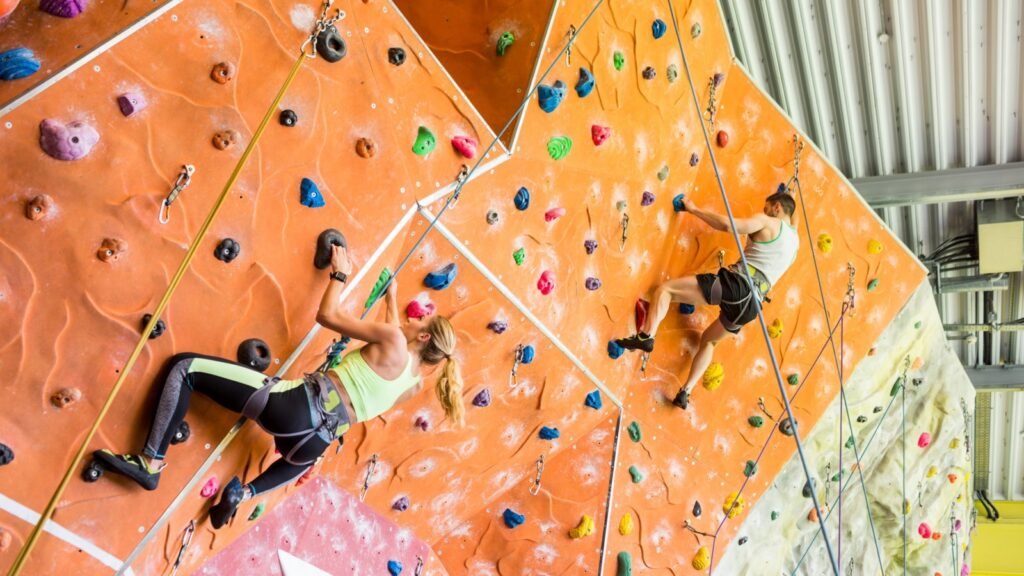
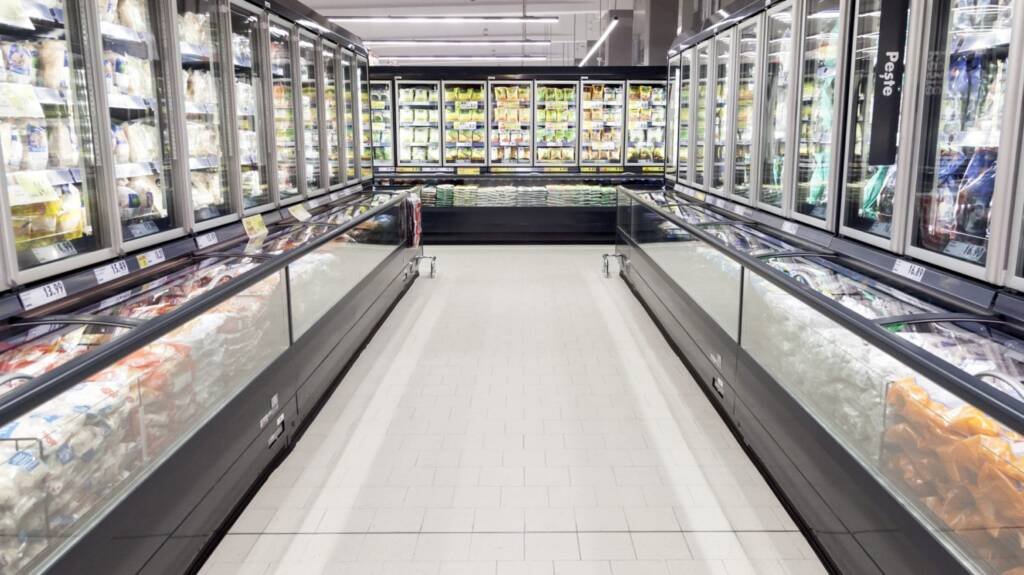
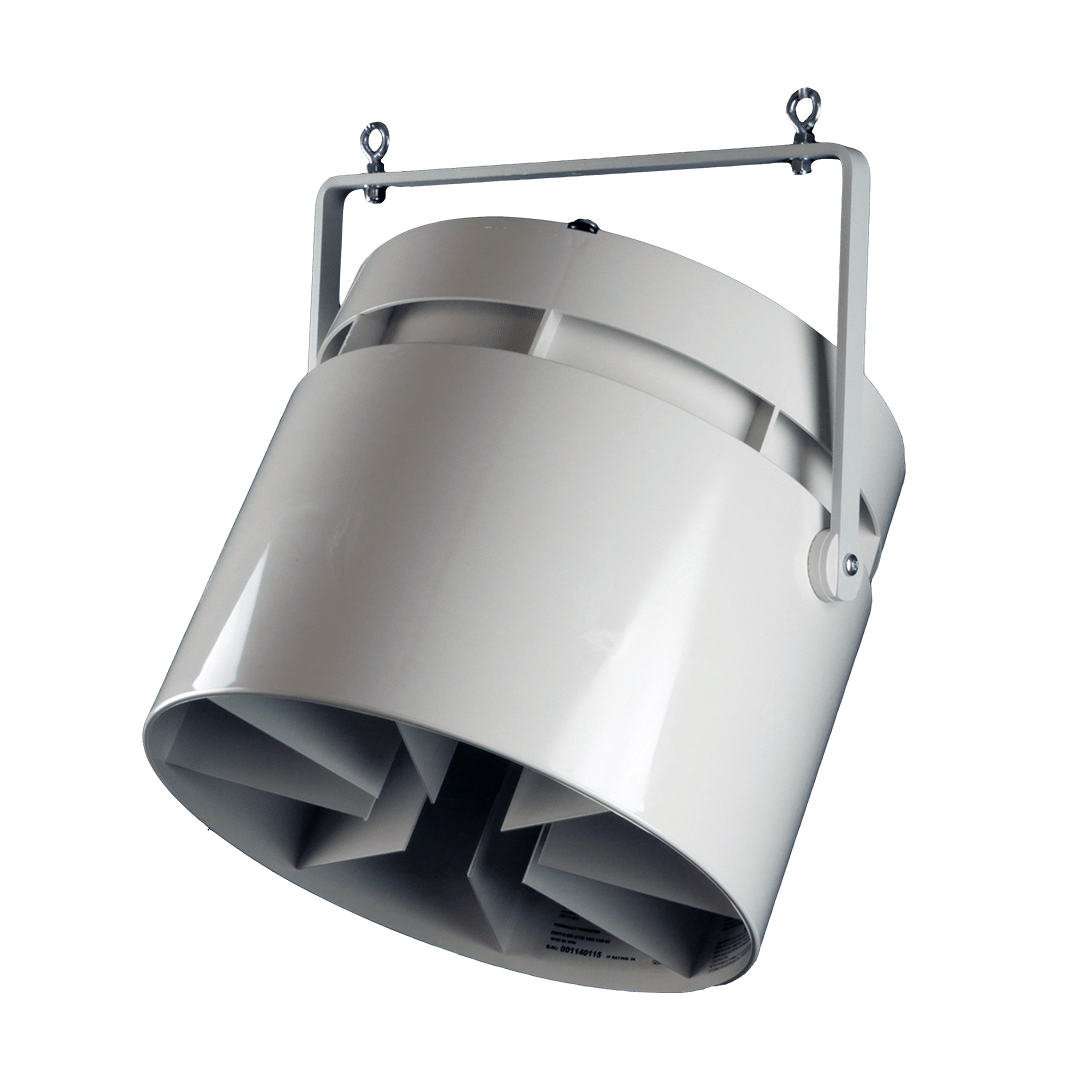
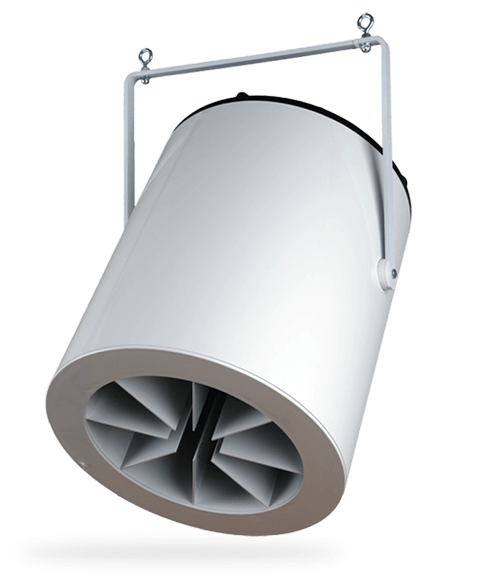
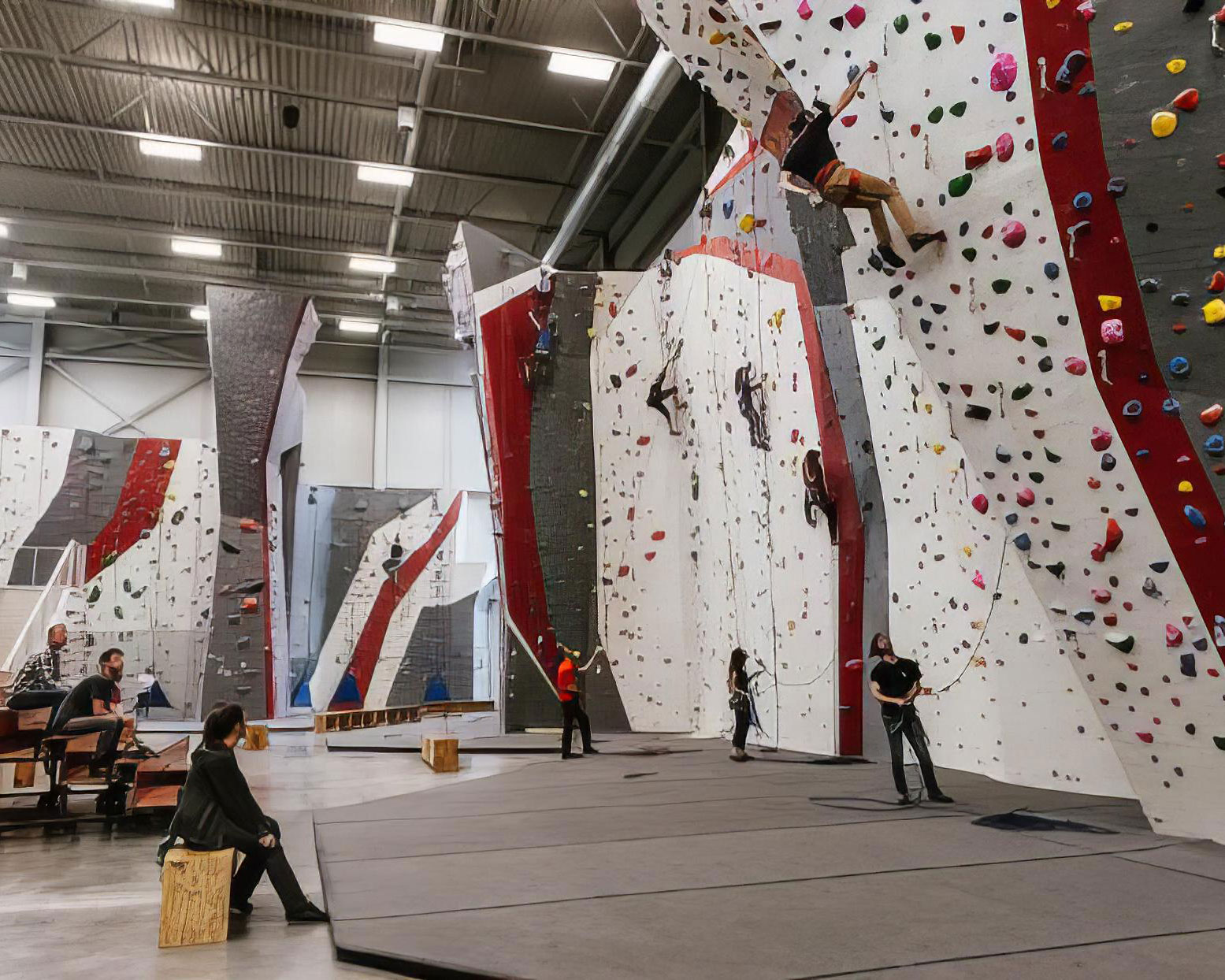
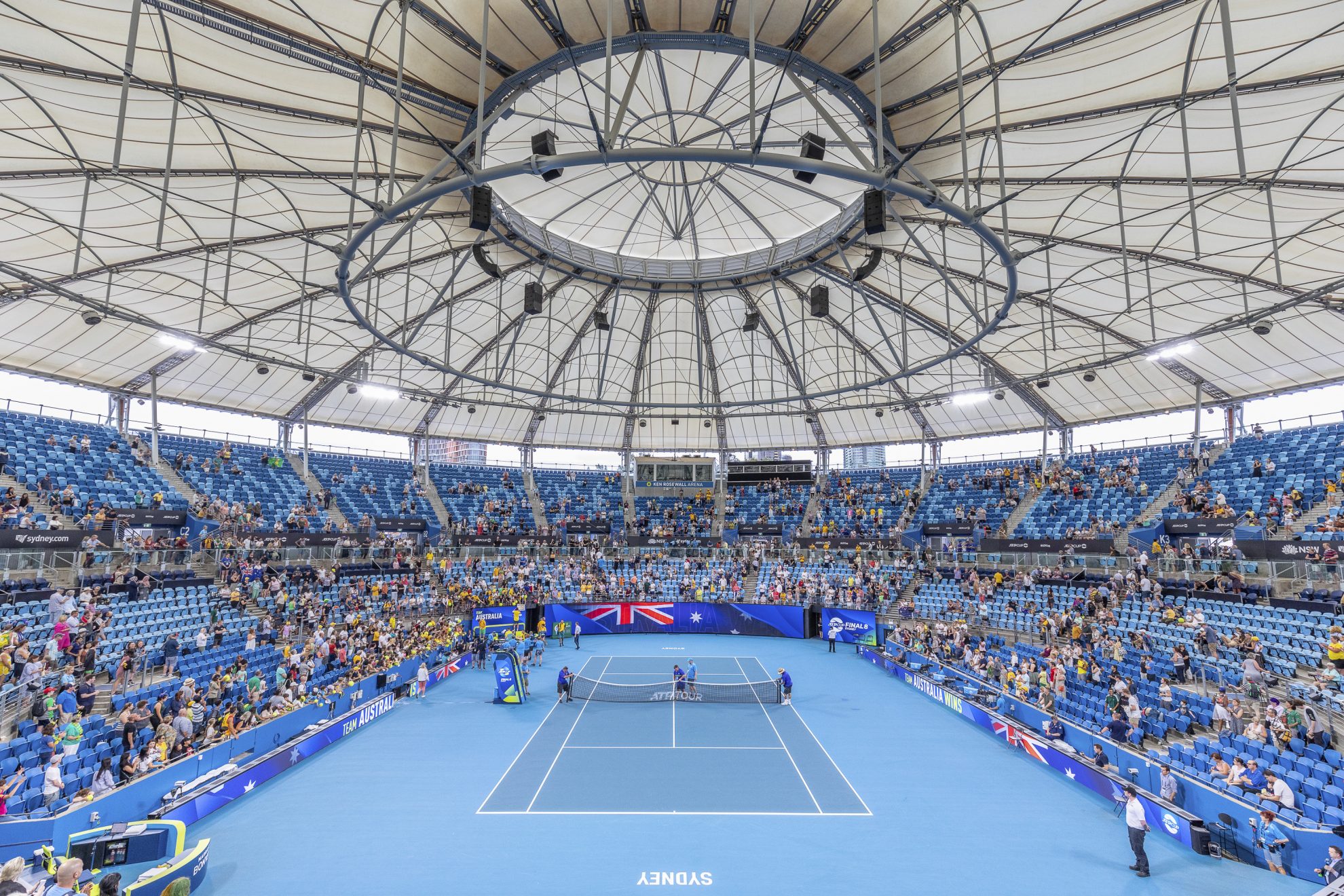

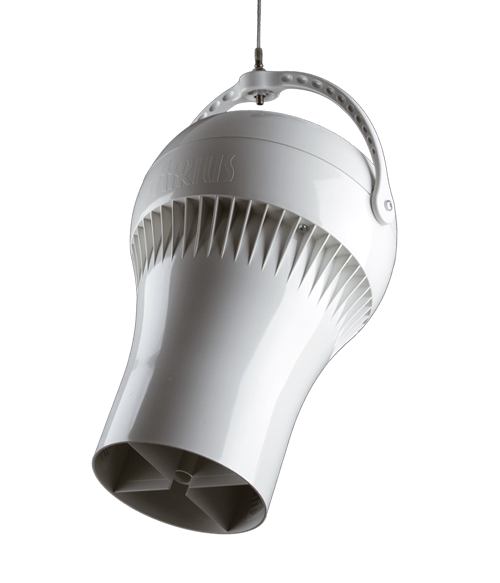
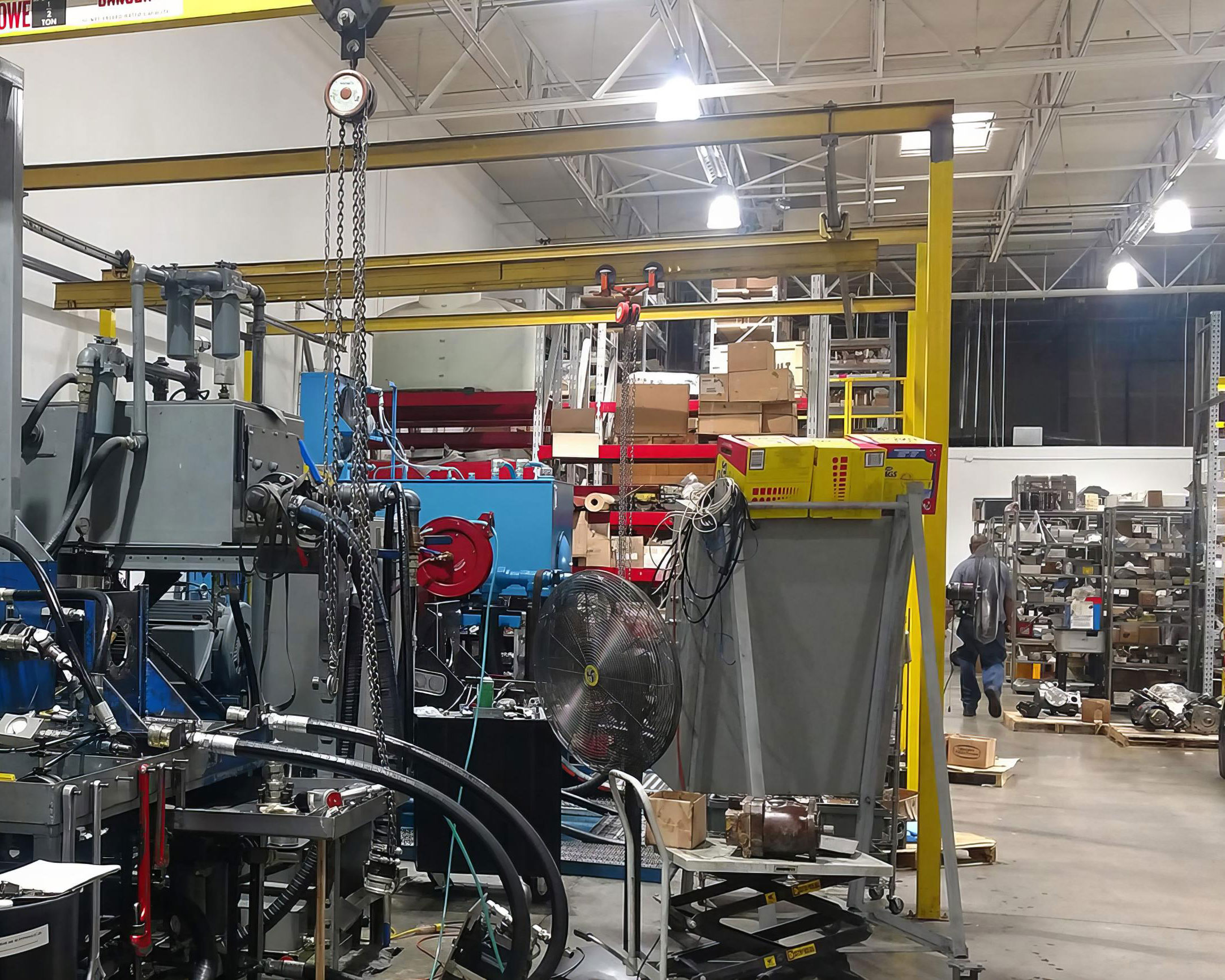

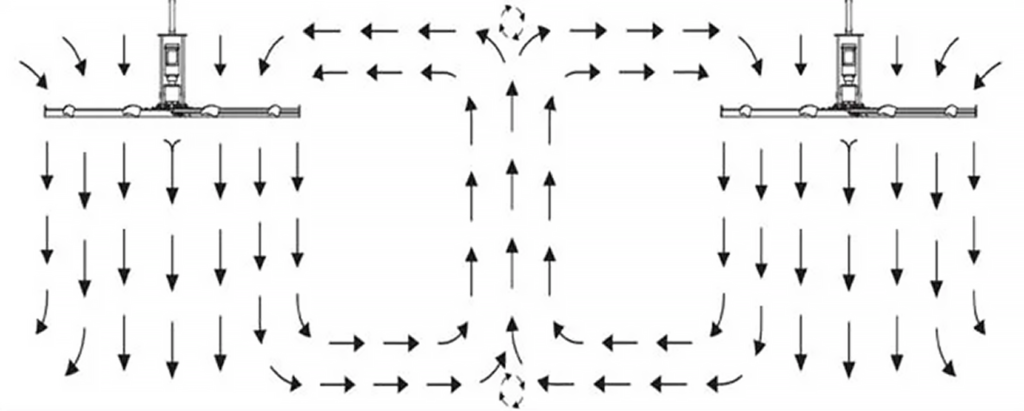
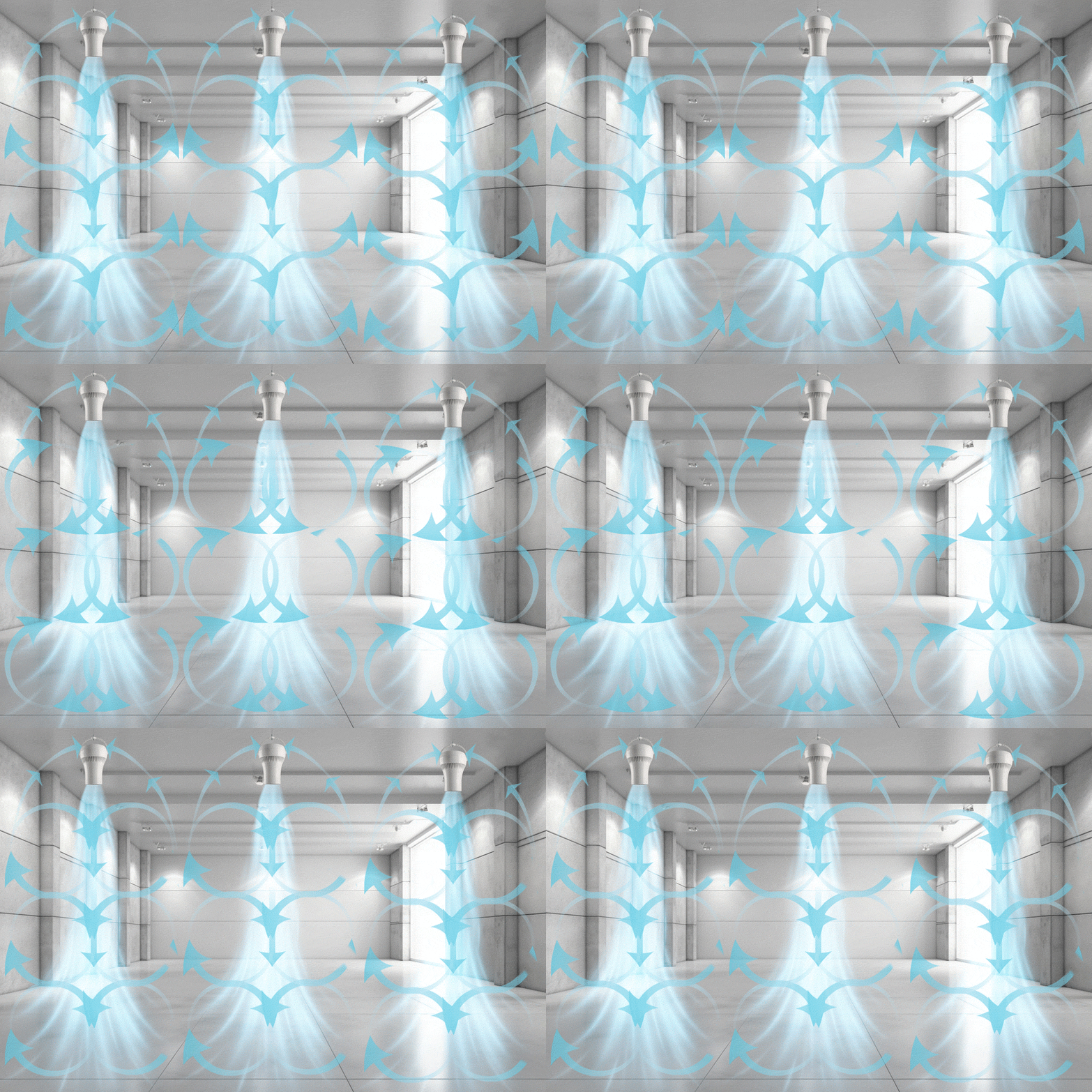
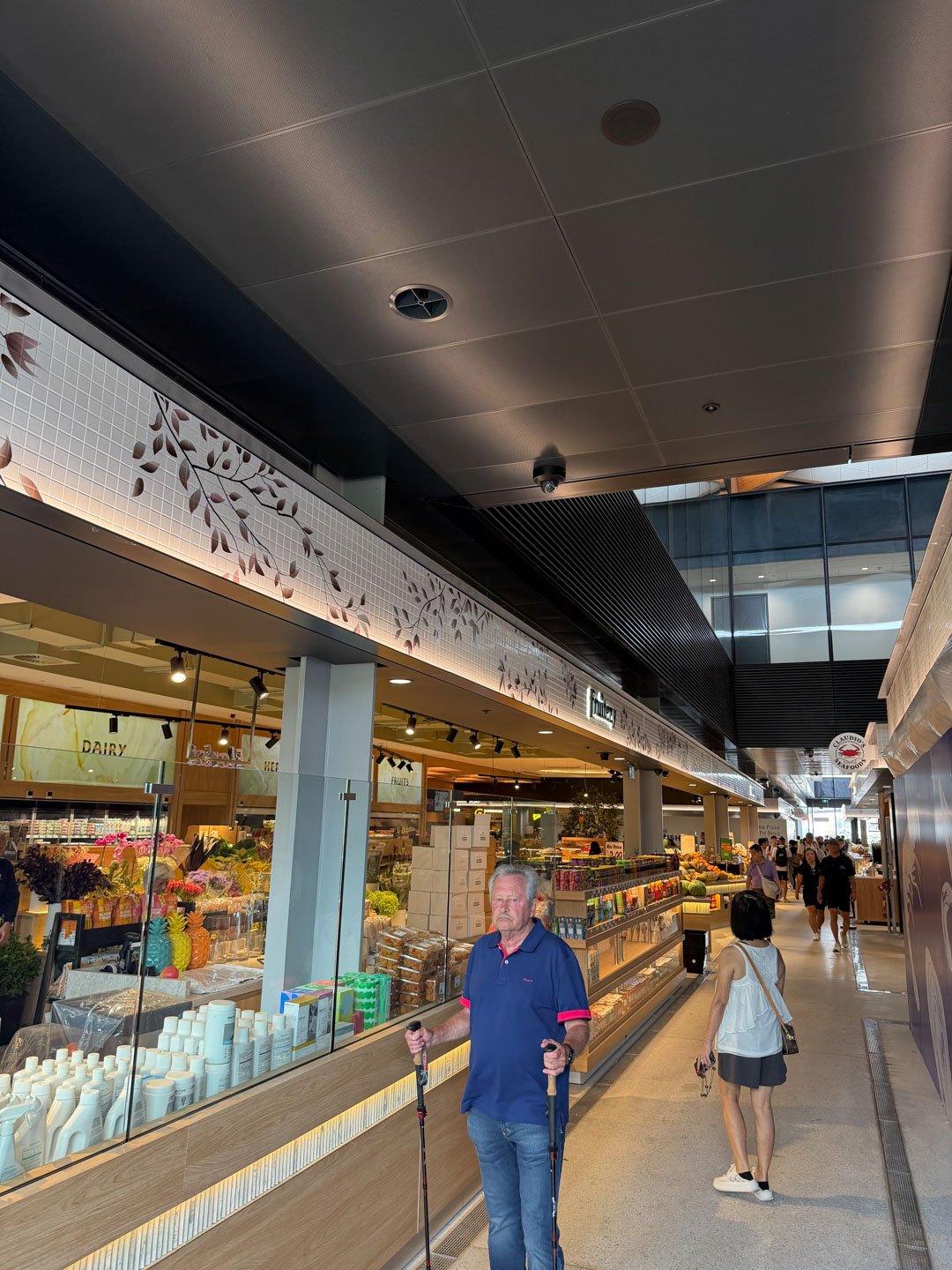
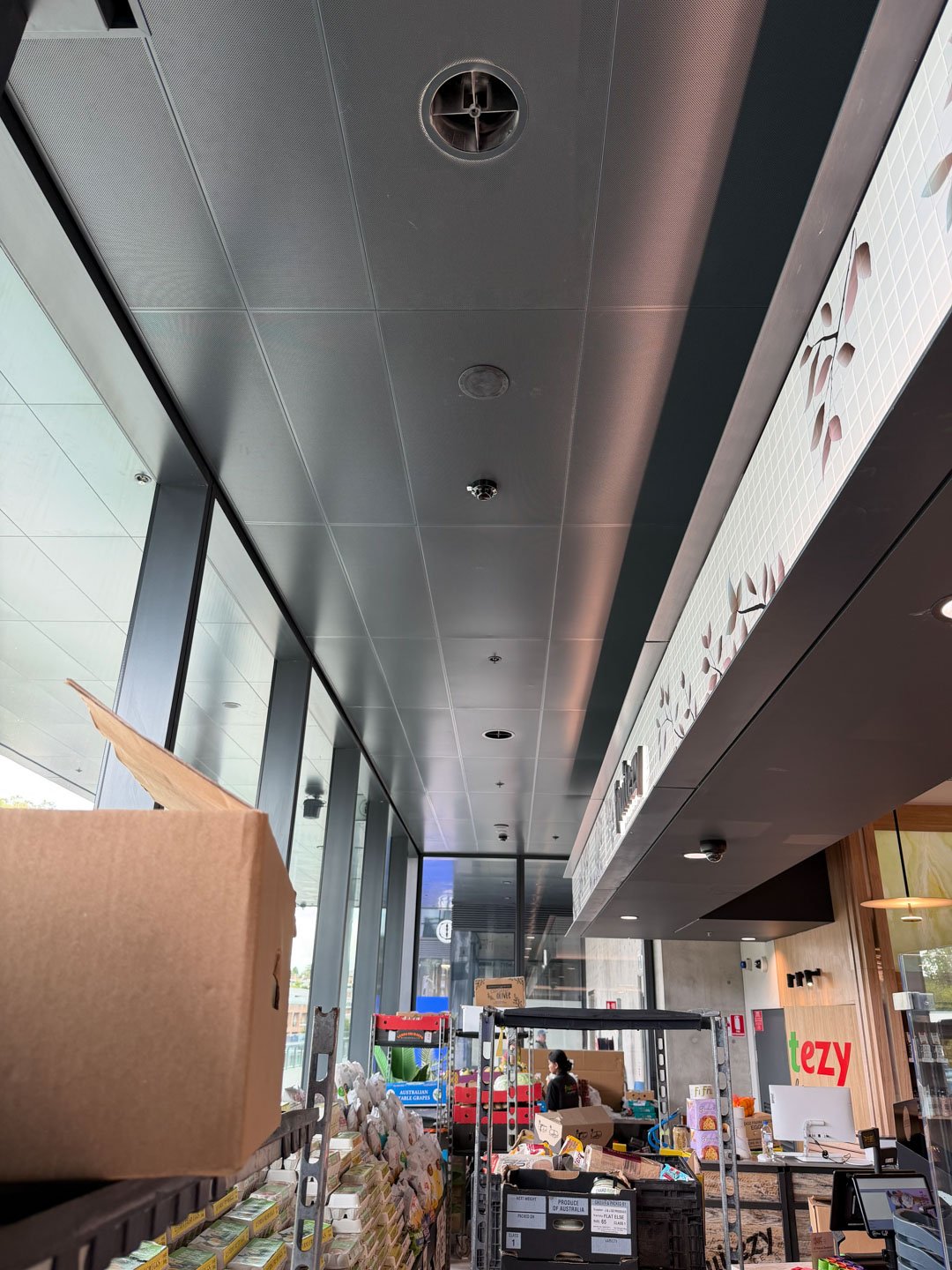
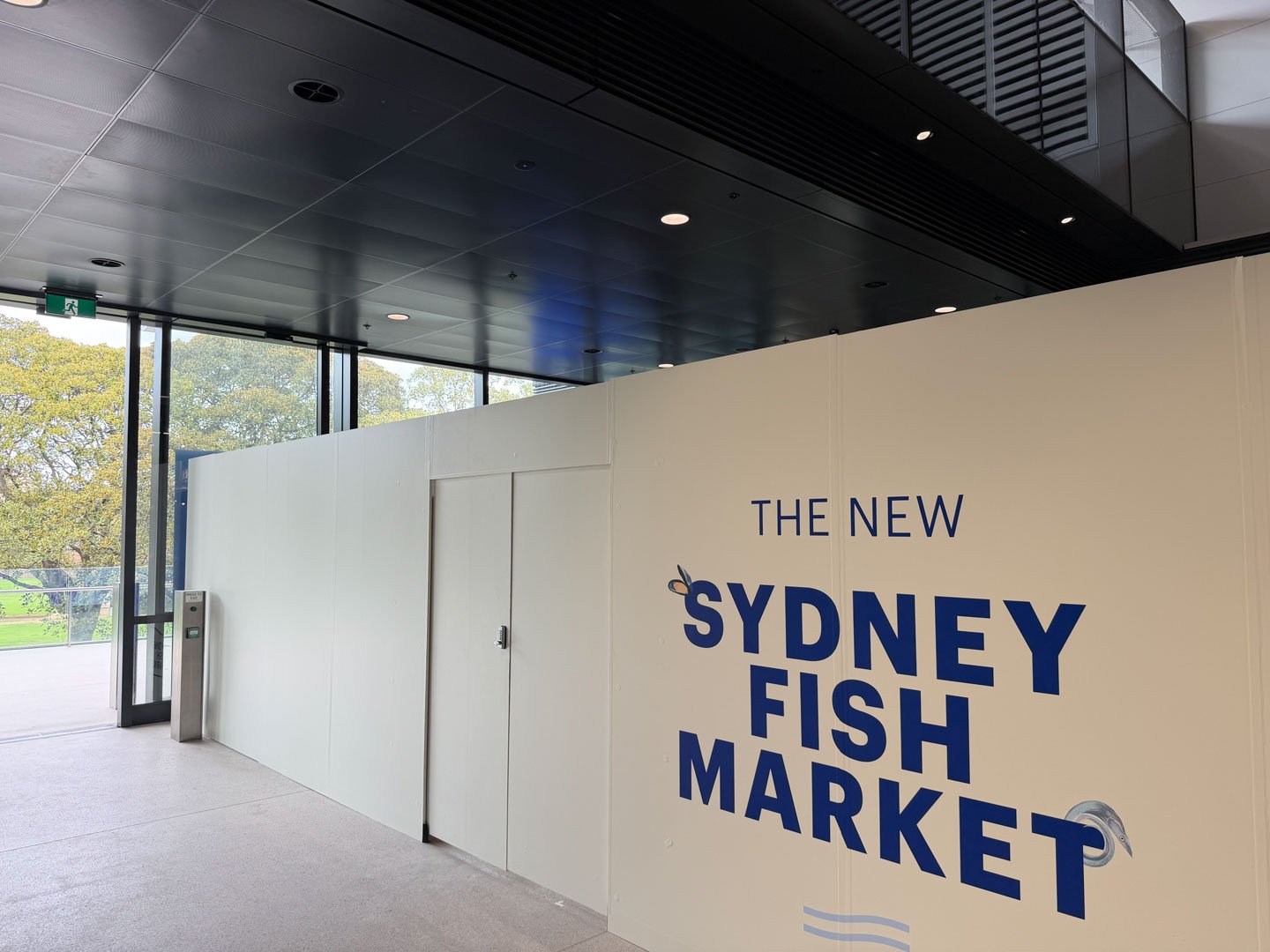
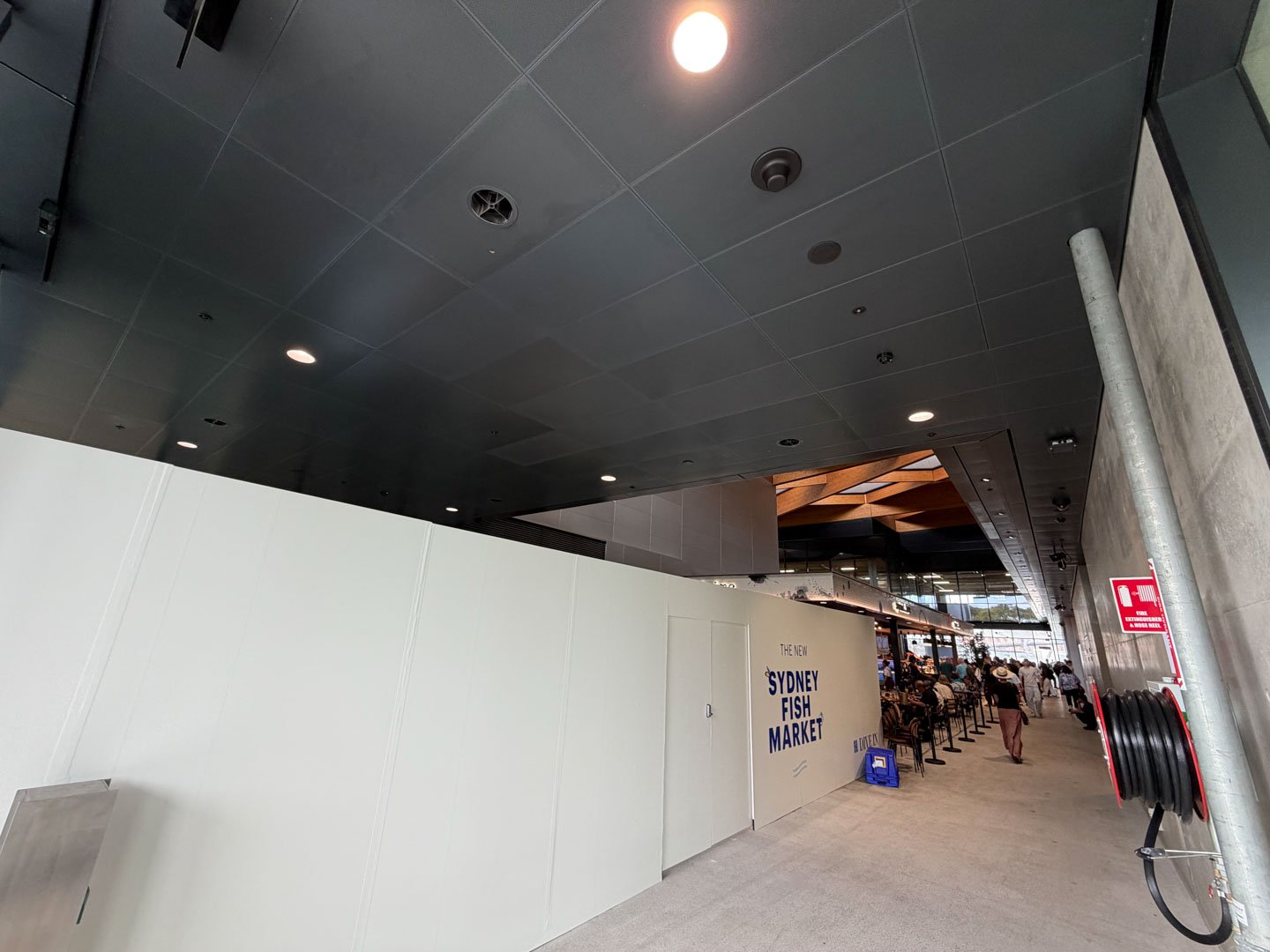
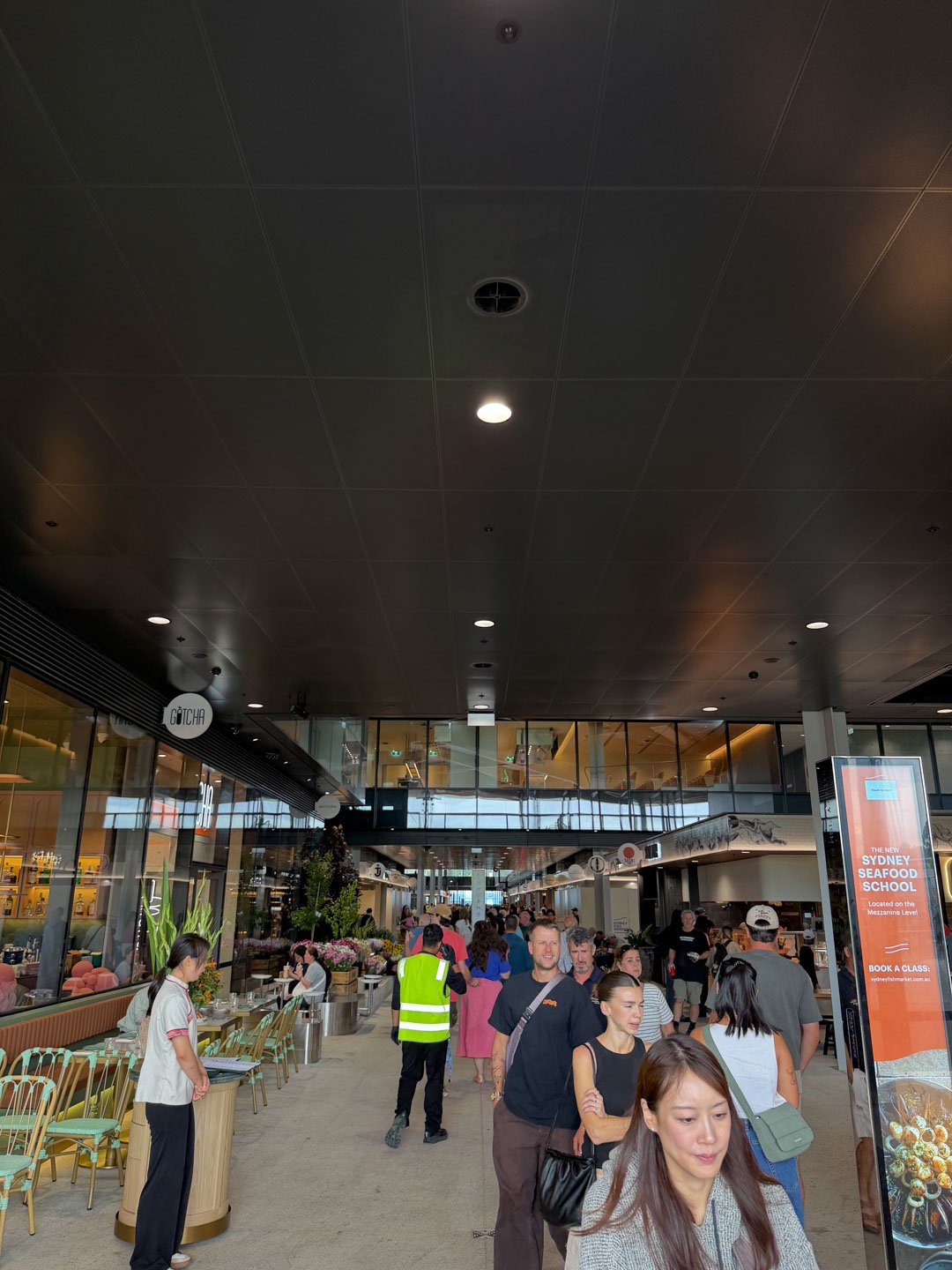
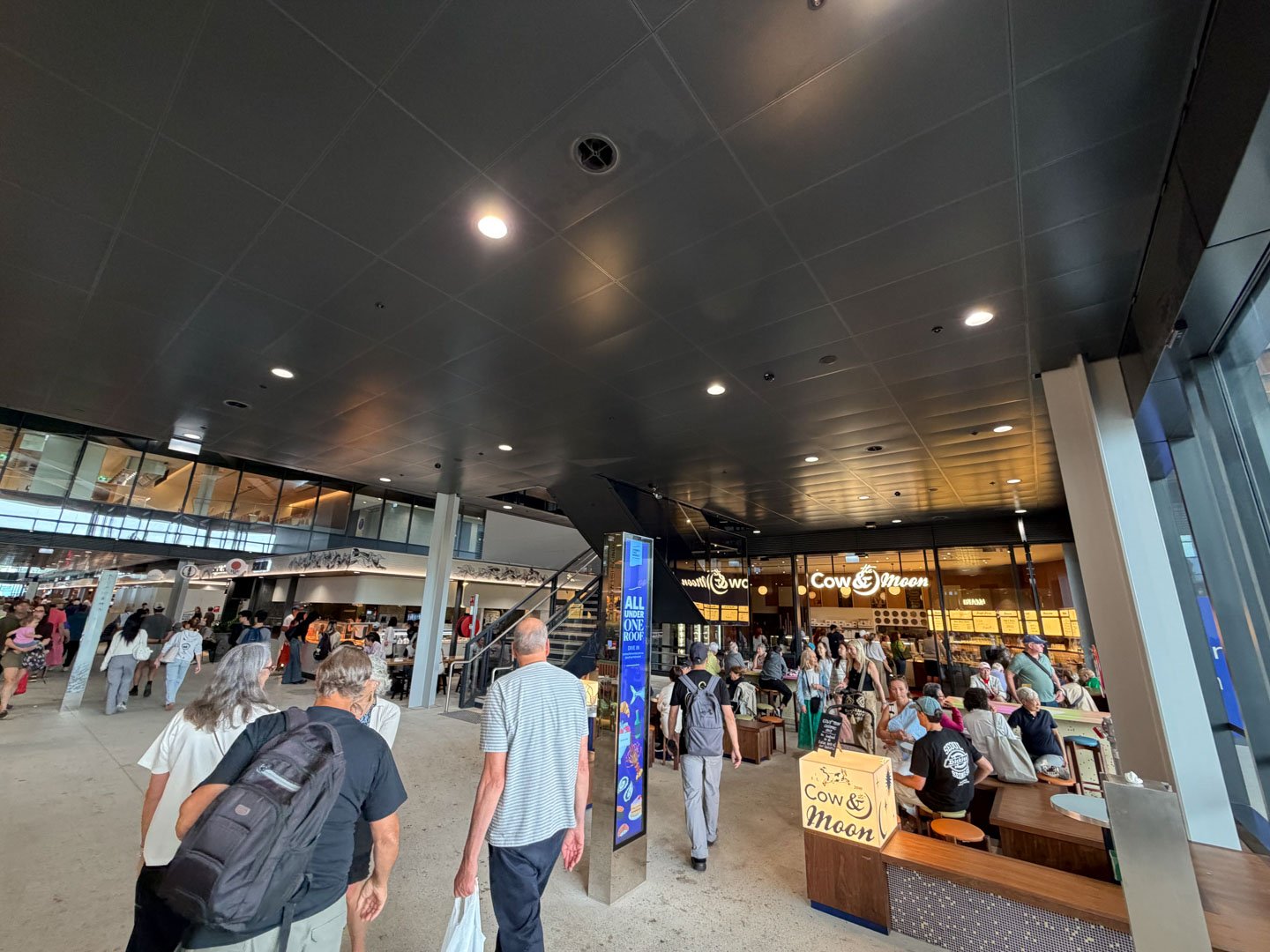
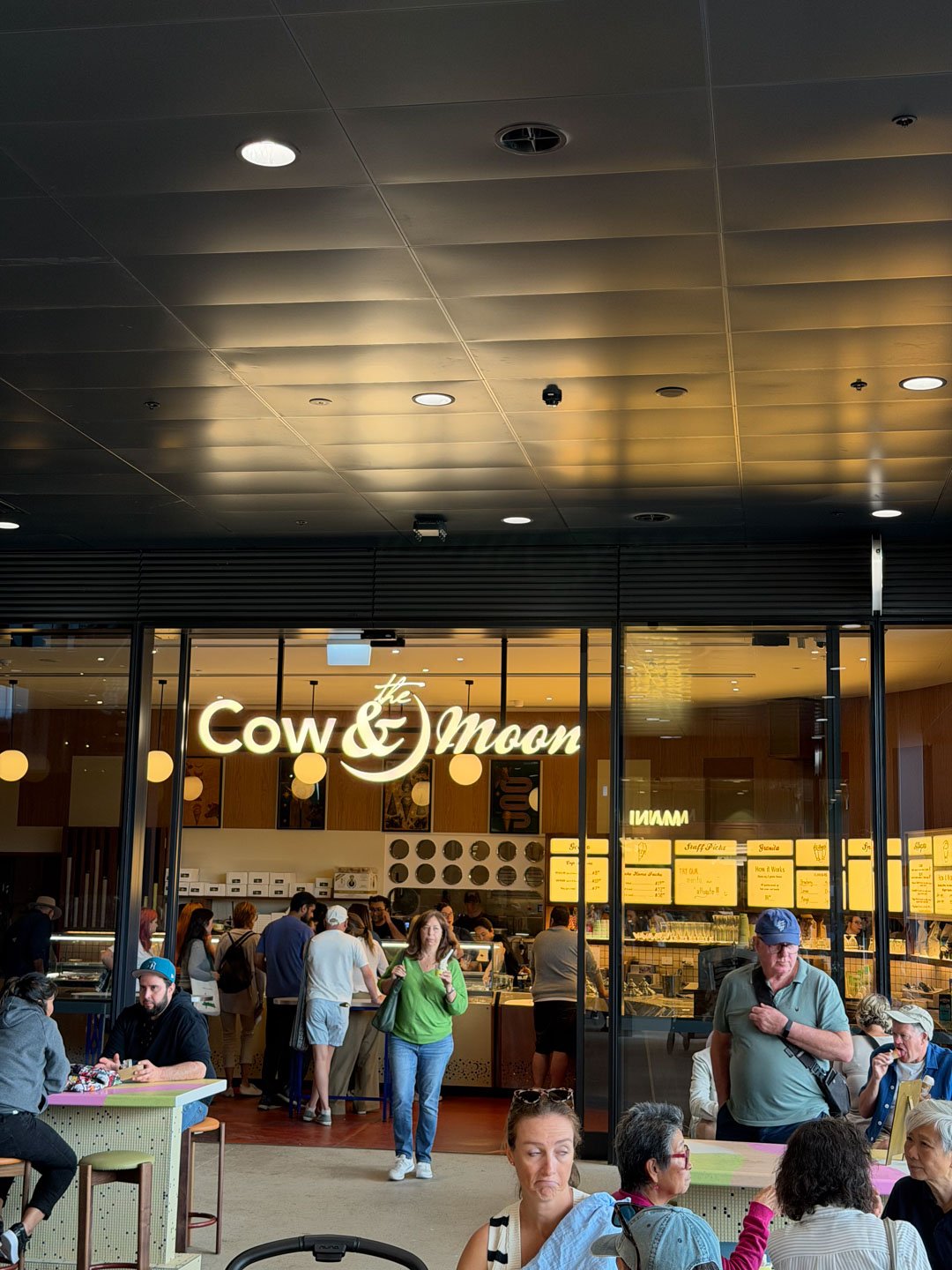
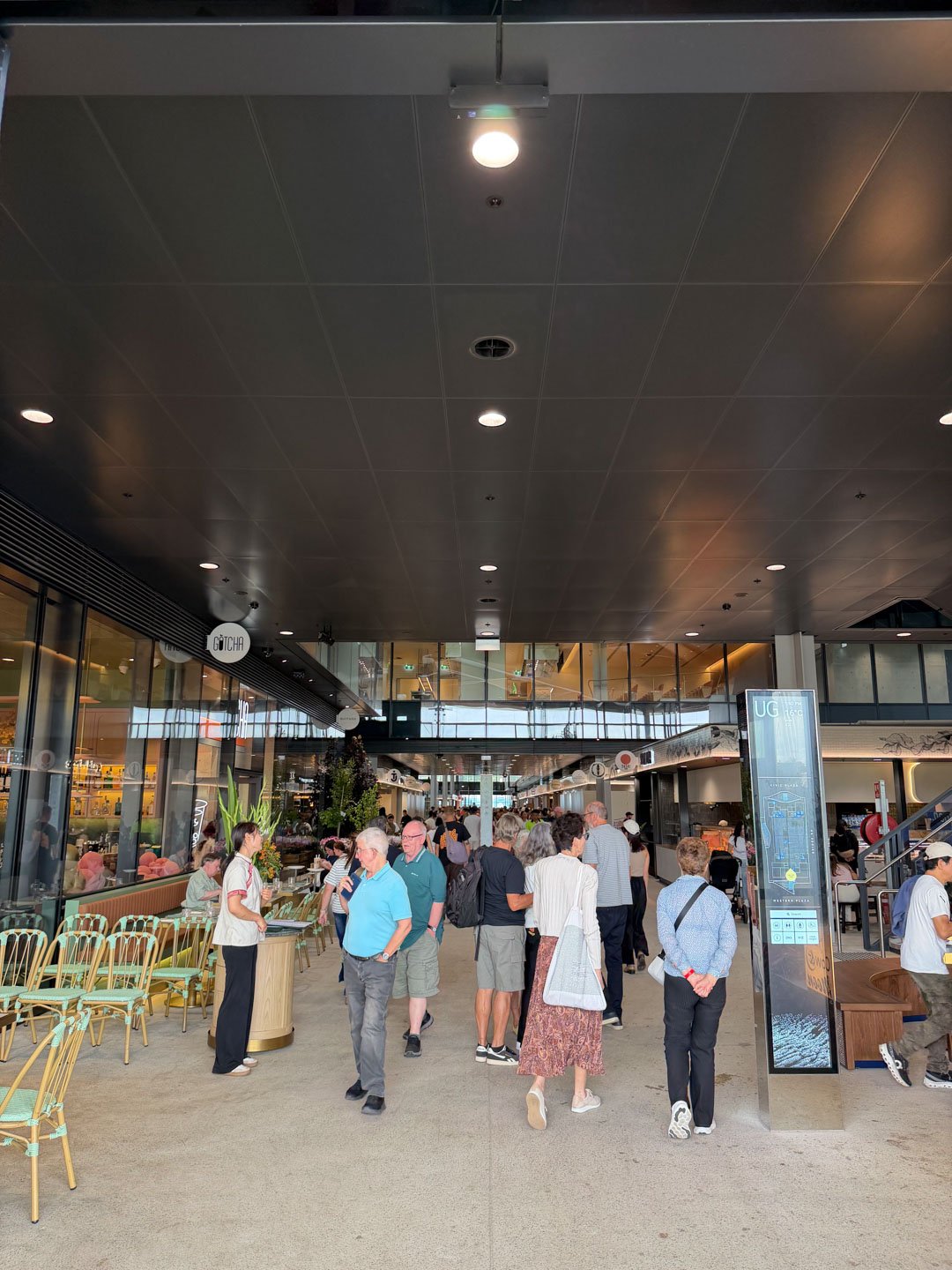
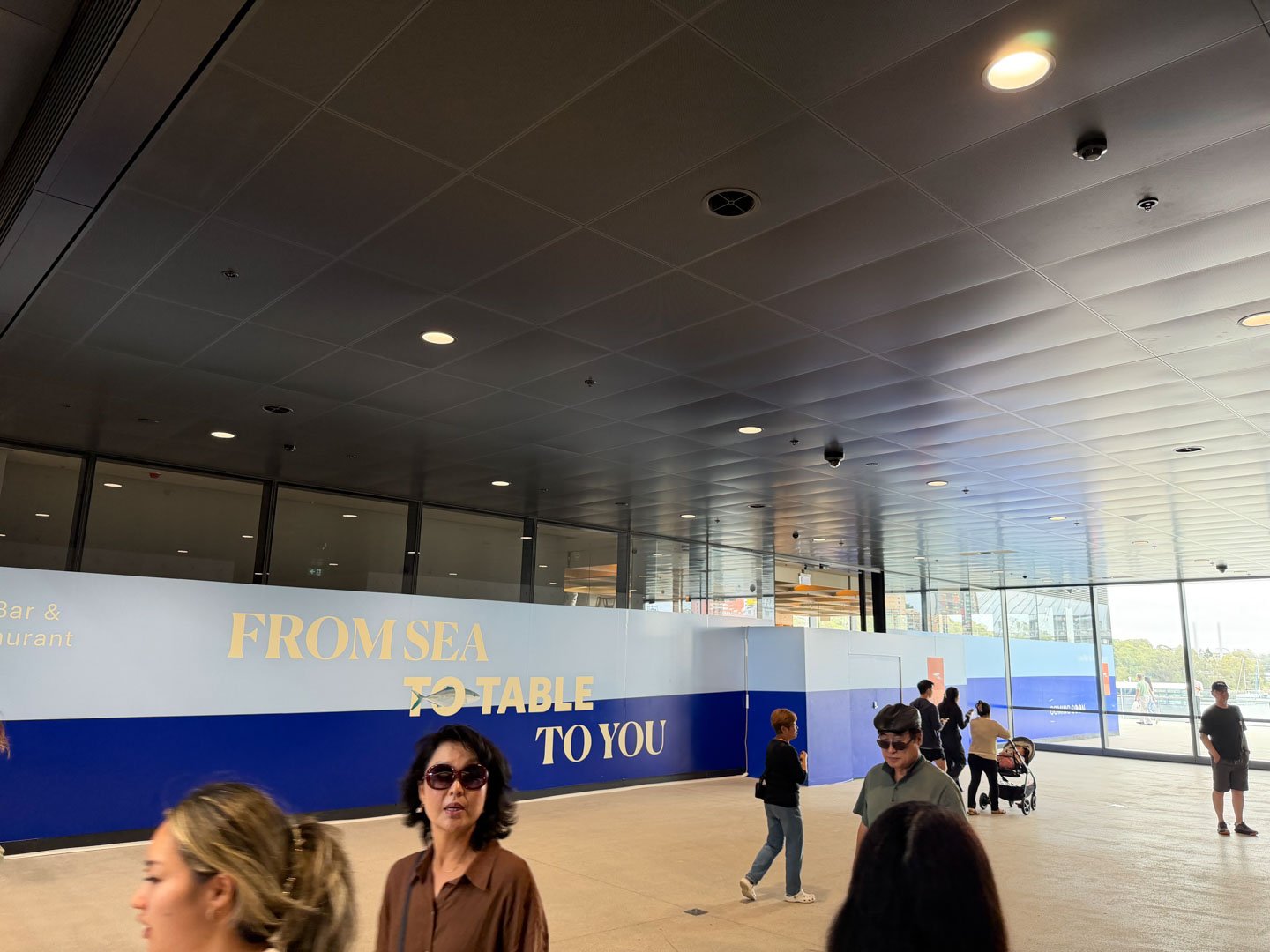
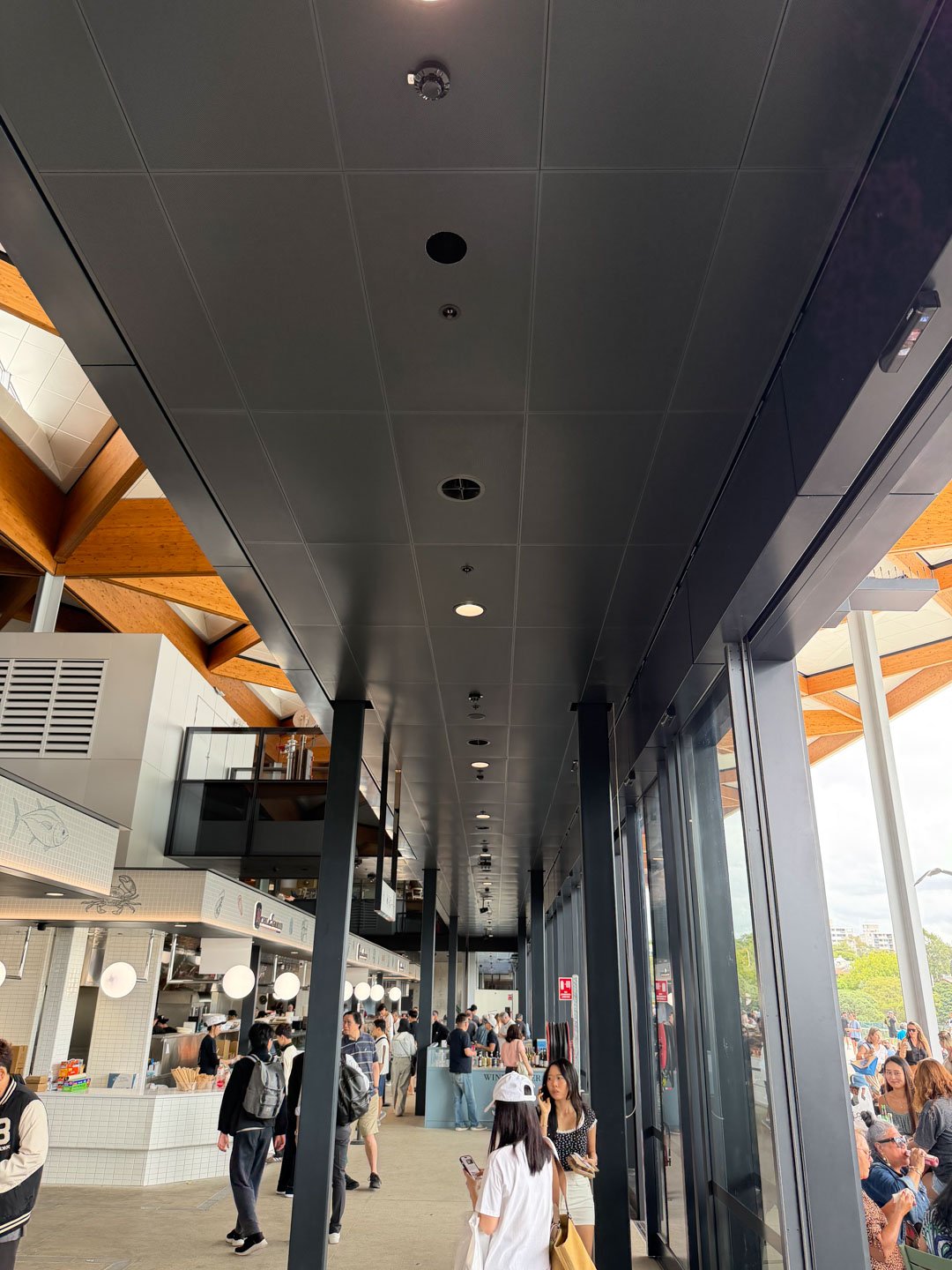
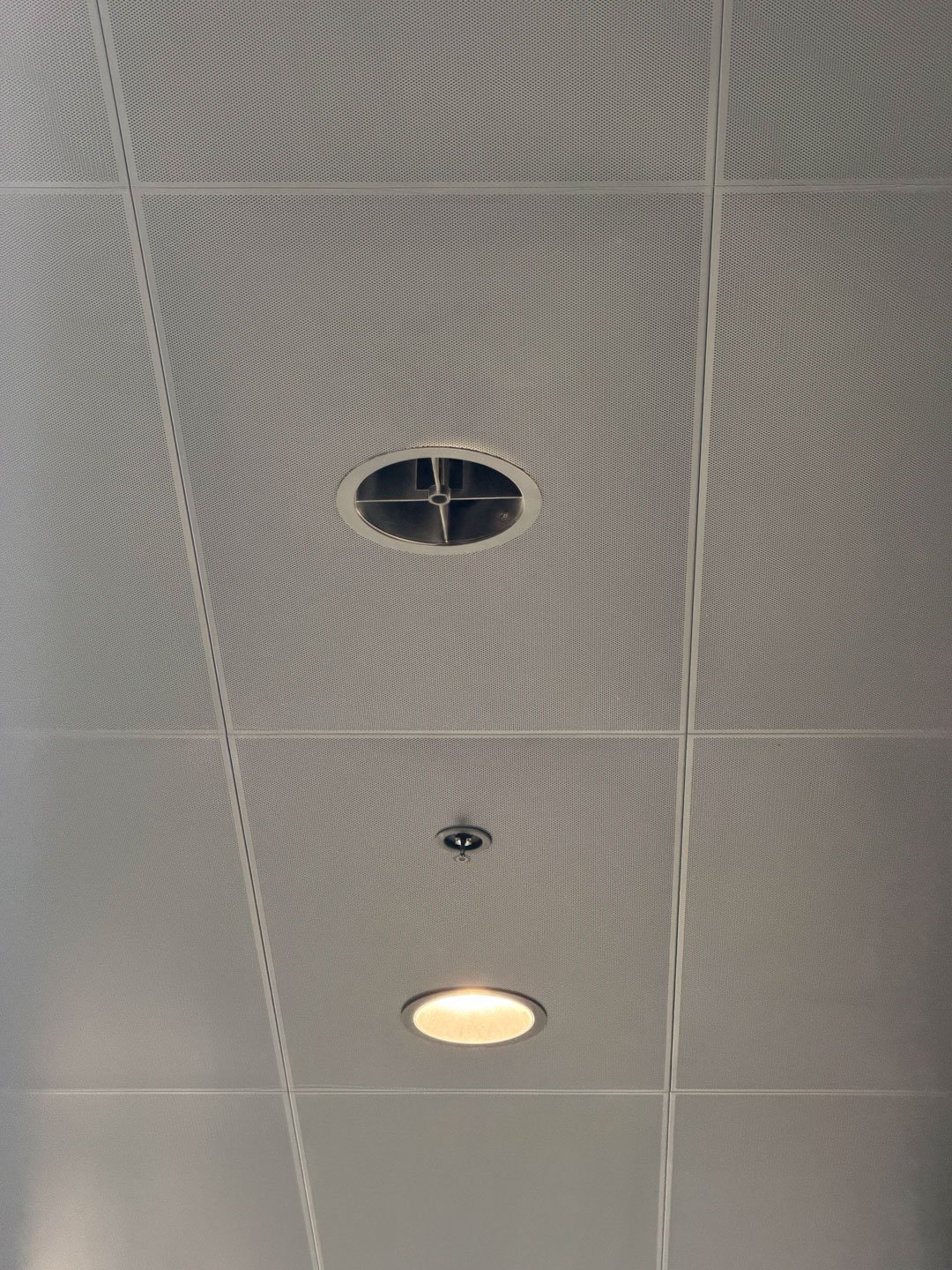
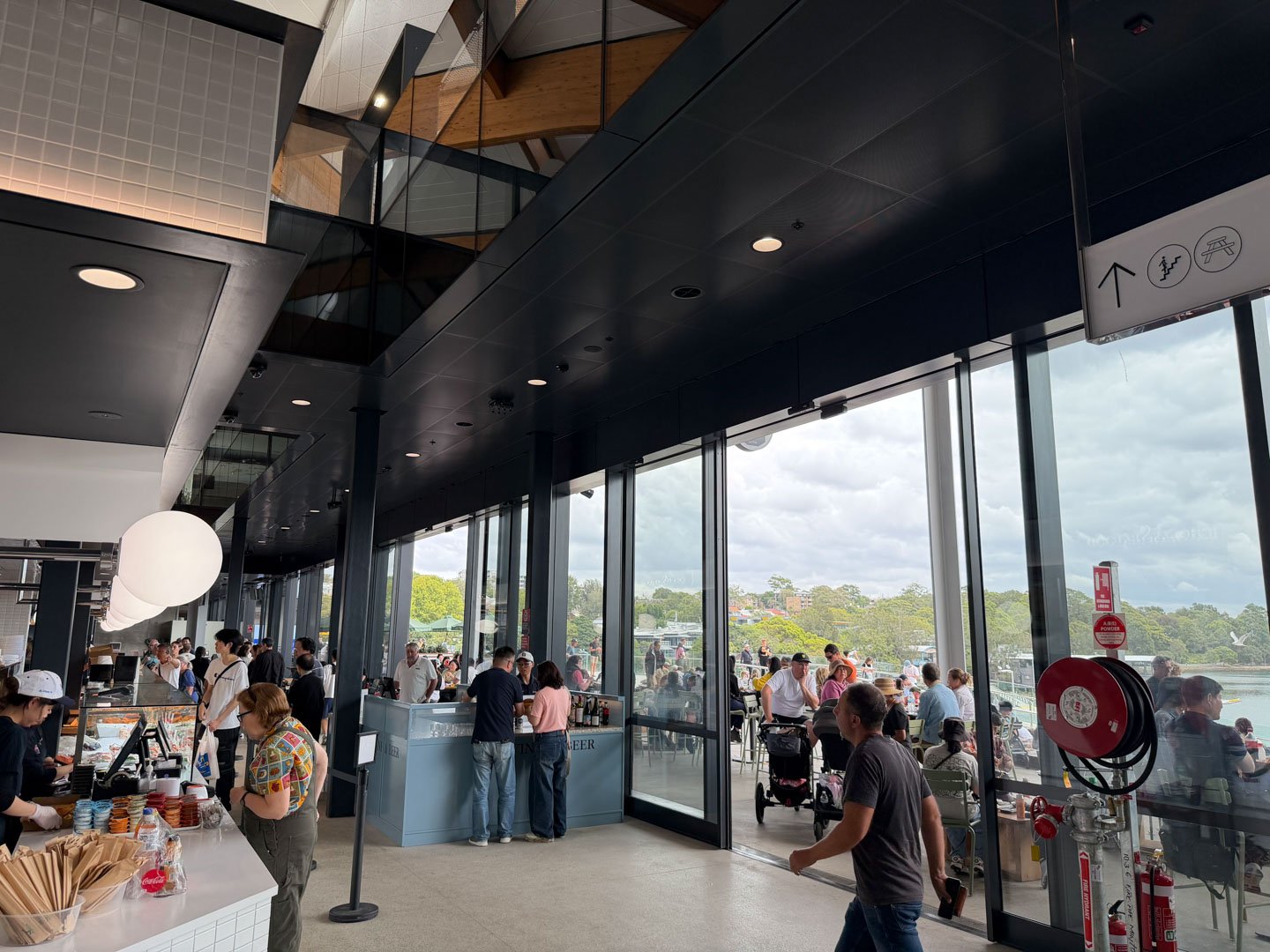
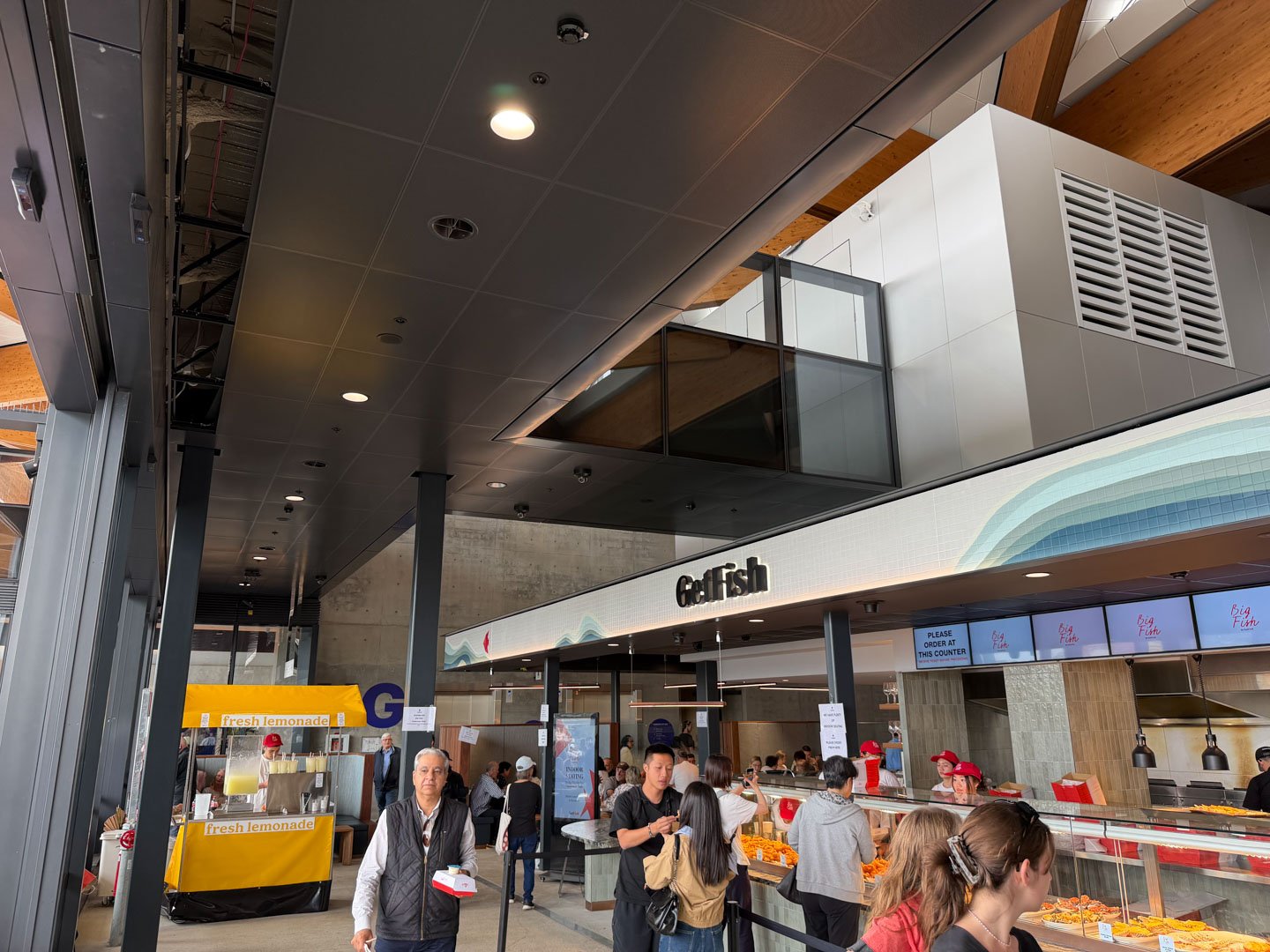
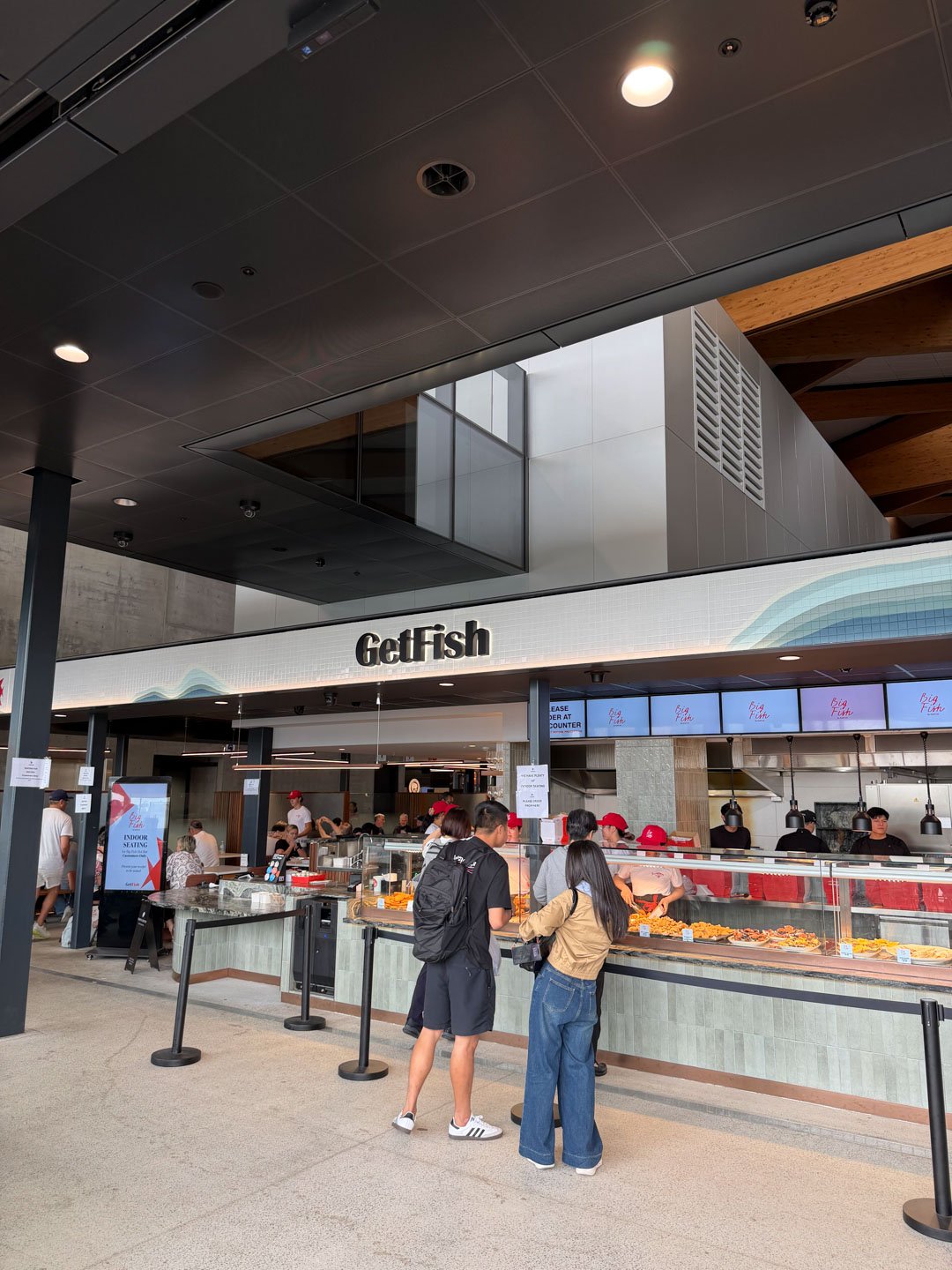
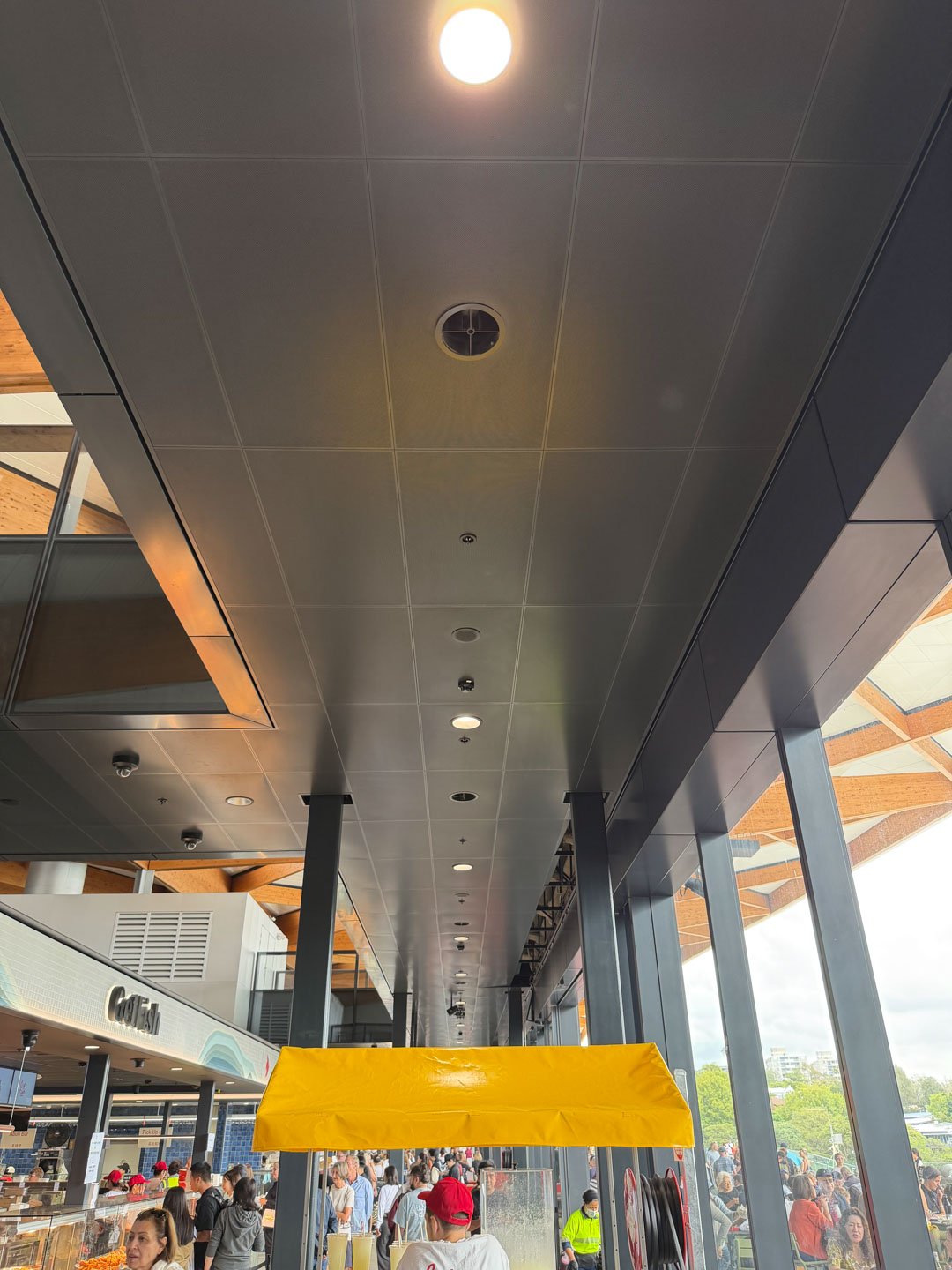
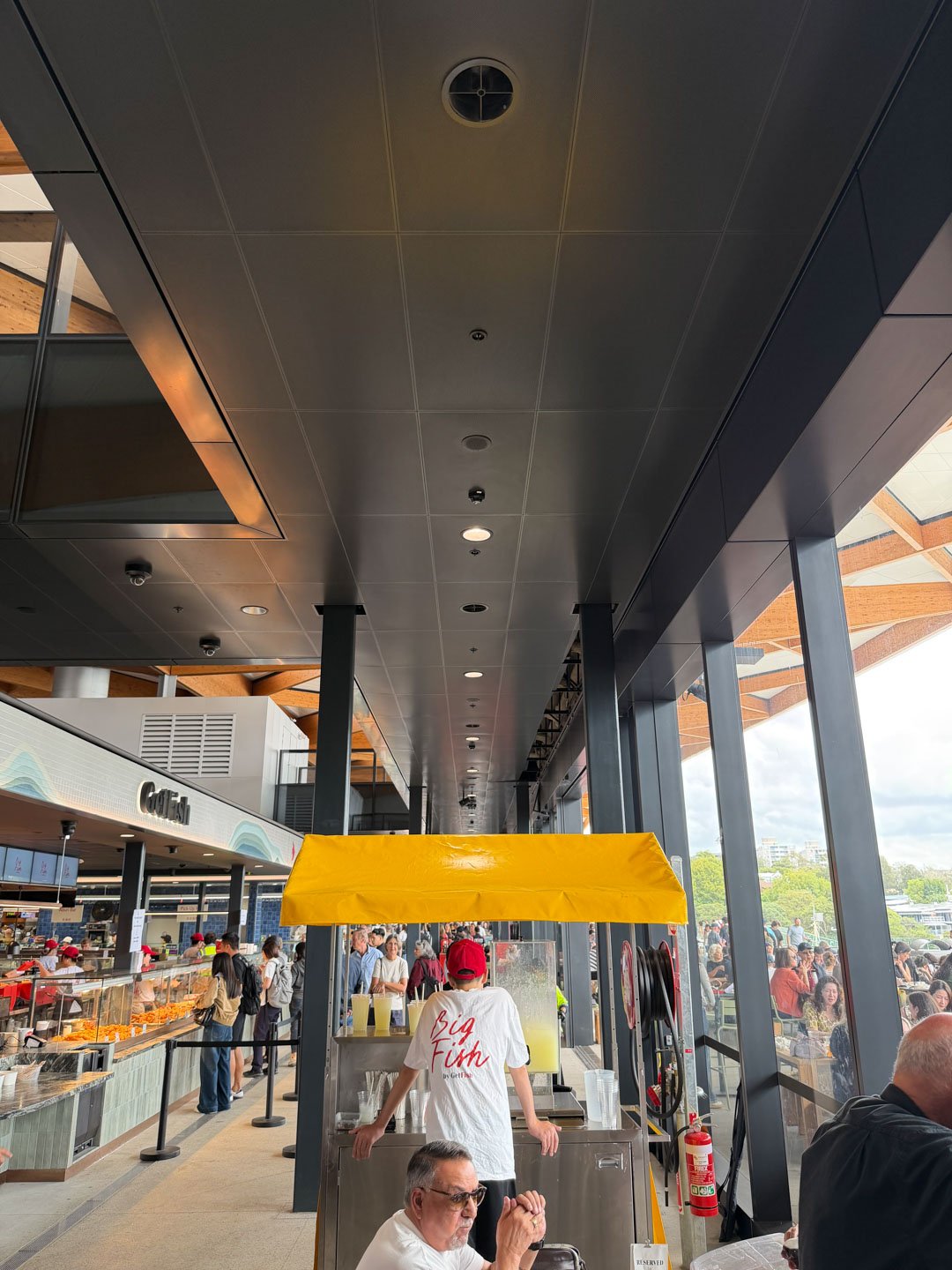

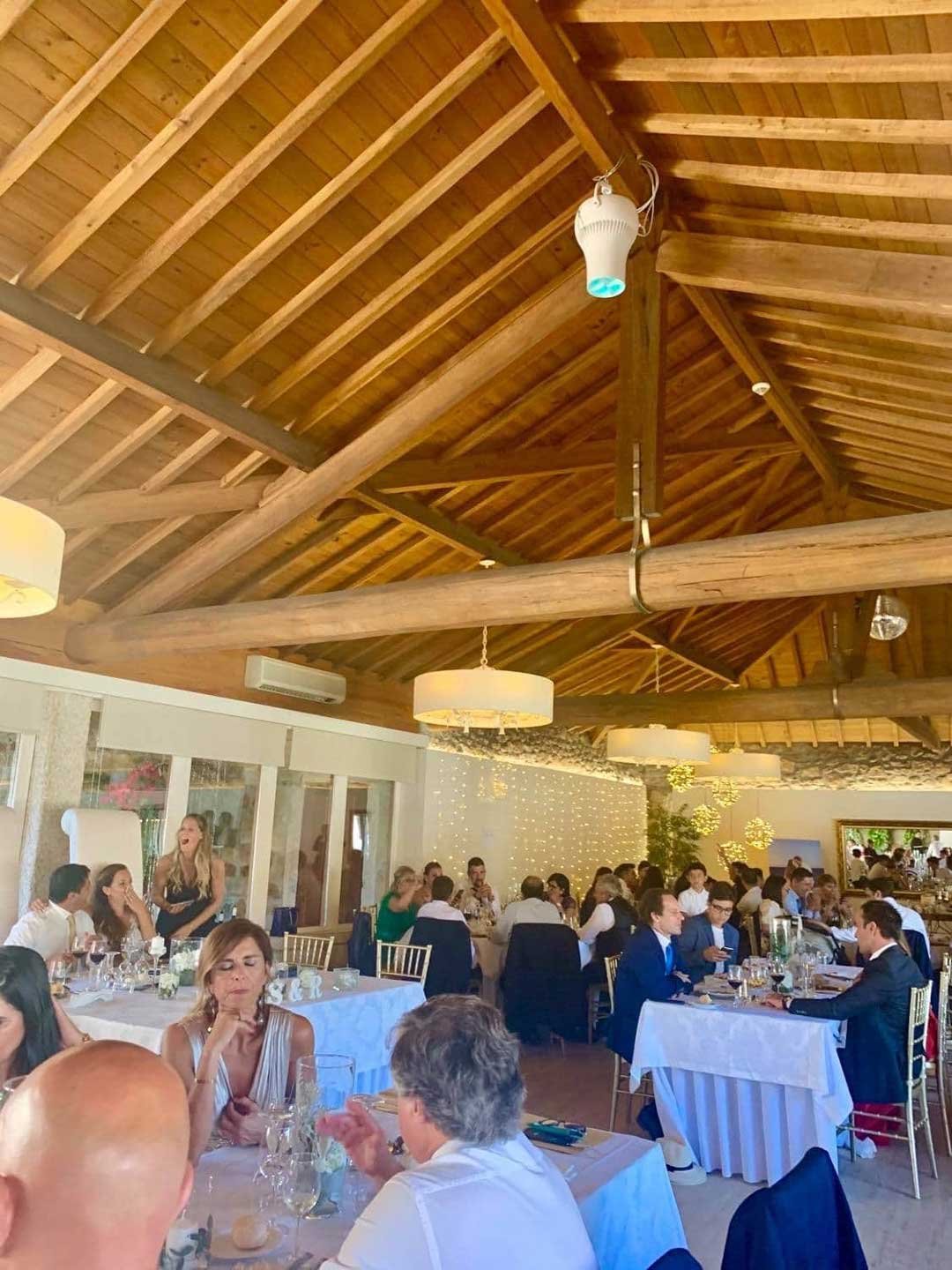

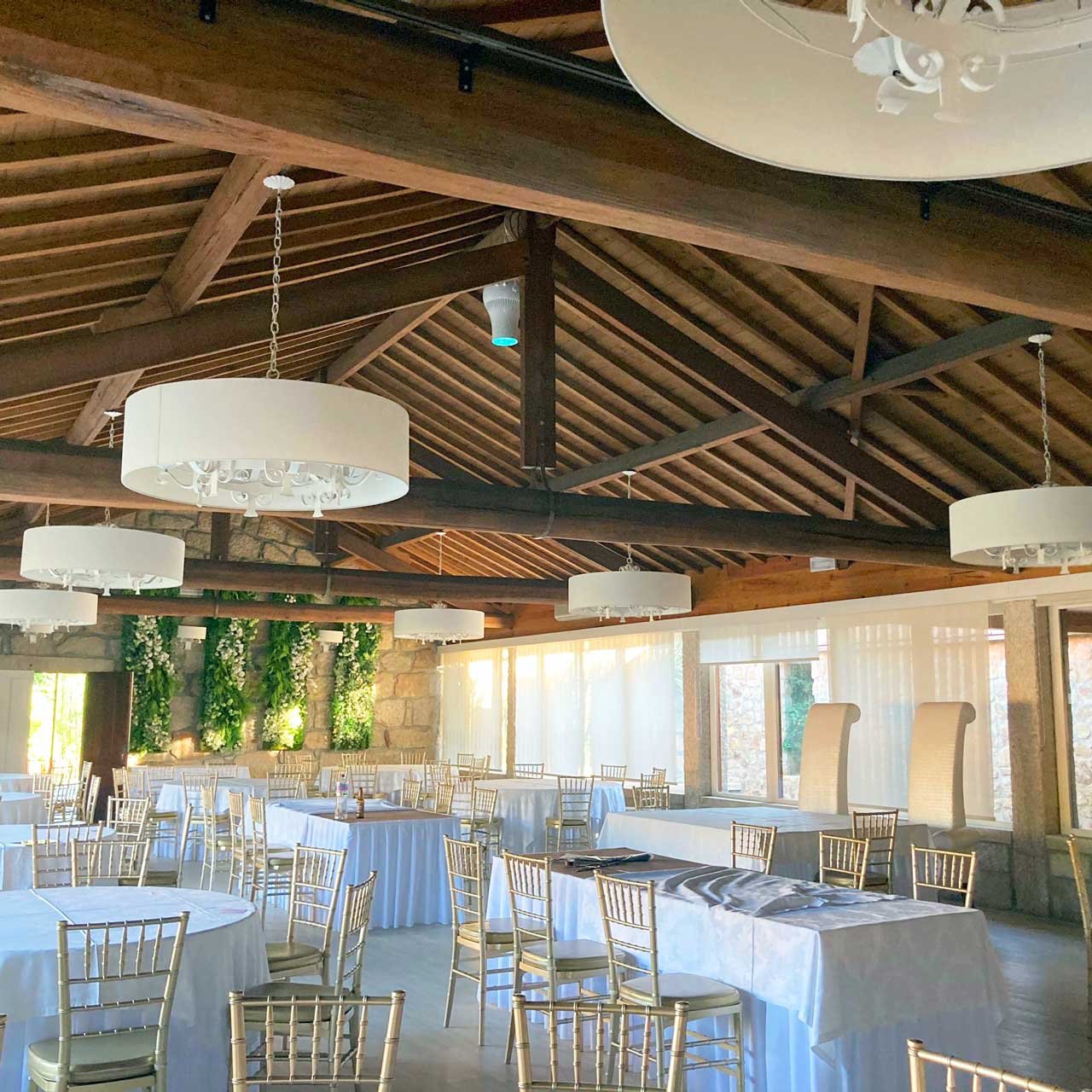


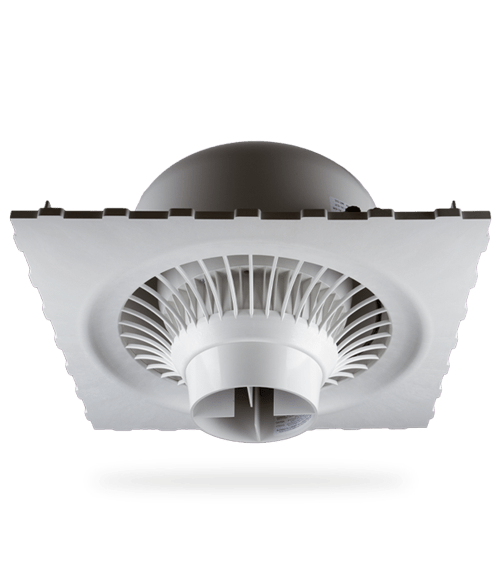

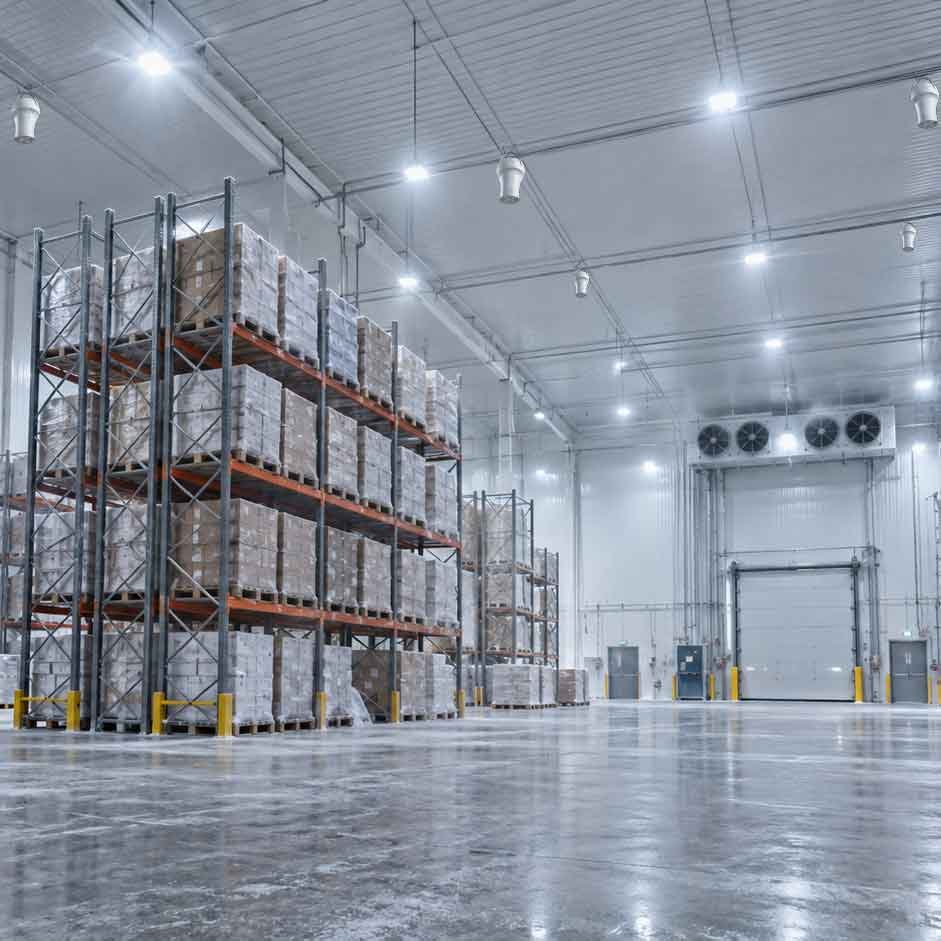
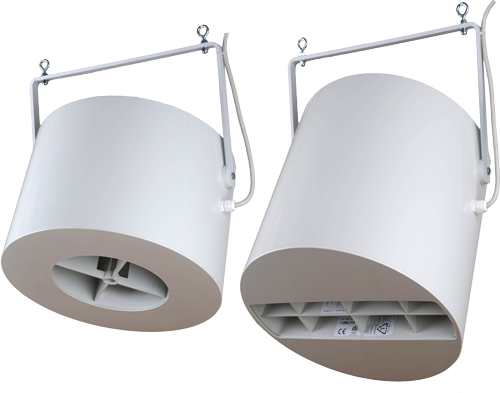


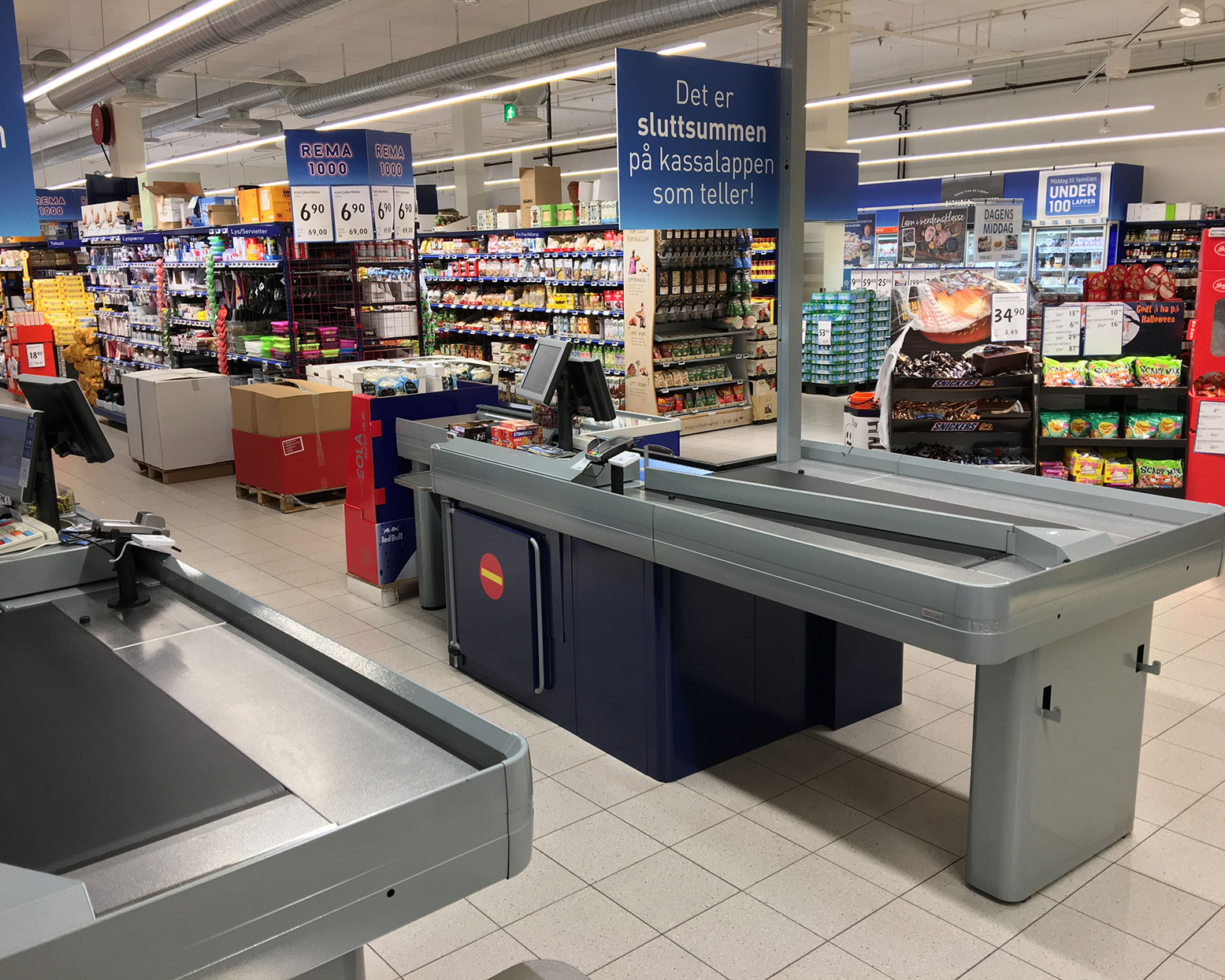
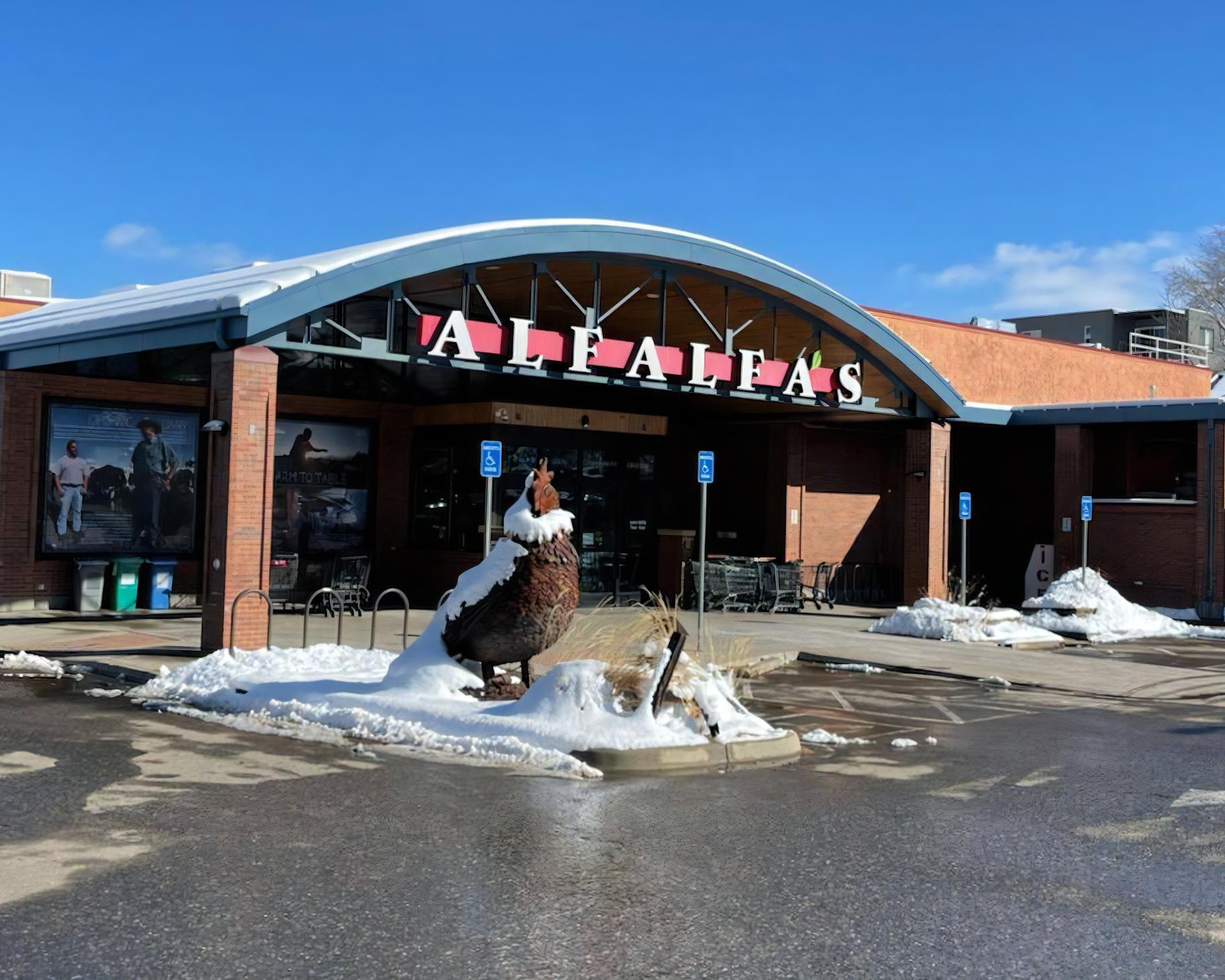
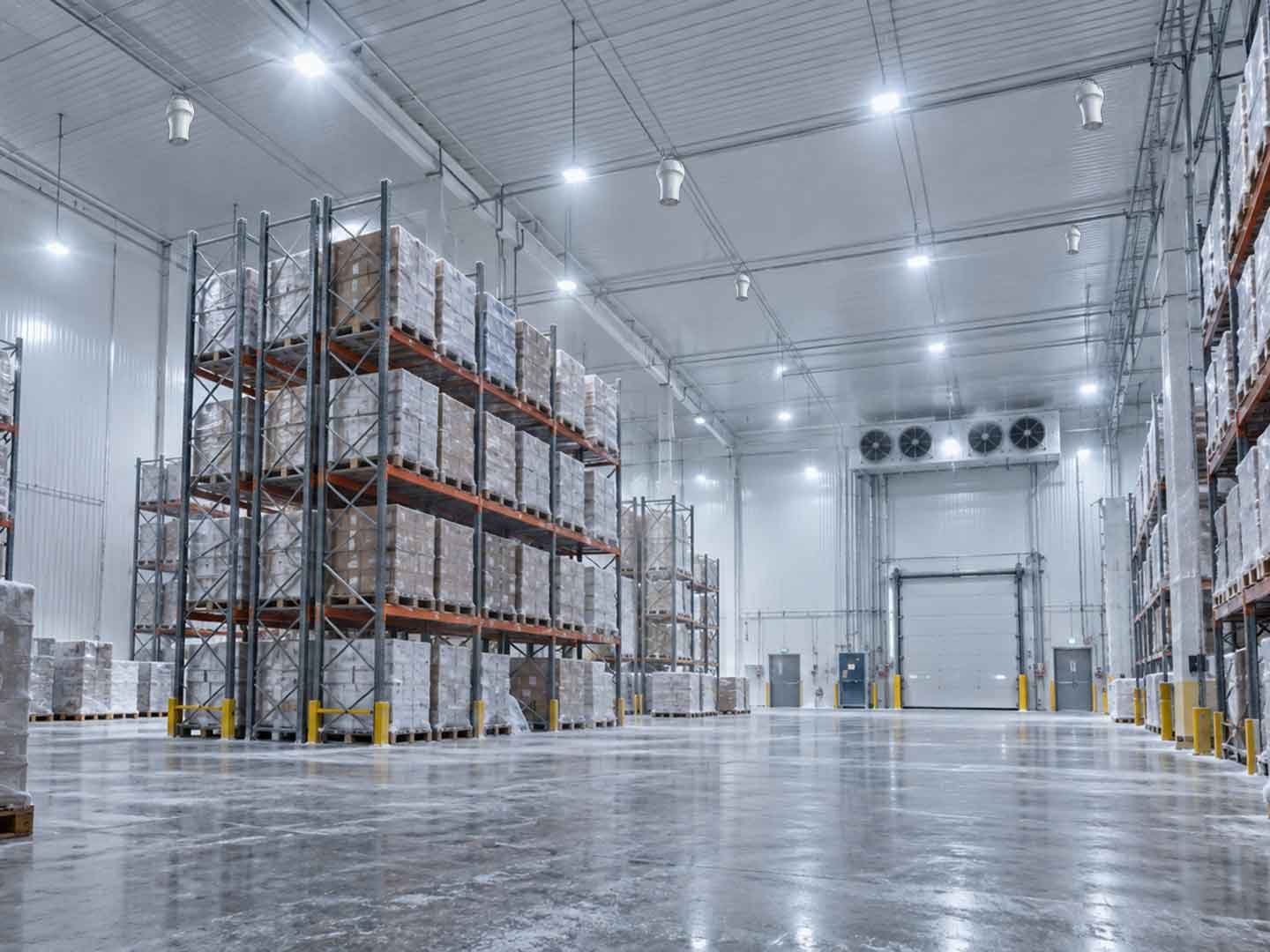
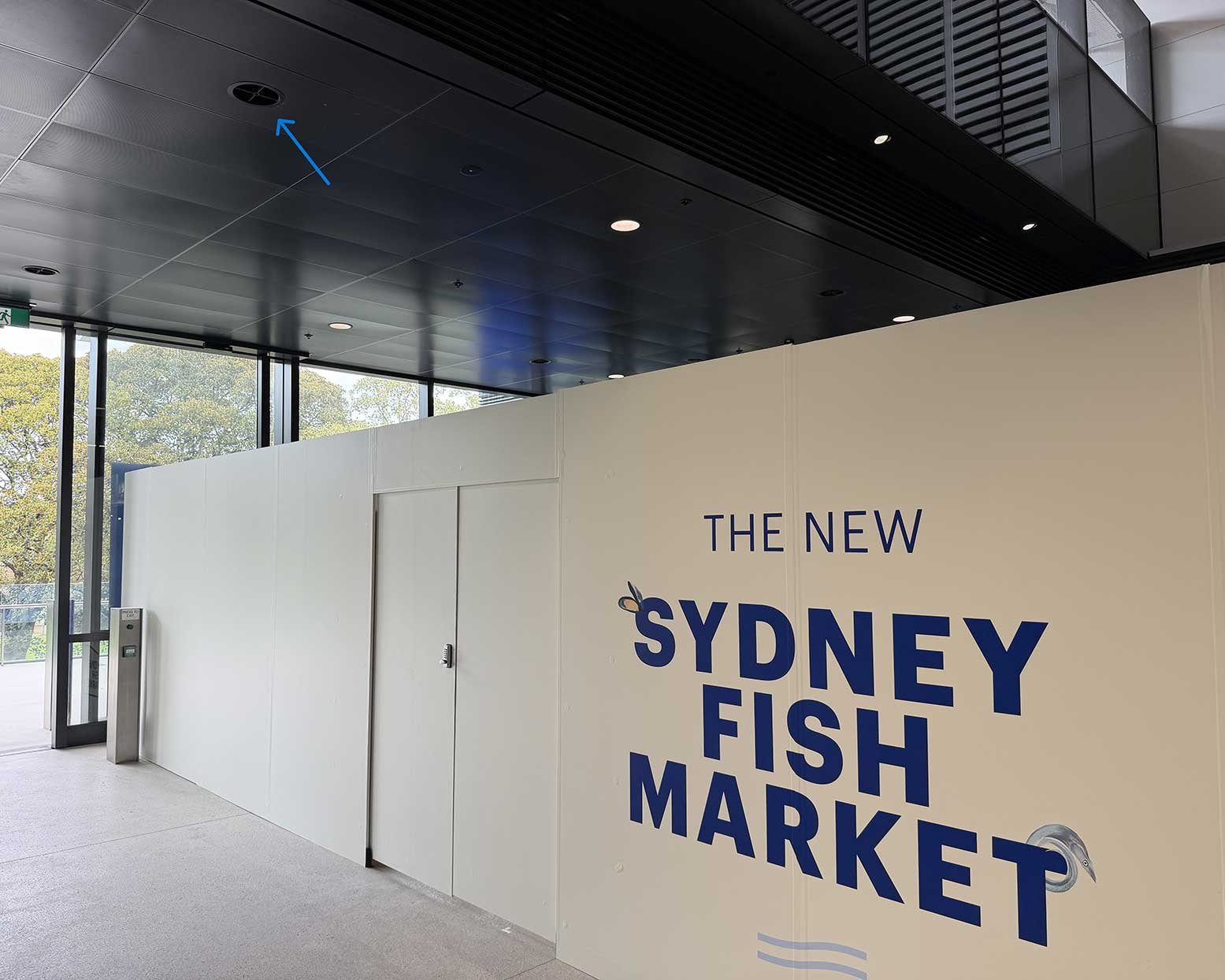
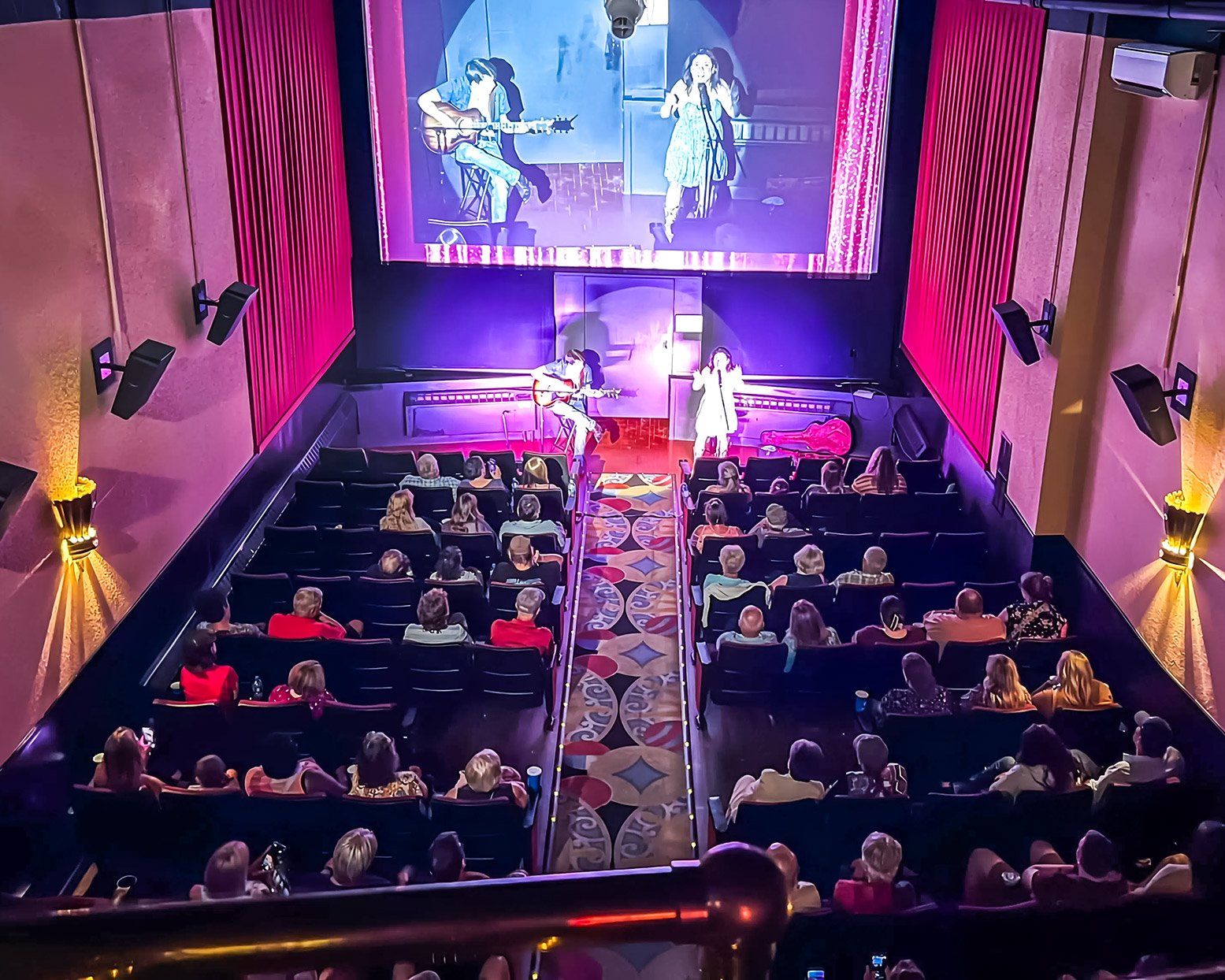
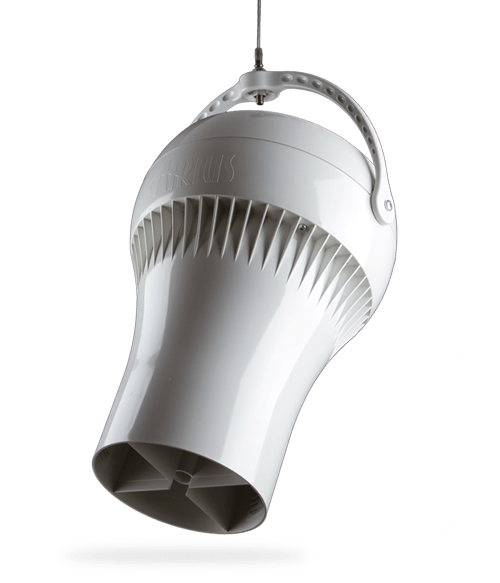
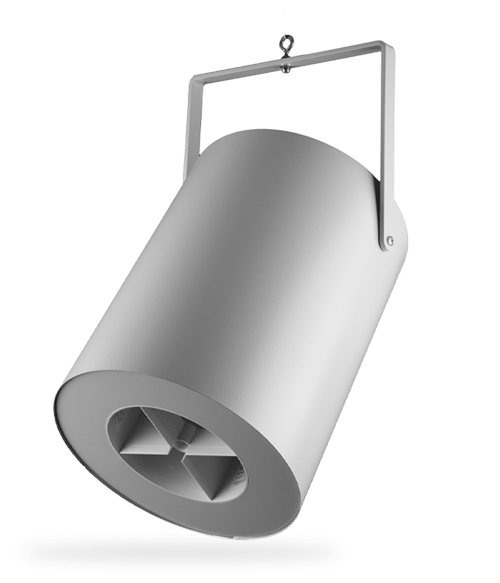
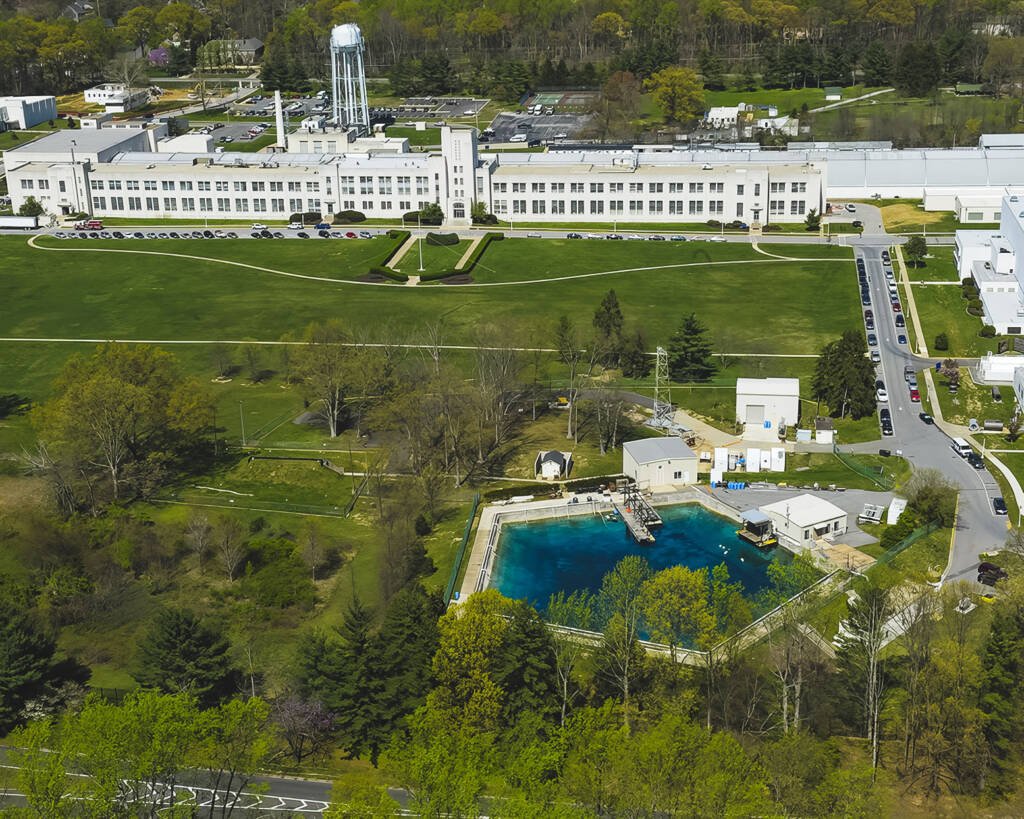
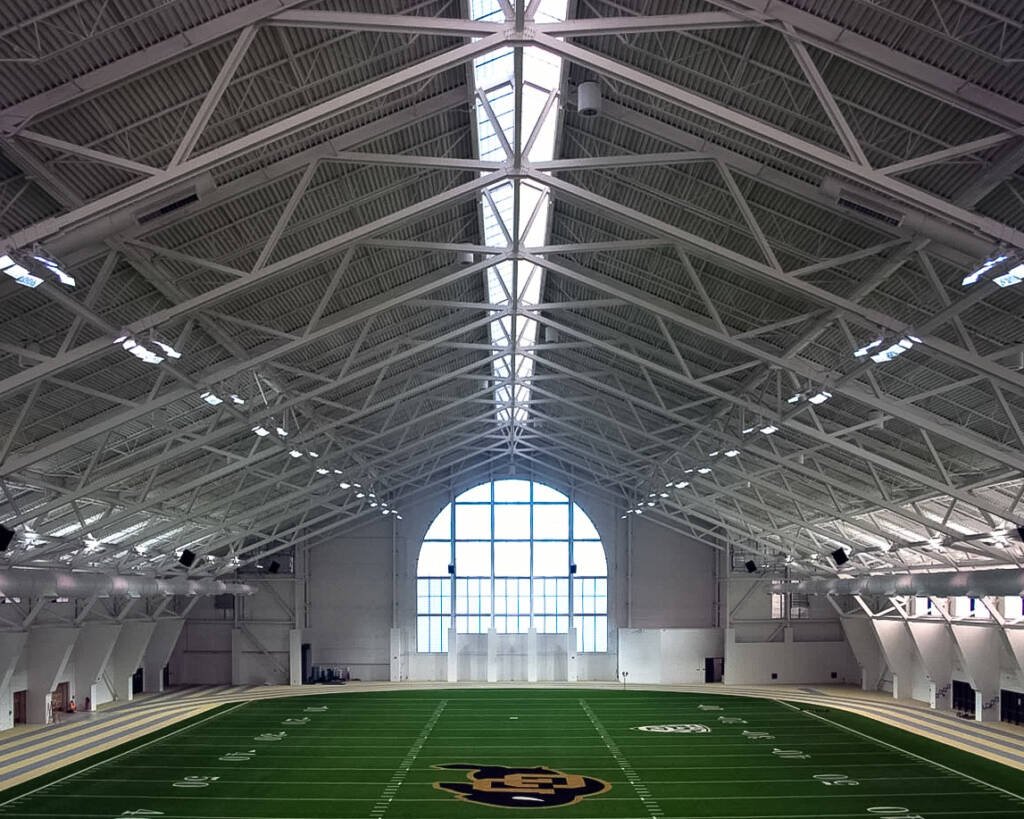
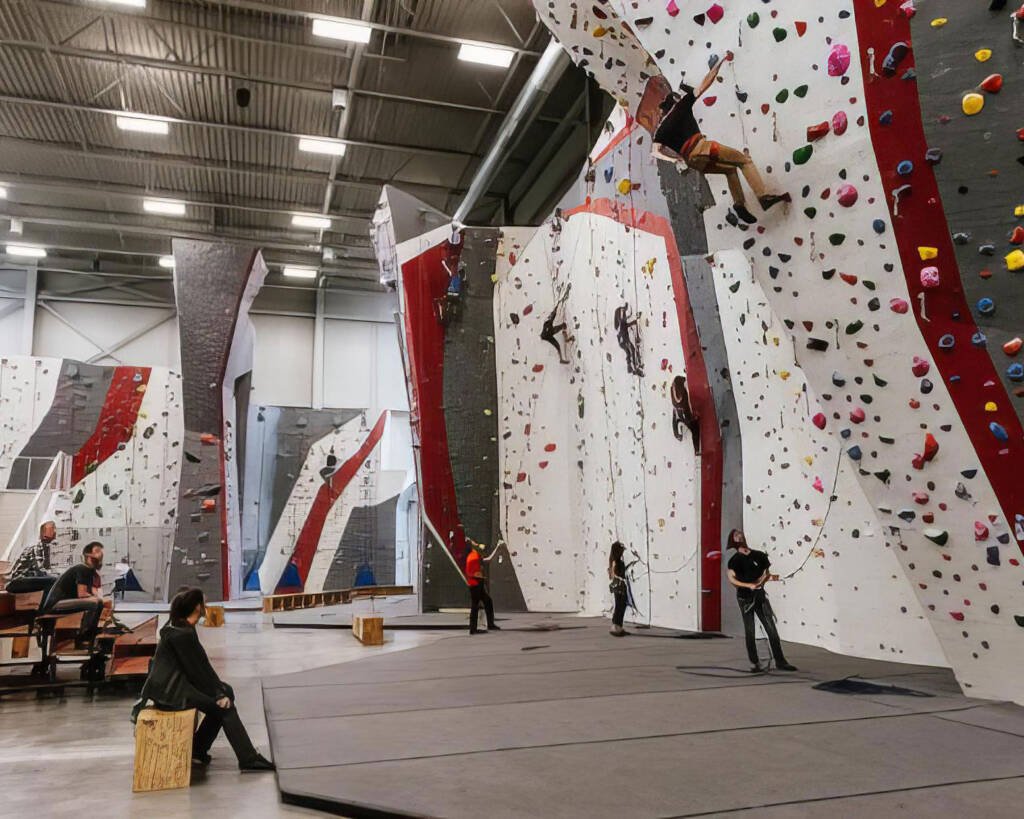
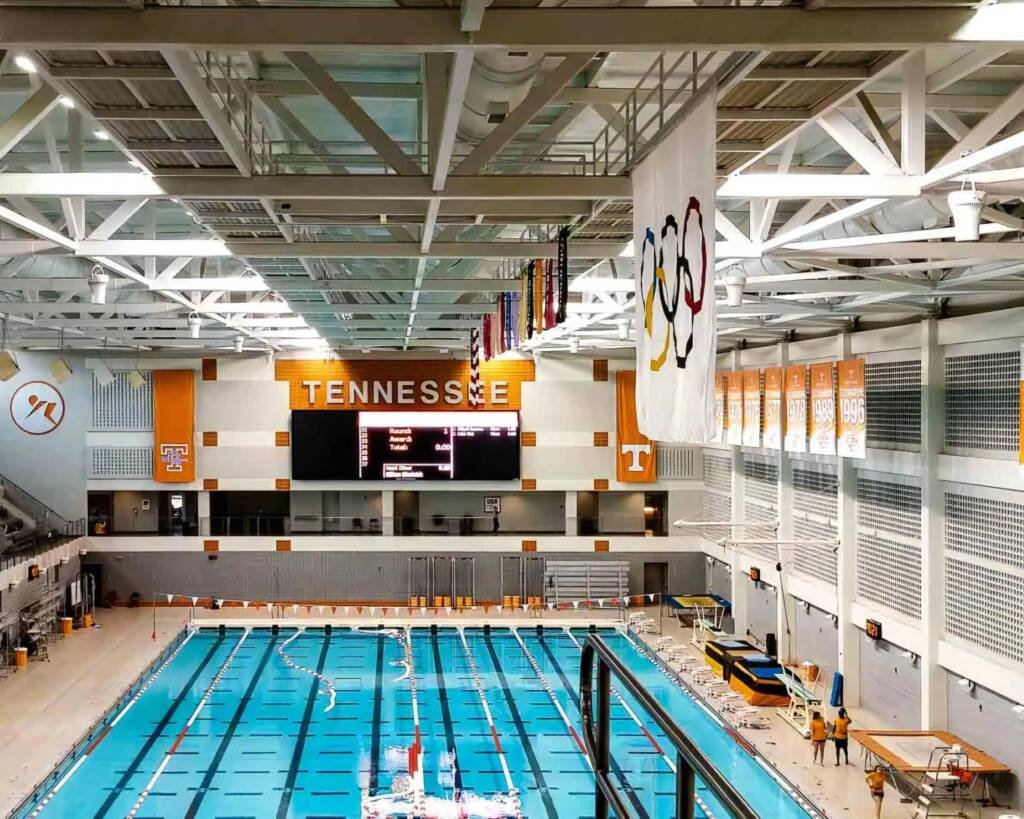
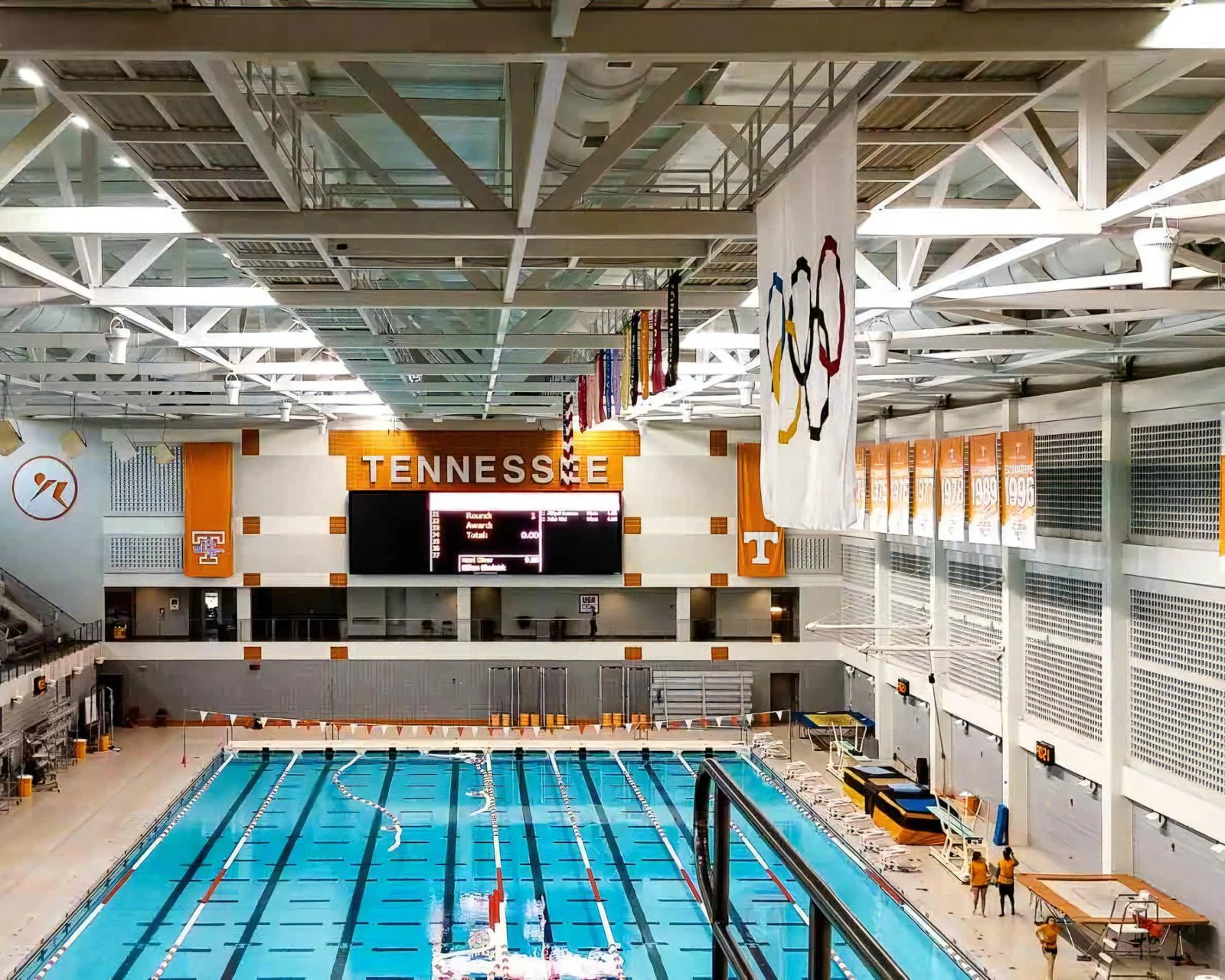
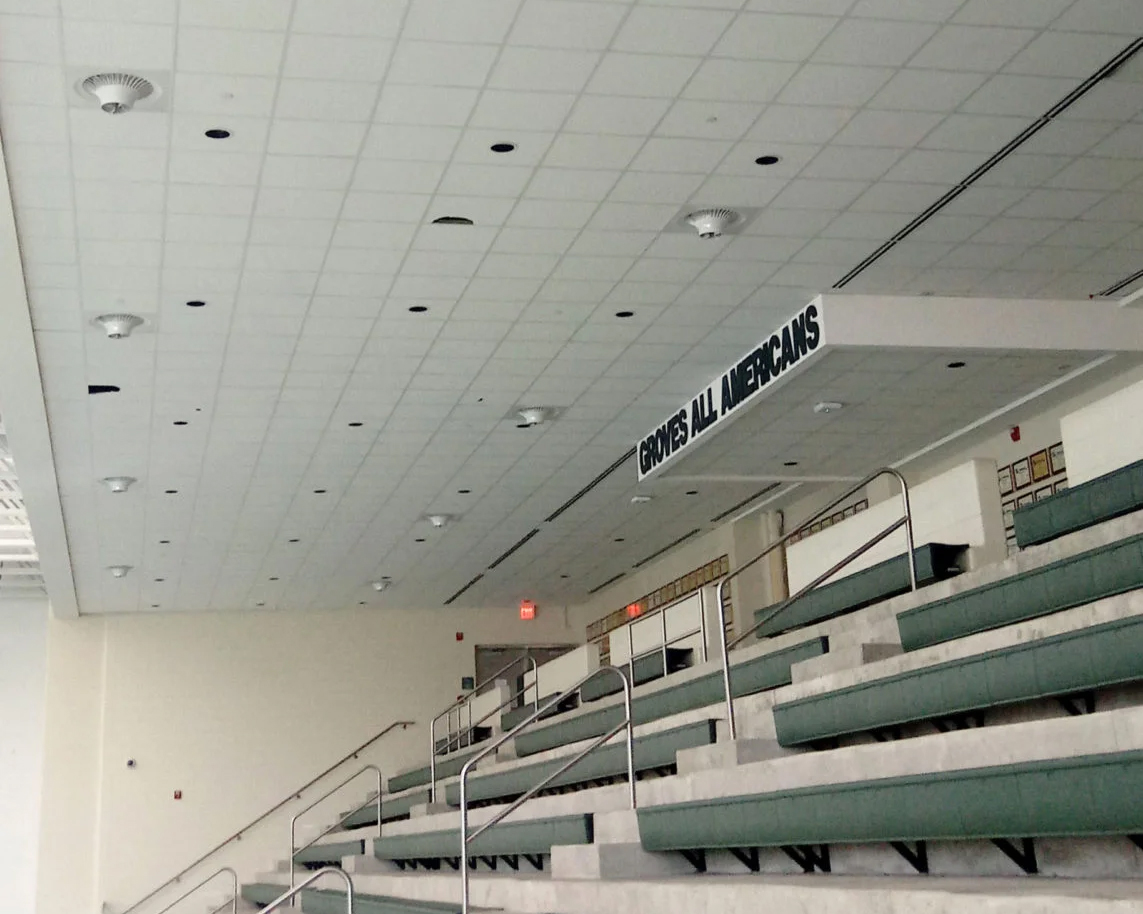
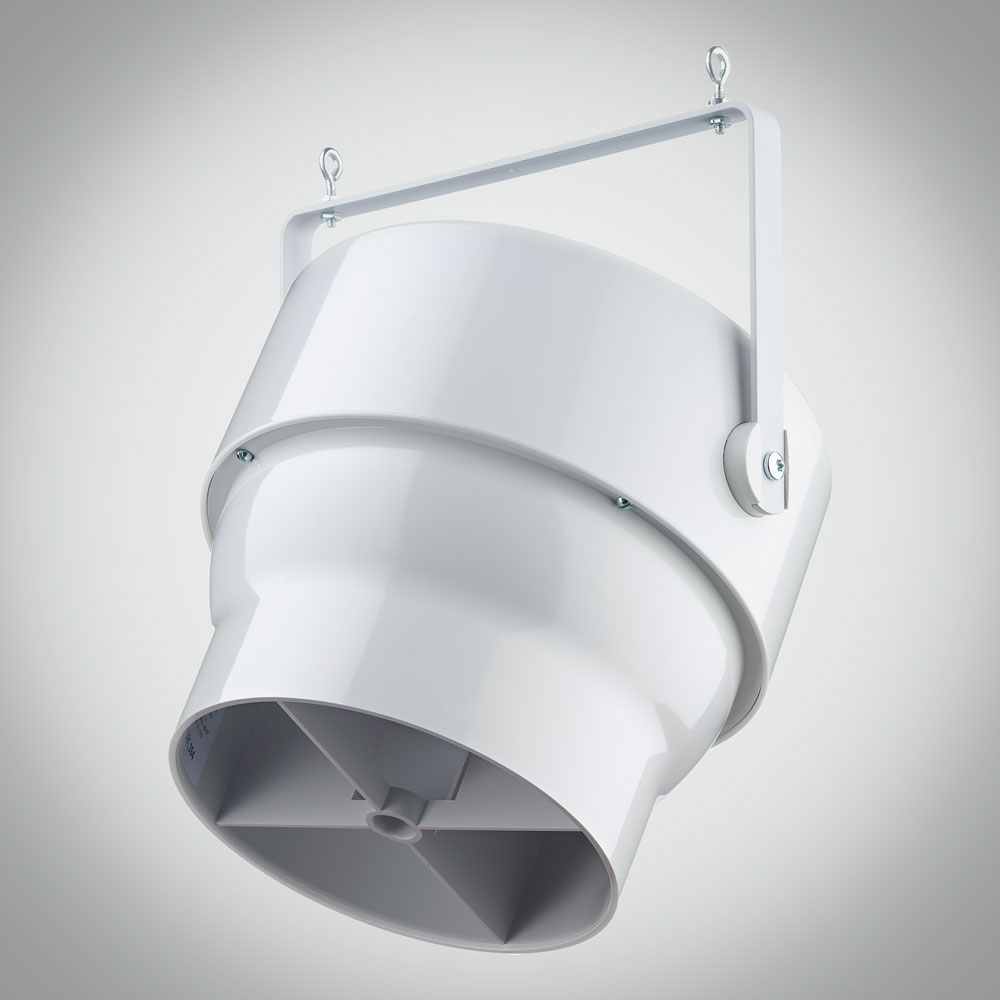
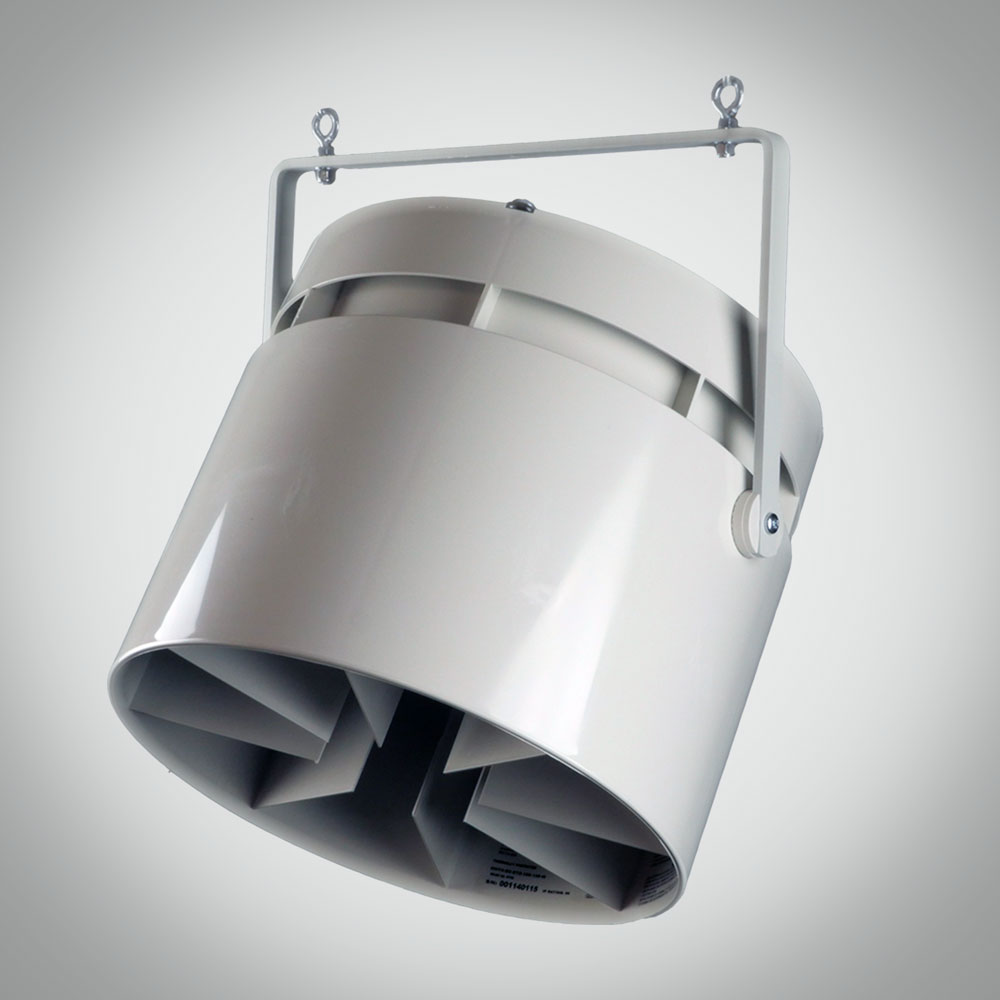
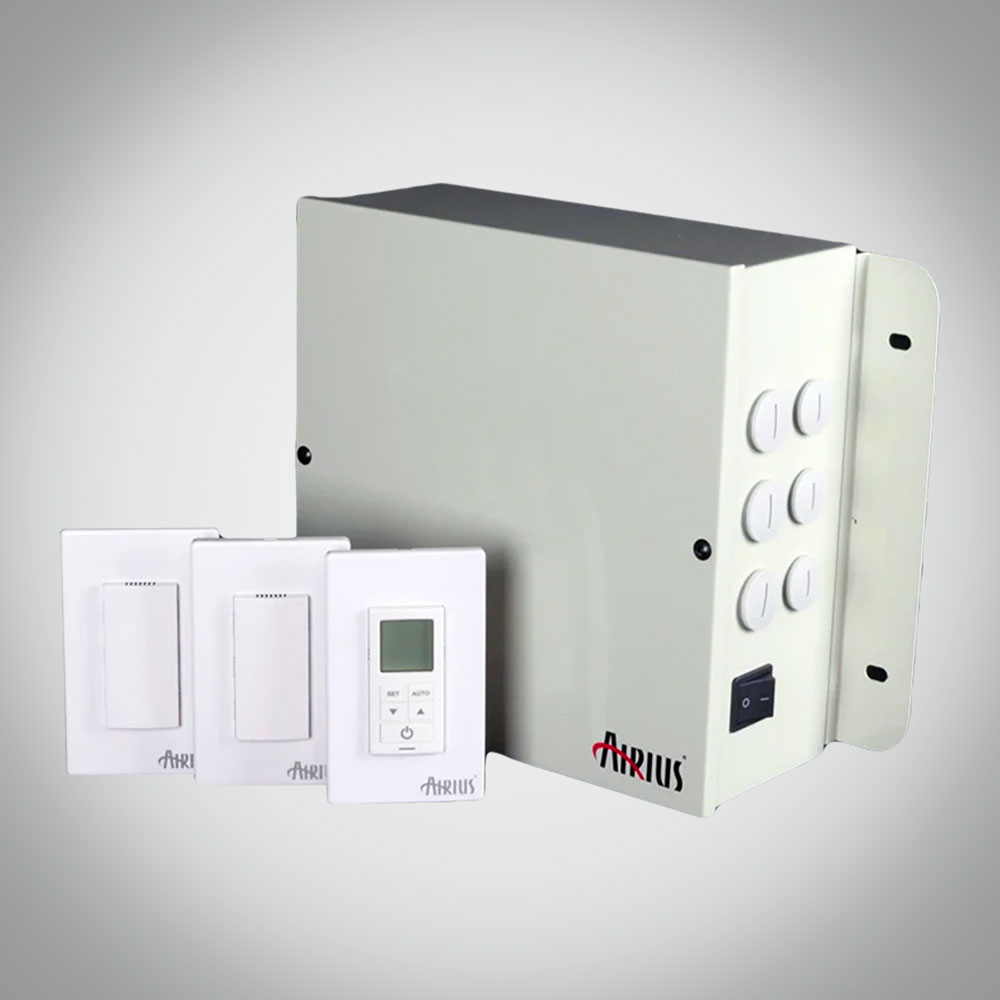
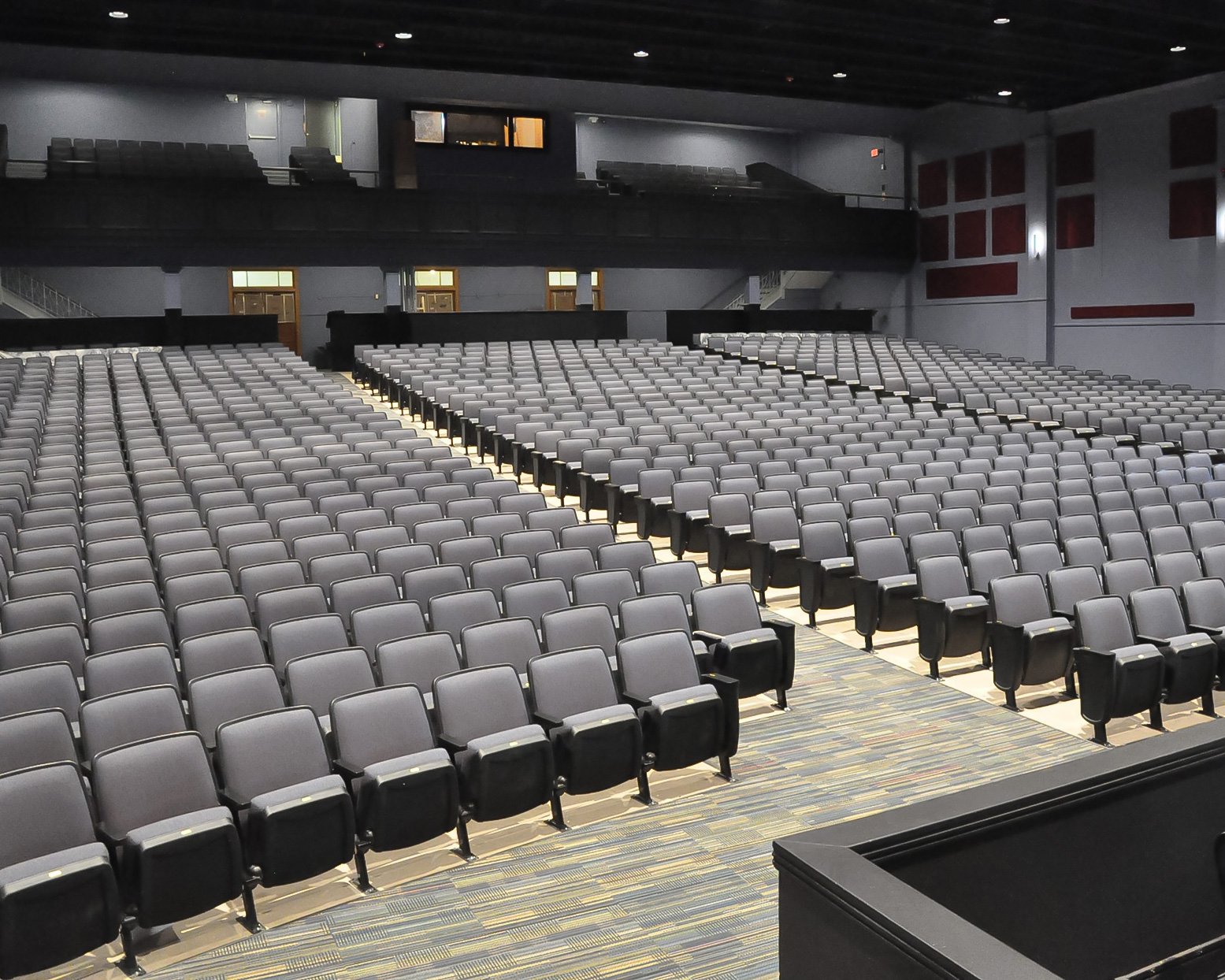
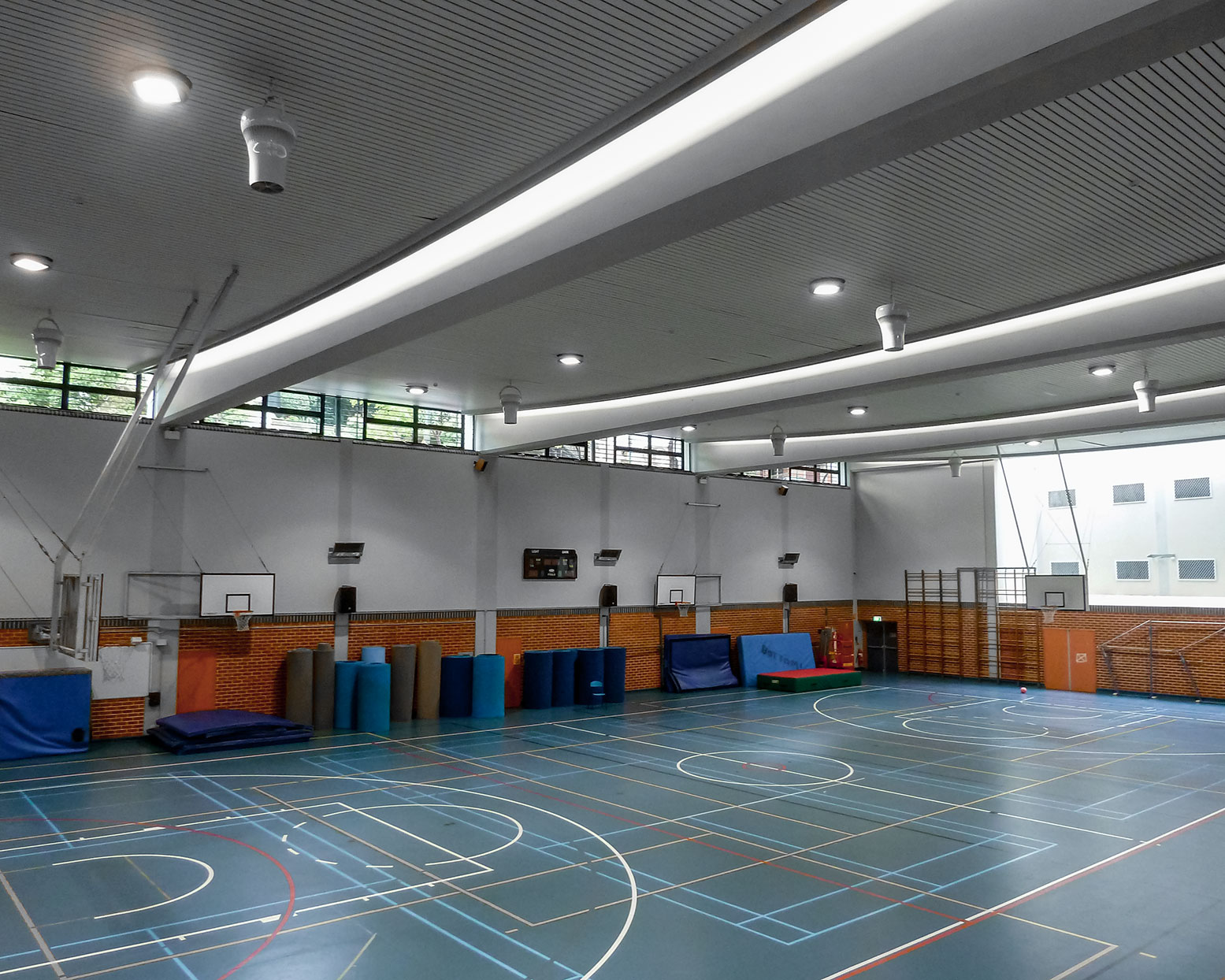
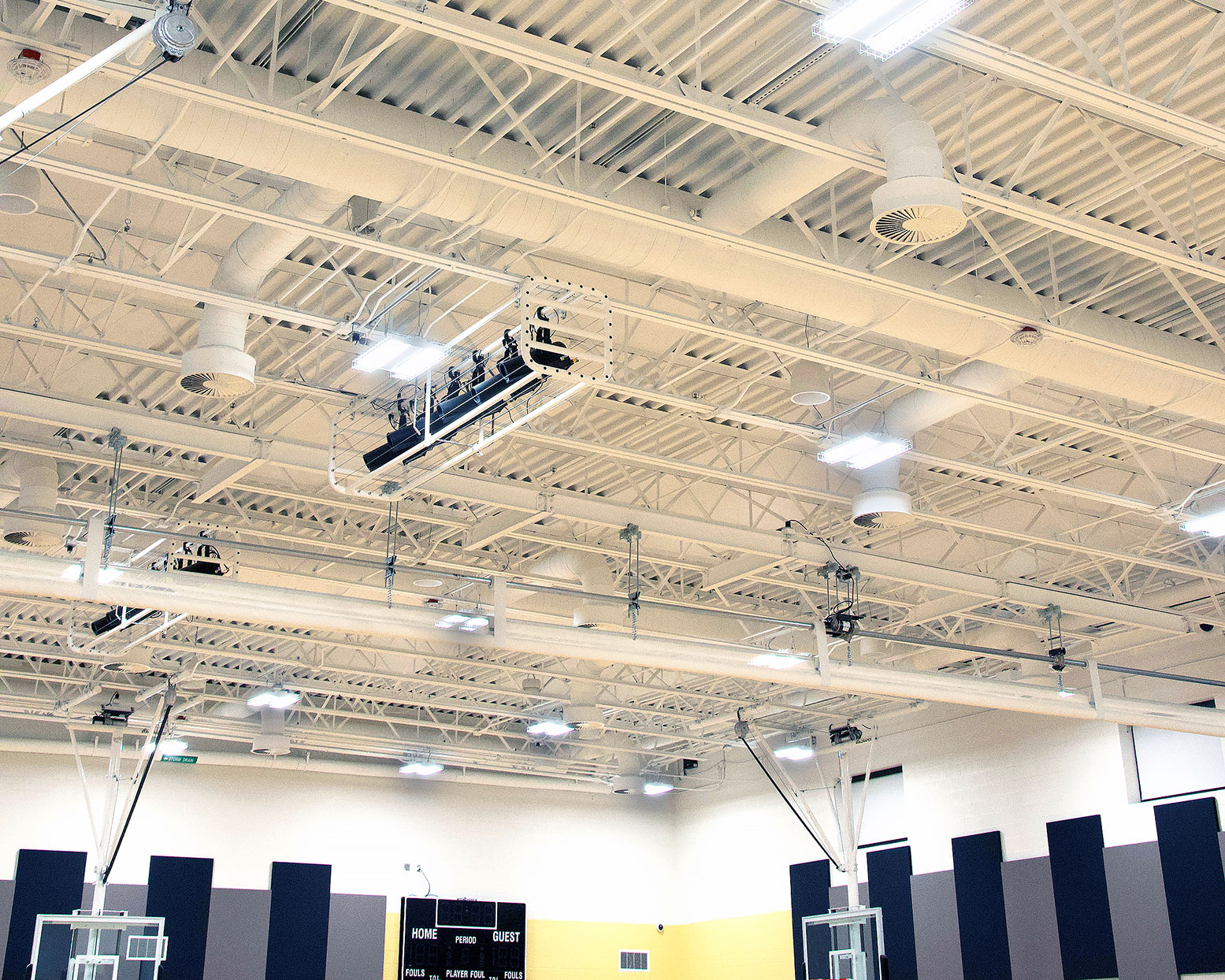
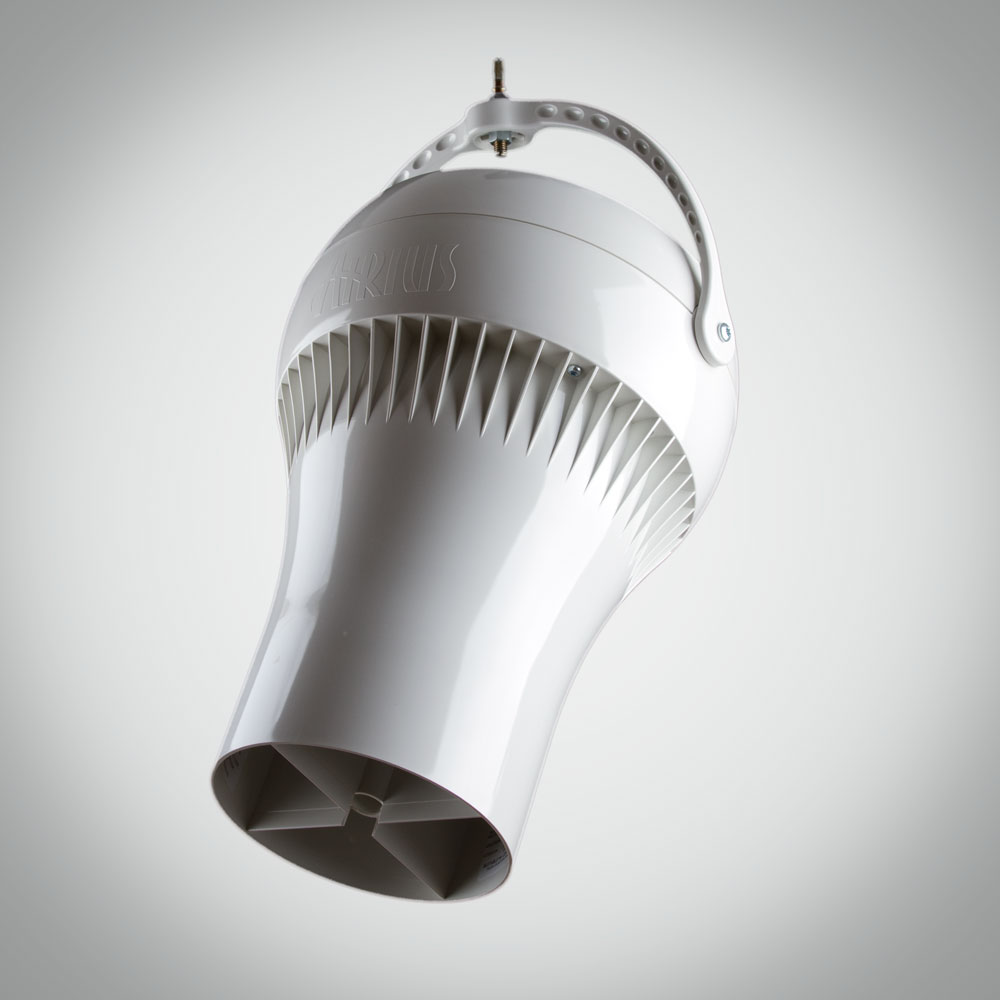
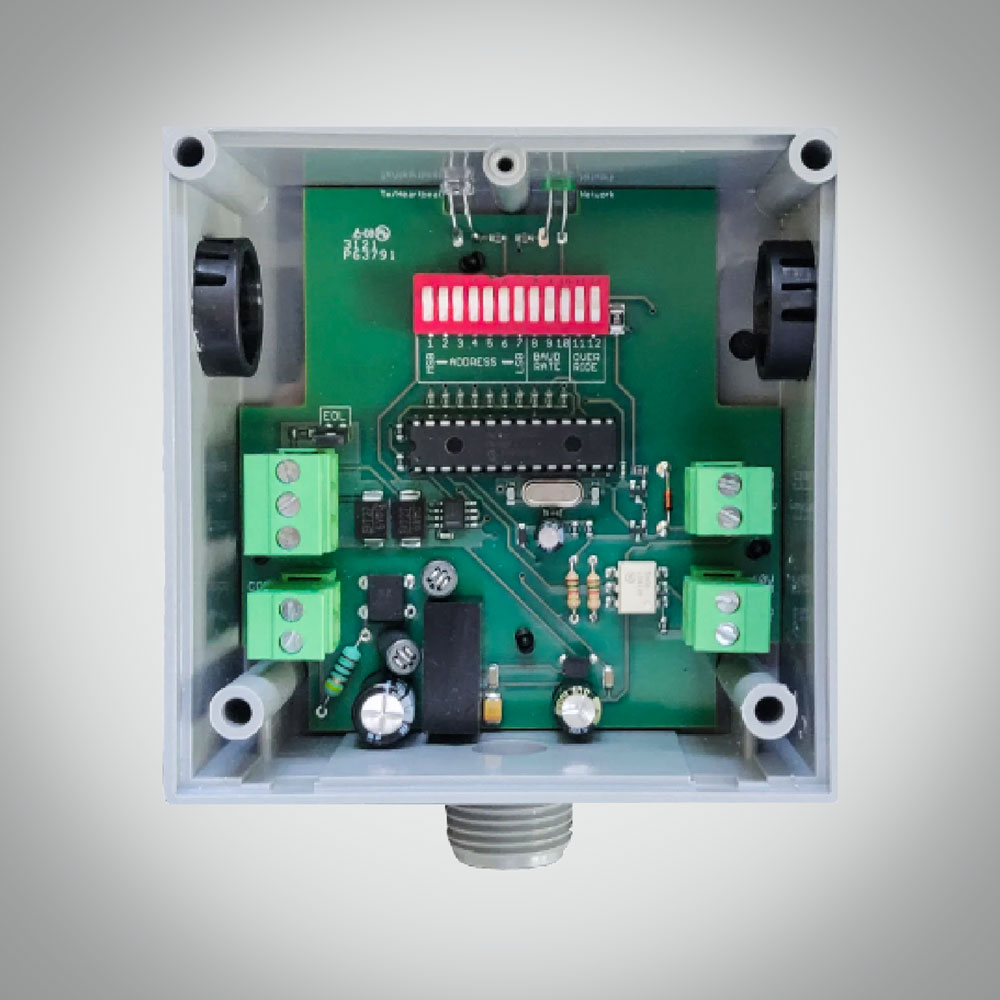
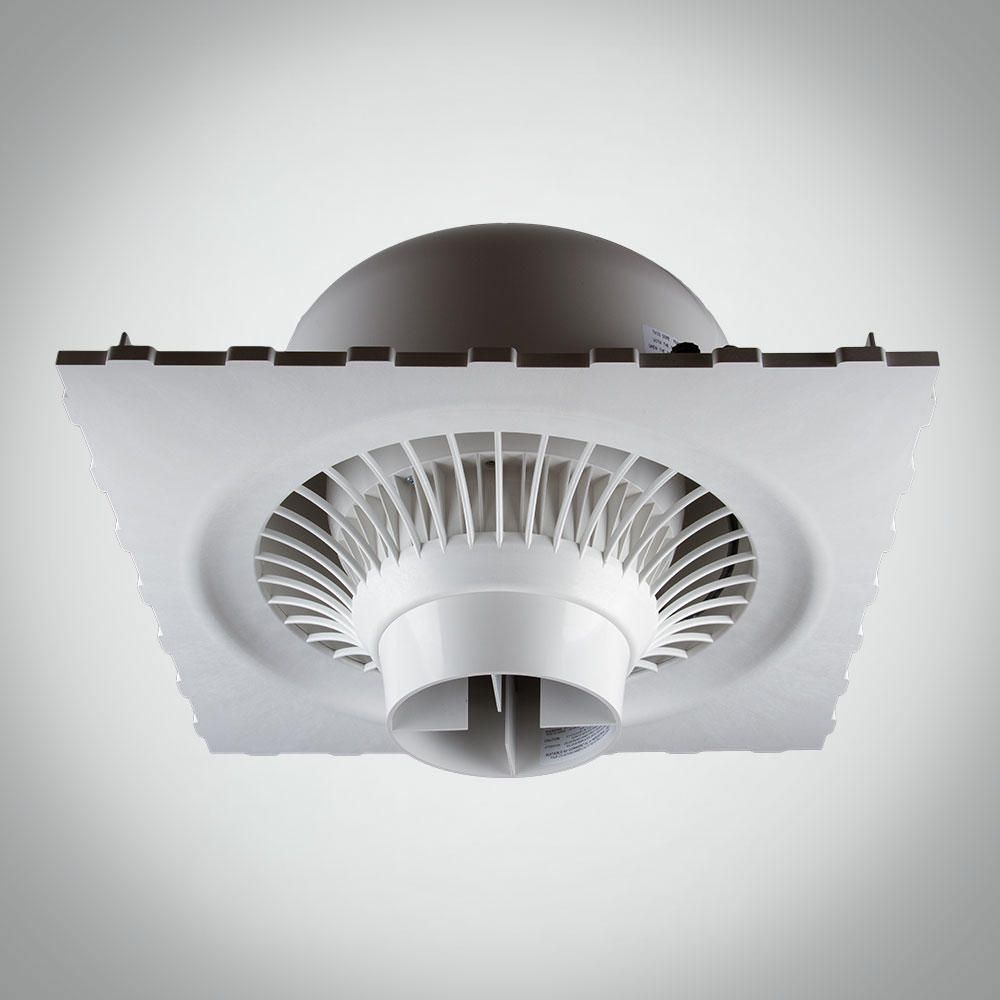
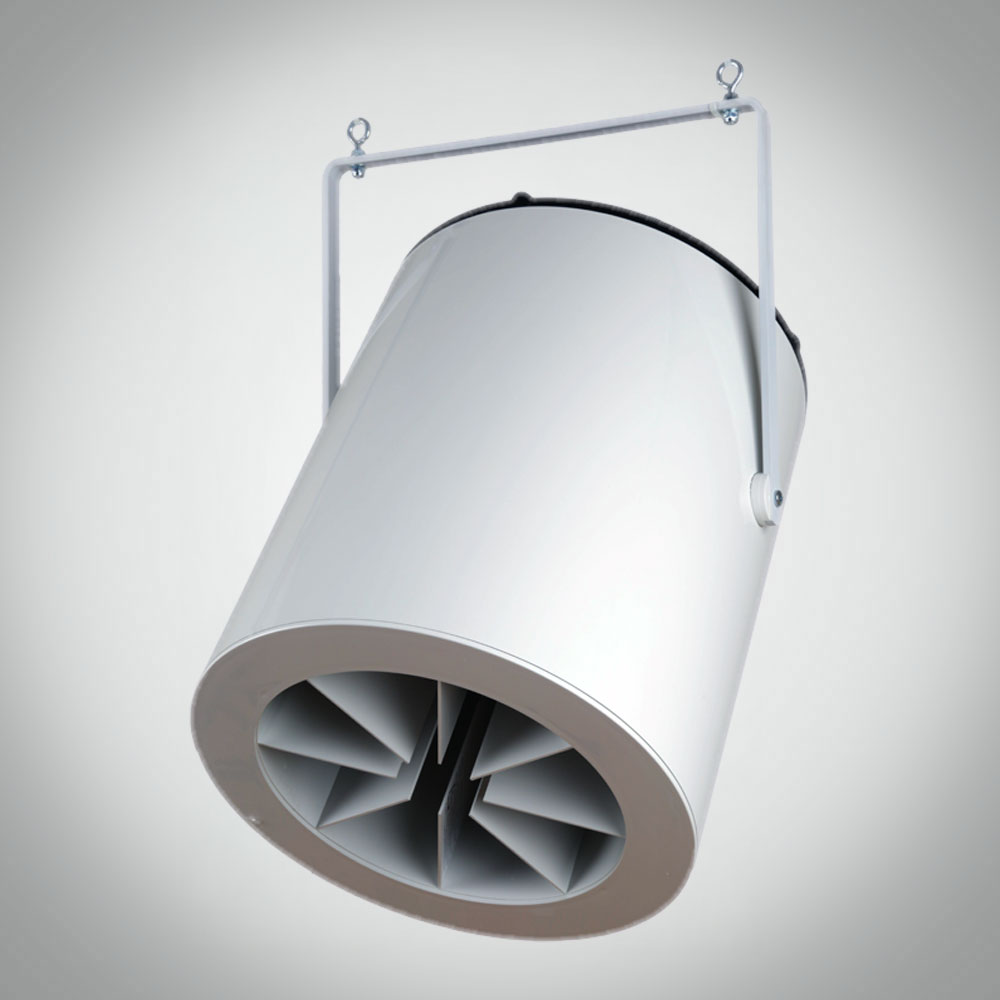
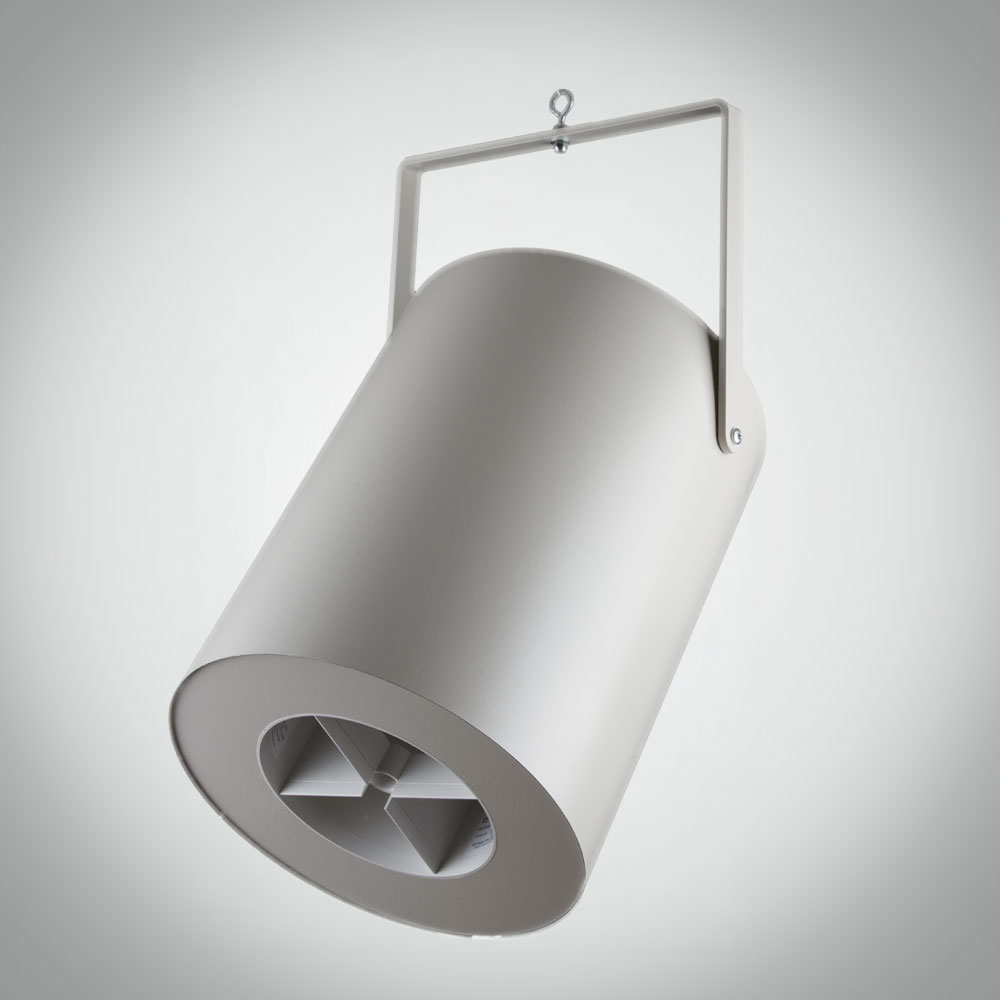
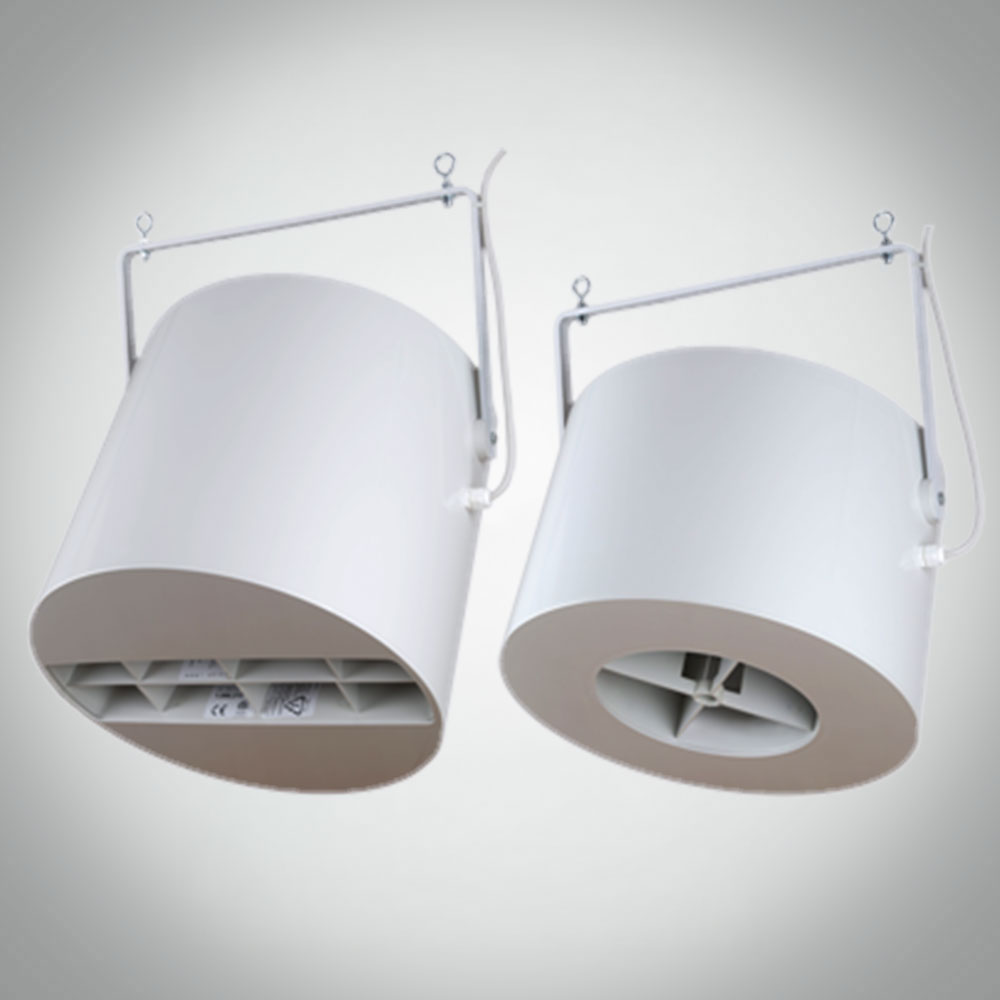

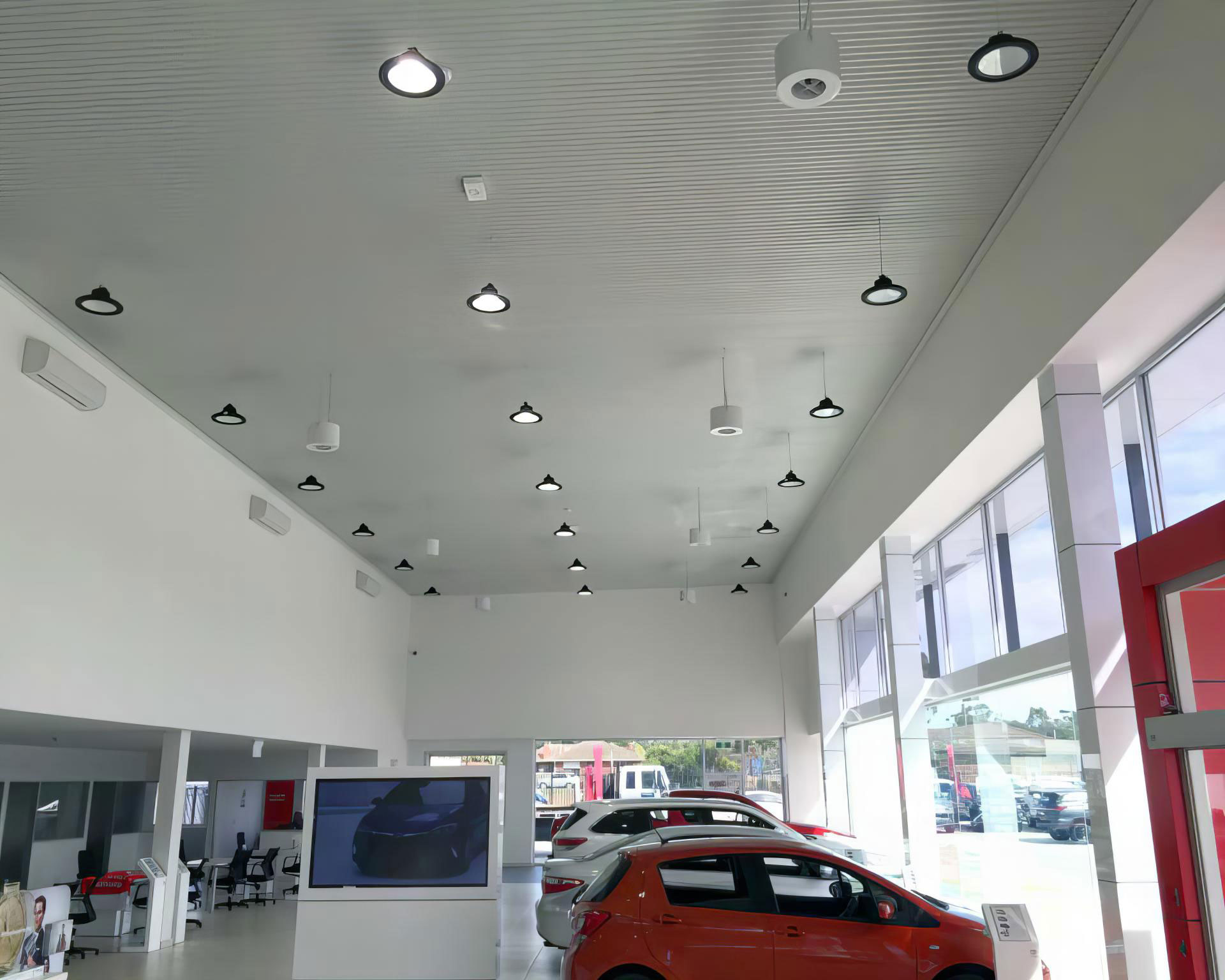
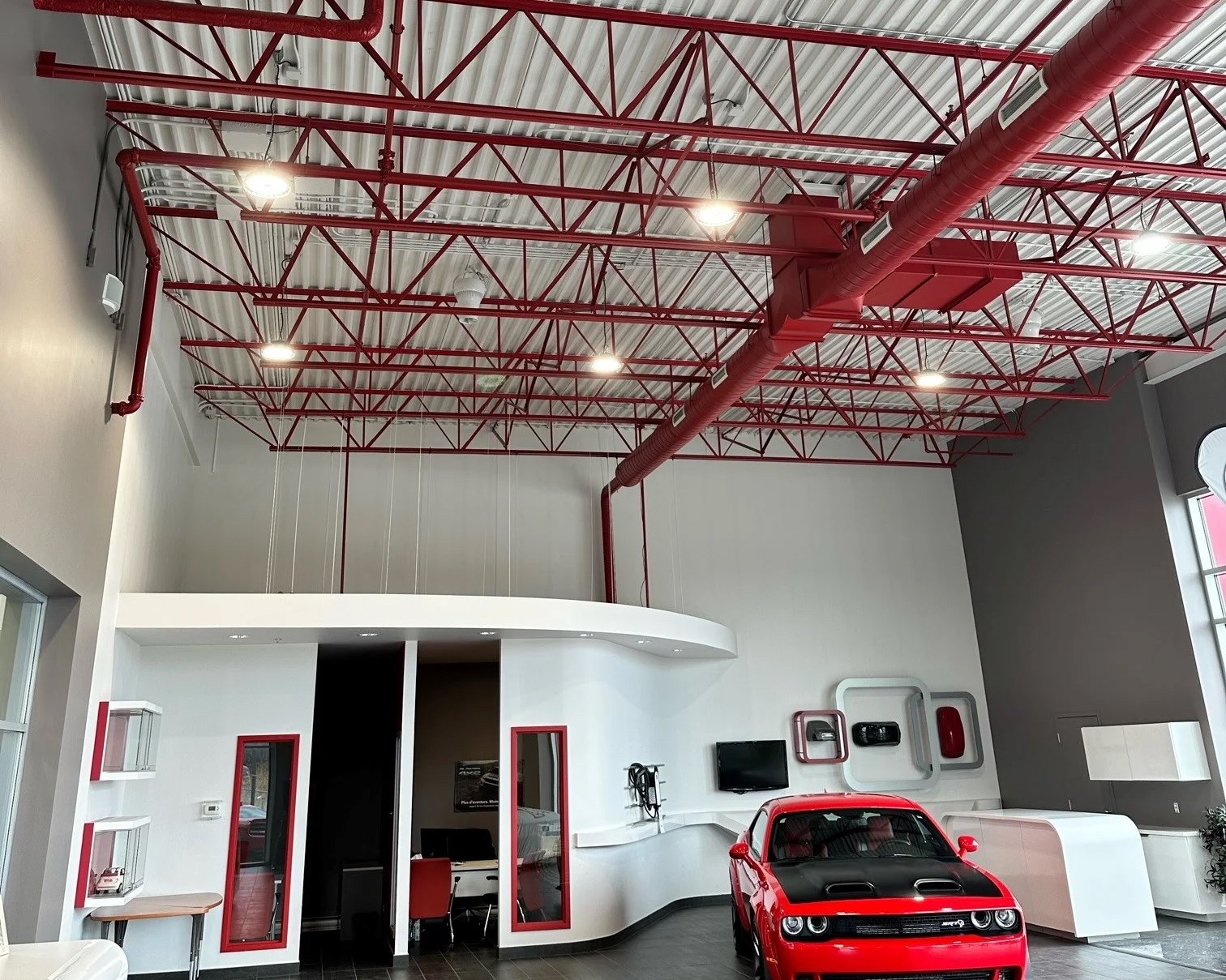
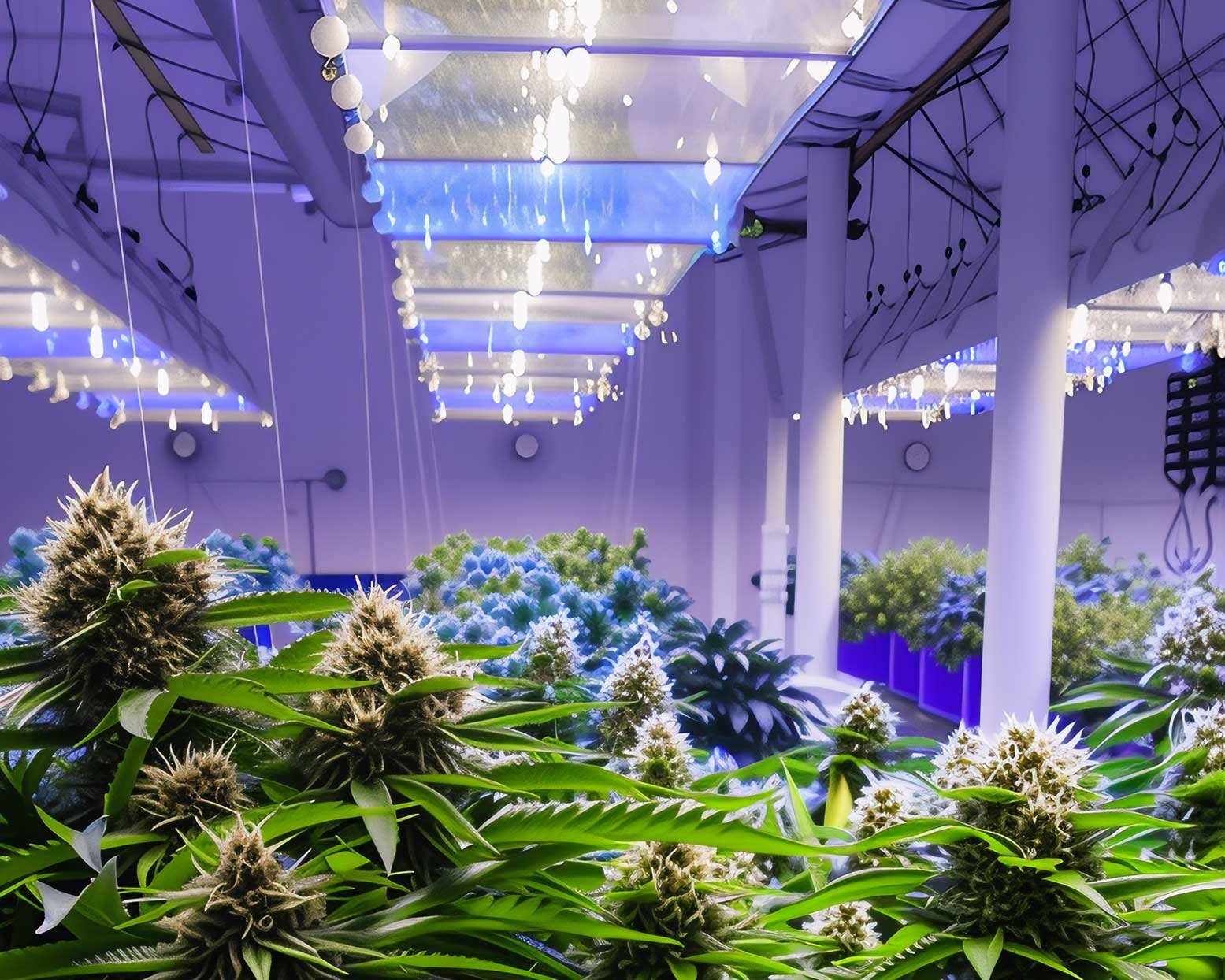
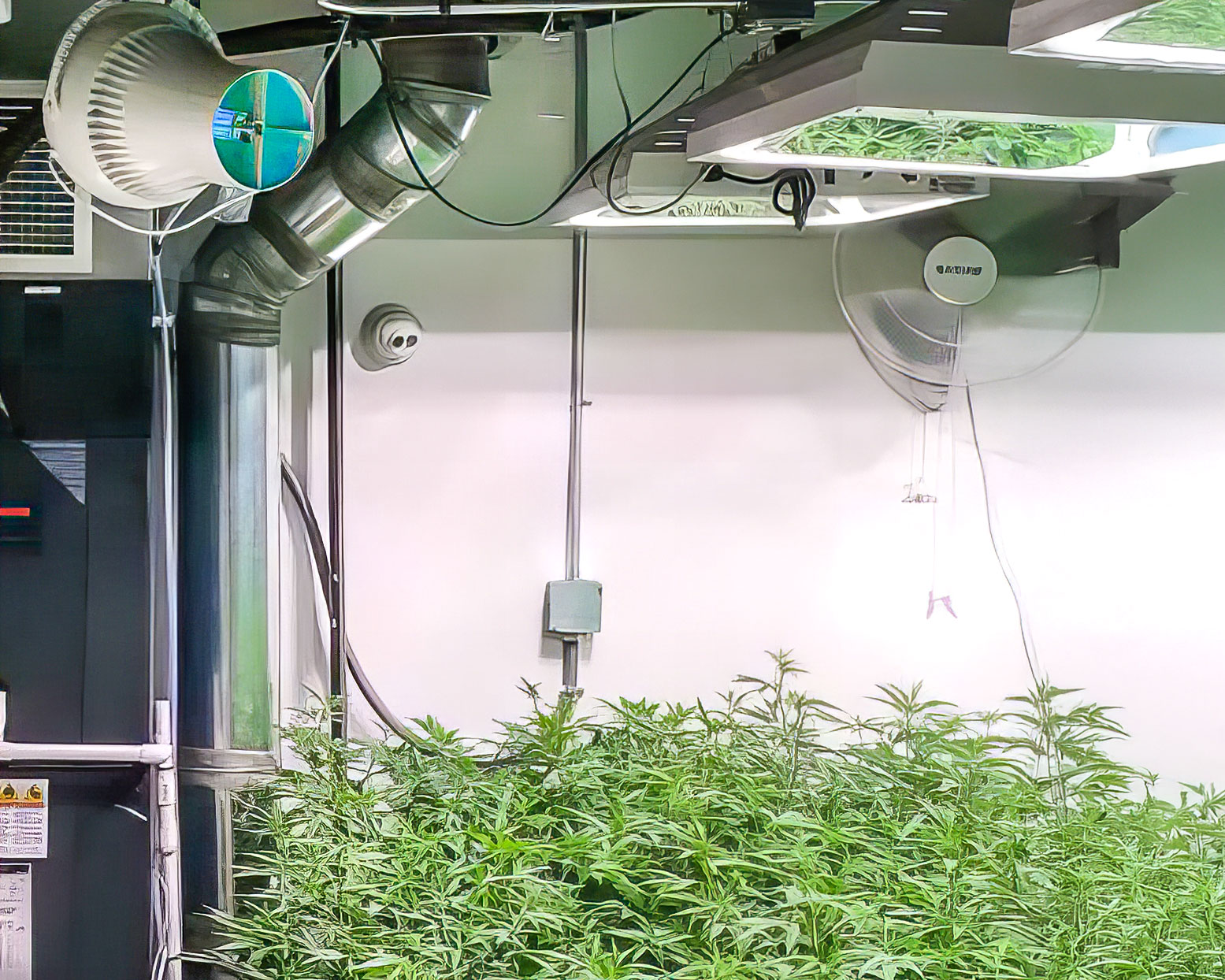

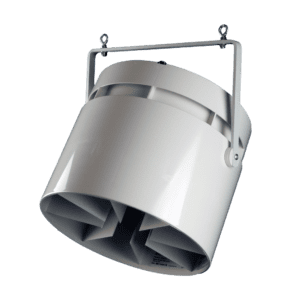
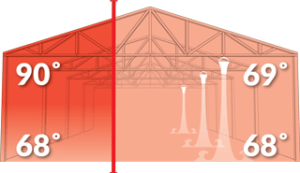
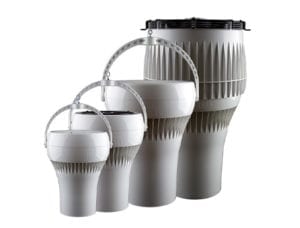
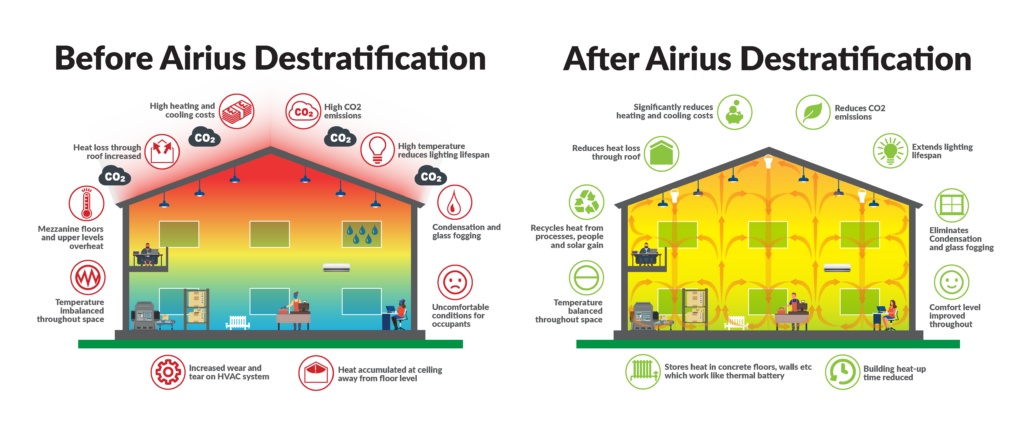
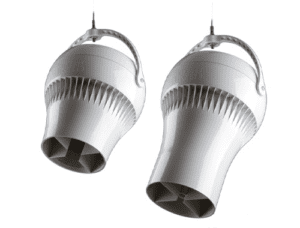
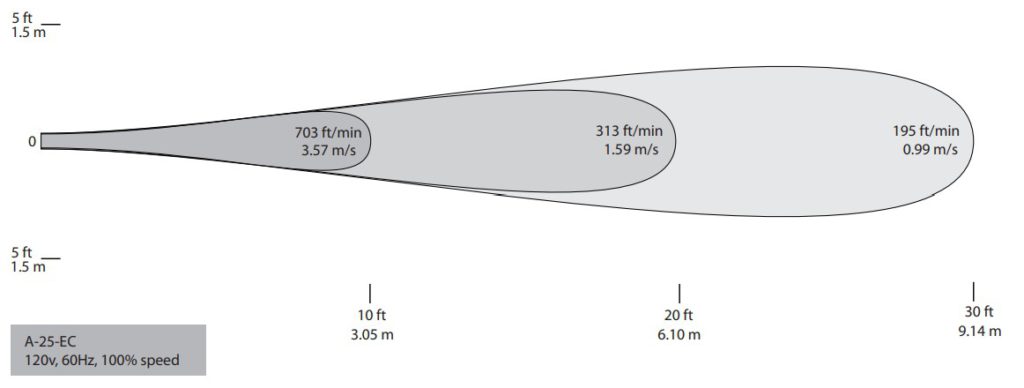
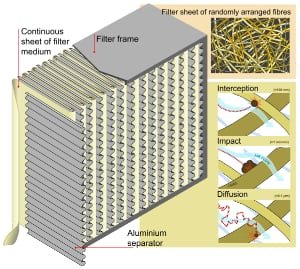
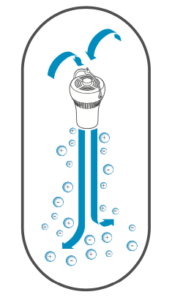 Standalone ion distribution relies on in-room devices utilizing fans: